

Varney & Co. host Stuart Varney warns NYC Mayor Zohran Mamdani’s tax proposals could drive jobs, capital and residents out of New York as a $12.6B deficit looms.
Key Takeaways
- Intensifying Inter-Jurisdictional Competition:JPMorgan Chase CEO Jamie Dimon’s warnings highlight the escalating competition among states and cities to attract and retain businesses and talent, with tax policy and regulatory burdens acting as critical differentiators in a globally competitive landscape.
- Post-Pandemic Acceleration of Migration:The commentary underscores a significant trend accelerated by the pandemic – the increasing mobility of both companies and individual employees, who are “voting with their feet” in favor of lower-cost, lower-tax environments, impacting urban centers traditionally seen as indispensable.
- Long-Term Fiscal and Economic Risks:Dimon’s historical perspective on NYC’s 1970s corporate exodus serves as a stark reminder of the potential for tax base erosion to create severe fiscal challenges for high-cost cities, threatening municipal services, infrastructure, and overall economic vitality.
JPMorgan Chase CEOJamie Dimonhas issued a pointed warning that New York City and other high-tax, heavily regulated urban centers are increasingly vulnerable to losing businesses, capital, and a skilled workforce to locales offering more favorable operating environments. This stern message, embedded within his influential annual letter to shareholders and the firm’s 2025 annual report, resonates deeply within the current market context of shifting demographics, evolving work paradigms, and intense economic pressures.
Dimon’s core argument centers on the harsh reality of corporate competitiveness. “No matter who you are, you need to deal with reality and the truth. The truth is that while New York City has much going for it, particularly for financial companies (because of extraordinary local talent), it also has the highest city and state corporate taxes and the highest individual income and state taxes,” Dimon wrote. This isn’t merely a philosophical debate, he asserts, but a fundamental economic imperative for companies striving to maintain profitability and shareholder value.
In a period marked by elevated inflation, rising interest rates, and geopolitical uncertainties — factors Dimon has previously flagged as potential headwinds for the global economy and which could drive inflation and interest rates higher — the cost of doing business becomes an even more critical variable. For corporations, every basis point of cost efficiency matters, and tax burdens directly impact returns on capital, thereby influencing investment decisions and strategic location planning.
“People often make this a moral or loyalty issue, but it is not. Companies need to remain competitive in this very tough, fast-moving world. And higher taxes lower returns on capital and less competitiveness by their nature,” he emphasized. This perspective challenges the notion that legacy advantages alone can sustain a city’s economic dominance, particularly in an era where digital connectivity mitigates some of the historical benefits of geographic concentration.
JPMorgan Chase CEO Jamie Dimon said that cities and states have to compete to keep businesses in their jurisdictions.(Alexander Tamargo/Getty Images for America Business Forum)
Dimon’s concern extends beyond the relocation of corporate headquarters, delving into the more insidious, gradual “brain drain” that occurs at the individual employee level. While high-profile corporate moves garner headlines, the cumulative effect of individuals “voting with their feet” can be equally, if not more, damaging to a city’s long-term economic prospects. This migration, often spurred by a combination of high taxes and exorbitant living expenses exacerbated by regulatory burdens, represents a significant shift in human capital that can erode a city’s talent pool and innovation capacity.
The post-pandemic landscape has undeniably accelerated this trend. The widespread adoption of remote and hybrid work models has decoupled many jobs from specific geographies, empowering employees to seek out areas offering a better quality of life and lower cost of living, often synonymous with lower tax jurisdictions. This newfound flexibility has intensified the competition among states and cities, transforming it into a zero-sum game for tax revenue and skilled labor.
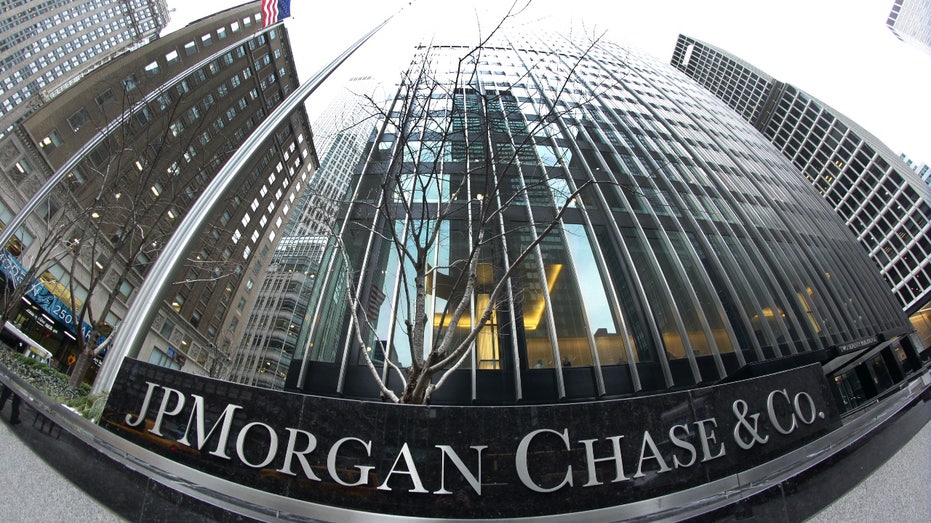
JPMorgan Chase has expanded its presence in Texas while its headcount has declined in New York City.(Tim Clayton/Corbis via Getty Images)
JPMorgan Chase itself serves as a prime example of this strategic realignment. Dimon highlighted the firm’s deliberate shift: “For example, whileNew York Cityis still our company’s global headquarters, we have shrunk our headcount in the city, from 30,000 a decade ago to 24,000 today, and increased our headcount in Texas, from 26,000 in 2015 to 32,000 today. This trend will likely continue.” This internal reallocation of resources by one of the world’s largest financial institutions is a powerful signal to the market, indicating a proactive adaptation to cost pressures and talent availability.
The implications for financial services, a cornerstone of New York City’s economy, are particularly salient. While NYC retains undeniable advantages in its deep talent pool and established ecosystem, the rise of alternative financial hubs in states like Texas (Austin, Dallas), Florida (Miami), and North Carolina (Charlotte) poses a credible threat. These emerging centers are actively courting financial firms with tax incentives, lower operational costs, and a perceived business-friendly environment, challenging the traditional concentration of finance in a few global cities.
Dimon’s historical reference to New York City’s struggles in the 1970s, when “nearly half of the 125 Fortune 500 companies based in New York City left,” serves as a potent cautionary tale. While mergers played a role, the primary drivers were “cost of taxes, office rents, labor and so on.” This historical precedent underscores the potential for rapid and severe economic contraction if a city fails to address its competitive disadvantages. With NYC facing a looming $12.6 billion deficit, as highlighted by Stuart Varney, the urgency of these warnings becomes even more acute, placing pressure on city governments to balance fiscal needs with economic competitiveness.
“No city – or company or country – has a divine right to success,” Dimon concluded, a stark reminder that sustained prosperity requires constant adaptation and strategic foresight. In a fluid global economy, the battle for capital and talent is incessant, and jurisdictions that fail to offer a compelling value proposition risk being left behind.
| Ticker | Security | Last | Change | Change % |
|---|---|---|---|---|
| JPM | JPMORGAN CHASE & CO. | 295.45 | +0.85 | +0.29% |
Market Impact
Dimon’s candid assessment carries significant weight for financial markets. Investors may increasingly scrutinize the long-term viability and growth prospects of companies heavily concentrated in high-tax, high-cost regions, potentially factoring geographical operational costs into valuation models. This could lead to a premium for companies demonstrating geographical diversification or a strategic shift towards more cost-effective locations. Furthermore, the warnings amplify concerns for municipal bond markets in cities like New York, as a shrinking tax base due to corporate and individual migration could exacerbate fiscal challenges, potentially impacting credit ratings and borrowing costs. Commercial real estate investment trusts (REITs) with heavy exposure to office space in these high-cost urban centers may face downward pressure, while those focused on emerging business hubs in lower-tax states could see increased demand and favorable outlooks. The competitive landscape for states and cities to attract businesses is intensifying, and policy decisions regarding taxation and regulation will be closely watched by investors as a key indicator of future economic growth and stability.