
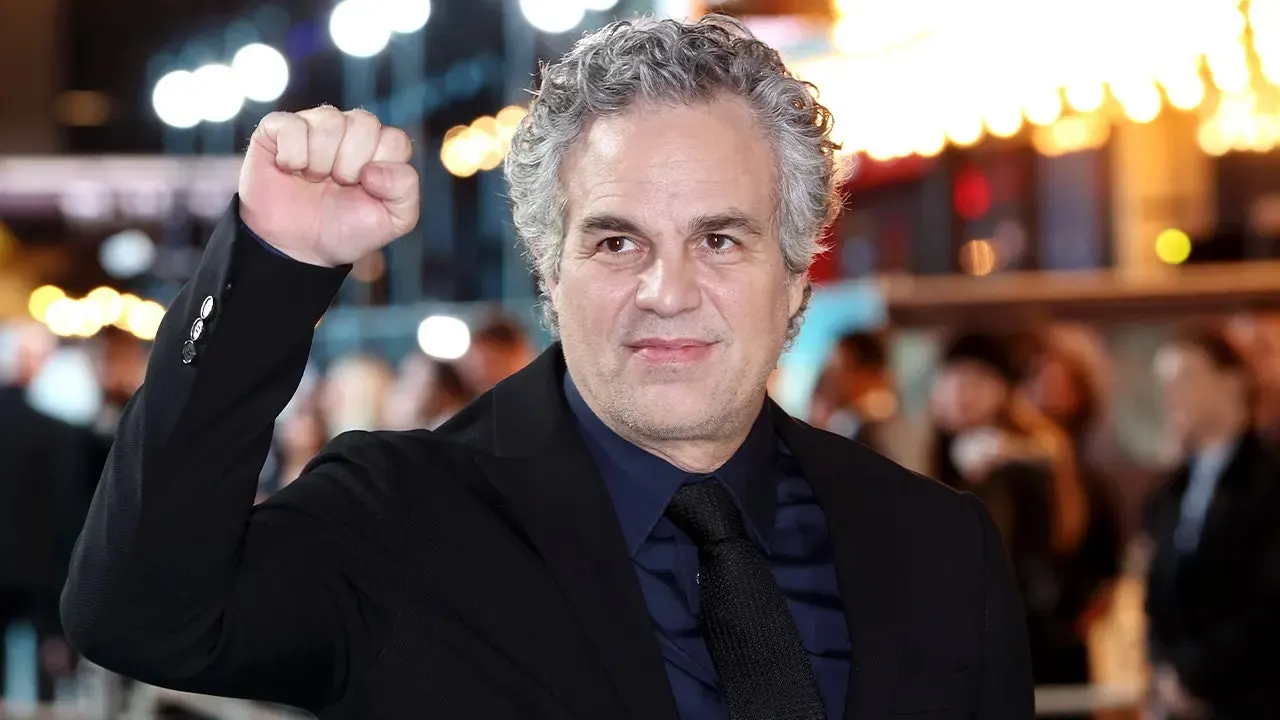
California AG Rob Bonta leads a push to block a potential merger between Paramount and Warner Bros. Discovery. Charlie Gasparino analyzes the regulatory battle, while actor Mark Ruffalo urges officials to stop the deal.
**Key Takeaways:**
* **Heightened Regulatory Scrutiny:** The proposed Paramount-Warner Bros. Discovery merger faces intense opposition from California’s Attorney General and a coalition of states, signaling a robust antitrust environment that could set precedents for future consolidation within the media and entertainment sector.
* **Industry & Public Stakeholder Pressure:** Influential figures like actor Mark Ruffalo, alongside grassroots advocacy groups, are actively lobbying against the deal, underscoring significant industry concern over market concentration, potential job losses, and reduced content diversity.
* **Economic & Geographic Repercussions:** Paramount’s reported threat to relocate from California highlights the broader economic competition among states and the potential for major corporations to leverage geographic mobility in response to regulatory or cost pressures, impacting local economies and labor markets.
—
**Hollywood’s High Stakes Merger Battle: A Deep Dive into Paramount, Warner Bros. Discovery, and the Antitrust Gauntlet**
The proposed $110 billion merger between media titans Paramount (PARA) and Warner Bros. Discovery (WBD) is currently embroiled in a high-stakes regulatory and public relations battle, shining a spotlight on the intense pressures reshaping the global entertainment landscape. What began as a strategic play for scale in the hyper-competitive streaming era has evolved into a contentious showdown, with California Attorney General Rob Bonta leading a multi-state effort to block the deal, even as settlement talks reportedly continue. Adding a potent dose of celebrity activism, actor Mark Ruffalo has publicly urged AG Bonta not to “cave” to industry pressure, galvanizing opposition and highlighting the deeply divided sentiments within Hollywood itself.
This potential megadeal, which would combine two of the industry’s most storied content libraries and distribution networks, is far from a done deal. The transaction remains on hold under a court agreement, with a looming March trial date if current settlement negotiations fail to yield a resolution. At its core, the legal challenge, initiated by Bonta and 11 other state attorneys general in July, argues that the merger would significantly reduce competition, giving the combined entity excessive market power in critical areas like film distribution, basic cable programming, and the burgeoning direct-to-consumer streaming market. This stance aligns with a broader national trend of increased antitrust scrutiny across various sectors, signaling a more aggressive regulatory environment for large-scale corporate consolidation.
**The Quest for Scale in a Fragmented Market**
From a market perspective, the impetus for such a merger is clear. Both Paramount Global and Warner Bros. Discovery have been navigating a rapidly evolving media ecosystem characterized by intense competition from tech giants, soaring content costs, and a fundamental shift in consumer behavior towards streaming. Companies like Netflix (NFLX), Disney (DIS), and Amazon (AMZN) have redefined the playing field, compelling traditional media conglomerates to seek greater scale, cost synergies, and broader content portfolios to compete effectively. A combined Paramount-WBD would create a formidable player, potentially leveraging shared infrastructure, reducing redundant operations, and negotiating stronger terms with advertisers and distributors. For shareholders, the promise of enhanced profitability, deleveraging opportunities, and a more robust market position often justifies such ambitious moves.
However, the regulatory pushback underscores the potential downsides of such consolidation. Critics argue that fewer dominant players could lead to reduced content diversity, higher subscription prices for consumers, and diminished opportunities for independent filmmakers and smaller production houses. The “Block the Merger Coalition,” representing thousands of filmmakers and tens of thousands of petition signatories, vociferously opposes any settlement that doesn’t fully block the transaction. They contend that “unenforceable promises” – often the basis of merger settlements involving divestitures or behavioral commitments – are insufficient to address the systemic concerns of market monopolization. This reflects a growing cynicism about the effectiveness of such remedies in truly fostering competition post-merger.
**The Hollywood Exodus Threat and Economic Leverage**
Beyond the immediate regulatory skirmish, the narrative has taken a sharp turn with Paramount CEO David Ellison’s reported threat to move the company’s operations out of California if the dispute is not resolved by October 1. Destinations like Texas, Tennessee, or Georgia – states known for offering attractive business incentives and lower operating costs – have been floated as potential alternatives. This “Hollywood exodus” threat introduces a potent economic dimension to the regulatory debate. California, traditionally the heart of the entertainment industry, relies heavily on the sector for jobs, tax revenue, and cultural prestige.
AG Bonta’s office has acknowledged Paramount’s “threat,” stating, “What Paramount decides to do is Paramount’s choice alone.” However, the implications of such a move are far-reaching. A major studio relocation would not only impact thousands of direct employees but also ripple through the vast ecosystem of ancillary businesses, from catering and equipment rental to visual effects and post-production houses. It underscores a broader trend where corporations leverage geographic mobility as a negotiating tool against perceived unfavorable business environments, whether due to regulatory hurdles, high taxes, or labor costs. This puts immense pressure on state governments to balance regulatory oversight with economic retention, creating a complex interplay between policy and corporate strategy.
**Stakeholder Activism and Public Opinion**
Mark Ruffalo’s direct appeal to AG Bonta via X, urging him not to “cave” and calling for public rallies, demonstrates the significant power of celebrity and grassroots activism in shaping public opinion and influencing political decisions in high-profile corporate disputes. Ruffalo, citing the collective voice of filmmakers and citizens, frames the merger as detrimental to “the very people who will be hurt,” shifting the narrative from a purely financial transaction to one with profound social and economic consequences for the creative community. This public pressure can intensify the political stakes for elected officials like Bonta, making it harder to pursue settlement options that might appear to appease corporate interests at the expense of public welfare.
Conversely, some voices, like former gubernatorial candidate Spencer Pratt, argue that blocking the transaction could inadvertently harm rank-and-file film workers, who might benefit from the stability and efficiency gains of a larger, more financially robust entity. This highlights the complex and often contradictory impacts of major corporate actions, where different segments of the workforce can experience vastly different outcomes. The debate thus becomes a microcosm of broader economic policy discussions, balancing the interests of corporate growth and shareholder value against labor protections, consumer welfare, and competitive market structures.
As settlement negotiations continue behind closed doors, the outcome of this pivotal merger battle will resonate far beyond the boardrooms of Paramount and Warner Bros. Discovery. It will offer critical insights into the future of media consolidation, the evolving role of state-level antitrust enforcement, and the delicate balance between corporate ambition and public interest in a rapidly changing digital economy.
Actor Mark Ruffalo urged California Attorney General Rob Bonta not to “cave” amid reported settlement talks over the proposed Paramount-Warner Bros. Discovery merger.(Hoda Davaine/Getty Images)
Actor Mark Ruffalo is ramping up pressure on California Attorney General Rob Bonta amid reports of settlement talks over the proposed Paramount-Warner Bros. Discovery merger, warning the Democrat not to “cave” and urging supporters to rally outside his Oakland office.
“Don’t you dare @AGRobBonta, do not cave,” Ruffalo wrote Saturday on X.
Ruffalo’s lobbying comes as the massive transaction remains on hold under a court agreement and Paramount CEO David Ellison clashes with Bonta and 11 other state attorneys general over the company’s proposed $110 billion acquisition of Warner Bros. Discovery.
In July, the states sued to block the deal, arguing it would reduce competition and give the combined company excessive market power in film distribution and basic cable programming.
HOWDY FOR HOLLYWOOD? WHY PARAMOUNT’S THREAT TO LEAVE CALIFORNIA MATTERS
Actor Mark Ruffalo urged California Attorney General Rob Bonta not to “cave” amid reported settlement talks over the proposed Paramount-Warner Bros. Discovery merger.(Hoda Davaine/Getty Images)
As the megadeal remains on hold, Ellison has reportedly threatened to move Paramount to Texas, Tennessee or Georgia if the dispute is not resolved by Oct. 1. The lawsuit is scheduled to go to trial in March if a settlement is not reached.
Settlement negotiations remain ongoing.
Ruffalo strongly urged Bonta to reject any settlement that would allow the transaction to move forward. He cited thousands of filmmakers and tens of thousands of petition signatures opposing the merger.
“You work for the people — the very people who will be hurt if you let this lousy deal filled with empty promises go forward,” Ruffalo wrote. “Please sign to send a message to the AG’s and Paramount. Reject the deal. The people don’t want it!”
PARAMOUNT MUM, BUT LA OFFICIALS ON NOTICE AS RUMORS OF MOVE FROM CALIFORNIA TO NASHVILLE SWIRL
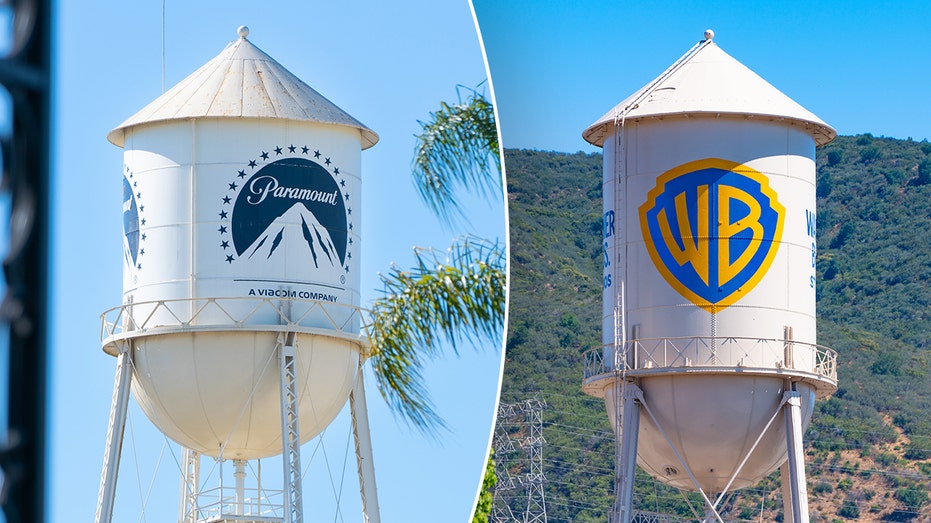
California Attorney General Rob Bonta believes Paramount’s planned takeover of Warner Bros. Discovery is simply “an illegal merger.” (AaronP/Bauer-Griffin/GC Images / Getty Images)
In a follow-up post, Ruffalo called on Bay Area opponents of the merger to gather outside Bonta’s Oakland office.
“To my friends in the Bay Area: I’m hearing Rob Bonta is about to cave and hand Warner Bros over to the Ellisons. We can’t let him do that. Can you show up outside his AG office in Oakland tomorrow at 5pm to reject this backroom deal?” Ruffalo wrote.
The Block the Merger Coalition, which says more than 75,000 people have joined its campaign opposing concessions, argued that a settlement based on unenforceable promises would not adequately address its concerns.
“The rumored ‘deal’ to usher the Paramount-Warner Bros. merger forward is an insult to everyone who has stood up against this harmful transaction and to the hundreds of thousands of workers, journalists, and consumers who will be hurt if it goes forward,” the organization said in a statement.
CALIFORNIA ENTREPRENEUR WARNS BILLIONAIRE WEALTH TAX COULD TRIGGER ‘GIANT SUCKING SOUND’ OF BUSINESS EXITS
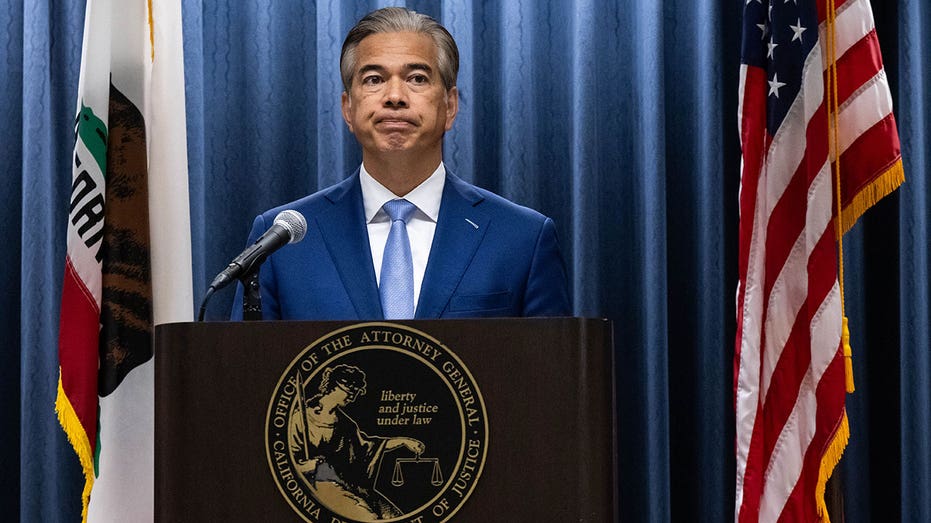
California Attorney General Rob Bonta and 11 other state attorneys general sued to block Paramount’s proposed acquisition of Warner Bros. Discovery.(Sarah Reingewirtz/MediaNews Group/Los Angeles Daily News via Getty Images / Getty Images)
“Let’s be very clear: an agreement based only on unenforceable concessions is a win only for David Ellison. It is an L for everyone else.”
The Hollywood fight isn’t entirely one-sided. Spencer Pratt, who ran for governor of California, criticized Ruffalo’s position, arguing that blocking the transaction could hurt rank-and-file film workers.
| Ticker | Security | Last | Change | Change % |
|---|---|---|---|---|
| PSKY | PARAMOUNT SKYDANCE CORP. | 10.21 | -0.41 | -3.86% |
Bonta’s office previously addressed reports that Paramount has raised the possibility of moving operations out of California.
“It’s no secret that Paramount has been making this threat despite its alleged commitment to California and Hollywood,” Bonta’s office told FOX Business.
“What Paramount decides to do is Paramount’s choice alone,” his office added.
CLICK HERE TO GET FOX BUSINESS ON THE GO
FOX Business has reached out to Bonta’s office for comment.
FOX Business’ Stepheny Price and Lorraine Taylor contributed to this report.
**Market Impact:**
The ongoing saga surrounding the Paramount-Warner Bros. Discovery merger carries significant implications for the broader media and entertainment market. Should the merger be blocked, it would likely send a chilling message across the industry, potentially curbing future large-scale M&A activities as companies weigh increased regulatory headwinds against the drive for scale. Investors in both Paramount Global (PARA) and Warner Bros. Discovery (WBD) would likely react negatively, as the perceived benefits of synergies and market power would evaporate, potentially leading to downward pressure on their respective stock prices. Conversely, a successful merger, even with concessions, could initially boost investor confidence in the combined entity, while competitors like Disney (DIS), Comcast (CMCSA), and Netflix (NFLX) would need to re-evaluate their competitive strategies against a formidable new rival. The outcome will also serve as a key indicator of the current administration’s and state attorneys general’s appetite for antitrust enforcement, influencing investor sentiment regarding consolidation trends not just in media, but across technology, telecommunications, and other concentrated sectors. Furthermore, the “Hollywood exodus” threat underscores the economic leverage major corporations can wield, potentially encouraging other states to actively court large businesses looking to escape perceived high-cost or over-regulated environments, impacting regional economic development and labor markets for years to come.