
Partnership for New York City president and CEO Steve Fulop discusses the city’s budget shortfall and Mayor Zohran Mamdani’s proposed property tax hike on ‘The Claman Countdown.’
Key Takeaways
- Rising Effective Tax Rates Signal Broader Fiscal Pressures:Despite a marginal dip in single-family home values projected for 2025, the effective property tax rate is rising, reflecting escalating local government costs and shifting tax policies. This trend impacts homeowner affordability and disposable income, particularly in high-cost-of-living areas.
- Regional Disparities Drive Investment and Migration Flows:Northeastern states continue to bear the heaviest property tax burdens, potentially influencing migration trends and the attractiveness of these regions for long-term real estate investment. Conversely, states with lower effective tax rates, often in the West and parts of the South, may see continued population inflows and robust housing demand.
- Property Taxes as a Lever for Local Economies:The increase in property tax revenue is crucial for funding local services and infrastructure, yet it simultaneously creates a significant financial squeeze for homeowners. This dynamic can impact consumer spending, local business vitality, and the overall health of regional housing markets.
American homeowners nationwide are increasingly feeling the pinch of escalating property taxes, a critical factor reshaping the real estate landscape and homeowner equity. New data suggests that the property tax burden is set to increase significantly, contributing to a broader reevaluation of housing affordability and regional investment appeal.
Analytics firm ATTOM’s latest projections indicate that the effective tax rate for single-family homes is anticipated to reach 0.9% in 2025, up from 0.86% in 2024. This marks the highest level since 2020, when the national effective tax rate stood at 1.1%, according to aRealtor.comreport. This uptick is particularly notable given that the estimated value for a single-family home is projected to be down 1.7% year-over-year in 2025. While home values remain elevated compared to pre-2024 levels, the simultaneous rise in tax rates underscores a complex interplay of market dynamics and municipal fiscal pressures.
“Property taxes in 2025 demonstrate that tax bills reflect more than just home values,” said ATTOM CEO Rob Barber. “Even with a slight dip in prices, higher tax bills combined with declining home values led to an increase in effective tax rates, underscoring the role of local government costs and shifting tax policies.” This statement highlights a crucial market context: assessments often lag real-time market value fluctuations, and local governments face mounting pressure from inflation, rising operational costs, and increasing demand for public services. These factors often necessitate higher tax levies, irrespective of short-term real estate market softness.
NEWSOM RENEWS CLAIM TEXAS, FLORIDA ARE ‘HIGH-TAX’ STATES, CRITICS DISPUTE FRAMING
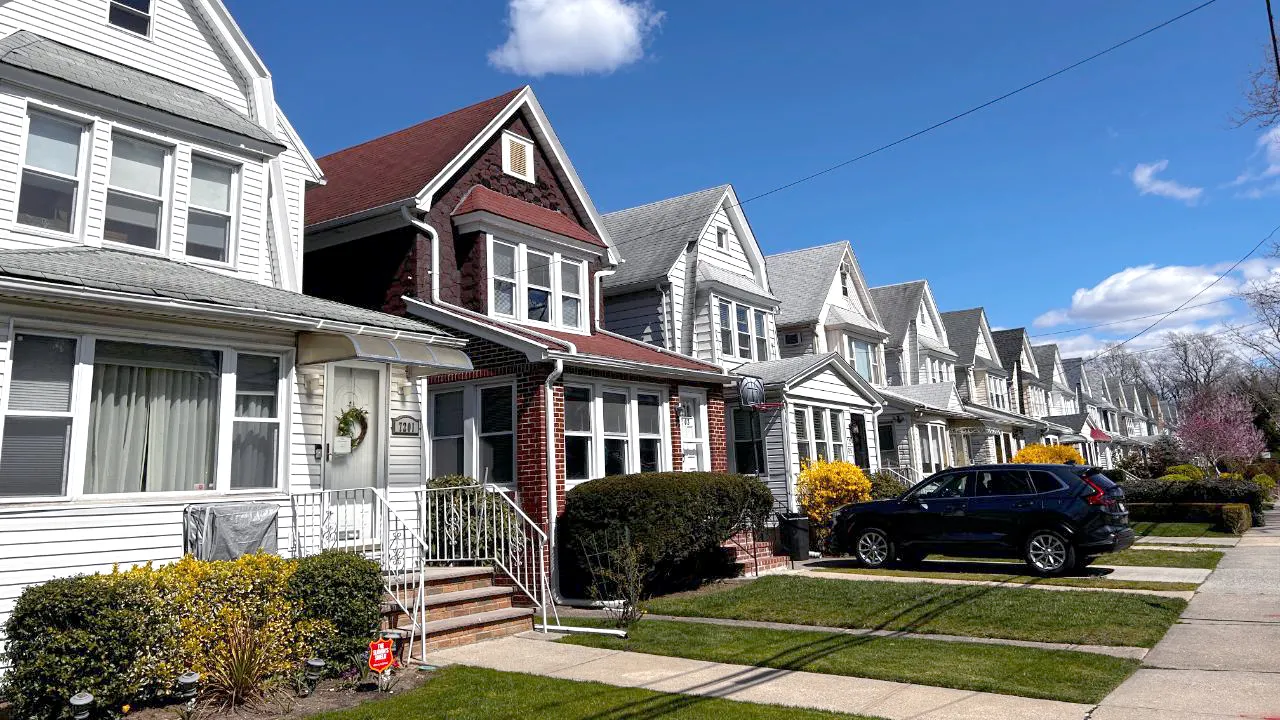
Homes in the Queens borough of New York City.(Lindsey Nicholson/UCG/Universal Images Group via Getty Images)
The effective tax rate for property taxes exhibits significant variation across states, with the latest report finding that the highest effective tax rates for single-family homes are predominantly concentrated in the Northeast. This regional disparity has profound implications for housing affordability, migration patterns, and investment strategies.
New Jersey continues to lead the nation with an effective tax rate of 1.58%, coupled with a median home price of $544,450. This high burden can deter potential buyers, impact mortgage qualification, and contribute to homeowner equity erosion. Vermont follows closely with a 1.4% effective tax rate, and Connecticut at 1.36%, both with median home prices hovering around $500,000. New Hampshire’s effective tax rate stands at 1.29% based on a $587,450 median home price, whileNew Yorkregisters a 1.23% effective tax rate alongside a significantly higher median home price of $672,000. These states, characterized by dense populations, mature infrastructure, and often higher public service expectations, typically rely heavily on property taxes to fund their substantial municipal budgets.
MAJOR US CITY OFFERS CASH INCENTIVES TO SPARK GROWTH, ATTRACT NEWCOMERS

Some states with lower median home prices also faced higher relative property tax burdens.(Angus Mordant/Bloomberg via Getty Images)
Interestingly, several states with comparatively lower median home prices also rank among those with the highest effective property tax rates.Ohio’seffective rate is 1.32%, while Iowa at 1.25%, Pennsylvania at 1.24%, and Nebraska at 1.24% round out the top 10. These states exhibit median home prices ranging between $272,000 and $345,000. For homeowners in these regions, the relatively lower home values mean that a higher percentage of their home’s worth is consumed by property taxes, disproportionately impacting affordability and potentially limiting upward mobility within the housing market. This dynamic can also influence the appeal for real estate investors seeking rental income, as higher taxes can compress net operating income.
Conversely, states with the lowest effective tax rates often present attractive alternatives for homebuyers and investors, though median home prices can vary widely.Hawaiiboasts the lowest effective tax rate at a mere 0.33%, despite having a formidable median home value of $747,545. This low rate, alongside high property values, positions Hawaii as an outlier, potentially attractive to ultra-high-net-worth individuals, but still challenging for the average buyer due to sticker shock. Other Western states also feature similarly low effective tax rates coupled with higher home prices, including Idaho (0.39%), Wyoming (0.4%),Arizona(0.43%), Utah (0.48%) and Nevada (0.52%). Their median home prices range between $444,000 and $575,000. These regions, often experiencing strong population growth and relatively newer infrastructure, may leverage other tax revenue streams or maintain leaner public services, leading to lower property tax burdens. This makes them appealing for those seeking greater purchasing power and lower ongoing housing costs.
HOUSING MARKET GAINING MOMENTUM AS SPRING SEASON BEGINS
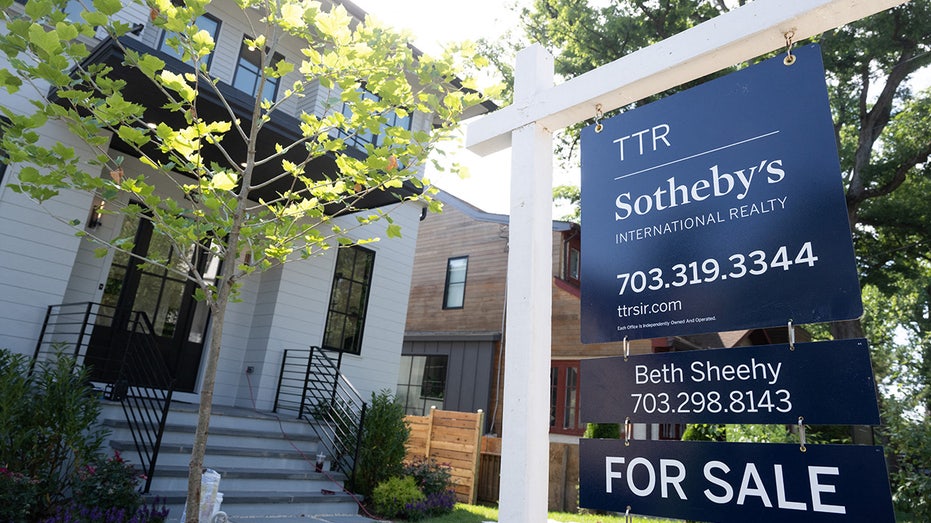
States in the West tended to have lower relative property tax burdens.(Saul Loeb/AFP via Getty Images.)
Two Southern states also stand out for their relatively lower property tax burdens. Alabama’s effective tax rate is 0.43% with a median home price of $333,675, whileTennesseehas a 0.5% effective rate with a median of $425,250. These states, often characterized by lower costs of living and a focus on economic development, can attract residents and businesses seeking more favorable tax environments. Delaware, with a 0.48% effective tax rate and a median home price just shy of $500,000, stands as a regional outlier in the Northeast, offering a more palatable tax burden compared to its neighbors. Finally, West Virginia also reported a 0.48% effective tax rate, accompanied by the lowest median home price in the entire dataset at $249,750, making it an exceptionally affordable option for homeowners.
The trend of rising property taxes, even as home values stabilize or slightly decline, points to a persistent affordability challenge across much of the U.S. This isn’t merely a homeowner’s issue but a critical economic indicator, reflecting municipal fiscal health, demographic shifts, and the long-term sustainability of real estate markets. As local governments contend with inflation and the need for robust public services, the reliance on property taxes will likely continue to reshape regional attractiveness for both residents and investors.
GET FOX BUSINESS ON THE GO BY CLICKING HERE
Market Impact
The projected increase in effective property tax rates for 2025, particularly against a backdrop of stabilizing or marginally declining home values, carries significant market implications. For homeowners, this translates to reduced disposable income, potentially dampening consumer spending and increasing financial strain, especially for those on fixed incomes. In the broader real estate market, higher property taxes can impact affordability metrics, potentially slowing transaction volumes and influencing migration patterns as buyers and investors seek regions with more favorable tax environments. This could lead to sustained demand in low-tax states and increased pressure on home values and rental yields in high-tax areas. Investors, including institutional funds and individual landlords, must factor these rising operational costs into their pro forma analyses, potentially leading to adjustments in acquisition strategies, rental pricing, and overall portfolio allocations. Furthermore, municipal bond markets may see continued stability as local governments’ revenue streams are bolstered, but the underlying economic pressure on residents could pose long-term risks to local economic vitality if not managed judiciously. This trend underscores a critical macroeconomic challenge: how to fund essential public services without unduly burdening the very taxpayers who sustain the local economy and housing market.