
Key Takeaways:
- Investor appetite for the commercial space sector is surging, evidenced by a net $14 billion inflow into related funds, signaling strong conviction in the industry’s long-term growth potential.
- The rapid proliferation of new thematic ETFs is democratizing access to this high-growth, high-risk sector, potentially fueling further speculative interest and broadening the investor base.
- While offering the promise of transformative returns, investors must judiciously weigh the inherent risks of nascent technologies, extensive capital expenditure, and prolonged development cycles against ambitious current valuations.
Space Race on Wall Street: Billions Flood Rocket Funds as ETF Providers Chart New Galactic Frontiers
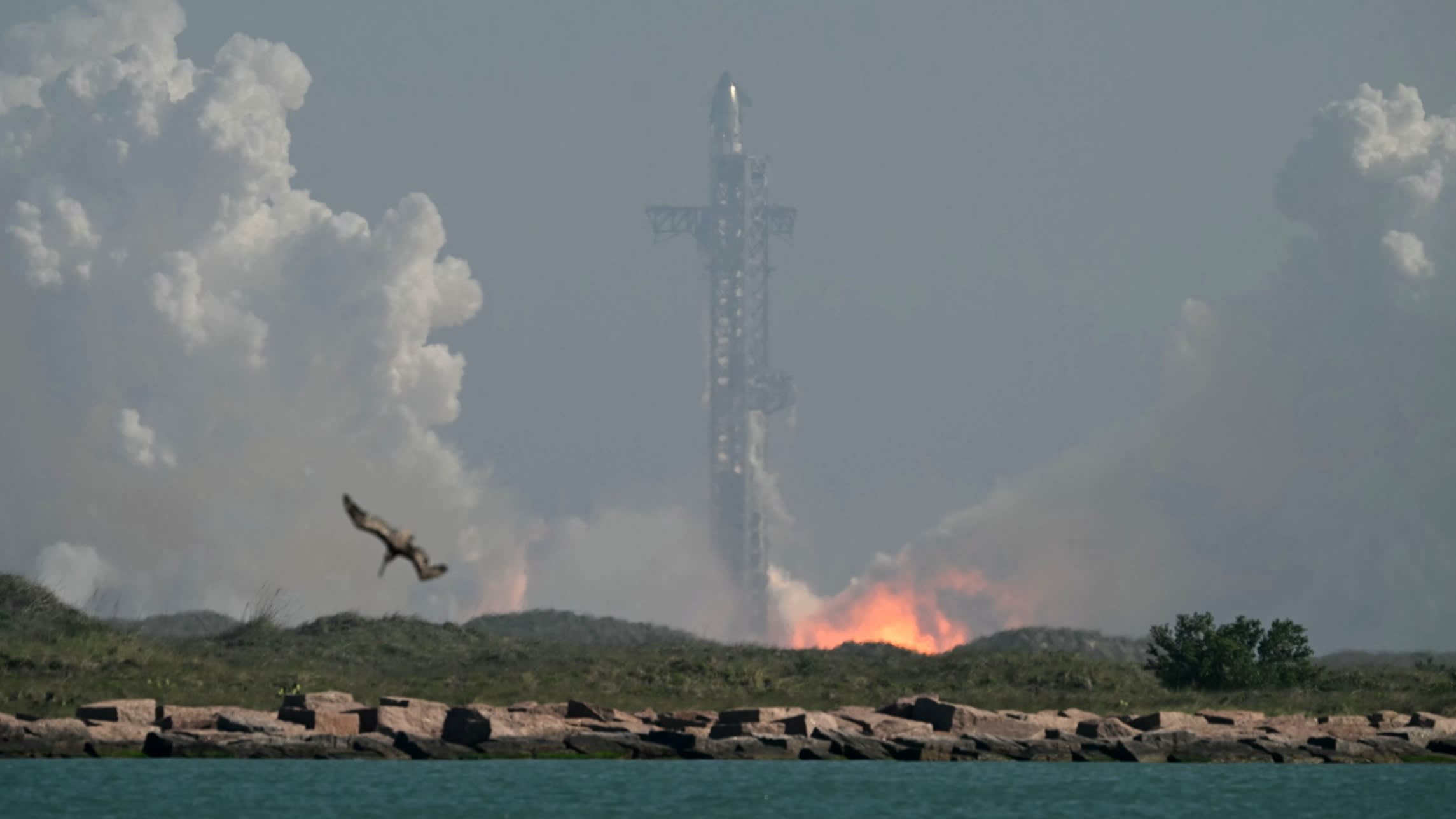
The financial markets are witnessing an accelerated “space race,” not just among private companies vying for orbital supremacy, but also among investors eager to stake their claim in the burgeoning commercial space economy. A staggering net $14 billion has recently poured into funds holding stakes in a prominent rocket company and other space-related ventures, a clear testament to the intensifying investor fascination with the final frontier. This significant capital inflow is occurring concurrently with a surge in activity from ETF providers, who are lining up a wave of new products designed to capture this thematic investment trend.
This substantial capital movement into the space sector is more than just a fleeting fad; it reflects several profound market dynamics. Firstly, it underscores a persistent hunt for growth in an environment where traditional sectors may offer more modest returns. With interest rates having been historically low for an extended period, investors, both institutional and retail, have been increasingly drawn to disruptive technologies and industries promising outsized long-term gains. The commercialization of space, once largely the domain of government agencies, is now viewed as one of the most compelling secular growth stories of the coming decades.
The allure of the space economy extends far beyond just rocket launches. It encompasses a vast ecosystem including satellite broadband, Earth observation and data analytics, in-orbit servicing, space tourism, asteroid mining, and even advanced materials manufacturing in zero gravity. Companies pioneering these areas are seen as front-runners in a market projected to reach trillions of dollars in value. The “rocket company” drawing much of this attention is a bellwether for the broader industry, often leading the charge in technological innovation, cost reduction, and the establishment of new market segments. Its success, or perceived potential for success, acts as a powerful magnet for capital looking to ride the coattails of the next technological revolution.
The concurrent rush by ETF providers to launch new space-focused products further amplifies this trend. Thematic ETFs have become a popular vehicle for investors seeking exposure to specific, high-growth sectors without the complexities of individual stock picking. By offering diversified baskets of companies involved in space exploration, satellite technology, aerospace manufacturing, and related fields, these ETFs democratize access to an otherwise complex and often illiquid investment landscape. They appeal to both retail investors, eager to participate in the excitement, and institutional investors looking for convenient ways to allocate capital to strategic growth themes. This ease of access, however, also carries a caveat; it can sometimes contribute to speculative bubbles, where capital rushes in based on hype rather than fundamental value, especially in nascent sectors.
While the opportunities are vast, the space sector is not without its significant risks. High capital expenditures, prolonged development cycles, and the inherent technical challenges of space travel mean that many companies operate at a loss for years, if not decades, before achieving profitability. Regulatory hurdles, geopolitical instability, and the ever-present risk of mission failure (literal rocket explosions) add layers of idiosyncratic risk that are uncommon in more mature industries. Valuations in this sector are often predicated on highly optimistic future revenue projections, making them particularly sensitive to any operational setbacks or market downturns. The influx of capital, while validating the sector’s potential, also raises questions about whether current valuations adequately price in these considerable risks.
Nevertheless, the long-term drivers for the space economy remain robust. Global demand for high-speed internet, advanced communication capabilities, climate monitoring, and national security applications ensures a steady need for satellite deployments and related services. The decreasing cost of launch and the increasing reusability of rocketry are opening up new commercial possibilities that were previously uneconomical. This confluence of technological advancement, growing demand, and now, abundant capital, suggests that the commercial space sector is poised for a transformative period, albeit one likely accompanied by significant volatility.
Market Impact
The substantial net inflow of $14 billion into funds focused on the space sector, coupled with the rapid expansion of thematic ETFs, will have several profound impacts on capital markets. Firstly, it signals a significant shift in capital allocation, directing substantial sums away from traditional sectors towards high-growth, frontier technologies. This could lead to increased market capitalization and liquidity for publicly traded space companies, and potentially accelerate the pace of IPOs or SPAC mergers for private firms seeking to tap into this investor enthusiasm. Secondly, the proliferation of space-themed ETFs will further democratize access to the sector, drawing in a broader base of retail investors and potentially increasing market volatility as sentiment shifts. This could also lead to sector-specific bubbles if inflows become disproportionate to fundamental growth. Lastly, this trend underscores the growing importance of thematic investing and the power of compelling narratives in driving investment decisions. It may prompt other sectors to better articulate their long-term growth stories and lead to the development of even more niche investment products, further fragmenting market indices and demanding greater discernment from investors and financial advisors alike.