
Key Takeaways:
- Persistent Geopolitical Risk: The failed direct peace overture, mediated by sanctioned oligarch Roman Abramovich, underscores a deeply entrenched geopolitical standoff, signaling continued market uncertainty and sustained risk premiums across energy, commodity, and defense sectors.
- Commodity Market Volatility: Ukraine’s ongoing push for a ceasefire, countered by Russia’s confidence in attrition warfare, suggests prolonged disruptions to critical supply chains, particularly for grain and energy, maintaining upward pressure on prices and volatility in global commodity markets.
- Divergent Economic Strategies: Russia’s reliance on “superior resources” and strategic partnerships (China, North Korea) contrasts with Ukraine’s efforts to leverage battlefield gains for diplomatic advantage, impacting long-term investment attractiveness and global trade dynamics, particularly for European economies.
Kyiv’s Failed Peace Gambit: A Catalyst for Sustained Market Uncertainty
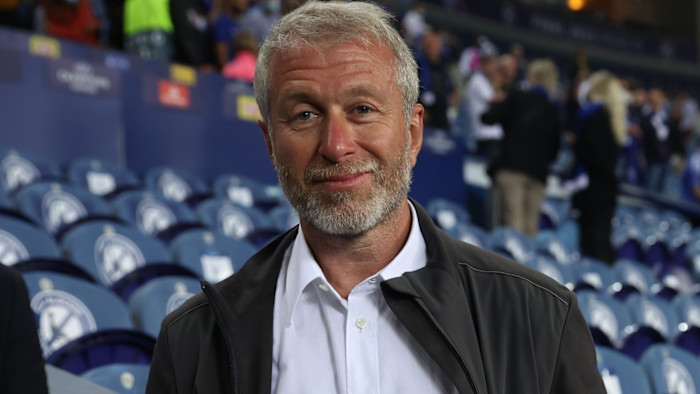
The recent, previously unreported attempt by Ukrainian President Volodymyr Zelenskyy to engage Russian President Vladimir Putin in direct peace talks, facilitated by the sanctioned former Chelsea FC owner Roman Abramovich, serves as a stark reminder of the enduring geopolitical fissures that continue to exert significant pressure on global markets. This high-stakes diplomatic maneuver, which ultimately faltered, highlights the deep-seated complexities of the conflict and the profound implications for investor sentiment, commodity prices, and the broader macroeconomic outlook.
Zelenskyy’s invitation to Abramovich in Kyiv last month, aimed at conveying a message of readiness for a bilateral summit, was a calculated move to demonstrate Ukraine’s seriousness about de-escalation. From a market perspective, such an overture, even if unsuccessful, signals Kyiv’s assessment of the current military equilibrium and its desire to shift the narrative. Ukraine’s perceived success in slowing Russia’s offensive and inflicting damage through long-range strikes is intended to create leverage, theoretically increasing the impetus for an immediate ceasefire. For global investors, any credible path to a cessation of hostilities would represent a significant reduction in geopolitical risk, potentially easing inflation pressures, stabilizing energy markets, and unlocking investment in European reconstruction efforts.
However, Putin’s swift dismissal of the proposal, relayed through Abramovich, underscores Moscow’s unwavering confidence in its long-term strategy of attrition. His statement from the St Petersburg economic conference, where he met “one of the representatives of our business circles” on May 21, indicated no interest in meeting Zelenskyy, viewing any such talks primarily as a means for Ukraine to halt Russia’s military advance. This firm stance signals a prolonged conflict environment, sustaining the elevated geopolitical risk premium that has characterized markets since early 2022. For energy traders, this means continued vigilance over supply routes and potential disruptions, while defense contractors can anticipate sustained demand. Furthermore, Russia’s growing reliance on strategic partners like China and North Korea, as highlighted by Zelenskyy’s public letter, points to a recalibration of global trade and financial flows, impacting commodity markets and supply chain resilience.
The involvement of Roman Abramovich, despite being under international sanctions, is a fascinating and complex dimension with market implications. His continued, albeit unofficial, role in brokering sensitive communications – from the early Istanbul talks and the Black Sea grain deal in 2022, to current prisoner exchanges and aspects of stalled peace plans – suggests that channels of communication, however informal, remain open. For investors, the presence of such intermediaries can be a double-edged sword: it offers a glimmer of hope for future de-escalation, but also highlights the absence of formal diplomatic breakthroughs. The fact that he is considered “the only Russian they will tolerate” speaks volumes about the deep trust deficit between the warring nations, making any swift resolution an unlikely scenario and thus maintaining market uncertainty.
The broader geopolitical landscape further complicates the market outlook. The US, a crucial broker of a potential ceasefire, is currently “distracted by the war in the Middle East,” according to Ukrainian sources. This shift in focus by a major global power invariably impacts the perceived probability of a near-term resolution in Ukraine, leaving markets to grapple with sustained volatility. Similarly, the discussion among EU countries about appointing an envoy to hold talks with Putin, juxtaposed with Putin’s preference for figures like Gerhard Schröder and his dismissal of others, illustrates the deep mistrust and divergent strategic interests that hinder diplomatic progress. This lack of a unified Western diplomatic front, or indeed any credible backchannel that Putin trusts, prolongs the conflict, driving up national debt for supporting countries and delaying economic recovery across the continent.
Zelenskyy’s distinct approach, characterized by a belief in “the magic of his personal charisma at a leadership meeting,” is juxtaposed against Putin’s realpolitik. This fundamental difference in negotiating styles, with Zelenskyy’s “captain’s competition” approach contrasted with Putin’s transactional, power-focused diplomacy, explains much of the current impasse. Zelenskyy’s public letter, which taunted Putin over battlefield setbacks and drone strikes, while explicitly mentioning Russia’s financial strains and reliance on China and North Korea, was seen by Putin as “somewhat rude” and counterproductive to direct engagement. Such public sparring, while serving domestic political purposes, sends clear signals to financial markets about the continued hardening of positions, making any significant de-escalation seem distant and ensuring that geopolitical risk remains a primary determinant of asset valuations.
The economic costs of this prolonged conflict are mounting. Ukraine’s reconstruction needs are immense, requiring substantial international aid and private investment that will only materialize with a durable peace. Russia, despite its vast resources, faces escalating costs of war, compounded by sanctions and the need to reorient its economy eastward. Zelenskyy’s assertion that Putin “will not have enough money or political capital to keep buying the loyalty of Russians” hints at potential long-term economic instability within Russia, which could have ripple effects on energy markets and global trade. The absence of a clear path to peace means continued pressure on European energy prices, increased inflationary risks, and a drag on global economic growth, impacting corporate earnings and investor confidence across a multitude of sectors.
Market Impact:
The failure of Zelenskyy’s direct peace overture via Abramovich reinforces a ‘higher for longer’ geopolitical risk premium across global markets. Expect continued volatility in crude oil and natural gas prices, driven by persistent supply chain anxieties and potential escalations, impacting energy sector profitability and industrial input costs. Defense stocks are likely to maintain their strong performance as military spending remains robust. European equities will continue to trade at a discount due to proximity to the conflict and energy insecurity, while safe-haven assets like gold and the US dollar may see sustained demand during periods of heightened uncertainty. Furthermore, the lack of diplomatic breakthrough impedes the flow of reconstruction capital into Ukraine and maintains a cautious stance among investors towards emerging markets in Eastern Europe, reflecting sustained capital flight concerns and economic headwinds. Currency markets, particularly the Euro and CEE currencies, will remain sensitive to conflict developments and energy price fluctuations, reflecting the intertwined economic and geopolitical stability of the region.