
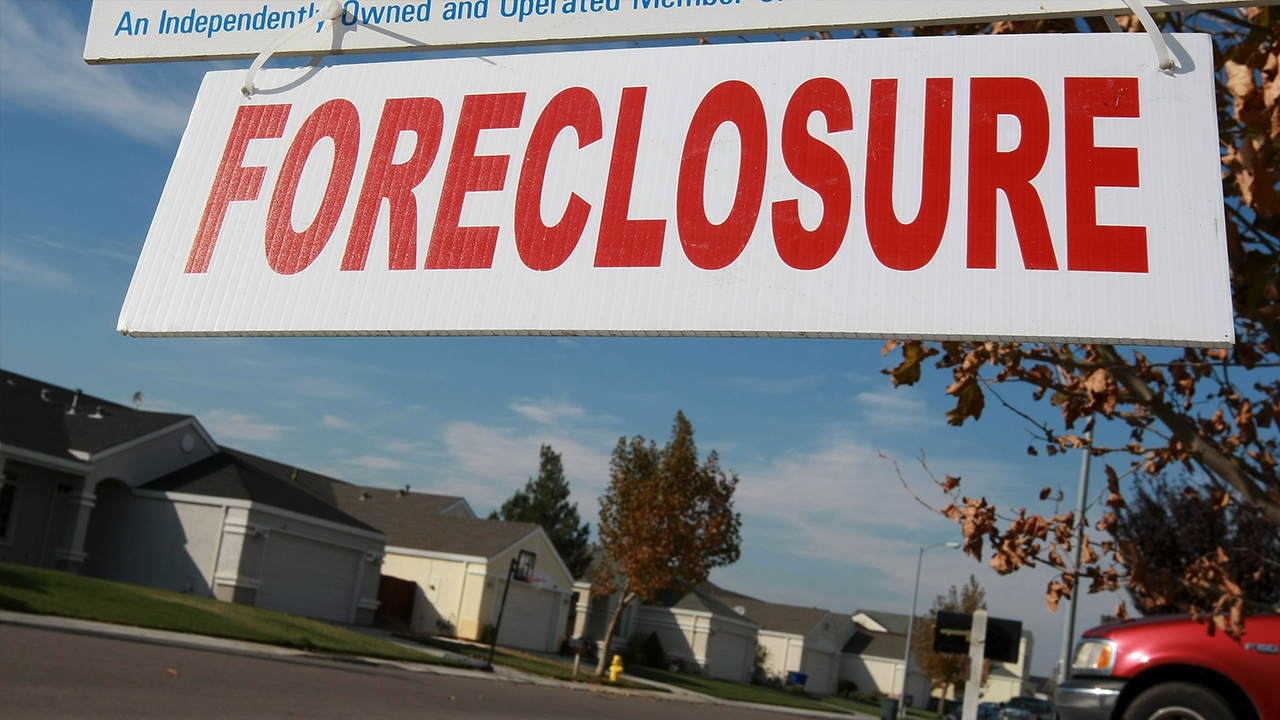
Compass International chairman and CEO Robert Reffkin discusses home inventory and affordability as mortgage rates creep higher on ‘The Claman Countdown.’
Key Takeaways:
- Escalating Financial Stress:The significant rise in HOA-related foreclosures, outpacing overall mortgage foreclosures, signals deepening financial pressures within the housing market, driven by inflation, higher operating costs, and homeowners’ stretched budgets.
- Systemic Underfunding Risk:A substantial majority of HOAs are severely underfunded, creating a precarious financial foundation for communities. This, coupled with soaring insurance and maintenance costs, forces aggressive collection tactics and poses a long-term risk to property values and community stability.
- Increased Scrutiny for Lenders & Buyers:The trend necessitates heightened due diligence for prospective homeowners and lenders alike. The financial health of an HOA, including its reserve funding and collection policies, is becoming a critical factor in property valuation and mortgage risk assessment.
Homeowners associations (HOAs) across the nation are reportedly taking a tougher stance on unpaid dues, pursuing foreclosure against more homeowners as communities grapple with mounting financial pressures. This intensified enforcement isn’t just a local administrative issue; it reflects broader economic headwinds impacting the residential real estate market, from persistent inflation and elevated interest rates to stretched consumer finances. The once-quiet administrative arm of community living is now emerging as a potent force in the housing market’s financial landscape, with significant implications for property values, lender risk, and individual homeowner equity.
Real estate experts say the aggressive collection efforts are being driven by a perfect storm of rising operating costs, critically shrinking reserve funds, and a palpable concern that unpaid assessments could leave associations unable to cover essential expenses, potentially leading to property degradation and a decline in community value. For investors and homeowners, this signals an evolving risk profile for properties within HOA-governed communities, demanding a more forensic examination of an association’s financial health.
According to real estate analytics firm ATTOM, HOA-related foreclosures jumped nearly 40% compared with two years earlier, a stark indicator of mounting financial distress in these communities. The Wall Street Journal further reported that HOA foreclosures are rising faster than overall mortgage foreclosure rates, suggesting a unique and perhaps more vulnerable segment of the housing market is under significant pressure. This divergence warrants close attention from market observers, as it could point to specific liquidity issues among homeowners or structural financial weaknesses within HOAs themselves, rather than merely reflecting broader economic downturns.
“HOAs are being forced into more aggressive collections to avoid their own financial collapse,” Brian Fox, co-founder of real estate technology firm Benutech, which tracks HOA delinquency trends and foreclosures, told WSJ. This sentiment underscores a critical shift from community amenity provider to a stringent financial enforcer, a change that can have profound implications for residents and property values alike, potentially impacting market liquidity and investor confidence in these segments.
AVERAGE MONTHLY MORTGAGE PAYMENT HITS NEW HIGH, TOPPING $2K FOR FIRST TIME EVER
An aerial view of large Victorian houses in Friendship, a neighborhood in the East End of Pittsburgh, Pennsylvania, on a sunny morning in the fall.(Getty Images / Getty Images)
HOAs typically rely on monthly or annual dues from residents to fund maintenance, repairs, insurance, landscaping, and other crucial community services. However, as some homeowners struggle with higher living costs, elevated mortgage rates, and general inflationary pressures eroding disposable income, more associations are facing a rapid rise in delinquent accounts. This creates a challenging paradox: homeowners, already financially strained, face increasing pressure from HOAs, which themselves are battling escalating costs, creating a feedback loop that exacerbates market instability.
Rather than offering extended grace periods, which once might have been common, some associations are now moving delinquent accounts to attorneys more quickly or filing liens against homeowners who fall behind on assessments. This accelerated legal action indicates a shift in risk management strategy, where HOAs prioritize financial solvency over leniency, driven by the imperative to maintain services and protect the collective asset value. This “no-tolerance” approach shortens the runway for homeowners to recover financially and increases the probability of legal action.
The crackdown is affecting communities ranging from suburban condominium complexes to luxury neighborhoods, indicating that financial vulnerability is not confined to specific demographics but is a pervasive issue across diverse housing segments. This suggests a broad-based economic squeeze on homeowners, regardless of income bracket, reflecting the widespread impact of inflation and rising interest rates on household budgets.
CALIFORNIA BUILT MORE HOMES THAN PEOPLE OVER SIX YEARS – SO WHY IS HOUSING STILL SO TIGHT?
Some Georgia residents are speaking out after facing the wrath of their local homeowner associations (HOA), with some people having their homes foreclosed on them.(Getty Images / Getty Images)
Benutech Data Insights found that homeowner associations have filed a sharp increase in liens, which are legal claims placed on a property when a homeowner falls behind on assessments, fees, or fines. In many states, unpaid liens can eventually lead to foreclosure, posing a significant threat to a homeowner’s equity and financial stability. For lenders, these liens represent potential junior encumbrances that could complicate future foreclosures or even take precedence over a first mortgage in certain jurisdictions, significantly elevating their risk exposure and potentially impacting mortgage-backed securities markets.
In 2025, HOAs reportedly filed 284,933 liens against homeowners, roughly one every 90 seconds. That figure represents an 8.6% increase from 2024, according to property records compiled by Benutech Data Insights. This accelerating pace of lien filings is a potent indicator of the escalating financial friction between HOAs and their members, and a leading indicator of potential future foreclosures that could impact local housing markets by increasing distressed inventory and potentially depressing prices.
Financial strain has also intensified within homeowner associations themselves, creating a vicious cycle. A late-2025 report by Reserve Study found that nearly three-quarters of association-governed communities are underfunded. Specifically, 74% of associations were less than 70% funded, meaning they may not have sufficient reserve savings to pay for expected repairs and capital projects. This underfunding is a ticking time bomb for property values and community infrastructure, as deferred maintenance inevitably leads to larger, more costly repairs down the line, potentially necessitating massive special assessments or further exacerbating financial distress, making these properties less attractive to buyers and investors.
At the same time, HOAs have been hit with rising costs for staffing, landscaping, maintenance, and building materials – all direct consequences of persistent inflation. These operational cost increases erode an HOA’s budget, making it harder to maintain reserves and putting immense pressure on assessment levels, which in turn fuels homeowner delinquency. This escalating cost structure poses a significant challenge to the long-term financial viability of many HOA-governed communities.

Residential homes in suburban sprawl development in North Port, Florida. Low-density private houses in rural suburbs. Housing market in the USA. (Bilanol / Getty Images)
GET FOX BUSINESS ON THE GO BY CLICKING HERE
Insurance has become one of the biggest cost drivers, representing a significant headwind for HOAs nationwide. According to the Foundation for Community Association Research, 93% of surveyed associations reported increases in property and casualty insurance premiums. More than half those premiums rose between 11% and 25%, while about 10% reported increases exceeding 100%. These astronomical premium hikes, often attributed to increasing climate-related risks, higher rebuilding costs, and a hardening insurance market, add further unprecedented pressure on HOA budgets and directly increase the urgency for associations to collect assessments from homeowners on time. Failure to secure adequate insurance can lead to catastrophic financial losses in the event of damage, making premium payments a non-negotiable expense that directly impacts an HOA’s solvency and, by extension, property values.
Market Impact:
The escalating trend of HOA foreclosures and aggressive collection practices carries significant implications for the broader real estate market and financial ecosystem. Forhomeowners, particularly those in HOA-governed communities, it signifies an elevated financial risk, where even modest delinquencies can quickly escalate to property liens and the potential loss of their home and accumulated equity. This dynamic, coupled with rising living costs, could further dampen consumer confidence in certain housing segments and contribute to financial fragility. Formortgage lenders and financial institutions, this trend introduces a new layer of risk assessment. The increasing prevalence of HOA liens and foreclosures, which in some states can take precedence over a first mortgage, necessitates enhanced due diligence on the financial health and collection policies of HOAs. This could lead to stricter lending criteria, higher costs for loans in communities deemed high-risk, or even adjustments in portfolio management strategies for mortgage-backed securities.Real estate investors and developersmust also contend with these factors; the financial stability and operational integrity of an HOA can directly impact property values, resale liquidity, and the overall attractiveness of a development. A wave of HOA-driven foreclosures could depress local market values, increase distressed inventory, and signal systemic vulnerabilities that merit closer examination by regulators and industry stakeholders. Ultimately, the tightening grip of HOAs on delinquent accounts is a symptom of wider economic strain, adding complexity and potential instability to an already intricate housing market, particularly in regions with a high concentration of HOA-governed properties.