
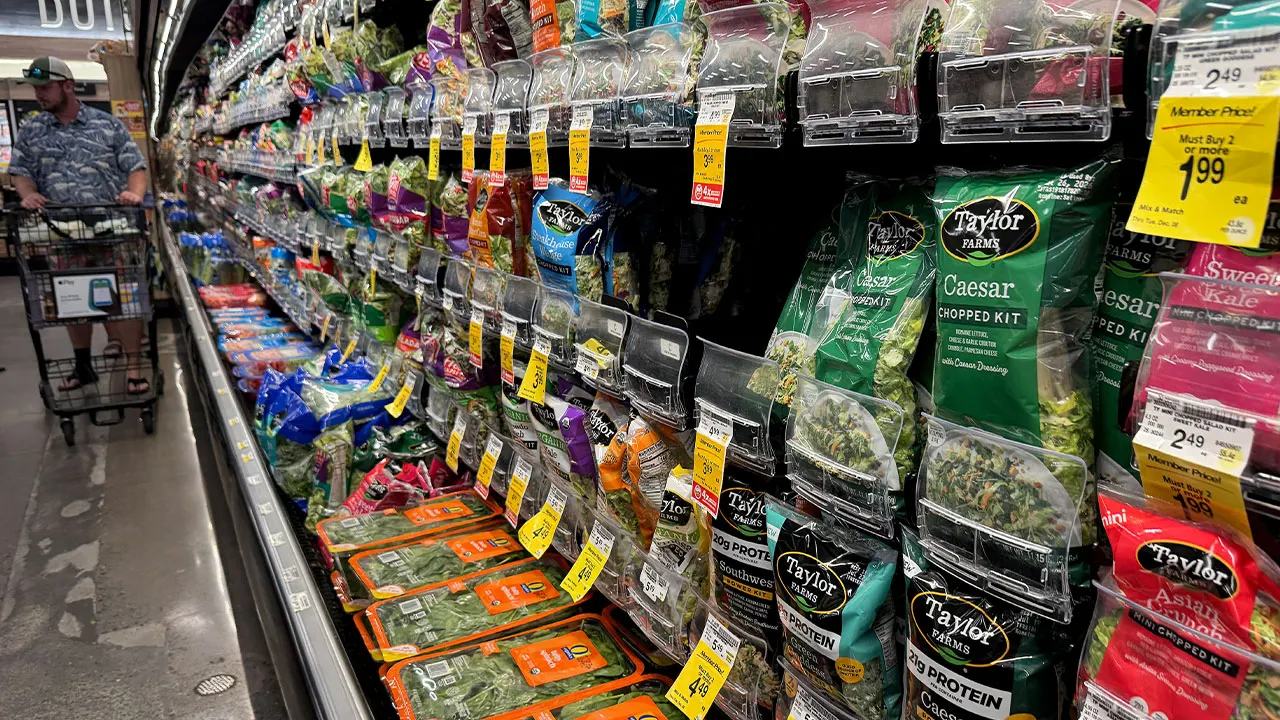
The Marzetti Company President and CEO Dave Ciesinski discusses how the cyclospora outbreak has affected the salad mix and dressing business and inflation on ‘The Claman Countdown.’
### Key Takeaways
1. **Supply Chain Vulnerability & Inflationary Pressure:** The Cyclospora outbreak exposes the fragility of global fresh produce supply chains, particularly reliance on single-source regions, leading to potential significant inflationary pressures on consumer staples as companies scramble to diversify sourcing and absorb increased compliance costs.
2. **Reputational & Operational Blow to Taylor Farms:** As a leading provider of fresh-cut produce, Taylor Farms faces a substantial challenge to its brand equity and operational efficiency, necessitating significant investment in enhanced food safety protocols and supplier oversight to regain consumer and retail partner trust.
3. **Heightened Regulatory Scrutiny & Industry-Wide Compliance Costs:** The scale of this outbreak will likely trigger intensified FDA scrutiny and potentially new food safety regulations, imposing higher compliance costs across the fresh produce sector and driving investment in advanced traceability and testing technologies.
—
**FDA Concludes Cyclospora Probe: A Deep Dive into Market Implications for Fresh Produce**
The Food and Drug Administration (FDA) announced Friday the conclusion of its extensive investigation into one of the largest foodborne illness events in recent U.S. history: the Cyclospora outbreak. The agency found “strong” evidence linking the thousands of infections to recalled iceberg lettuce from Taylor Farms de Mexico. This announcement, while bringing closure to the immediate public health crisis, opens a new chapter of scrutiny and financial re-evaluation for the fresh produce industry, supply chain logistics, and consumer packaged goods (CPG) companies.
The cyclosporiasis outbreak, which saw more than 12,800 cases across 21 states and hundreds of hospitalizations, along with two related deaths in Michigan, sent ripples of concern through the market. For a sector already grappling with thin margins and complex logistics, a food safety crisis of this magnitude carries profound economic consequences, from direct recall costs to long-term brand erosion and potential shifts in consumer purchasing behavior. The Marzetti Company President and CEO Dave Ciesinski, in an earlier discussion on ‘The Claman Countdown,’ highlighted how such outbreaks invariably affect the broader salad mix and dressing business, often exacerbating existing inflationary pressures due to supply disruptions and increased operational overheads.
The financial repercussions for Taylor Farms de Mexico, a critical node in the North American fresh produce supply chain, are substantial. The company initiated a massive voluntary recall in July, pulling all iceberg lettuce sourced from central Mexico from U.S. shelves. Such recalls are not merely logistical challenges; they represent significant financial drains, encompassing product retrieval, disposal, potential legal liabilities, and the immense cost of lost sales and damaged goodwill. For a private entity like Taylor Fresh Foods, the parent company, the immediate financial impact might be absorbed internally, but the long-term erosion of trust among major retail partners and consumers can have a lasting detrimental effect on market share and profitability.
Packages of Taylor Farms salad greens are displayed at a Safeway store in Kings Beach, California, on July 16, 2026.(Justin Sullivan/Getty Images / Getty Images)
Following the initial recall, the FDA’s onsite inspections in Mexico and subsequent traceback investigation yielded critical findings. The agency identified multiple farms and a processing facility in Mexico that supplied the recalled shredded lettuce. Crucially, two environmental samples tested positive for Cyclospora: one from a tank holding outgoing wastewater from the company’s processing facility, and another from a drainage ditch at an iceberg lettuce farm. While the FDA could not conclusively pinpoint the exact mechanism of contamination, these findings “strongly suggested” the outbreak’s link to Taylor Farms de Mexico’s lettuce.
From a market perspective, this highlights inherent vulnerabilities in the “farm-to-fork” traceability systems that underpin global food supply chains. Despite technological advancements, ensuring absolute safety across vast agricultural operations, especially those spanning international borders, remains a formidable challenge. Companies like Taylor Farms, which rely on extensive networks of growers, face the complex task of enforcing stringent food safety standards across diverse partners, often in varying regulatory environments. The cost of enhanced traceability solutions, stricter supplier audits, and real-time pathogen detection technologies will inevitably rise, pushing operational expenditures higher across the industry.

A drone view shows the fields near the installations of U.S. supplier Taylor Farms, following the temporary closure announced by Taylor Farms, in Doctor Mora, Guanajuato state, Mexico, July 24, 2026. (REUTERS/Daniel Becerril / Reuters)
The statement from Taylor Fresh Foods’ spokesperson, confirming the independent grower with a positive sample is no longer part of their program and noting the sample from discharged waste was “outside of our processing facility,” underscores the intricate legal and operational dance following such an event. While aimed at damage control and asserting due diligence, it also illustrates the fragmented nature of responsibility in a complex supply chain. The implication for the broader market is a likely push for more integrated and vertically controlled farming operations, or at least a significant increase in the contractual obligations and auditing requirements for third-party growers. This could lead to consolidation in the agricultural sector, favoring larger players with the resources to meet heightened safety standards.
For consumers, the psychological impact of such widespread foodborne illness events cannot be overstated. A significant portion of the fresh produce market, particularly ready-to-eat salads, relies heavily on convenience and perceived health benefits. When safety is compromised, consumer confidence plummets, potentially shifting demand towards other food categories or triggering a preference for locally sourced, “farmer’s market” type produce, which is often more expensive. Retailers like Safeway and Publix, who stock these products, bear the brunt of public distrust and face the challenge of reassuring their customer base while managing inventory and supplier relationships.
**Market Impact**
The conclusion of the FDA’s Cyclospora investigation, while closing a chapter on a major public health scare, opens a new one for the financial landscape of the fresh produce industry. Companies like Taylor Farms will need to undertake significant investments in food safety infrastructure, supplier vetting, and enhanced traceability technologies to restore brand equity and secure their market position. This push for heightened safety will inevitably lead to increased operational costs across the sector, which may translate into higher prices for consumers, further contributing to food inflation. The incident also underscores the critical need for diversification in sourcing strategies to mitigate risks associated with reliance on single geographic regions or specific growers. Regulators, emboldened by the scale of this outbreak, are likely to impose stricter compliance measures, potentially reshaping trade agreements and import protocols for agricultural products. Ultimately, the market will witness a continued premium placed on transparent, secure, and resilient supply chains, driving innovation in food safety technology and potentially accelerating consolidation among producers who can afford to meet these evolving demands.
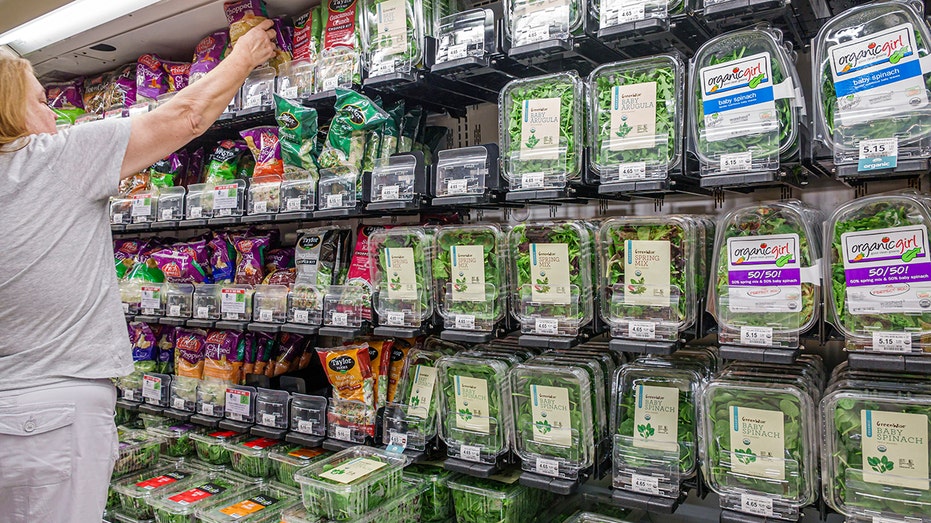
The produce section at a Publix in Miami Beach, Florida.(Jeffrey Greenberg/Universal Images Group via Getty Images / Getty Images)
FOX Business has reached out to Taylor Farms for comment. The FDA has expressed confidence that all recalled iceberg lettuce linked to the outbreak is out of the U.S. market, and the Centers for Disease Control and Prevention (CDC) declared the outbreak over on Sept. 11. However, the lasting financial and operational lessons from this event will continue to resonate across the agri-food complex. Cyclospora, a single-celled parasite causing symptoms from stomach cramps to fatigue, serves as a potent reminder of the invisible risks inherent in our global food system and the constant vigilance required from producers, regulators, and consumers alike.