
Key Takeaways:
- Shifting Consumer Discretionary Spending:Gen Z’s embrace of traditional, in-person games like Mahjong signals a notable shift in discretionary spending patterns, favoring experiential social engagement and tangible hobbies over digital consumption or high-cost nightlife.
- Growth in the “Analog” and “Experience” Economies:This resurgence underscores increasing market demand for non-digital recreational platforms and community-focused activities, creating opportunities for local businesses, niche retailers, and event organizers in the burgeoning “experience economy” and “analog revival.”
- Valuation of Social Capital and Mental Wellness:Beyond entertainment, the trend reflects Gen Z’s strategic investment in social capital and mental well-being through genuine human connection, influencing the growth of industries that facilitate community building and digital detox.
FOX Business’ Lydia Hu reports on the surprising resurgence of the 200-year-old tile-based game, Mahjong, finding Gen Z embracing the classic activity.
In a surprising twist for market analysts tracking consumer behavior, Mahjong, a centuries-old tile game with deep roots in Chinese culture, is not just surviving but thriving, finding a vibrant new audience among younger Americans. This demographic, often synonymous with digital natives and ephemeral trends, is increasingly swapping nights out and endless scrolling for face-to-face competition around the Mahjong table. Across the country, clubs, social groups, and tournaments are drawing newcomers who see the game as more than just a hobby; it has become a strategic investment in building friendships, fostering community, and actively disconnecting from the pervasive digital sphere.
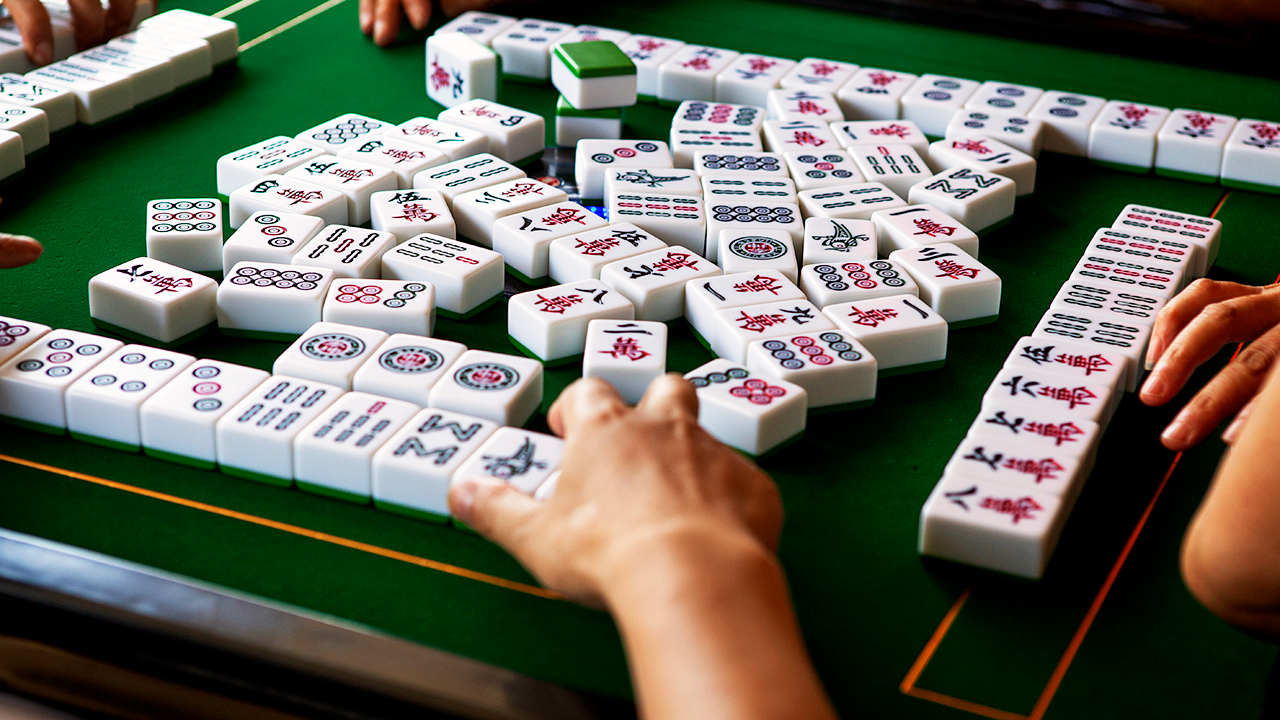
Mahjong, a centuries-old tile game, is seeing a surge in popularity among Gen Z players looking for screen-free social activities.(RAWFILE REDUX 2 / Getty Images)
FOX Business’ Lydia Hu, reporting on “Mornings with Maria,” explored this fascinating market phenomenon, speaking with players at a recent mahjong tournament about the underlying drivers of this growing interest among Gen Z. The narrative emerging is one of conscious consumer choice, where the value proposition extends far beyond mere entertainment to encompass social capital and mental wellness.
While the aesthetic appeal of colorful, modern mahjong sets has undoubtedly captured attention on social media platforms – a testament to clever marketing and product design adapting to contemporary tastes – many players emphasize that the game’s most significant draw is the tangible community that forms around the table. This isn’t just about playing; it’s about belonging. One player described the atmosphere by saying, “One of the things I love about this community is we are celebratorily competitive… When someone wins a big hand, everyone will kind of cheer.” This communal celebration of success and shared experience stands in stark contrast to the often isolating nature of online interactions, representing a significant shift in how Gen Z is choosing to allocate their leisure time and disposable income.
MikeRoweWorks Foundation CEO Mike Rowe joins ‘Varney & Co.’ to discuss the growing trend of Gen Z pursuing trade-based careers and why the U.S. urgently needs more skilled labor to support the economy.
This embrace of Mahjong aligns with broader economic and sociological trends observed within Gen Z. As Mike Rowe of the MikeRoweWorks Foundation has discussed, there’s a growing inclination towards tangible skills and practical engagement, mirroring the surge in trade-based careers. Similarly, Mahjong, with its blend of strategy and tactile engagement, offers a different kind of skill development and mental exercise. Furthermore, the game’s appeal resonates with the ‘loud budgeting’ trend highlighted by Mary Julia Koch from The Wall Street Journal, where young Americans are increasingly transparent about financially prudent choices. Mahjong offers an often more affordable and sustainable form of entertainment compared to frequent dining out or expensive nightlife, making it an attractive option for a generation acutely aware of their financial habits.
Others echoed the sentiment, citing the compelling combination of strategy, luck, and genuine human interaction as key drivers. “People are really looking for in-person connections and just activities that also don’t involve drinking or eating or being on your phone,” another player noted. This desire for ‘screen-free’ engagement signals a potential deceleration in spending on purely digital entertainment or app-based experiences, redirecting capital towards analog alternatives and fostering a micro-economy around local gathering spaces and community events.
The Wall Street Journal Free Expression associate editor Mary Julia Koch joins ‘Varney & Co.’ to discuss the rise of Gen Z’s ‘loud budgeting’ trend, why young Americans are drinking less and how AI fears are shaping financial habits.
The game’s welcoming nature is also a significant factor fueling its rapid growth and market penetration. New players are seamlessly joining experienced competitors, lowering the barrier to entry and expanding the potential market. One tournament participant perfectly encapsulated this accessibility: “I just won my first hand after learning the rules yesterday, so I’m feeling pretty good.” This ease of learning, coupled with the immediate reward of participation, makes Mahjong highly attractive to a generation seeking engaging yet approachable social activities.
GEN Z BREAKS ULTIMATE TABOO BY POSTING SALARIES ONLINE
GEN Z SHOPPERS HELPING REVIVE AMERICA’S MALLS WITH PUSH FOR IN-PERSON EXPERIENCES
Hu also shared the poignant story behind her father’s vintage mahjong set, which he brought with him when he immigrated from Taiwan decades ago. This family heirloom became a conversation starter at the tournament, highlighting how a traditional game continues to connect generations while simultaneously creating new friendships. From a market perspective, this generational bridge could unlock opportunities for specialized retailers dealing in vintage or collectible sets, appealing to the growing interest in items with historical and cultural provenance. It suggests a niche but valuable market for authenticity and heritage in the leisure sector, complementing the modern, design-forward sets attracting new players.
The Mahjong resurgence is more than just a passing fad; it’s a telling indicator of evolving consumer preferences within a crucial demographic. It reflects a strategic re-prioritization of in-person interactions, community building, and mental well-being over purely digital or often isolating forms of entertainment. This shift has broader implications for various sectors, from the retail of games and hobbies to the hospitality industry catering to social gatherings, and even the digital advertising landscape as screen time begins to face competition from tangible, analog alternatives.
CLICK HERE TO DOWNLOAD THE FOX NEWS APP
Market Impact
The surging popularity of Mahjong among Gen Z signals a significant re-allocation of consumer discretionary spending, with potential ripple effects across several market sectors. The “analog revival” bolsters the tabletop gaming industry, driving sales of Mahjong sets (both contemporary and vintage), accessories, and related merchandise. Furthermore, the demand for in-person social activities creates growth opportunities for local businesses such as cafes, community centers, and dedicated game lounges that host tournaments and clubs, stimulating local economies. This trend could also lead to a minor deceleration in spending on certain digital entertainment subscriptions or app-based leisure activities as Gen Z actively seeks digital detox. For the hospitality and events sector, it creates a new niche for organizing Mahjong-themed gatherings and corporate team-building events. Ultimately, this movement highlights Gen Z’s strategic investment in social capital and mental wellness, making businesses that facilitate genuine human connection and offer accessible, screen-free experiences increasingly attractive prospects for investors and entrepreneurs.