
Check out what’s clicking on FoxBusiness.com.
**Key Takeaways:**
1. **Critical Safety Recall for Flagship EV:** Kia is recalling over 21,000 EV9 electric SUVs due to a critical Occupant Detection System (ODS) defect that may fail to deactivate the front passenger airbag for children or child restraints, significantly increasing injury risk.
2. **Mounting Quality Concerns Impacting Brand Equity:** This is the second high-profile recall for Kia in recent months, following a major Telluride SUV fire risk issue, raising concerns about the automaker’s quality control processes and potentially eroding consumer confidence in its rapidly expanding EV portfolio.
3. **Market Scrutiny on EV Safety & Innovation:** The incident highlights the persistent challenges automakers face in balancing rapid technological innovation in the EV sector with stringent safety standards, potentially influencing investor sentiment and competitive dynamics within the global electric vehicle market.
—
**Kia’s EV9 Faces Significant Airbag Recall Amid Intensified Market Scrutiny**
Seoul, South Korea – Kia, a prominent player in the global automotive landscape and an ambitious contender in the electric vehicle (EV) market, is facing fresh scrutiny following the announcement of a significant safety recall for its highly anticipated EV9 electric SUV. This latest recall, impacting more than 21,000 units of the 2025 and 2026 model years, centers on a critical flaw in the vehicle’s Occupant Detection System (ODS), which could lead to severe consequences for the youngest passengers.
The recall specifically targets 21,290 Kia EV9 SUVs, a model that represents Kia’s bold foray into the premium, family-oriented EV segment. According to documents filed with the National Highway Traffic Safety Administration (NHTSA), the ODS may fail to properly deactivate the front passenger airbag when a child or a child restraint system is present in the seat. This malfunction poses a grave safety risk, as an airbag deploying with full force in such circumstances can cause serious, even fatal, injuries to a child in a crash, contrary to established safety protocols designed to prevent such incidents.
This defect means the affected vehicles are out of compliance with stringent federal motor vehicle safety standards, underscoring a lapse in critical safety assurance for a brand that has been aggressively marketing its EVs for their advanced technology and family-friendly appeal. For consumers, the warning signs could include an airbag warning light illuminating on the instrument cluster or, more subtly, a seatbelt reminder chime sounding even when the front passenger seat is empty, signaling a potential misreading by the ODS.
While Kia has not disclosed any awareness of injuries directly linked to this specific issue, the proactive recall underscores the severity of the potential risk. The automaker has issued an immediate cautionary advisory to EV9 owners, strongly recommending against installing child restraint systems in the front passenger seat and reiterating that children aged 13 and younger should always ride in the rear seats. This advice, while standard safety practice, takes on heightened urgency given the documented defect.
From a market perspective, this recall is more than just a logistical headache for Kia; it’s a reputational challenge at a pivotal moment for the brand. The EV9 is not just another model; it’s a cornerstone of Kia’s “Plan S” strategy, aiming to establish leadership in the sustainable mobility solutions space. Positioned as a direct competitor to high-end electric SUVs from Tesla, Mercedes-Benz, and Rivian, the EV9’s success is crucial for Kia’s long-term EV market share growth. A safety recall of this magnitude for a brand-new, high-profile EV can significantly dent consumer confidence, particularly among families for whom safety is a paramount purchasing criterion.
The proposed remedy involves Kia dealerships inspecting affected vehicles and, if necessary, replacing the ODS mat and bladder tube with new components. Dealers will also ensure proper routing of these critical parts, with all repairs to be performed free of charge. Kia expects to commence mailing notification letters to affected owners around October 20, providing a critical window for owners to schedule necessary repairs. Vehicle identification numbers (VINs) covered by this latest EV9 recall are anticipated to be searchable on NHTSA’s official recall website starting September 4, allowing owners to confirm their vehicle’s status.
This incident gains further weight when viewed in the context of Kia’s recent quality control challenges. Just a few months prior, in July, the company initiated another substantial recall involving more than 460,000 Telluride SUVs from the 2020 through 2024 model years. That recall was prompted by a fire risk originating from a front power seat switch, an issue so severe that owners were advised to park their vehicles outdoors and away from other structures. This previous recall was particularly concerning as it was a *re-recall*, indicating that an earlier repair attempt had failed to adequately resolve the underlying problem.
The cumulative effect of these successive, high-volume recalls across different model lines raises serious questions about Kia’s internal quality assurance processes and its ability to manage complex safety systems, especially as it navigates the rapid technological shifts inherent in EV development. For investors, such recurrent safety issues can signal deeper systemic problems, potentially impacting future sales projections, R&D budgets, and ultimately, the company’s financial performance. In a hyper-competitive automotive market, brand loyalty is fragile, and persistent safety concerns can swiftly erode it, pushing consumers towards competitors perceived as having more robust quality controls.
The EV market, in particular, is highly sensitive to news of safety defects. As a relatively nascent segment, consumer trust is still being built, and any incident that casts doubt on the safety of electric vehicles can have a disproportionate impact, potentially slowing broader EV adoption. Kia’s aggressive electrification strategy, which includes significant investments in new platforms and battery technologies, depends heavily on maintaining an impeccable safety record to convince a broad base of consumers to switch to EVs.
The speed and efficiency of Kia’s recall execution, including communication with owners and the readiness of its dealership network for repairs, will be crucial in mitigating the long-term brand damage. How successfully Kia manages this crisis will serve as a bellwether for its commitment to safety and its ability to execute its ambitious EV vision in the face of escalating quality demands.
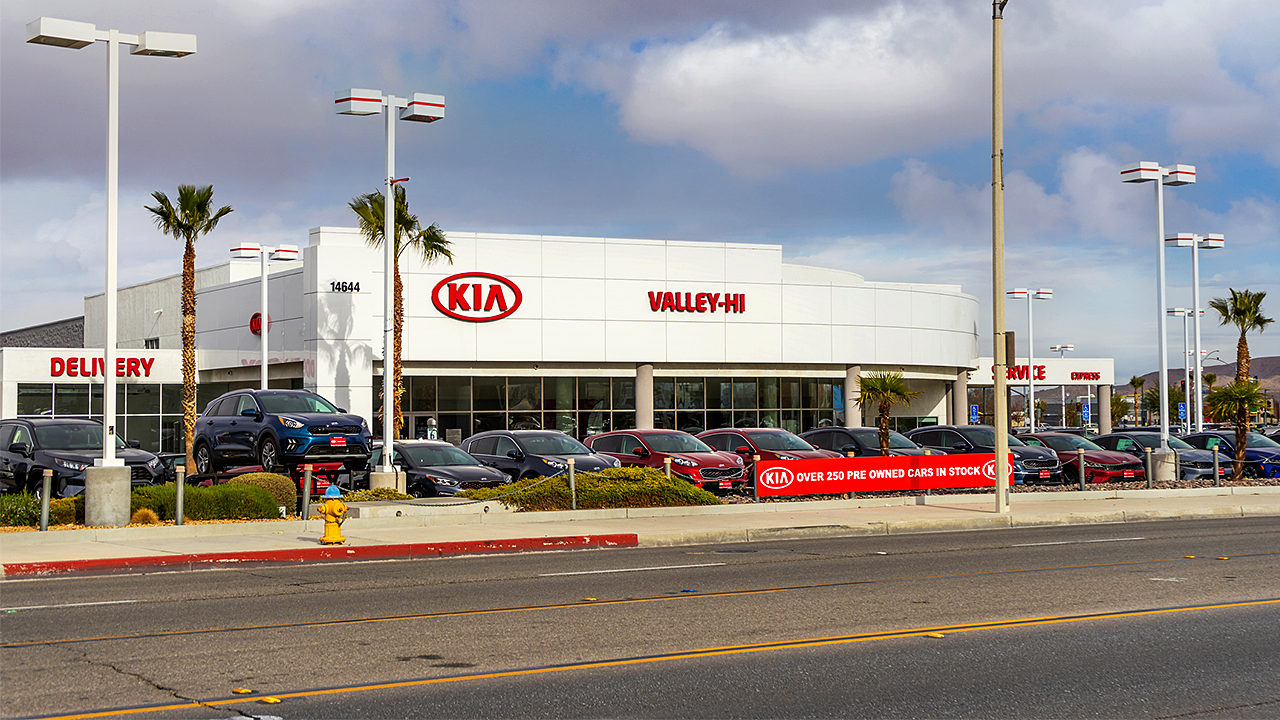
Kia dealership in California. Kia is recalling 21,290 EV9 electric SUVs because a sensor may fail to deactivate the front passenger airbag when a child or car seat is present, increasing the risk of injury in a crash.(Getty Images / Getty Images)
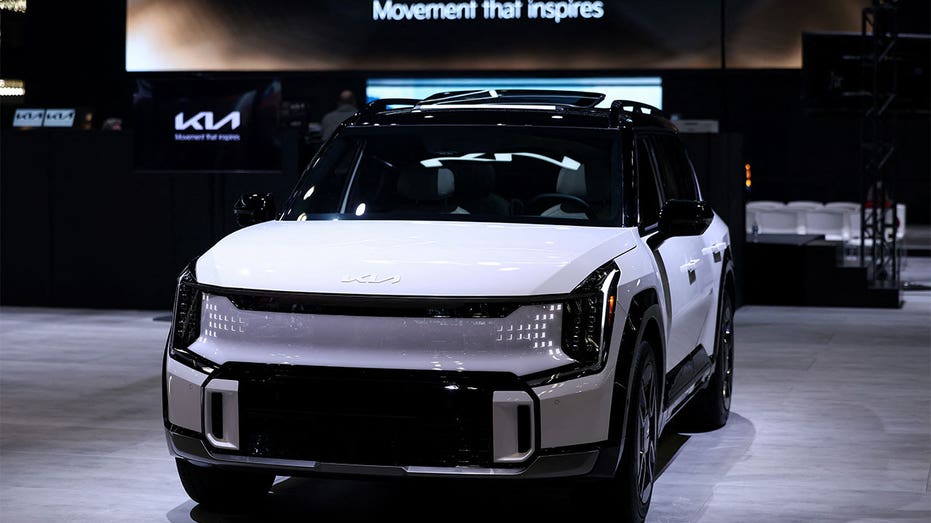
A Kia EV9 is displayed during the New York International Auto Show in New York City on April 1, 2026.(Charly Triballeau / AFP via Getty Images / Getty Images)
| Ticker | Security | Last | Change | Change % |
|---|---|---|---|---|
| KRX | NO DATA AVAILABLE | – | – | – |
**Market Impact:**
The recall of the EV9, a critical new electric model, presents a notable challenge for Kia’s market positioning and investor sentiment. While the direct financial cost of the repairs for 21,290 vehicles is manageable for an automaker of Kia’s size, the larger impact stems from potential reputational damage and its ripple effects on future sales and brand equity. Coming on the heels of the significant Telluride recall, this incident could lead to increased investor scrutiny on Kia’s quality control expenditures and overall R&D effectiveness, particularly within its burgeoning EV division. Analysts will be closely monitoring EV9 sales figures in the coming quarters for any softening in demand, especially among safety-conscious family buyers. The broader EV market may also feel a slight tremor, as safety concerns in new electric models can momentarily dampen overall consumer enthusiasm, potentially benefiting more established or less troubled competitors in the short term. Kia’s management of this recall, from communication to efficient repair execution, will be crucial in determining how quickly the brand can restore consumer and investor confidence.
**CLICK HERE TO GET FOX BUSINESS ON THE GO**