
Check out what’s clicking on FoxBusiness.com.
Key Takeaways:
- **Supply Chain Vulnerability Exposed:** The recall by Fi highlights critical dependencies within the pet supplement industry’s supply chain, particularly regarding ingredient sourcing and the ripple effect of a single supplier’s contamination.
- **Brand Trust & Financial Impact:** For direct-to-consumer and e-commerce-reliant brands like Fi, product recalls dealing with health risks such as salmonella can inflict significant damage to brand reputation, trigger substantial recall costs, and lead to lost sales and potential legal liabilities.
- **Increased Regulatory & Investor Scrutiny:** This incident is likely to intensify the spotlight on quality control and safety protocols across the rapidly growing pet wellness sector, prompting greater due diligence from both regulatory bodies and investors.
**New York, NY** – The rapidly expanding pet wellness market, characterized by premiumization and a surge in consumer spending, faces a renewed challenge to its integrity as Fi, a New York-based pet technology and wellness company, announced a voluntary recall of two popular dog supplements. The recall, prompted by potential *Salmonella* contamination linked to an ingredient supplied to Fi’s manufacturer, underscores the precarious balance between rapid growth, complex supply chains, and stringent quality control in the lucrative animal health sector.
The affected products, Fi Calming supplement for Dogs 180g (Lot Number 26118) and Fi 8-in-1 Formula supplement for Dogs 180g (Lot Number 26159), were distributed directly to consumers and through major online retail behemoths Amazon and Chewy. This distribution model, while enabling significant market penetration for nascent brands like Fi, also amplifies the logistical and reputational complexities of a widespread product recall. The manufacturer has, commendably, suspended production while a thorough investigation is underway – a crucial step to mitigate further risk and demonstrate commitment to consumer safety, but one that carries immediate financial implications.

Two supplements for dogs are facing a recall over concerns they could be contaminated with salmonella.(FDA)
The Pet Wellness Boom Meets Supply Chain Reality
The global pet care market, valued at over $260 billion in 2022 and projected to grow at a CAGR of over 6% through 2030, has seen a particular boom in the pet supplement segment. Driven by humanization trends, where pets are increasingly viewed as family members, owners are more willing to invest in premium products that promise enhanced health and longevity. Companies like Fi have capitalized on this sentiment, offering specialized formulations designed to address various pet health needs.
However, this rapid expansion has also exposed vulnerabilities, particularly in an industry segment where regulatory oversight can sometimes lag behind innovation. The incident with Fi highlights a critical operational risk: dependency on third-party suppliers for core ingredients. A single point of failure in the supply chain – in this case, a contaminated ingredient from an unnamed supplier – can bring an entire production line to a halt, triggering a cascade of financial and reputational consequences.
For Fi, a company that positions itself at the intersection of pet tech and wellness, maintaining consumer trust is paramount. The potential contamination with *Salmonella* poses a serious health risk not only to pets, potentially causing lethargy, diarrhea, fever, and vomiting, but also to humans handling the products or interacting with infected animals. This dual-threat scenario significantly elevates the stakes, transforming a product quality issue into a public health concern that can quickly erode brand loyalty and invite heightened scrutiny from regulatory bodies like the FDA.

The manufacturer has suspended production while it investigates.(FDA)
Financial Ramifications and Brand Equity
The financial impact of a product recall is multi-faceted. Immediate costs include the logistics of retrieving products from consumers and retailers, disposal, and the direct financial hit from lost sales. Beyond these direct expenses, the suspension of manufacturing operations means lost production capacity and potential delays in fulfilling future orders, impacting revenue streams significantly.
More insidious, however, is the long-term damage to brand equity. In a competitive market where consumer choices are heavily influenced by trust and perceived safety, a contamination scare can deter current and potential customers for an extended period. Rebuilding that trust requires substantial investment in transparent communication, enhanced quality control measures, and potentially, marketing campaigns to reassure the consumer base. This is particularly challenging for brands heavily reliant on e-commerce platforms like Amazon and Chewy, where negative reviews and public information spread rapidly and widely, influencing purchase decisions instantly.
Moreover, the incident opens the door to potential legal liabilities. Should pets or humans fall ill due to the contaminated supplements, Fi could face class-action lawsuits or individual claims, incurring significant legal costs and potential settlements. Previous incidents, such as the widely reported recall of frozen dog food over *Salmonella* contamination that led to multiple pet illnesses, illustrate the severe financial and legal repercussions that can arise from such breaches in product safety. The mention of a separate recall for dog and horse medication due to glass fiber found in vials further underscores the pervasive challenge of quality control across the broader animal health product spectrum.

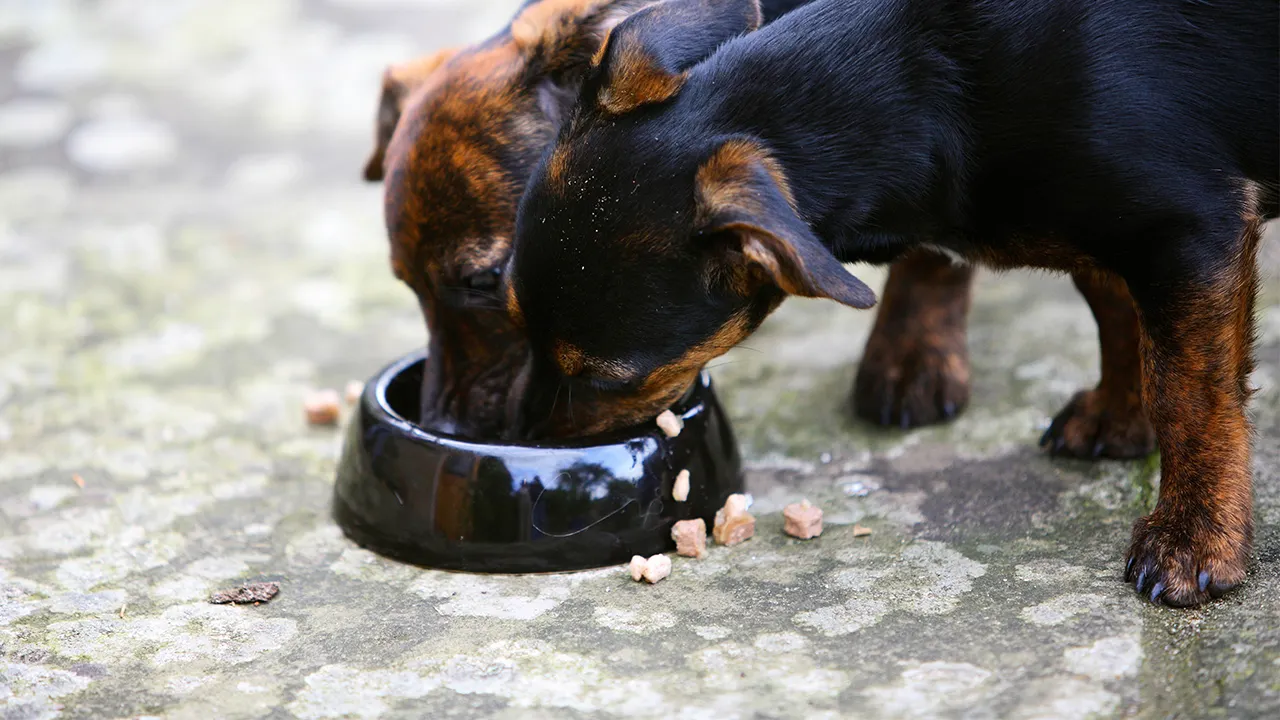
Salmonella poses a health risk to both pets and people.(Tim Graham/Getty Images / Getty Images)
Regulatory Landscape and Investor Sentiment
While the FDA provides guidance for pet food and supplements, the regulatory framework for pet supplements is often less stringent than for human pharmaceuticals, creating a landscape where companies bear a significant burden of self-regulation and quality assurance. Recalls like Fi’s are a stark reminder of the responsibilities involved and can prompt calls for more robust oversight. For investors eyeing the robust growth in the pet care sector, such incidents introduce an element of risk that demands rigorous due diligence on a company’s supply chain management, quality control protocols, and crisis management capabilities.
Companies in this space, both established players and emerging disruptors, must demonstrate not only innovative product development but also an unwavering commitment to safety and transparency. Fi’s swift action to recall and investigate is a positive step, but the long-term implications for its market position and financial health will depend on how effectively it navigates the aftermath, reassures its customer base, and fortifies its supply chain against future vulnerabilities.
CLICK HERE TO GET FOX BUSINESS ON THE GO
Market Impact
This recall by Fi sends a cautionary signal across the broader pet wellness and consumer goods markets. For publicly traded companies in the pet supply chain, including ingredient suppliers, manufacturers, and distributors, such incidents can trigger short-term stock price volatility as investors reassess risk exposures. It underscores the critical importance of supply chain resilience and vendor risk management, prompting industry peers to review their own quality assurance processes and ingredient sourcing strategies to prevent similar occurrences. Moreover, this event could accelerate the trend towards greater vertical integration or more stringent auditing of third-party suppliers within the pet care industry. For consumers, it may foster increased skepticism and demand for greater transparency regarding product origins and safety testing, potentially favoring brands with demonstrated rigorous quality control. The incident also serves as a potent reminder for venture capital and private equity firms actively investing in the booming pet tech and wellness space to apply enhanced scrutiny to operational risks and crisis management plans during their due diligence processes.