
Check out what’s clicking on FoxBusiness.com.
**Key Takeaways for Investors and Industry:**
1. **Supply Chain Vulnerability:** This recall underscores the persistent and often complex risks within global food supply chains, particularly concerning raw material sourcing (like dry milk powder), which can have cascading effects on major retailers and multiple product lines.
2. **Brand & Reputational Risk:** For market giants like Walmart and rapidly expanding discounters like Aldi, food safety incidents can erode consumer trust, impact brand equity, and potentially lead to short-term sales dips and increased scrutiny, influencing investor sentiment.
3. **Rising Compliance Costs & Regulatory Scrutiny:** The incident highlights the critical role of the USDA FSIS and FDA, signaling an environment where food producers and retailers face intensifying regulatory oversight and the imperative for robust internal quality control, which translates to higher operational costs.
A recent alert regarding frozen pizzas and other food items sold at retail behemoths Walmart and Aldi, now subject to recall over potential Salmonella contamination, reverberates beyond immediate public health concerns, sending ripples through the financial markets and spotlighting critical vulnerabilities in the modern food supply chain. This isn’t merely a health advisory; it’s a stark reminder of the intricate web of risks that food producers and retailers navigate daily, with significant implications for their bottom lines, brand reputation, and investor confidence.
On April 30, the U.S. Department of Agriculture’s Food Safety and Inspection Services (FSIS) issued a public health alert for various meat and poultry products containing FDA-regulated ingredients suspected of Salmonella contamination. The immediate trigger for these recalls across diverse products was a common denominator: dry milk powder from a third-party supplier, itself previously recalled. This interconnectedness in sourcing amplifies the potential for widespread impact from a single point of failure within the supply chain.
Customers who have purchased the recalled products are emphatically urged not to consume them, even if thoroughly cooked, due to the persistent danger posed by the food-borne bacterium. Such advisories, while crucial for public safety, inevitably cast a shadow over the implicated brands and product categories, potentially influencing consumer purchasing habits in the near term.
RAT POISON FOUND IN BABY FOOD JARS SPARKS CHILLING SCARE, SUSPECT NABBED
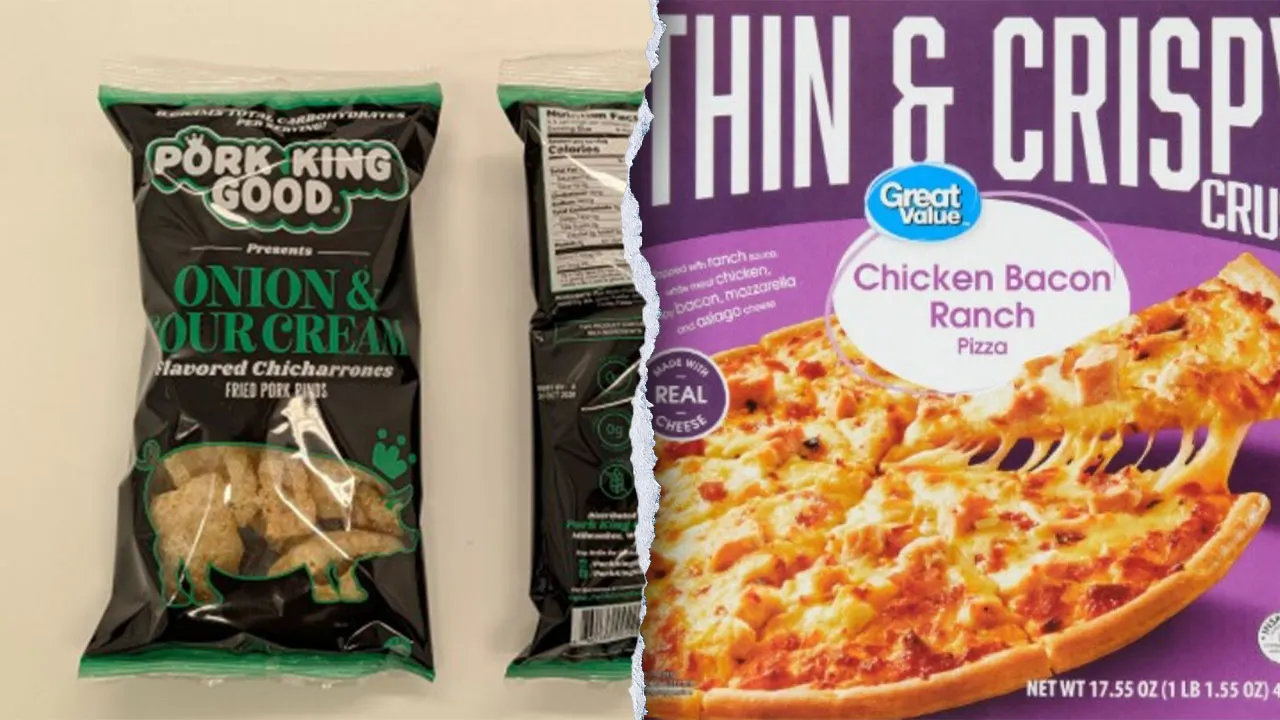
Great Value Thin Crust Chicken Bacon Ranch Pizza and Pork King Good Sour Cream & Onion Pork Rinds are among several items being recalled amid concerns of salmonella contaminations. (U.S. Food and Drug Administration / Fox News)
“The health and safety of our customers is always a top priority,” a Walmart spokesperson told FOX Business. “We have issued a sales restriction and removed this product from our impacted stores. We are working with the supplier to investigate.” This statement, while standard, underscores the immediate operational and financial burden placed on retailers: halting sales, removing inventory, and initiating costly investigations. For a company of Walmart’s scale, managing such a recall involves immense logistical complexities and significant financial outlays in reverse logistics, disposal, and potential legal fees, all of which directly impact quarterly earnings and operational efficiency.
The products in question contain dry milk powder that had been previously recalled and subsequently used in the manufacturing of various items, including frozen pizzas and pork rinds, according to the FDA. The fact that no confirmed cases of illness or adverse reactions have been reported due to the consumption of these specific recalled products is a fortunate outcome, potentially mitigating the severity of immediate legal and public relations fallout. However, the preventative nature of the recall itself indicates a proactive stance by regulatory bodies and retailers, reflecting an evolving landscape where vigilance is paramount.
Walmart products recalled: An Investor’s Lens
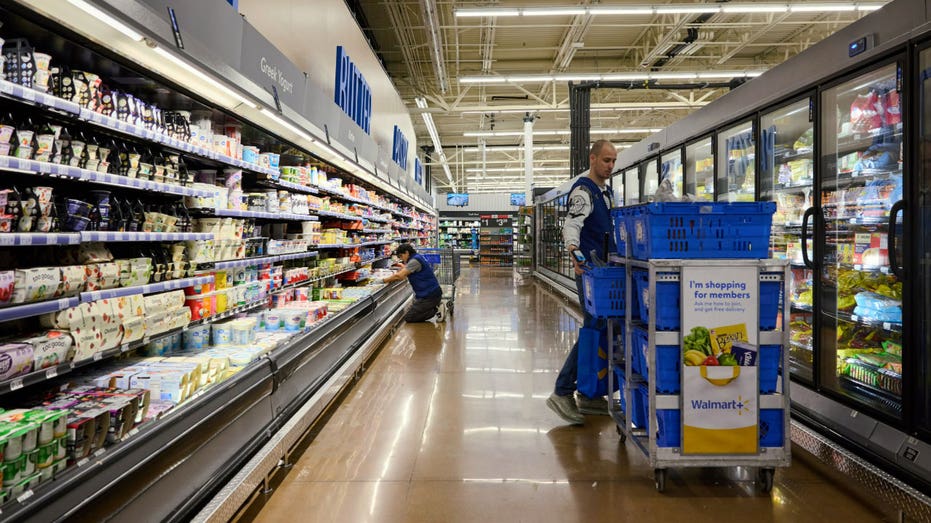
Workers stock shelves in a grocery aisle at a Walmart store on Black Friday in Columbus, Ohio, on Nov. 28, 2025.(Brian Kaiser/Bloomberg via Getty Images)
Walmart’s private label ‘Great Value’ brand is a cornerstone of its competitive strategy, offering consumers affordable alternatives to national brands. Recalls affecting these proprietary lines can disproportionately impact consumer trust, as the brand is directly associated with the retailer. The pizzas affected, including Great Value Thin Crust Chicken Bacon Ranch and Stuffed Crust Chicken Bacon Ranch, represent popular, high-volume sellers within the frozen food aisle. Any disruption here, even temporary, can lead to lost sales, inventory write-offs, and potentially higher costs for future ingredient sourcing as suppliers face increased scrutiny and demands for stricter quality controls. Investors watch closely for how quickly and efficiently a retailer can manage such crises, as it speaks to the robustness of their supply chain management and crisis response protocols, key indicators of operational excellence.
- Great Value Thin Crust Chicken Bacon Ranch pizza, 17.55 oz.
- Lot codes:WC103203, WC103803
- Best if used by:10/9/2026, 11/7/2026
- EST number:M1487
- Great Value Stuffed Crust Chicken Bacon Ranch pizza, 23.1 oz.
- Lot codes:WC104173, WC104065, WC103793
- Best if used by:10/25/2026, 10/26/2026, 11/8/2026
- EST number:M1487
- Great Value Stuffed Crust Chicken Bacon Ranch, 23.1 oz.
- Lot code:WJ100977
- Best if used by:12/9/2026
- EST number:M1928
GHIRARDELLI RECALLS DRINK MIXES OVER POTENTIAL SALMONELLA CONTAMINATION
Aldi products recalled: Growth and Risk Management
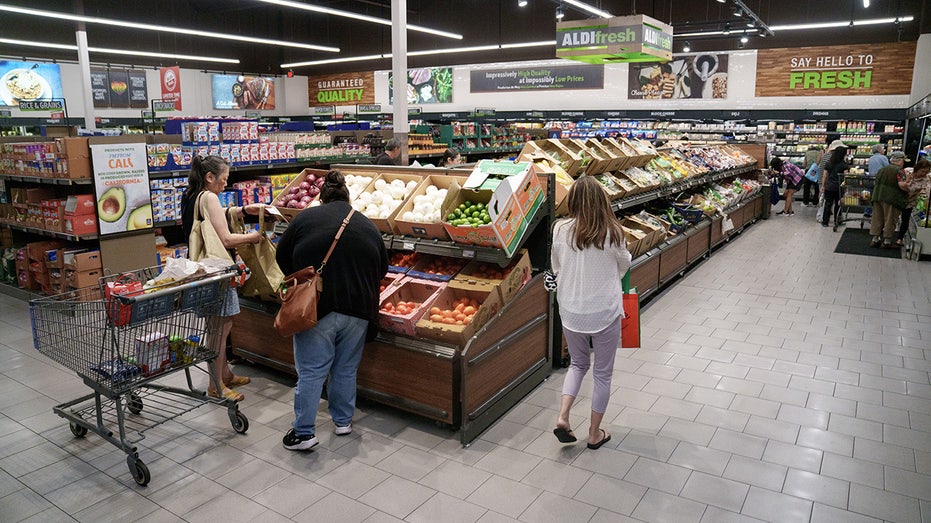
An Aldi supermarket in Alhambra, California, US, on Thursday, June 27, 2024. The Bureau of Economic Analysis is scheduled to release personal consumption figures on June 28.(Eric Thayer/Bloomberg via Getty Images)
Aldi, a discount grocer known for its aggressive expansion and heavy reliance on private label brands, faces similar but potentially more acute challenges. Its ‘Mama Cozzi’s’ brand is a popular choice among its cost-conscious consumer base. While Aldi’s lean operational model provides competitive pricing, it also demands exceptionally efficient and secure supply chains. A recall impacting its core offerings can pose a significant threat to its carefully cultivated image of value and reliability. The disruption of popular breakfast pizzas could momentarily dampen sales momentum in specific categories, and the associated costs of recall management could pressure profit margins, particularly as the company invests heavily in market penetration across the U.S. and other regions.
- Mama Cozzi’s Biscuit Crust Sausage & Cheese Breakfast Pizza, 18.5 oz.
- Best if used by:10/15/2026, 10/21/2026, 10/22/2026, 10/23/2026, 10/24/2026
- EST number:EST5699
- Mama Cozzi’s Biscuit Crust Cooked Pork Belly Crumbles, Cooked Bacon Topping, Pepper & Onion Breakfast Pizza, 17.15 oz.
- Best if used by:10/15/2026, 10/21/2026, 10/22/2026, 10/23/2026, 10/24/2026
- EST number:EST5699
Other products recalled: Broader Industry Exposure
The recall extends beyond the retail giants to include ‘Pork King Good Sour Cream & Onion Pork Rinds’ and ‘Culinary Circle Ultra Thin Crust Chicken Bacon Ranch’ pizza. This broader scope highlights the systemic risk inherent when a foundational ingredient, like dry milk powder, is contaminated. Manufacturers, even smaller, specialized brands, bear the direct costs of recalling, disposing of, and replacing products. Furthermore, their brand reputation can suffer, potentially impacting their distribution channels and ability to secure future contracts with major retailers. The supply chain for dry milk powder, in this instance, becomes a focal point of concern for the entire food processing industry, prompting a re-evaluation of supplier vetting, audit processes, and ingredient traceability.
- Pork King Good Sour Cream & Onion Pork Rinds, 1.75-oz. bag
- Best if used by:6/30/2026, 7/14/2026, 7/20/2026, 7/26/2-26. 8/4/2026, 8/5/2026, 8/12/2026
- EST number:EST1321
- Pork King Party Size Sour Cream & Onion Pork Rinds, 7-oz. bag
- Best if used by:7/7/2026, 7/23/2026, 8/10/2026
CHOCOLATE SOLD NATIONWIDE RECALLED OVER UNDECLARED ALLERGEN POSING POTENTIAL ‘LIFE-THREATENING’ RISK
- Culinary Circle Ultra Thin Crust Chicken Bacon Ranch, 16.4 oz.
- Lot code:WC103309
- Best if used by:10/18/2026
- EST number:M1487
- Customers who purchased the products are urged not to consume them, and instead, either throw them away or return them where they were purchased, the FDA said. Retailers are urged to remove said products from store shelves.
Salmonella bacteria are a leading cause of food-borne illness in the United States, according to theCenters for Disease Control and Prevention. Beyond the immediate health risks, the economic burden of such illnesses on the healthcare system and lost productivity can be substantial, indirectly impacting national economic performance.
Symptoms include nausea, vomiting, headaches, loss of appetite, abdominal cramps and diarrhea. CDC estimates Salmonella causes about 1.35 million infections in the United States every year. These statistics underscore why regulatory bodies and corporate entities treat such contaminations with the utmost gravity, recognizing the potential for widespread public health crises that carry colossal economic implications.
CLICK HERE TO GET FOX BUSINESS ON THE GO
FOX Business has reached out to Aldi, Pork King and Culinary Circle for additional commentary, as financial journalists often seek to understand the projected financial impact, mitigation strategies, and any adjustments to supply chain protocols moving forward. This proactive engagement is vital for assessing the long-term implications for these companies and their stakeholders.
Market Impact:
This multi-brand, multi-retailer recall, originating from a single ingredient supplier, serves as a potent reminder of the fragility of modern food supply chains and the omnipresent risk of food safety incidents. For publicly traded companies like Walmart, such events can lead to short-term stock price volatility, driven by concerns over recall costs, potential sales erosion in affected categories, and brand damage. While the impact on a giant like Walmart might be limited given its diversified portfolio, smaller brands like Pork King and Culinary Circle could face more significant financial distress, including lost shelf space, reduced future orders, and increased insurance premiums. Across the broader food manufacturing and retail sector, this incident will likely trigger heightened internal audits, increased due diligence on ingredient suppliers, and potentially higher investment in advanced traceability technologies, translating to elevated operational costs industry-wide. Investors will be closely monitoring quarterly reports for any mention of recall-related expenses, inventory write-downs, and shifts in consumer confidence towards private label brands, signaling a sector-wide re-evaluation of risk management in food production.