
Check out what’s clicking on FoxBusiness.com.
Key Takeaways for Investors and Industry Stakeholders:
- Heightened Regulatory Scrutiny & Compliance Costs:Recent recalls underscore the Consumer Product Safety Commission’s (CPSC) aggressive enforcement, signaling rising compliance burdens and potential financial penalties for toy manufacturers and retailers, particularly those relying on third-party marketplaces. This will impact profit margins and operational expenditure.
- Supply Chain Vulnerabilities & Brand Risk:The incidents expose critical weaknesses in supply chain oversight for smaller brands and third-party sellers, leading to significant inventory write-offs, refund liabilities, and severe damage to brand reputation, which can deter future sales and partnerships and affect stock valuations.
- E-commerce Platform Accountability:Amazon’s role as a primary distribution channel for the recalled products highlights increasing pressure on e-commerce giants to vet third-party listings more rigorously, potentially leading to stricter seller requirements and higher operational costs for marketplace management, impacting their bottom line.
The Consumer Product Safety Commission (CPSC) has issued a significant recall affecting over 15,000 popular children’s squeeze toys, a move that reverberates beyond immediate product safety concerns to spotlight critical market vulnerabilities within the highly competitive toy industry. This action, driven by serious injury hazards linked to internal water beads, underscores an escalating regulatory environment and poses tangible financial and reputational risks for manufacturers, retailers, and e-commerce platforms alike. For investors and industry stakeholders, these recalls serve as a stark reminder of the interconnectedness of product safety, supply chain integrity, and long-term market viability.
Specifically, two distinct recalls have been initiated: one for “Squeezy Dumplings” marketed by GIHNJSI and another for “Rainbow Mystery Squishy Buns” from OKK Trading. The core issue for both products lies in their use of water beads. These seemingly innocuous components possess a dangerous propensity to expand significantly if ingested, posing severe and potentially fatal hazards to children, including choking, intestinal obstruction, and internal injury. The CPSC’s definitive stance is that these toys unequivocally violate mandatory federal safety standards, specifically regarding the allowable expansion size for such components. This non-compliance immediately triggers a cascade of financial consequences for the implicated companies, ranging from direct costs associated with product retrieval and refunds to indirect expenses tied to legal counsel, potential litigation (even in the absence of reported injuries), and irreparable damage to brand equity. For smaller, less capitalized entities like GIHNJSI and OKK Trading, such a recall can be an existential threat, disrupting cash flow and future operational capacity.
WEIGHT-LOSS SUPPLEMENT RECALLED AFTER FDA FINDS TOXIC SUBSTANCE
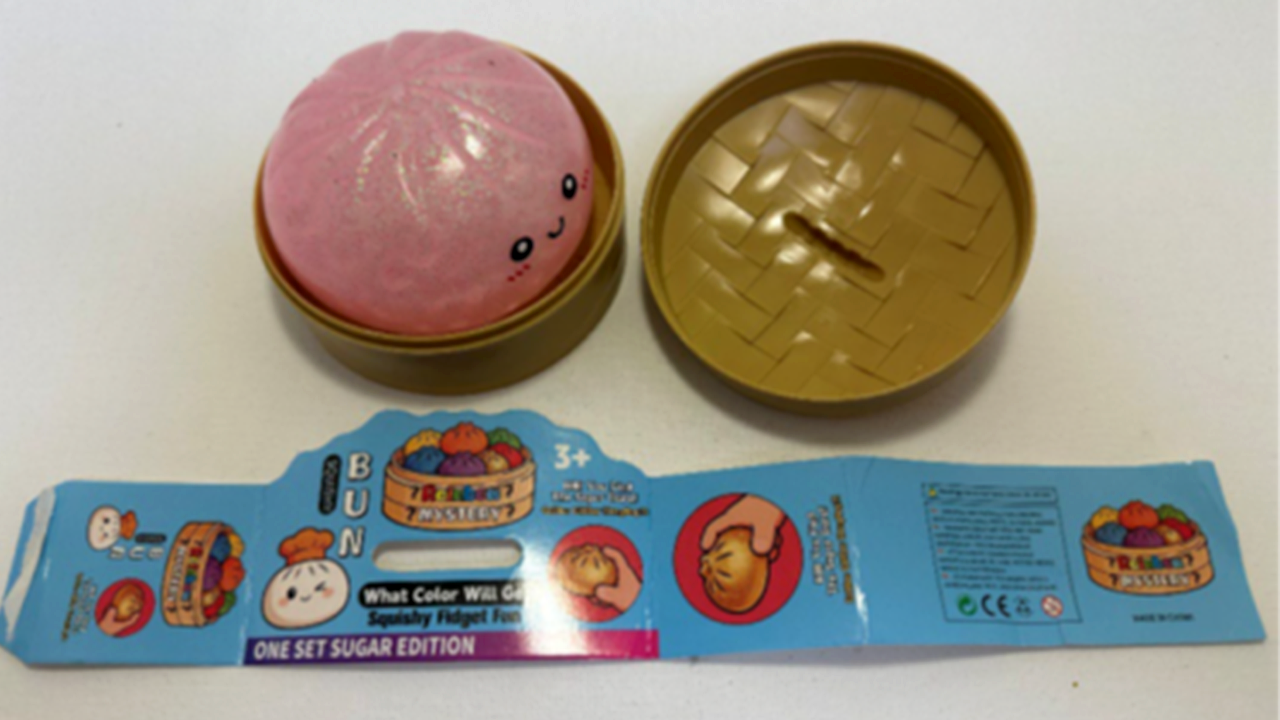
More than 15,000 popular children’s squeeze toys have been recalled.(Consumer Product Safety Commission)
Approximately 8,000 units of the “Squeezy Dumplings” are subject to this recall. These units were primarily distributed through Amazon’s vast e-commerce platform between May and June, retailing for approximately $20 each. The substantial volume and distribution channel highlight Amazon’s critical role as a marketplace and, consequently, its increasing exposure to regulatory scrutiny regarding product safety standards for third-party sellers. While Amazon benefits from its expansive network, it also bears the responsibility – and potential liability – for ensuring products sold on its platform meet federal safety benchmarks. The costs associated with managing such recalls, including facilitating refunds and potentially delisting non-compliant sellers, represent a growing operational overhead for e-commerce giants, potentially impacting their profitability margins on third-party sales.
Concurrently, roughly 7,200 “Rainbow Mystery Squishy Bun Toys” from OKK Trading are also under recall. These products had a broader retail footprint, being sold through various third-party brick-and-mortar stores nationwide from May to August. The distinct “Rainbow MYSTERY” and “SUGAR EDITION” labeling, along with their characteristic translucent, round, squishy design featuring cartoon faces, glitter, and water beads, makes them easily identifiable. The common packaging in a bamboo steamer-shaped container further unifies their aesthetic. For independent and smaller retailers, participating in such recalls entails not only the logistical challenge of removing products from shelves but also the financial hit of lost sales and potential write-downs of inventory. This incident serves as a cautionary tale for retailers regarding the importance of robust vendor vetting and supply chain due diligence, particularly when sourcing products from lesser-known manufacturers or international suppliers where oversight can be more challenging and costly.
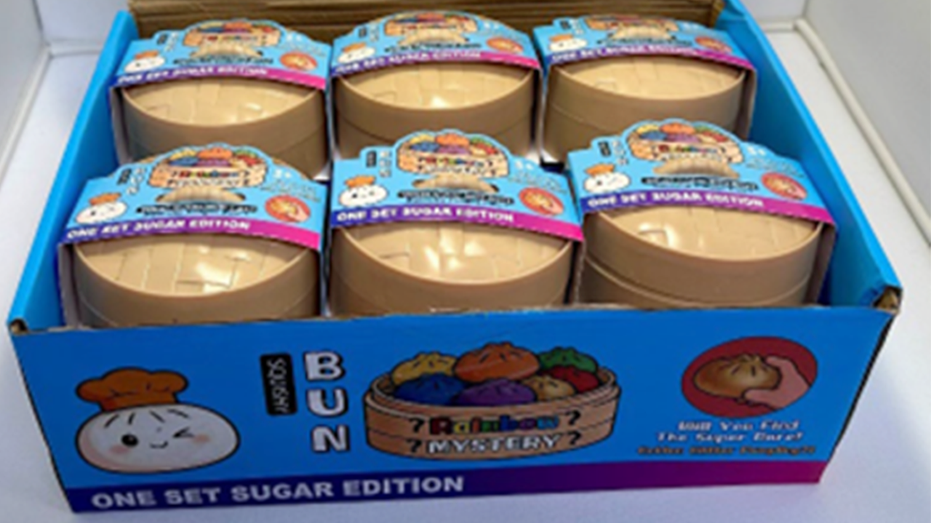
Consumers are urged to stop using both toys immediately and contact the appropriate company for a full refund.(Consumer Product Safety Commission)
In response, consumers are strongly advised to cease using both recalled toys immediately and initiate contact with the respective companies for a full refund. The CPSC has outlined a straightforward, albeit unusual, refund protocol: consumers must mark the toy and its container with “RECALLED,” safely dispose of the product, and then email photographic proof to the recalling company. While it’s fortunate that no injuries have been reported in connection with these specific recalls to date, the financial implications remain substantial for GIHNJSI and OKK Trading. Beyond the direct cost of refunding potentially thousands of units, these companies face the erosion of consumer trust, a critical intangible asset. Negative publicity surrounding recalls can significantly depress future sales, complicate relationships with retailers, and potentially lead to market exclusion, impacting long-term revenue projections and investor confidence, thereby impacting shareholder value.
Adding another layer of complexity and concern to the market, the CPSC has also issued a separate, more forceful warning regarding “Squishy Bun Toys” from Ivyapingdianpu. These products, also containing the dangerous expanding water beads, have been flagged for violating mandatory toy safety standards. What distinguishes this case, however, is Ivyapingdianpu’s defiant refusal to agree to a voluntary recall or provide a remedy to consumers, despite having received a formal Notice of Violation from the CPSC. This intransigence sets a dangerous precedent and invites escalated enforcement actions from federal regulators. For Ivyapingdianpu, this decision carries immense financial risk, including the potential for significant civil penalties, forced injunctions, and severe, irreversible reputational damage that could effectively bar them from future market participation. Such a stance can also provoke class-action lawsuits, turning a product safety issue into a protracted legal and financial quagmire, a scenario that would heavily deter any potential investors.
WALMART MANGOES RECALLED OVER POTENTIAL SALMONELLA CONTAMINATION
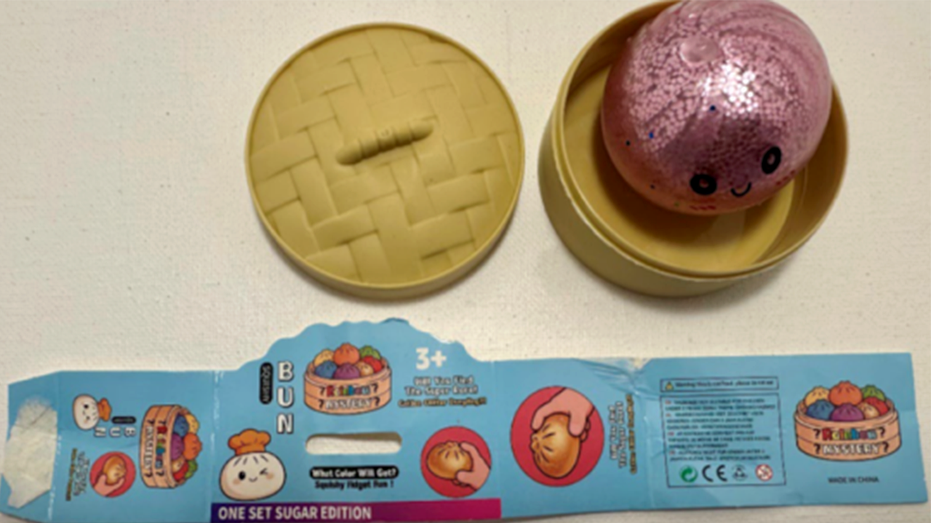
The commission is warning consumers to immediately stop using Squishy Bun Toys from Ivyapingdianpu.(Consumer Product Safety Commission)
While the volume of affected “Squishy Bun Toys” from Ivyapingdianpu is comparatively smaller, estimated at about 106 units sold online via Amazon, likely around June 2023 (given the typical timeframe for such issues, the original text’s “June 2026” appears to be a typographical error), the implications are far-reaching. These toys, identifiable by “SQUISHY BUN” and “Rainbow MYSTERY” on their tags, may also have circulated through other third-party sellers and e-commerce platforms. The CPSC’s public warning without a company-initiated recall places a direct burden on consumers to identify and dispose of dangerous products. Furthermore, this situation highlights a critical challenge for large online marketplaces: how to effectively police and hold accountable a vast ecosystem of third-party sellers, especially those who demonstrate a disregard for regulatory compliance. The ongoing efforts by federal agencies to crack down on unsafe products, often originating from international suppliers, signify a tightening regulatory grip that will inevitably drive up compliance costs across the entire supply chain and push platforms like Amazon to implement stricter vetting processes, impacting their operational expenditure and potentially their market share if sellers migrate to less stringent platforms.
Fortunately, no injuries have been reported in connection with these specific Ivyapingdianpu toys either. Nevertheless, the CPSC strongly encourages any consumer whose child experiences injuries or who identifies defects related to these “Squishy Buns” to report them immediately. Such reports are crucial not only for consumer safety but also for informing regulatory enforcement actions, potentially leading to increased fines, broader market restrictions, or even criminal charges against non-compliant entities. The aggregate effect of these multiple recalls and warnings is a clear signal to the market: product safety is a non-negotiable component of doing business, and the costs of non-compliance, both direct and indirect, are rapidly escalating. Investors should scrutinize companies’ product safety track records and supply chain management as key indicators of operational risk and long-term financial health.
Market Impact:
These recent toy recalls collectively paint a picture of an evolving and increasingly challenging landscape for the consumer goods sector, particularly within the toy and e-commerce industries. The CPSC’s assertive posture points to a future of heightened regulatory oversight, inevitably leading to increased compliance costs for manufacturers and retailers. Companies with robust quality control, transparent supply chains, and proactive recall mechanisms will likely gain a competitive advantage, experiencing improved market sentiment and potentially higher valuations, while those neglecting these aspects face significant financial penalties, brand erosion, and potential market exclusion. Furthermore, the reliance on vast e-commerce marketplaces like Amazon for distribution amplifies the systemic risk, putting pressure on these platforms to invest more heavily in seller vetting and product safety enforcement, potentially affecting their growth models for third-party sales. Ultimately, these incidents will likely drive market consolidation, favor financially stable companies with strong compliance frameworks, and shift consumer preference towards brands demonstrating unwavering commitment to product safety, thereby impacting sales trajectories, market share, and investor valuations across the sector.