

Key Takeaways
1. **Brand Erosion & Consumer Confidence:** Wawa’s recall of private-label beverages due to an undeclared milk allergen poses a significant risk to its meticulously cultivated brand image and consumer trust, particularly given its reliance on fresh food and beverage offerings as a competitive differentiator in the convenience retail sector.
2. **Operational Scrutiny & Cost Implications:** The “temporary equipment issue” highlights potential vulnerabilities in Wawa’s self-manufacturing processes, leading to direct costs (recalls, refunds, disposal) and indirect costs (lost sales, reputational damage, potential future regulatory scrutiny, and increased operational oversight expenses).
3. **Industry-Wide Alert for Private Label & Allergen Management:** This incident serves as a stark reminder for the broader food and beverage industry, especially retailers expanding into private-label production, underscoring the critical importance of stringent quality control, allergen management protocols, and supply chain transparency to mitigate financial and reputational risks.
PHILADELPHIA, PA –Convenience store titan Wawa, a privately held regional powerhouse known for its fresh food and beverage offerings, is navigating a significant operational challenge with the recall of several company-branded drinks. The recall, initiated due to an undeclared milk allergen, underscores the inherent risks associated with private-label manufacturing and the pervasive importance of meticulous quality control in the highly regulated food and beverage sector.
The recall specifically impacts 16-ounce bottles of Wawa Iced Tea Lemon, Wawa Iced Tea Diet Lemon, Wawa Diet Lemonade, and Wawa Fruit Punch. All four products are produced under the Wawa Beverage Company label, a testament to the chain’s vertical integration strategy aimed at controlling quality and maximizing margins. The company stated that the recall stems from a “temporary equipment issue” that may have inadvertently introduced milk allergens into the beverages. While no illnesses have been reported to date, Wawa emphasized the potential for “serious or life-threatening allergic reaction” for individuals with milk allergies.
For Wawa, an entity renowned for its fierce customer loyalty and strong regional brand presence across Delaware, Maryland, New Jersey, Pennsylvania, and Virginia, such an incident carries considerable financial and reputational weight. Unlike publicly traded companies that face immediate stock market repercussions, Wawa’s financial impact will manifest primarily through direct costs associated with the recall – including product disposal, customer refunds (offered via Wawa gift cards), and investigative expenses to pinpoint and rectify the manufacturing flaw. However, the more enduring and potentially costlier consequence lies in the erosion of consumer trust, a cornerstone of its market strategy.
Wawa’s business model leans heavily on its differentiator as a provider of freshly prepared food and beverages, setting it apart from traditional convenience store competitors. Food safety and accurate labeling are paramount to maintaining this competitive edge. An allergen recall, even if quickly contained, can cast a shadow over the entire fresh offering, potentially impacting sales across its broader product portfolio beyond the directly affected drinks. Consumers, increasingly wary of food safety incidents, may temporarily shift purchasing habits or scrutinize Wawa’s other private-label items with a newfound skepticism.
The “temporary equipment issue” points directly to potential vulnerabilities within Wawa’s own production facilities. In an era where supply chain resilience and transparency are top-tier concerns for C-suite executives, this incident serves as a reminder that self-production does not eliminate risk; rather, it shifts the locus of control and responsibility entirely to the brand owner. Maintaining state-of-the-art equipment, rigorous cleaning protocols, and robust allergen control programs are non-negotiable for manufacturers, particularly those handling diverse product lines where cross-contamination is a constant threat.
The regulatory landscape for food safety, overseen by agencies like the FDA, has become increasingly stringent, especially following initiatives like the Food Safety Modernization Act (FSMA). While Wawa appears to have acted swiftly and voluntarily, such incidents inevitably attract regulatory scrutiny, which can lead to audits, fines, and mandatory operational changes if systemic issues are identified. These regulatory actions can be costly, both in terms of direct penalties and the diversion of management resources from core business growth initiatives.
The specific recalled products include:
Wawa Iced Tea Lemon
- Sold in 123 stores in Delaware, Maryland, New Jersey, Pennsylvania and Virginia
- UPC code: 726191018425
- Date printed on top of bottle: May 15, 2026
Wawa Iced Diet Tea Lemon
- Sold in eight stores in New Jersey and Pennsylvania
- UPC code: 726191018548
- Date printed on top of bottle: May 18, 2026
Wawa Diet Lemonade
- Sold in 12 stores in Delaware and New Jersey
- UPC code: 726191055901
- Date printed on top of bottle: May 18, 2026
Wawa Fruit Punch
- Sold in 53 stores in Delaware, Maryland, New Jersey, Pennsylvania and Virginia
- UPC code: 726191018432
- Date printed on top of bottle: May 19, 2026
Wawa’s proactive communication and offer of refunds via gift cards aim to mitigate customer dissatisfaction. However, the long-term impact on its brand equity will depend on how effectively it communicates the root cause, ensures corrective actions are permanent, and rebuilds consumer confidence. For a company that thrives on word-of-mouth and a loyal customer base, even a minor misstep can echo loudly across its market.
This incident also reverberates beyond Wawa, serving as a cautionary tale for the broader retail industry. Many major retailers are increasingly investing in private-label brands across various categories, from grocery staples to prepared foods, to enhance margins and build brand loyalty. While offering significant strategic advantages, the Wawa recall underscores the heightened responsibility and operational complexities that come with putting one’s own brand name on a product. The need for robust quality assurance, diligent allergen management, and comprehensive recall readiness plans is paramount for any company venturing into the private-label manufacturing arena.
DINOSAUR CHICKEN NUGGETS SOLD NATIONWIDE AT WALMART MAY CONTAIN LEAD, FEDERAL ALERT WARNS
Wawa is recalling drink products over an undeclared milk allergen.(Getty Images)
No illnesses have been reported to date in connection with the recall, Wawa said.
The company urges consumers who purchased the affected items to dispose of them immediately and contact the company’s customer contact center via email or phone; they can request a refund in the form of a Wawa gift card.
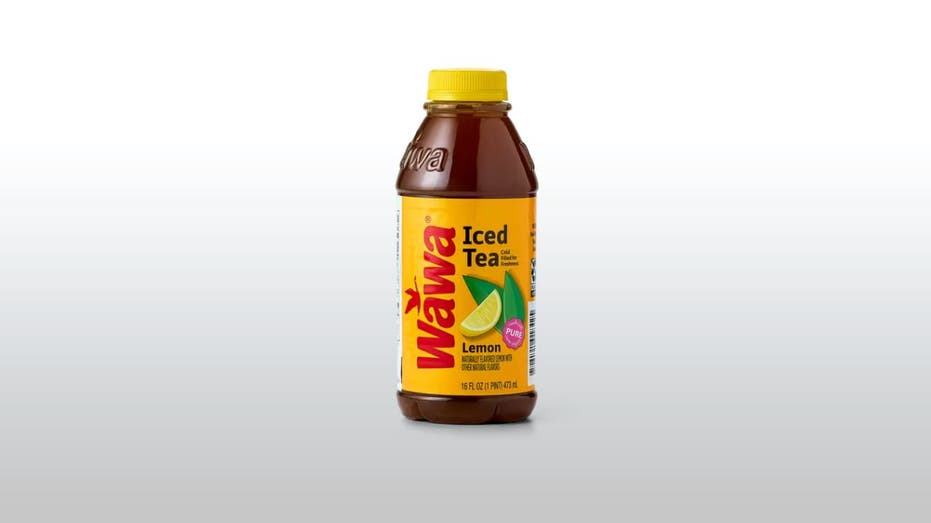
A bottle of Wawa-branded iced tea with lemon in a 16-ounce bottle.(Wawa)
EINSTEIN BAGELS CREAM CHEESE SPREAD RECALLED OVER ALMONDS THAT COULD CAUSE LIFE-THREATENING ALLERGIC REACTION
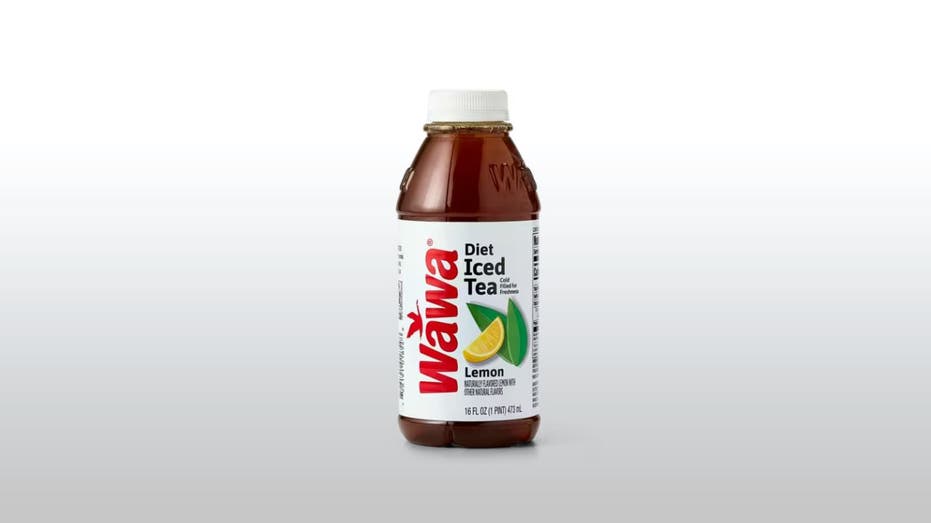
A bottle of Wawa-branded diet iced tea with lemon in a 16-ounce bottle.(Wawa)
NEARLY 10M POUNDS OF FROZEN FRIED RICE SOLD AT TRADER JOE’S ADDED TO RECALL: USDA
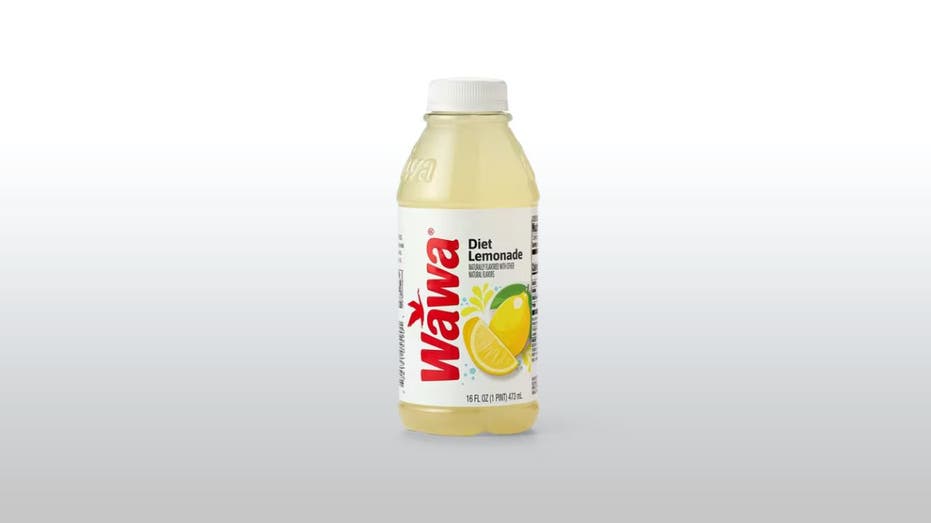
A bottle of Wawa-branded diet lemonade in a 16-ounce bottle.
THOUSANDS OF BREAD, PIZZA ITEMS RECALLED IN 10 STATES OVER POSSIBLE METAL CONTAMINATION
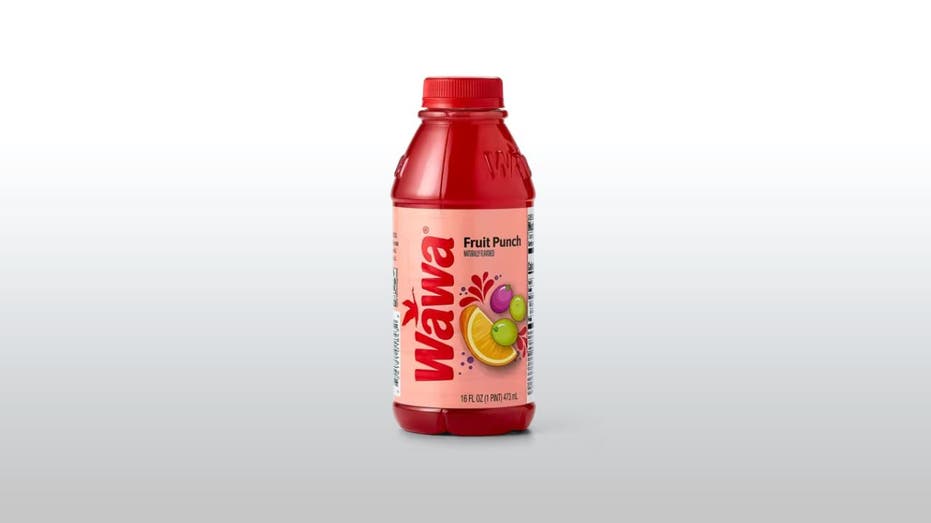
A bottle of Wawa-branded fruit punch in a 16-ounce bottle.(Wawa)
CLICK HERE TO GET FOX BUSINESS ON THE GO
Market Impact
The Wawa beverage recall, while seemingly isolated, sends ripple effects through the convenience retail and broader food manufacturing sectors. For Wawa, the immediate financial hit from the recall is manageable, but the long-term impact on its formidable brand equity and customer trust remains the primary concern. Competitors, both regional convenience chains and larger grocery players, will closely monitor Wawa’s response, potentially seeking to capitalize on any perceived dip in consumer confidence. More broadly, this incident reinforces the increasing pressure on all food producers, particularly those with extensive private-label portfolios, to invest heavily in advanced food safety systems, allergen management, and robust supply chain oversight to protect both public health and shareholder value in an environment of heightened regulatory scrutiny and consumer expectations.