
Check out what’s clicking on FoxBusiness.com.
**Key Takeaways:**
1. **Masters as a Strategic Business Nexus:** Beyond its sporting allure, the Masters functions as a critical annual industry conference, driving significant deal flow, strategic partnerships, and substantial economic activity for the global golf market.
2. **Evolution of Sports Marketing ROI:** The era of passive, nine-figure brand visibility sponsorships is yielding to data-driven, experiential, and influencer-led strategies focused on measurable engagement, bespoke activations, and direct consumer interaction to maximize return on investment.
3. **High-Value Hospitality & Networking:** The tournament’s unique atmosphere fosters unparalleled networking opportunities among industry leaders, investors, and talent, making corporate hospitality and intimate engagements central to securing future business and brand positioning in a competitive landscape.
The week every golf fan looks forward to is upon us, as theMasters Tournamentbegins at the iconic Augusta National Golf Club with practice rounds beginning on Monday. While the roar of the crowd and the pursuit of the green jacket dominate headlines, for the financial world and the vast ecosystem of the golf industry, this week represents far more than just a major championship; it’s a critical economic engine, a hub for strategic deal-making, and a bellwether for marketing innovation within the sport.
It’s not only the first major tournament of the PGA Tour schedule every year, but from a business perspective, the Masters acts as a massive hub for new deals, networking and much more for the golf industry. This concentration of capital, talent, and decision-makers transforms Augusta, Georgia, into a temporary Wall Street for golf, where billions in potential sponsorship revenue, media rights, and brand activations are discussed and negotiated.
In short, think of the Masters as the Super Bowl of golf, not just in terms of viewership, but in its profound commercial and economic impact, driving investment, brand engagement, and consumer spending across multiple sectors.
CLICK HERE FOR MORE SPORTS COVERAGE ON FOXBUSINESS.COM
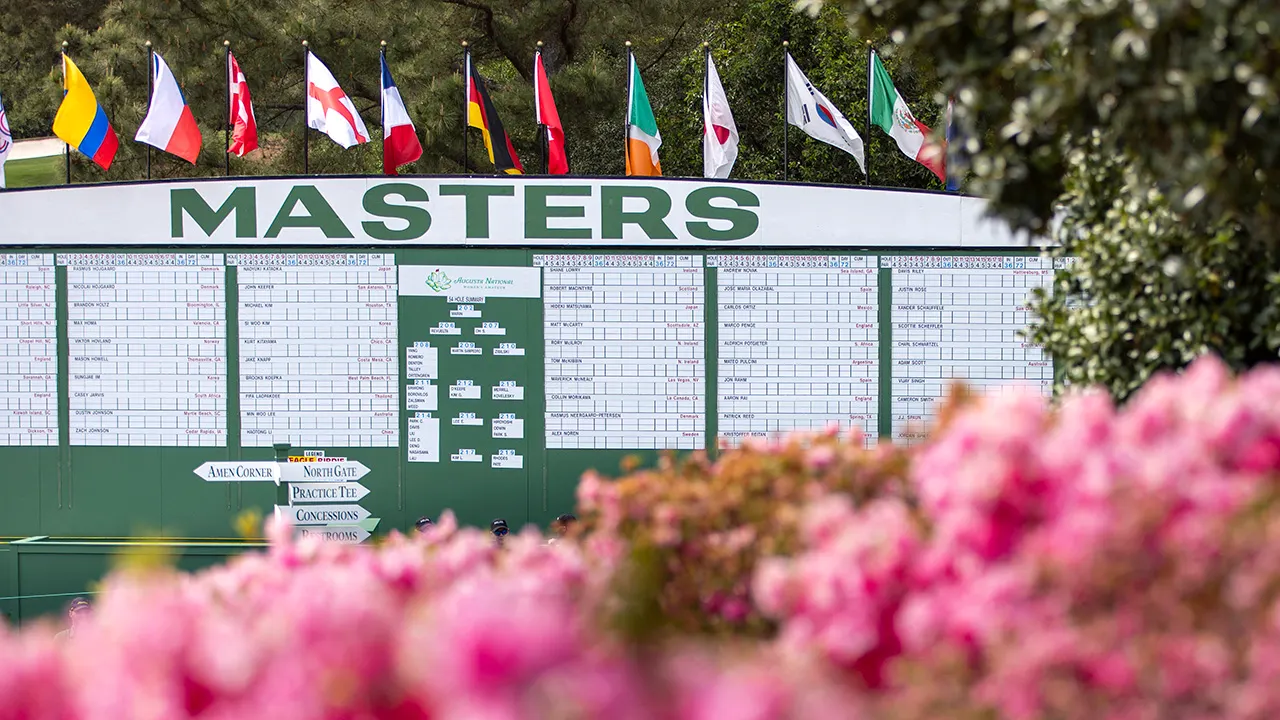
The main leaderboard is seen following the final round of the Augusta National Women’s Amateur at Augusta National Golf Club, Saturday, April 4, 2026.(Kieran Cleeves/Augusta National / Getty Images)
But the traditional business behind golf, especially the marketing side of the industry, has completely changed the sport. It requires a new playbook, as the nine-figure tour and player sponsorships just to get visibility on brands has become a thing of the past. The return on investment (ROI) expectations for marketing spend have intensified, pushing brands and their agencies to innovate beyond logo placement. The rise of digital media, influencer marketing, and direct-to-consumer engagement has fragmented traditional advertising models, demanding more nuanced and targeted strategies. Brands now seek authentic connections, measurable engagement, and bespoke activations that resonate deeply with specific demographics, rather than broad, expensive exposure.
WME Sports, which represents some of the best athletes, coaches, broadcasters, executives and more across all sports, has been leading the charge on that altered playbook, and this week is critical in doing so with golf above all else in the industry. Their expertise lies in navigating this evolving landscape, crafting partnerships that deliver tangible value and leverage the unique appeal of their clients to drive brand equity and market share. The agency’s role has shifted from simply securing endorsements to acting as strategic consultants, advising on content creation, digital footprint optimization, and experiential marketing initiatives.
WME Sports golf agents Sean Guerrero and Jordan Lewites gave an inside look at Masters week within the industry during an interview with FOX Business, where they shared insight and their own excitement for what this week means for them and their clients. Their perspective underscores the strategic intensity that permeates Augusta well beyond the course boundaries.
GOLF ATTIRE BRAND PARTNERS WITH KELCE BROTHERS’ GARAGE BEER AHEAD OF MASTERS TOURNAMENT
“Masters week within the golf industry is interesting,” Guerrero, who has been in the golf business for well over a decade, explained. “Obviously, it’s the most magical week of the year, and all of us getting into the golf industry have had so many different memories along our journey. As you enter the golf industry, you find it’s a unique opportunity where all of the decision makers are in one concentrated area, and everybody’s obsessed with golf. They want to grow how they show up in the sport in new, creative ways. This concentration creates unparalleled efficiencies for deal flow and strategic alignment, compressing months of meetings into a single week.”
“While in the industry, we’re excited for the glitz and glam of the Masters, we’re also excited that we all get to gather together to meet, catch up, and really network across the industry to provide new ways, at least from our perspective, to create how these companies show up in the sport we love.” This sentiment highlights the significant human capital aggregation at the Masters, which serves as an informal yet highly effective industry trade show, fostering collaboration and competitive intelligence gathering. The value of these in-person interactions, particularly in a relationship-driven sector like sports marketing, cannot be overstated.
Lewites, who works with PGA Tour starJordan Spieth, golf influencer Paige Spiranac and many more, echoed Guerrero’s sentiment, as he believes the Masters allows access to every sector of the industry. His diverse client roster exemplifies the multifaceted approach now required, blending traditional athlete endorsements with the burgeoning power of digital influencers to reach broader, more engaged audiences.
“We’re so lucky in the golf industry, especially us that work around the PGA Tour and LPGA Tour and any professional golf tours, there’s one event per week that is the focus. Specifically, there’s four weeks a year – I’ll even throw The Players in there. There’s five times a year where it becomes an industry conference for us,” he said. “… We can see everyone from the brand side, the media side, the talent side, and the event side of the business. The governing bodies, everybody’s there. And the Masters is our kick-off to start having latter half of ’26 and ’27 discussions for new deal flow, pipeline and see what folks have planned. It’s everybody’s big launch. Domestically, half the country is going to start playing golf for weather changing. So, it’s the biggest week for the golf industry and kinda kicks off the year.” This perfectly encapsulates the Masters as a launchpad for future market strategies and capital allocation, timing perfectly with the seasonal uplift in golf participation and consumer interest.
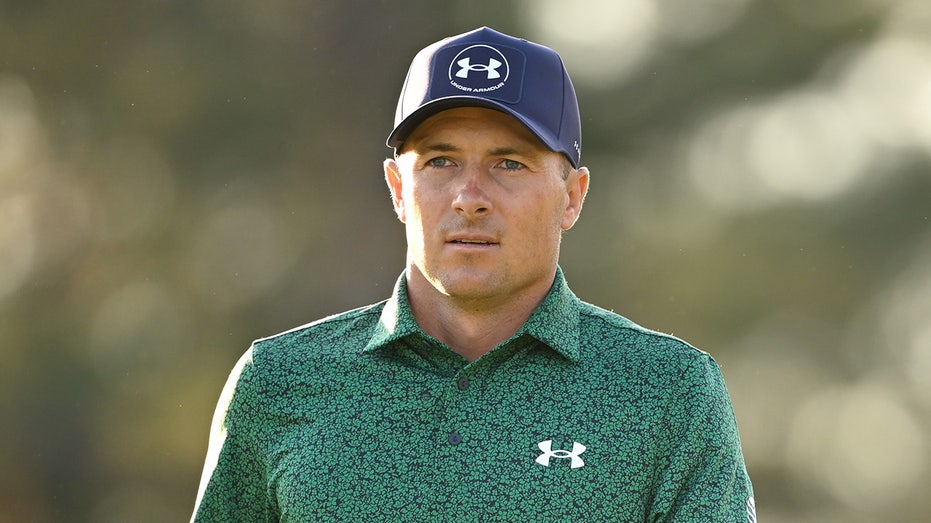
Jordan Spieth walks on the 17th green during the second round of the Masters Tournament at Augusta National Golf Club on April 11, 2025, in Augusta, Georgia.(Ben Jared/PGA TOUR / Getty Images)
The Masters is built on tradition, and it’s why so many, from the casual fan to the golf superfan, tune in to watch every April. But golf has seen a tremendous shift in how brands can get involved in the sport, and agents like Guerrero and Lewites are helping those brands make an impact they didn’t think was possible in the past. This involves a delicate balance of respecting the reverence for tradition while embracing modern engagement tactics that drive measurable outcomes. The demand for authentic experiences and direct interaction with the sport’s ethos is a key driver for brands investing in the Masters environment.
While meetings “under the tree” by the clubhouse still occur, as Lewites mentioned considering the technology ban at Augusta National, brand activations, dinners, conferences and much more occur in town all week long. This “off-campus” activity represents a significant economic opportunity for the local Augusta economy, from hospitality to logistics, and for brands seeking to create immersive experiences. Whether it’s stepping into a brand’s hospitality house to check out new gear and interact with their visionaries, or meeting PGA Tour legends during a dinner after watching some golf, or even playing at courses around the area, this is where agencies like WME Sports thrive in building connections and bridging gaps for their clients to enter the golf space. These sophisticated hospitality programs are not merely perks; they are carefully curated investment vehicles designed to foster client loyalty, generate leads, and facilitate high-level networking in an intimate, exclusive setting.
“I think it’s like 500-plus corporate houses that we have through (WME’s sister company) On Location, and a lot of our golf consulting clients use On Location as well for their corporate housing meetings. Whereas we used to do it ourselves, we have an amazing sister company to do that with. It’s become very structured and very detailed-oriented,” Lewites detailed. This highlights the professionalization and scaling of experiential marketing around major events, turning bespoke hospitality into a high-value, organized service sector. The meticulous planning ensures that every interaction maximizes brand exposure and client satisfaction.
SWAG GOLF TEAMS UP WITH NFL FOR CUSTOM HEADCOVERS THAT BRING STADIUM ENERGY TO THE COURSE
“There are hosted dinners every single night that we are providing talent to on most cases. Cameron McCormick, Jordan’s coach, Sean Foley is booked every single night at the Masters, doing speaking engagements sometimes as intimate as six people.
“We’re seeing a lot of inbound finally across the board from companies that realize the Masters is truly the ultimate hospitality opportunity.” This surge in demand reflects a broader recognition of the Masters’ unique value proposition in reaching an affluent, engaged demographic, offering a unparalleled platform for relationship building and brand storytelling that transcends conventional advertising.
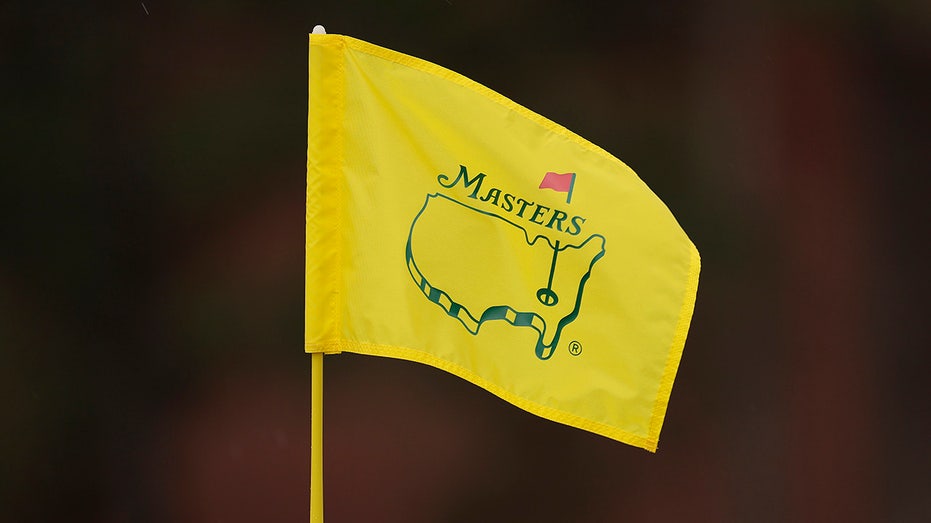
A detailed view of a pin flag on the ninth green during a practice round prior to the 2025 Masters Tournament at Augusta National Golf Club on April 7, 2025, in Augusta, Georgia.(Harry How/Getty Images / Getty Images)
A prime example of the type of opportunities WME Sports is creating for their clients is what Guerrero did with a great Masters tradition – John Daly’s “home” for the week. This case study perfectly illustrates the blend of tradition, innovation, and strategic asset utilization that defines modern sports marketing.
While he hasn’t played in the Masters in years, Daly, a fan-favorite in the golf world, would stay in an RV, specifically at a Hooters restaurant in town, where he would interact with fans with autograph signings and picture taking. But his usual set-up was scrapped, as that Hooters location was torn down before this year’s tournament. The loss of this informal, yet iconic, fan engagement point presented a unique marketing challenge and opportunity.
Enter Guerrero, who helped Daly’s team getconnected with Topgolf, the high-tech driving range and lounge company, who wanted some more eyes and attention on their Augusta location. This partnership is a testament to creative problem-solving and leveraging brand synergy. Topgolf, a modern, experience-driven golf entertainment venue, aligned perfectly with Daly’s approachable, fan-friendly persona, creating a fresh activation that honored tradition while embracing innovation. It allowed Topgolf to capitalize on the Masters’ buzz, drive traffic to its venue, and associate its brand with a beloved golf icon, all while providing a valuable service to Daly and his fans.
“They re-homed him on Thursday and Friday out there. Keeping that tradition alive,” Guerrero said. “We can be a resource for these brands in so many different ways.” This demonstrates the expanded role of sports agencies as strategic partners, not just facilitators, in orchestrating meaningful and commercially viable brand experiences. Guerrero called “Creative and change” the optimal approach for navigating the future of golf marketing, emphasizing agility and innovative thinking in a rapidly evolving market.
Market Impact:
The Masters Tournament’s financial and market impact extends far beyond golf, serving as a microcosm of broader trends in sports economics, media rights, and brand engagement. The significant investment by corporations in hospitality, talent partnerships, and bespoke activations underscores the enduring value of live sports as a premium marketing platform, particularly for high-net-worth demographics. The shift towards experiential marketing and data-driven ROI measurement at events like the Masters signals a maturing sports sponsorship landscape where brands demand more tangible returns and deeper consumer connections. This trend will likely drive further innovation in how agencies structure deals, how athletes monetize their personal brands, and how media companies deliver content. Moreover, the economic ripple effect on local economies, coupled with the global media exposure, cements the Masters’ position as a powerful, perennial asset in the global sports industry, influencing investment decisions, brand strategies, and consumer behavior for months to come. The emphasis on networking and deal flow during Masters week also highlights the continued importance of in-person interactions in a globalized, digital business environment, fostering relationships that underpin multi-million dollar agreements and shape the future trajectory of the sport.
The golf industry is undergoing a significant transformation, moving beyond its traditional roots to embrace a dynamic landscape driven by technological innovation, strategic brand partnerships, and the burgeoning creator economy. This evolution is attracting substantial investment, fostering new revenue streams, and cementing golf’s position as a robust, long-term growth market.
Key Takeaways:
- **Tech & Data Drives Valuation:** Advanced analytics and technology are enhancing golf’s appeal, optimizing operations for governing bodies, and creating new monetization opportunities in media rights, fan engagement, and betting markets.
- **Licensing & Lifestyle Fuel Brand Growth:** “Cult-favorite” brands are leveraging strategic licensing partnerships and a unique “consumer for life” model to achieve exponential revenue growth and market penetration, attracting major retailers and investors.
- **Creator Economy & Strategic Facilitators:** Agencies like WME Sports are pioneering the monetization of digital influence and athlete-creator partnerships, unlocking new avenues for brand exposure, product sales, and direct consumer engagement in the evolving sports landscape.
The contemporary golf space is a hotbed of innovation and financial opportunity, attracting diverse players from data-driven tech firms to agile, brand-focused enterprises. Whether it’s data and technology companies like CapTech helping the governing bodies in golf with their statistics and analytics, or smaller, cult-favorite brands like Swag Golf finding that corporate avenue, WME Sports uses events like the Masters to get the ball rolling, or keep it rolling, in the right direction to make impacts they might not have thought possible.
For instance, the integration of sophisticated analytics, as facilitated by CapTech for governing bodies, is not merely about enhancing player performance or spectator experience. From a market perspective, this data underpins more accurate handicapping systems, informs media rights negotiations by demonstrating engagement metrics, and is crucial for the integrity and expansion of the rapidly growing sports betting market. These technological advancements drive operational efficiencies and create new revenue streams that were previously untapped, contributing directly to the sport’s overall economic valuation.
The success story of Swag Golf exemplifies the potent blend of niche appeal and strategic market activation. Swag Golfcreated a partnershipwith Bryson DeChambeau, the two-time U.S. Open champion who has also embraced the creator space in golf, which is something WME Sports has helped pioneer, especially with its work alongside Good Good Golf. This alliance highlights the increasing financial leverage of athlete endorsements and the burgeoning creator economy within sports. DeChambeau, as a prominent golf influencer, directly impacts brand visibility and product desirability, translating into tangible sales and brand equity growth.
“We started working with Swag when they were doing a couple million bucks in revenue,” Lewites said. “We knew they were on pace to do $50 million in shared revenue, and we’d help build their entire licensing program, so all of their head covers that you see that are everything from WWE, MLB, NBA, NFL – they have partnerships with all of them. They have an amazing partnership with DICK’S. They’re in every DICK’s and Golf Galaxy location with their hometown heroes collection, and their collegiate licensing program we put together for them. Again, here’s a small golf company now that showed how brands can activate and how that’s changed.” This meteoric rise from $2 million to a projected $50 million in revenue demonstrates the immense power of a diversified licensing strategy. By aligning with established sports and entertainment behemoths like the WWE, MLB, NBA, and NFL, Swag Golf has effectively expanded its market reach beyond the core golf demographic, tapping into vast fan bases and capitalizing on existing brand loyalties. This not only significantly boosts top-line revenue but also elevates brand recognition and positions Swag Golf as an attractive acquisition target or investment opportunity, showcasing a high return on investment for strategic partnerships.
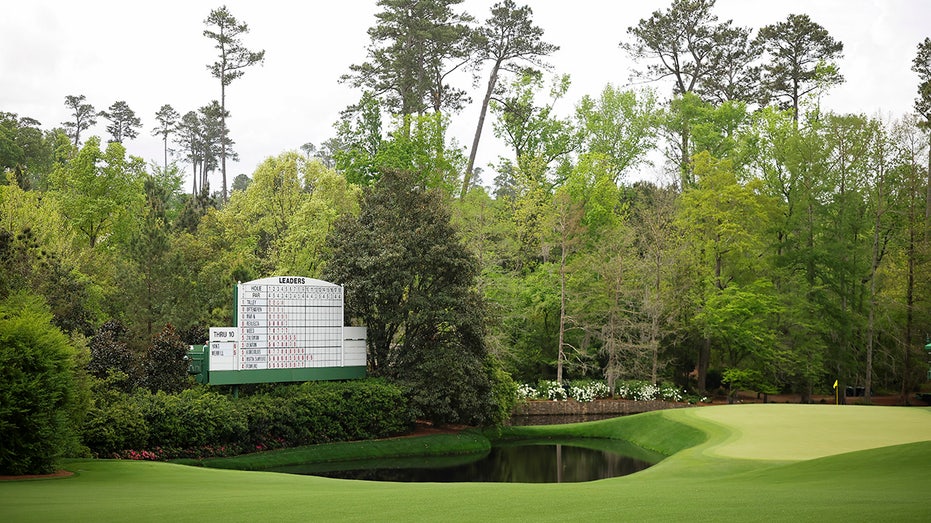
A general view of the 11th hole green during the third round of the Augusta National Women’s Amateur at Augusta National Golf Club on April 4, 2026, in Augusta, Georgia.(Hector Vivas/Getty Images / Getty Images)
Guerrero added: “Golf is unlike any other sport. If you’re a fan of golf, you play it and you consume it’s products. I’m a big baseball guy, I’m a big football guy. I’m not playing baseball on the weekends. It’s such a unique lifestyle sport, where if you’re a fan of it, you consume it’s products and you have a consumer for life. Yeah, you can start at three and play until 93.” This “consumer for life” paradigm is a critical differentiator for investors. It implies exceptionally high customer lifetime value (CLV) and a resilient, deeply engaged consumer base. Unlike passive spectator sports, golf actively involves its fans as participants, leading to continuous consumption of equipment, apparel, accessories, instruction, and travel. This consistent demand underpins stable revenue streams and offers a predictable growth trajectory for companies operating in the golf ecosystem.
“So, all of these brands on the outside of golf wanting to join the industry and see the value of it – I truly root for everybody across the space. Whether we work with them or not, we all grow together.” The influx of non-golf brands into the sector is a strong indicator of the market’s perceived value and growth potential. This increased external investment fuels competition, drives innovation, and expands the overall market pie. It validates golf as a viable and attractive platform for brand activation and consumer engagement, demonstrating a rising tide that lifts all boats across the industry.
GET FOX BUSINESS ON THE GO BY CLICKING HERE
Golf truly is a lifestyle compared to other sports. Not only do golfers play the game throughout the year, they’re also consuming the products they see their favorite athletes using each day on the course. This active participation translates directly into robust consumer spending across multiple categories, from high-value equipment to recurring purchases of balls, apparel, and green fees. This sustained engagement creates a lucrative marketplace for manufacturers, retailers, and service providers alike.
The Masters also accentuates that point, which is why WME Sports and the rest of the industry is excited to get down to Augusta and continue its impact on this ever-evolving game at one of its signature events. The Masters Tournament serves as a pivotal annual tentpole event, strategically leveraged by brands for peak marketing impact. “Everybody’s thinking about golf, and after the Masters hits, everybody’s got the bug,” Guerrero said. “A lot of these companies place a premium on either showing up at or around the Masters, or launching products or new services or new whatever it is along that same timeline.” This highlights the seasonal demand spikes and the strategic importance of aligning product launches and marketing campaigns with major events to capture maximal consumer attention and spending. The halo effect of the Masters drives not just sales but also brand sentiment and market buzz for the entire golf industry.
Follow Fox News Digital’s sports coverage on X and subscribe to the Fox News Sports Huddle newsletter.
Market Impact:
The golf industry presents a compelling investment thesis, characterized by resilient consumer demand, diversified revenue streams, and a strong embrace of technological innovation and digital monetization. For investors, this translates into opportunities in golf-tech startups, established equipment and apparel manufacturers expanding their licensing portfolios, and agencies facilitating the burgeoning creator economy within sports. The sector’s unique “lifestyle sport” appeal ensures a high customer lifetime value, while major events like the Masters provide predictable periods of heightened market activity and consumer spending. As external brands continue to recognize its value, expect sustained capital inflow, driving further innovation, market expansion, and potentially attractive M&A activity across the golf ecosystem.