
Key Takeaways:
- Escalating Content Security Risks:The $105 million lawsuit against Netflix for the alleged loss of an unencrypted film highlights the growing financial and reputational stakes associated with intellectual property security in the digital streaming landscape, drawing investor scrutiny to operational risk management.
- Producer Relations & Content Pipeline Under Scrutiny:This high-profile dispute, involving accusations of negligence and cover-up, could strain Netflix’s vital relationships with independent producers and top talent, potentially influencing future content acquisition strategies and its competitive edge in a crowded market.
- Financial & Operational Headwinds:Beyond the immediate legal costs, the case raises questions about Netflix’s internal security protocols and liability standards, prompting investors to consider potential impacts on profitability, long-term shareholder value, and the company’s ability to safeguard its most valuable assets.
Check out what’s clicking on FoxBusiness.com.
Netflix (NFLX) is facing a significant legal challenge that has sent ripples through the entertainment industry and caught the attention of investors monitoring content security protocols. The streaming behemoth has been sued for allegedly losing an unencrypted copy of a high-value Nicolas Cage thriller, “Fortitude,” a film estimated to be worth $45 million in production costs and projected to generate substantial revenue. This incident, which reportedly took seven years to produce, exposes the unreleased film to potential piracy and leaks, creating a severe operational and reputational risk for the company.
The lawsuit, which seeks a staggering $105 million in damages, was filed by Op-Fortitude Ltd. and its owner, Swiss film producer and financier Simon Afram. Beyond the immediate loss, the plaintiffs have accused Netflix of attempting to cover up the security breach, an allegation that, if proven, could have far-reaching implications for Netflix’s market standing and its relationships with content creators.
The film, “Fortitude,” is based on the real-life World War II Operation Fortitude, a massive Allied deception campaign designed to convince Nazi Germany that the D-Day invasion would occur elsewhere. The operation had relied on a fake army, double agents and false radio traffic. The historical significance and cinematic potential of such a project underscore the immense value of the intellectual property at stake, making its alleged loss a critical concern for investors focused on Netflix’s content pipeline and asset protection.
According to the lawsuit, the incident caused devastating financial losses by compromising the film’s first-to-market exclusivity and distribution value. This forced the plaintiffs to temporarily pause marketing and sales efforts ahead of awards season – a crucial window for maximizing a film’s prestige, critical acclaim, and ultimately, its commercial appeal and revenue generation. The disruption of a meticulously planned awards campaign represents a direct blow to the film’s potential market value and highlights the fragility of content monetization strategies in the face of security failures.
‘ODYSSEY’ STARS ZENDAYA, ANNE HATHAWAY AND MATT DAMON TURN HEADS AS DIRECTOR CHRISTOPHER NOLAN FACES BACKLASH
A hand holds a TV remote with a Netflix button in front of a television displaying the company’s logo.(Nikos Pekiaridis/NurPhoto via Getty Images / Getty Images)
The complaint highlights the significant commercial potential of “Fortitude,” stating that test screenings projected an impressive 82% “top-two box” audience score. This metric, indicating strong audience approval, led to conservative estimates that the movie would generate at least $112.5 million in revenue — roughly 2.5 times its production budget. For Netflix, a company whose market valuation is heavily tied to its ability to consistently deliver high-quality, exclusive content, the alleged loss of such a promising asset represents not just a potential legal liability but a missed opportunity for subscriber engagement and competitive differentiation.
In a statement to FOX Business, Netflix denied wrongdoing, arguing that the movie was delivered without industry-standard safeguards such as password protection or encryption. The company also accused the plaintiffs of making “hostile attempts to extort money from Netflix over this situation.” This defense points to a broader debate within the industry regarding the shared responsibility for content security between creators and distributors, a discussion that could influence future contractual agreements and liability clauses across the streaming ecosystem.
The dispute stems from a private screening Netflix reportedly requested between late 2025 and mid-2026. This common industry practice facilitates early evaluations, but the security protocols surrounding these screenings are now under intense scrutiny.
While the plaintiffs alleged Netflix requested an unlocked or unencrypted copy to streamline the screening process, Netflix disputed that claim, stating that security safeguards are standard practice and that the filmmakers voluntarily chose to provide an unencrypted version. This disagreement over standard operating procedures highlights a critical area of potential miscommunication or negligence that could set a precedent for future content deliveries and spark concerns among investors about Netflix’s internal controls and vendor management.
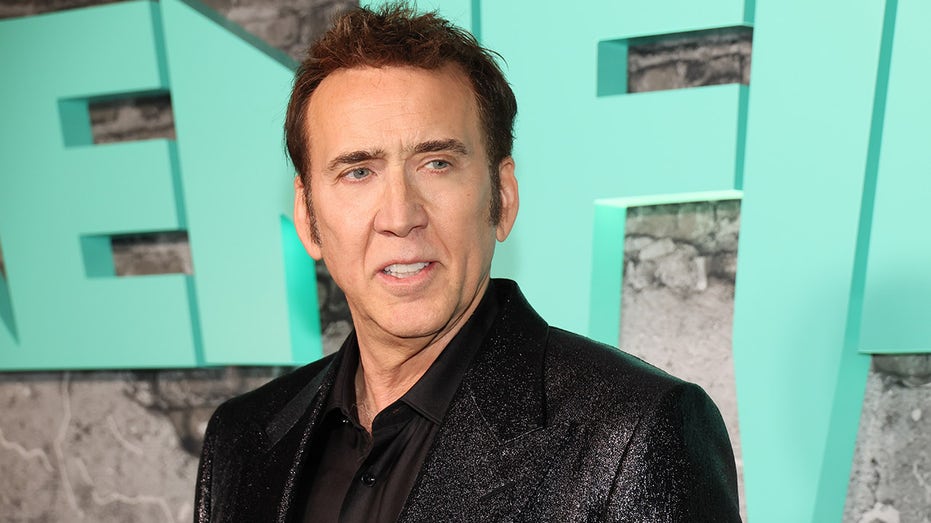
Nicolas Cage attends a premiere at the Museum of Modern Art on March 28, 2023, in New York City.(Photo by Dia Dipasupil / Getty Images)
According to the lawsuit, the plaintiffs informed Netflix both verbally and in writing that the drive was unencrypted and instructed the company to delete the files from its projection system after the screening. After an unencrypted digital master drive was delivered to Netflix’s Hollywood studio on June 15, 2026, Netflix held the screening on June 16. The media giant then allegedly left the unencrypted file unattended on an office desk without basic physical or digital security controls, where it later disappeared, plaintiffs said. Such allegations of lax physical security in a high-value content environment could erode investor confidence in Netflix’s operational diligence.
The lawsuit alleged Netflix concealed the breach by repeatedly postponing or ignoring requests from the plaintiffs to arrange pickup of the drive between June 17 and June 25. The plaintiffs said it was not until June 25 that a Netflix executive emailed them stating that “someone stole a good amount of drives from our office desks this past week.” Netflix has denied these allegations, saying it notified the appropriate parties as soon as its team became aware of the incident. The timeline of notification is crucial here, as delays could intensify accusations of cover-up and further damage Netflix’s credibility with its partners and the investment community.
CHRISTOPHER NOLAN CONFIRMS BIZARRE ‘THE ODYSSEY’ CASTING CHOICES INCLUDING RAPPER TRAVIS SCOTT
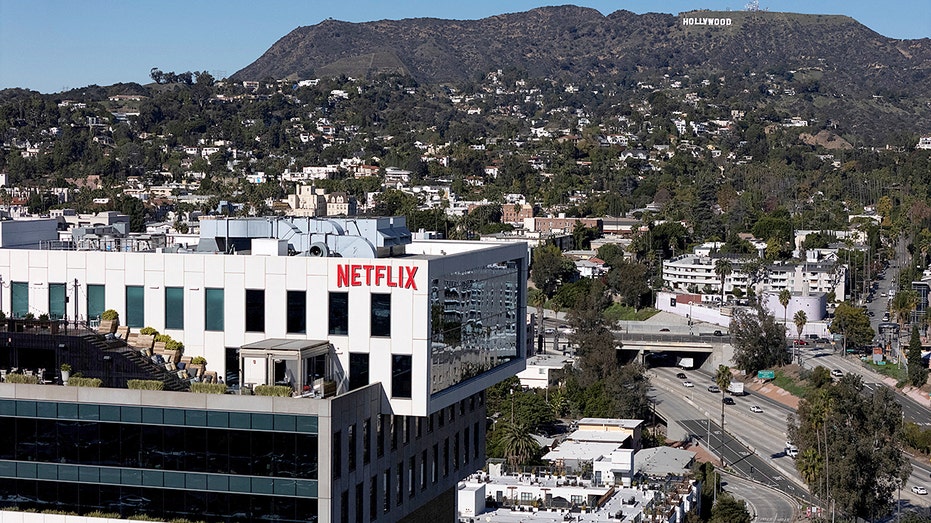
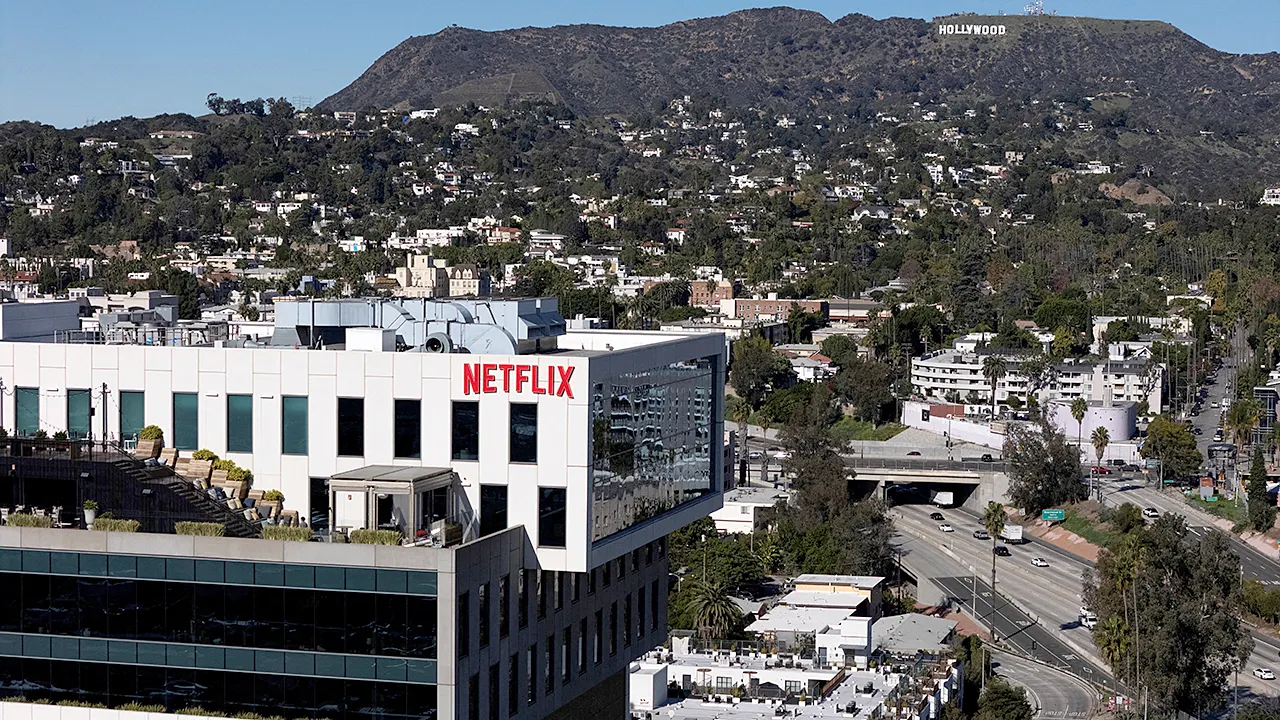
A drone view shows the Netflix logo on one of its buildings in the Hollywood neighborhood of Los Angeles, California, Dec. 8, 2025.(Daniel Cole/Reuters / Reuters)
The plaintiffs further accused Netflix of trying to downplay the incident by claiming the stolen drive required an encryption key to access the film, despite knowing the drive was unencrypted. The lawsuit also claims Netflix offered to reimburse only the cost of the physical drive and referred to the asset as “missing” rather than “stolen.” These alleged actions could be interpreted by the market as an attempt to minimize a serious security lapse, potentially exposing Netflix to further reputational damage and legal liability.
In a statement to FOX Business, “Netflix disputes any claim that it bears the risk of loss for a film delivered without the proper industry-standard safeguards,” the company said. “While we do not own the rights to Fortitude, we take content security seriously and have taken extra measures to support the filmmaker and his team. This includes conducting a thorough investigation and offering to monitor known piracy sites for any unauthorized distribution or sale.” This stance underscores Netflix’s commitment to protecting its own IP but places the onus of initial security on the content providers, a point that will likely be hotly contested in court and could reshape future content delivery protocols across the industry.
The plaintiffs also accused Netflix and its outside counsel of refusing to answer basic questions about the company’s internal investigation, including whether a police report had been filed, and declined to cooperate with the Los Angeles Police Department after the filmmakers filed their own report. Such alleged non-cooperation could be viewed negatively by regulatory bodies and reinforce perceptions of a company prioritizing self-preservation over transparency, potentially impacting its corporate governance ratings.
| Ticker | Security | Last | Change | Change % |
|---|---|---|---|---|
| NFLX | NETFLIX INC. | 73.17 | -0.46 | -0.62% |
CLICK HERE TO GET FOX BUSINESS ON THE GO
In response, Netflix said it withheld details of its investigation because of what it described as the plaintiffs’ conduct, claiming they had initially demanded $165 million for the film rather than work with the company. “We have declined to share anything about our ongoing investigation with the law firm representing Simon Afram, given their hostile attempts to extort money from Netflix over this situation — including immediately demanding $165 million for the film rather than work with us in good faith.” This counter-accusation of extortion adds another layer of complexity to the legal battle, painting a picture of aggressive negotiation tactics from both sides.
The company added that its content security team is actively monitoring piracy websites for unauthorized copies of the film and said it has found no evidence that “Fortitude” has been leaked. While this offers some reassurance regarding immediate piracy concerns, the broader issue of alleged negligence and potential liability remains a significant overhang for Netflix shares and its market reputation.
Market Impact:
This high-stakes lawsuit against Netflix arrives at a critical juncture for the streaming industry, where content exclusivity and robust intellectual property protection are paramount for competitive advantage and subscriber retention. For NFLX investors, the allegations of negligence and a potential cover-up translate into heightened operational risk, casting a shadow over the company’s internal security protocols and vendor relationships. A potential $105 million judgment, while not catastrophic for a company of Netflix’s scale, represents a material hit to earnings and could trigger increased legal scrutiny and compliance costs. More significantly, the dispute could sour relations with independent producers and creative talent, making it harder for Netflix to secure premium content in a fiercely competitive market where rivals like Disney+, Max, and Apple TV+ are aggressively vying for exclusive titles. The ongoing legal battle will likely prompt other studios and streamers to review and strengthen their own content handling and security policies, potentially leading to more stringent contractual terms and increased due diligence for all parties involved in digital content distribution. The outcome will be closely watched as a bellwether for how the industry manages content security liabilities in the evolving landscape of global production and streaming.