
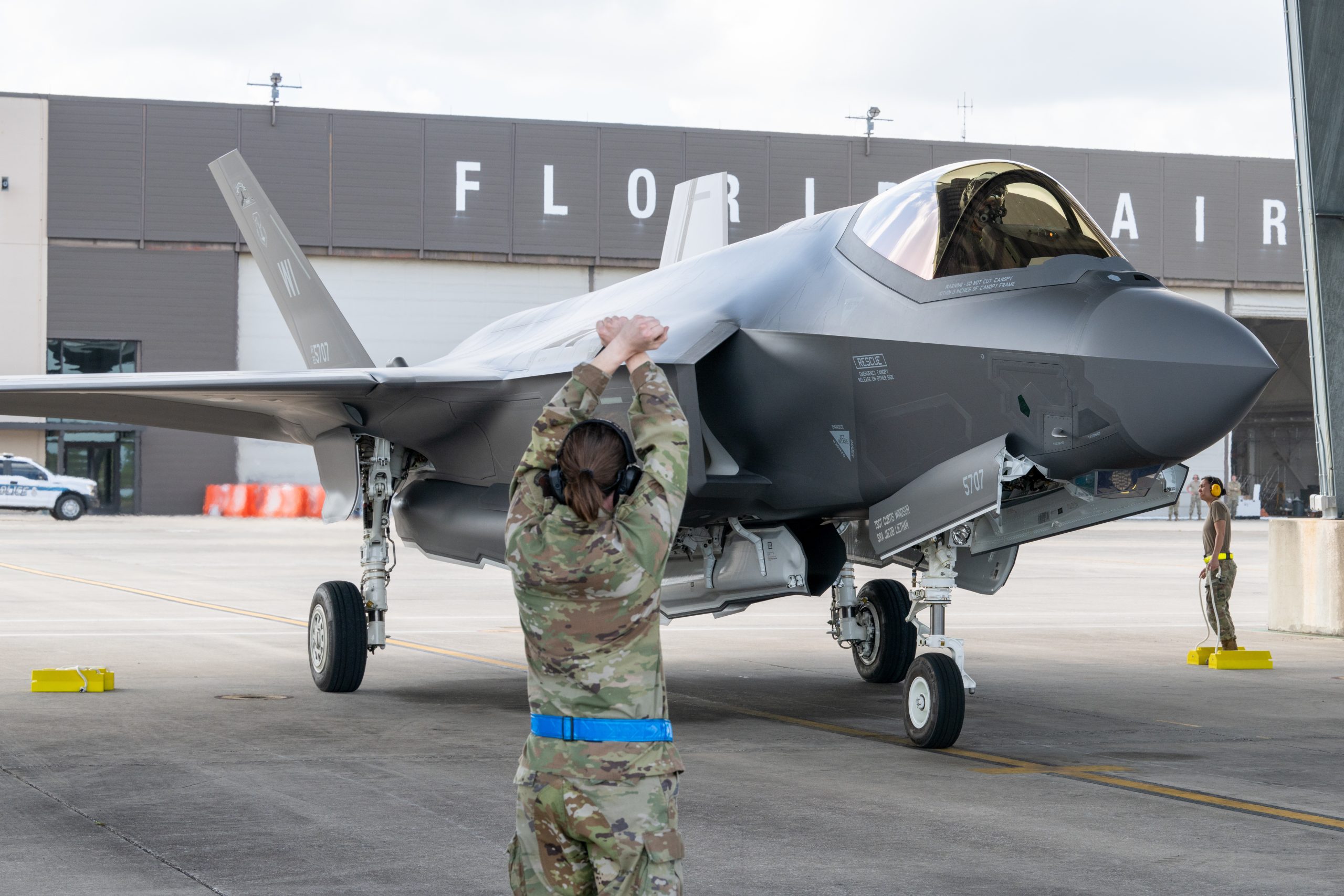
The U.S. Air Force is embarking on a significant and multi-year transformation of its aircraft maintenance career fields, a crucial effort aimed at modernizing how it recruits, trains, and develops its maintainers. While initially planning to drastically condense approximately 50 existing specialties into a mere seven, the strategy has evolved, with officials now targeting a more nuanced framework of 14 distinct Air Force Specialty Codes (AFSCs).
Lt. Gen. Kenyon K. Bell, the Deputy Chief of Staff for Logistics, Engineering, and Force Protection, confirmed in a recent interview with Air & Space Forces Magazine that a pilot program for this sweeping overhaul is slated to commence in mid-to-late 2027. Bell emphasized the extensive nature of the undertaking, describing it as a “multiyear transformation” that will require considerable time to fully implement across the service.
Background: The Initial Vision
The Air Force first unveiled its ambitious career field transformation plan for maintenance Airmen in January 2025. The core idea was to streamline the complex array of maintenance roles, fostering greater flexibility and adaptability within the force. Under this initial strategy, enlisted Airmen would begin their careers on a generalist track, focusing on a single AFSC designed to impart common maintenance skills applicable across various aircraft, such as recovery and fueling operations. As Airmen progressed to the rank of Senior Airman and prepared for non-commissioned officer roles, they would then specialize in one of six non-aircraft-specific areas. These proposed initial specialties were:
- Avionics and Electrical: Combining avionics with the electrical aspects of Environmental and Electrical (E&E) systems.
- Aerospace Ground Equipment: Maintaining its current structure.
- Advanced Mechanical: Integrating roles like crew chiefs, fuels specialists, hydraulics, and the flight line aspects of engine maintenance.
- Crew Support Systems: Merging ejection seat systems with the environmental side of E&E.
- Fabrication: Encompassing aircraft structural maintenance, aircraft metals technology, and nondestructive inspection.
- Intermediate-level Engines: Dedicated to intermediate-level engine maintenance.
The Evolving Strategy: 14 Specialties and New Pathways
Following extensive internal consultation and feedback from Airmen, the Air Force has refined its approach. The revised plan maintains a similar initial phase, where new maintainers will enter as Aviation Maintenance Technicians (AMTs). For their first 18 months of service, AMTs will undergo training focused on maintenance fundamentals applicable to multiple airframes. A critical component of this foundational training, according to Lt. Gen. Bell, is instilling a deep understanding of “sortie generation” – the process of preparing aircraft for flight and ensuring their operational readiness, particularly in contested environments.
“We’re an Air Force. We fly, fix, fight, and win. And the first thing that we want to be able to do is make sure that as all of our maintainers come in, they understand what sortie generation is about,” Bell stated. “If you can’t get the aircraft off the ground, then what are we really here for?”
After this initial 18-month period, maintenance Airmen will transition into a more specialized track, selecting from a newly defined list of 14 different specialties. While the Air Force has not yet released the full, refined list, an Air Force spokesperson indicated that it will include six “aircraft-agnostic” specialties, distinct from the original six proposed, and eight additional specialties categorized across three different aircraft groups:
- Fighter/Attack
- Mobility/Strike
- Tactical Lift/Rotary
This refinement stems directly from comprehensive feedback. Bell highlighted that the service established 10 different working groups, engaging nearly 280 maintainers from across the Air Force to help shape the strategy and its specifics. A notable enhancement in the revised plan is the introduction of an option for Airmen to change their specialty later in their careers. This contrasts with the current system, where an Airman’s initial career field is largely determined by their score on the Armed Services Vocational Aptitude Battery (ASVAB) test, often taken while still in high school.
“How well they did on that ASVAB test could probably determine what career field they went into and where they were going to spend the next 20 years of their life; something just doesn’t sit right about that,” Bell remarked. “And if we have the ability to now say, hey, ‘this may be where you scored and which you what you were selected for, but maybe now with a little more maturity, and now that we have shown you some other things, maybe there’s a different path still within the aircraft maintenance career field…maybe you want to choose this specialty over another.’ So, I’m really excited about that aspect of it. There is a little more optionality that also matches up with Air Force needs.”
Further enhancing specialization, the plan includes a highly selective Master Aviation Technician (MAT) track. This pipeline is designed for a small percentage of the maintenance force, cultivating cross-functional technical experts focused on diagnosing and resolving complex issues on specific aircraft. These MATs are envisioned as a core group of highly skilled individuals who can be relied upon to address difficult problems as personnel rotate.
Addressing Concerns and Future Outlook
The initial announcement of the new strategy generated concerns among both current and former Air Force maintainers. Critics voiced worries that the changes could dilute expertise across the career field and diminish the ability of local leaders to solve intricate maintenance challenges. Questions also arose regarding the feasibility of implementing such a major shift amidst existing maintenance manning shortages.
Lt. Gen. Bell acknowledged these concerns as “valid” but emphasized that “with any change, you’re going to have some amount of pushback to it.” He underscored the importance of the feedback process, actively seeking input from “constructive disruptors” to refine the plan. “To the maintenance Airmen that said, ‘I’m a naysayer and I don’t believe you in this’: give me your input and then help us try to mitigate that,” Bell urged, stressing the necessity of evolution: “We can’t continue to do what we’re doing now and think that we’re going to get a different result.”
Regarding the manning shortage, Bell suggested that the transformation could, in fact, aid retention. By instilling the importance of sortie generation early and providing greater career optionality, Airmen may find increased motivation and a stronger sense of purpose. “People want to add value, and their ability to be sortie generators early will show that they can add value—that’s why this two-way career field strategy, I believe, is going to be a benefit for us in the retention area,” he concluded.
Why This Matters
The U.S. Air Force’s overhaul of its aircraft maintenance career fields is not merely an administrative adjustment; it represents a critical strategic adaptation with far-reaching implications for national security, personnel development, and military effectiveness. This transformation addresses fundamental challenges facing a modern air force, particularly in an era of rapidly advancing technology and shifting geopolitical landscapes.
Operational Readiness and National Security:At its core, this initiative is about enhancing the Air Force’s ability to “fly, fix, fight, and win.” By creating a more flexible and adaptable maintenance force, the Air Force aims to improve aircraft availability and readiness, which are paramount for projecting power, responding to crises, and maintaining deterrence. In a potential conflict, especially against peer adversaries, the speed and efficiency with which aircraft can be maintained and returned to service will be a decisive factor. The emphasis on “sortie generation” underscores a shift towards a combat-focused maintenance culture, vital for sustained air operations under pressure.
Personnel Development and Retention:This reform directly impacts thousands of enlisted Airmen, influencing their recruitment, training, career progression, and job satisfaction. The move towards initial generalist training followed by specialized pathways, coupled with the flexibility to change specialties, offers Airmen more agency in their careers. This could lead to increased morale, better retention rates, and a more engaged workforce. By diversifying career options beyond a single ASVAB score determination, the Air Force is seeking to align individual aptitudes and interests with critical service needs, potentially addressing long-standing issues of talent management and manning shortages.
Strategic Adaptation to Modern Warfare:The Air Force operates in an increasingly complex and contested global environment. Modern aircraft are technologically sophisticated, requiring specialized yet adaptable maintenance skills. This overhaul signals the Air Force’s commitment to evolving its human capital strategy to match technological advancements and the demands of future conflicts. The creation of highly specialized Master Aviation Technicians (MATs) addresses the need for deep expertise in complex systems, ensuring that even as the generalist base expands, critical niche skills are preserved and enhanced.
Efficiency and Resource Optimization:While the transformation involves significant upfront investment in revised training programs and processes, the long-term goal is to achieve greater efficiency in resource allocation. A more flexible workforce can potentially be deployed more effectively, reducing reliance on narrowly defined specialists and optimizing personnel utilization across different airframes and missions. This could lead to cost savings in training, reduced aircraft downtime, and a more resilient logistics chain.
In essence, this overhaul is a proactive measure by the U.S. Air Force to ensure its maintainers—the backbone of its airpower—are equipped with the skills, adaptability, and motivation necessary to meet the challenges of the 21st century. Its success will directly influence the Air Force’s operational capabilities and its ability to secure U.S. interests globally.