
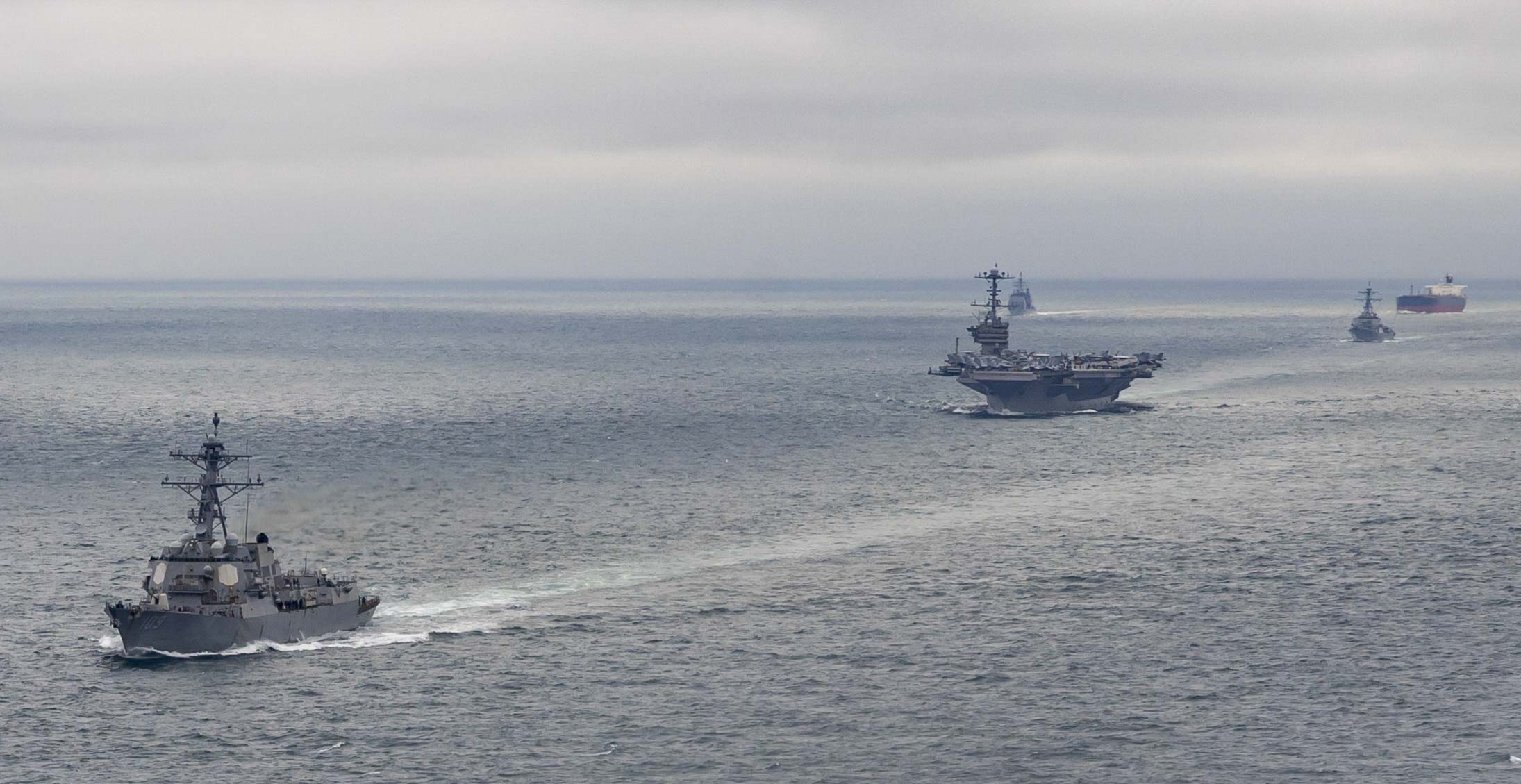
U.S. Navy Awards $5.1 Billion Contract for USS Harry S. Truman Aircraft Carrier Overhaul
The United States Navy has announced the award of a substantial $5.1 billion contract to Newport News Shipbuilding, a division of HII, for the Refueling and Complex Overhaul (RCOH) of the Nimitz-class aircraft carrier USS Harry S. Truman (CVN 75). This critical maintenance period, which includes the refueling of the ship’s two nuclear reactors and extensive modernization, is projected to conclude with the carrier’s return to the fleet in November 2031.
The contract utilizes a Fixed Ceiling Incentive structure, a mechanism designed by the U.S. Navy to foster a collaborative risk-sharing environment between the service and the shipbuilder. This innovative approach aims to incentivize improved performance against crucial delivery deadlines, potentially rewarding the shipbuilder for efficiency and adherence to schedule. This particular RCOH contract marks a significant milestone as the first to be awarded since the establishment of the Portfolio Acquisition Executive (PAE) Maritime office, indicating a new era of contracting strategies for major naval assets.
Rear Admiral Casey Moton, who serves as the Acting PAE Maritime, underscored the importance of this new contracting model in an official statement.“This award is the latest example of how we are leveraging innovative contracting approaches to drive improved outcomes,”Moton remarked. He further elaborated on the collaborative efforts, stating,“Our program management and contracting teams have worked side by side to arrive at a contract that incentivises schedule performance, addresses key lessons learned, shares risk appropriately so that we can re-deliver Truman to the Fleet on budget and on schedule.”This emphasis on shared risk and performance incentives reflects a strategic effort to mitigate the delays and cost overruns that have sometimes characterized previous complex naval overhauls.
An RCOH represents one of the most comprehensive and demanding maintenance periods an aircraft carrier undergoes during its operational life. The process involves the essential refueling of the carrier’s two nuclear reactors, a procedure that ensures the vessel can continue to operate for decades to come. Beyond nuclear refueling, the RCOH encompasses the extensive modernization, upgrade, and repair of virtually all of the ship’s systems. This includes critical propulsion systems, combat systems, communications infrastructure, and living quarters. The U.S. Navy characterizes this work as a complete recapitalization, vital for maintaining the ship’s operational relevance and technological edge through the latter half of its projected service life, which can exceed 50 years. The Navy estimates that an RCOH accounts for nearly a third of the total maintenance and modernization efforts an aircraft carrier will receive throughout its entire operational span, highlighting its monumental scale and strategic importance.
The USS Harry S. Truman will be the eighth Nimitz-class carrier to undergo this extensive process at Newport News Shipbuilding, following in the footsteps of previous vessels such as the Nimitz, Dwight D. Eisenhower, Carl Vinson, Theodore Roosevelt, Abraham Lincoln, George Washington, and John C. Stennis. Historical data indicates that recent overhauls have frequently extended beyond their initially planned durations. For instance, the USS George Washington spent nearly six years in its RCOH, ultimately returning to the fleet in 2023 after significant delays. Similarly, the USS John C. Stennis, which commenced its availability in 2021, has also encountered substantial schedule setbacks, underscoring the inherent complexities and challenges associated with these massive shipbuilding projects.
The future of the USS Harry S. Truman’s RCOH was itself once a subject of intense debate. In its fiscal year 2020 budget request, the U.S. Navy controversially proposed skipping the Truman’s RCOH entirely and retiring the ship early. The rationale behind this proposal was to reallocate funds to other perceived priorities, particularly in the development and acquisition of new naval capabilities. However, this plan met with strong opposition from various stakeholders, including members of Congress, who emphasized the strategic value and necessity of maintaining a robust carrier fleet. Following this significant legislative and public pushback, the Navy’s decision was reversed just weeks later, securing the carrier’s future and committing to its full service life through the scheduled overhaul.
Commissioned in 1998, the USS Harry S. Truman has been a consistent presence in U.S. naval operations, deploying repeatedly to critical regions such as the Mediterranean Sea and the Middle East. Its operational history includes numerous contributions to global security and stability. Its most recent deployment, which concluded in June 2025, saw the carrier strike group conduct targeted strikes against Houthi militant targets in Yemen, reflecting its ongoing role in regional conflicts. During this same deployment, the ship was involved in a collision with the merchant vessel Besiktas-M near Port Said, Egypt, in February 2025, an incident that led to the relief of its commanding officer. The carrier also experienced the loss of three F/A-18 Super Hornet aircraft during the deployment, including one instance of friendly fire involving the cruiser USS Gettysburg. Despite these operational challenges, the U.S. Navy anticipates that the USS Harry S. Truman will rejoin the fleet as the most technologically advanced carrier of the Nimitz class once its extensive overhaul is completed, poised to continue its service for decades to come.
Why This Matters
The $5.1 billion contract for the Refueling and Complex Overhaul (RCOH) of the USS Harry S. Truman carries significant implications across multiple domains, from national security and global geopolitics to economic stability and defense industrial policy.
Global Power Projection:Aircraft carriers like the USS Harry S. Truman are the cornerstones of U.S. naval power projection, serving as mobile sovereign airfields capable of deploying airpower anywhere in the world. Their presence signals resolve, deters aggression, and provides crucial support for diplomatic and humanitarian missions. Ensuring the Truman’s continued operational readiness through this RCOH directly impacts the United States’ ability to maintain its global strategic footprint and respond effectively to international crises for another 25 years.
Economic Impact and Industrial Base:This multi-billion dollar contract represents a substantial investment in the U.S. defense industrial base, particularly in the shipbuilding sector. Newport News Shipbuilding, one of the few facilities capable of undertaking such complex nuclear overhauls, will employ thousands of highly skilled workers for nearly a decade. This sustains critical manufacturing capabilities, supports local economies, and preserves a specialized workforce essential for national security. The contract’s structure, aiming to incentivize performance, also reflects a broader effort to optimize taxpayer investment in these crucial programs.
Defense Spending and Strategic Debates:The decision to proceed with the Truman’s RCOH, especially after a prior proposal to retire it early, highlights ongoing debates within the U.S. military and Congress regarding force structure, budget priorities, and the long-term viability of expensive legacy platforms versus investing in new technologies. This contract reaffirms the enduring strategic value placed on aircraft carriers by the U.S. government, despite the high costs and logistical challenges associated with maintaining an aging supercarrier fleet.
Technological Relevance:The comprehensive modernization embedded in the RCOH is vital for keeping the Nimitz-class carriers technologically relevant in an evolving threat landscape. Upgrading combat systems, communications, and other critical infrastructure ensures that the Truman can operate effectively alongside newer vessels and counter emerging threats, thereby extending its operational lifespan and maximizing the return on the initial investment in the ship’s construction.
In essence, this contract is not merely about maintaining a single ship; it is about preserving a core pillar of U.S. national defense, sustaining a vital industrial capability, and shaping the future of global naval power.