
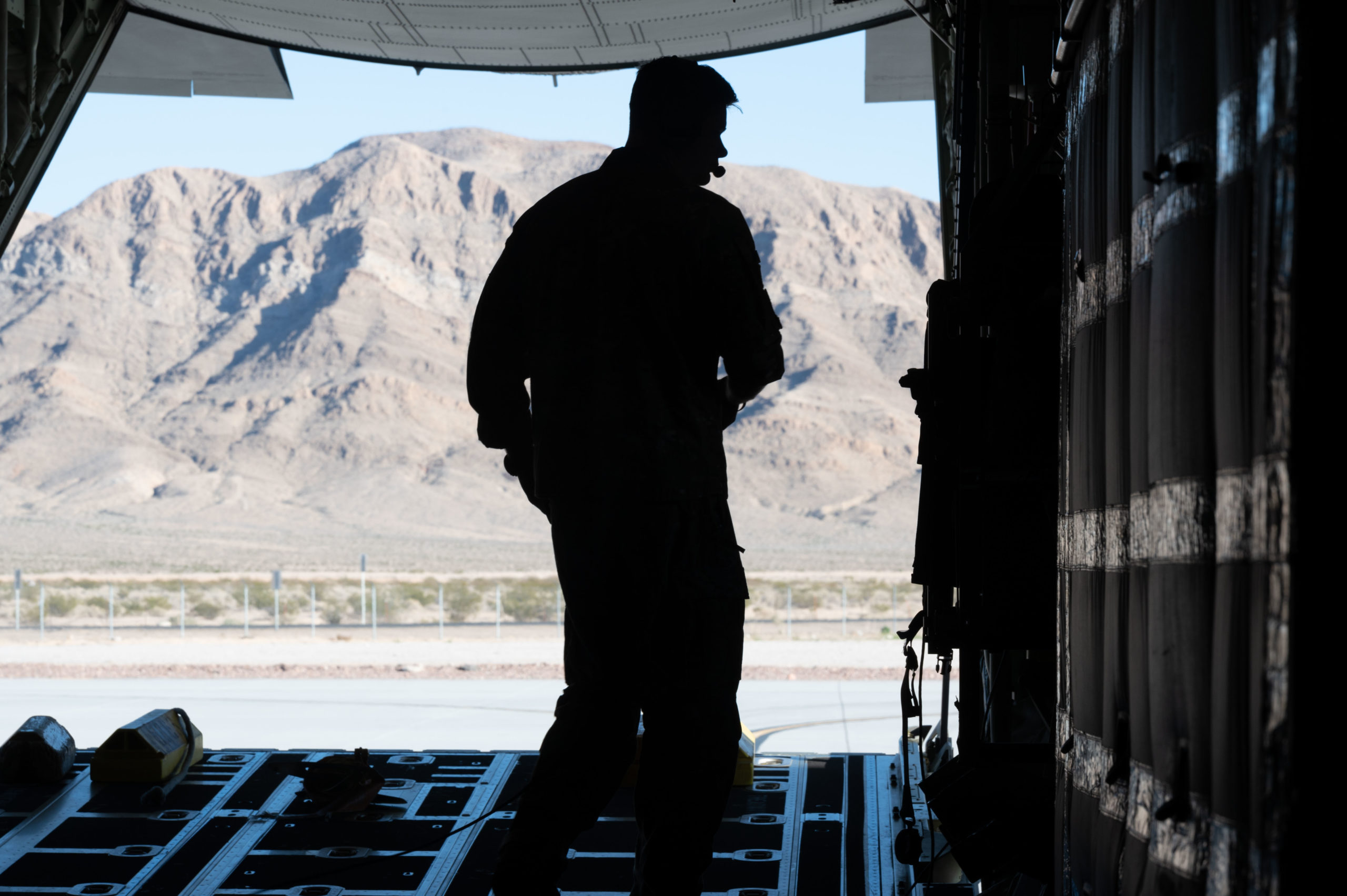
Air National Guard Implements $7,500 Reenlistment Bonus in Recruitment Drive
The Air National Guard (ANG) has initiated a “Summer Surge Incentive,” offering a $7,500 bonus to current Guard members who sign a three-year reenlistment contract by September 30. This financial incentive is a critical part of the ANG’s efforts to secure its personnel strength and attract new recruits, including active-duty service members transitioning out of their full-time roles, before the close of the current fiscal year.
The primary objective of these initiatives is to strengthen the Air Guard’s numbers, aiming to recruit 8,842 Airmen. This target contributes to an overarching end-strength requirement of 106,300 personnel by the conclusion of fiscal year 2026. While the long-term goal extends to FY2026, the specific $7,500 bonus offer is immediate and time-sensitive, requiring eligible Airmen to commit to a three-year contract by September 30, which marks the end of fiscal year 2024.
Air Force Col. Mark Williams, the Director of Recruiting and Retention for the Air National Guard, articulated the strategic vision behind these efforts. “It is all part of an effort to continue reaching individuals seeking purpose, growth and the opportunity to make a lasting impact,” Col. Williams stated in an August 4 announcement. He emphasized the necessity for the Air Guard to evolve its recruitment and retention methodologies in parallel with its force modernization and recapitalization to meet future operational demands. According to Maj. John LaDue, an Air Guard spokesman, payments for the $7,500 bonus will be processed immediately upon signing a qualifying three-year enlistment contract, and there is no cap on the total number of bonuses available under this program.
Despite the current urgency, the Air National Guard previously reported successfully meeting its recruiting goal for the preceding fiscal year, bringing in 12,000 new Airmen. Air Force Chief Master Sgt. James Chubb, who serves as the chief of the Air Guard’s Recruiting and Retention Accessions Branch, conveyed optimism regarding the Guard’s prospects for meeting its recruitment targets for the current year. “Standing still is not an option,” Chubb remarked, stressing the importance of collaborative success across all state Guard organizations: “The Air National Guard wins when every state succeeds with recruiting efforts.”
Beyond direct financial incentives, the Air Guard has rolled out several new policy and operational strategies aimed at bolstering its recruitment and retention framework. A notable policy change now permits Guard wings to exceed 100 percent manning by an additional 10 percent. This adjustment is intended to grant state Guard organizations enhanced flexibility in achieving their specific end-strength objectives, addressing what Chief Master Sgt. Chubb identified as an “artificial ceiling” that could limit further growth once authorized positions were filled by successful recruitment efforts.
Another key initiative focuses on a more coordinated, “enterprise approach” to recruitment. This involves strategically deploying the Air Guard’s most effective recruiters to provide support for wings that are experiencing significant recruitment challenges. The objective is to optimize talent acquisition nationwide, moving beyond localized recruitment efforts to foster a more integrated and successful network. Furthermore, the Air Guard has launched a Digital Recruiting Training and Standards Program. This program is designed to facilitate the widespread adoption of successful digital media tactics, innovative recruiting campaigns, and effective community engagement strategies among states, thereby encouraging collaboration and preventing states from “work[ing] in isolation,” as highlighted by Chubb.
Chief Master Sgt. Chubb underscored the critical nature of these combined efforts as the fiscal year approaches its conclusion. “As we approach the end of the fiscal year, every accession and every retained Airman matters,” he stated. He elaborated that by consolidating various accession and retention incentives into a cohesive campaign, the Air Guard seeks to prompt immediate action from qualified applicants while simultaneously assisting commanders in retaining their experienced personnel, who are vital to the force’s operational readiness.
In a comparative context, active-duty components of the U.S. military have reported robust recruiting performance. Both the Air Force and the Space Force successfully surpassed their active-duty recruiting goals for fiscal year 2024 months ahead of schedule. The Air Force, for instance, achieved its goal of enlisting 32,750 active-duty Airmen five months before the end of the fiscal year. Similarly, the Space Force met its objective of 730 new enlisted Guardians by February, demonstrating strong early performance in their respective recruitment drives.
Why This Matters
The Air National Guard’s recruitment and retention initiatives are profoundly significant for both national security and domestic well-being, reflecting broader dynamics within the U.S. military. Firstly, the Air National Guard represents an indispensable force multiplier for national defense. Its citizen-Airmen provide critical surge capabilities for federal missions, including overseas deployments, homeland security operations, and specialized support roles. These individuals often bring valuable civilian skills that enhance their military training, contributing to a more versatile and capable force. Maintaining a fully staffed and experienced Air Guard is essential for ensuring the nation’s readiness to respond to a diverse range of threats and to uphold its global defense commitments.
Secondly, the Air National Guard plays a pivotal role in domestic emergency response. In the aftermath of natural disasters such as hurricanes, wildfires, or blizzards, or during periods of civil unrest, Guard units are frequently among the first to provide aid. They deliver crucial services including search and rescue, medical assistance, logistical support, and security, directly impacting the safety and recovery of communities across the United States. Sustaining adequate personnel levels and retaining experienced Airmen are therefore vital to ensuring these essential domestic response capabilities remain robust and effective when they are most needed.
Moreover, the challenges and innovative strategies employed by the Air National Guard in its recruitment and retention efforts offer valuable insights into the wider landscape of military recruitment in the U.S. While some active-duty branches may be meeting their immediate numerical goals, the military services collectively face ongoing headwinds from an evolving demographic profile, a robust civilian job market, and a persistent decline in military propensity among younger generations. The Air Guard’s multi-faceted approach—combining financial incentives, flexible manning policies, and enhanced digital outreach—could serve as a practical model or provide critical lessons for other branches grappling with similar recruitment hurdles. The success or struggles of the Air Guard in achieving its objectives thus serve as a key indicator for the overall health of military recruitment and the effectiveness of adaptive strategies in a highly competitive environment.
Finally, the Air Guard’s focus on modernizing and recapitalizing its force, as noted by Col. Williams, underscores its evolving role in future conflicts. As military technology continues to advance and geopolitical dynamics shift, the Guard’s ability to attract and retain individuals with specialized skills—particularly in areas such as cyber warfare, space operations, and advanced aircraft maintenance—becomes increasingly paramount. The $7,500 bonus and other new initiatives are not merely about filling quotas; they are strategic investments in securing the talent necessary to maintain a technologically superior and adaptable force, capable of meeting the complex challenges of tomorrow’s global security landscape.