
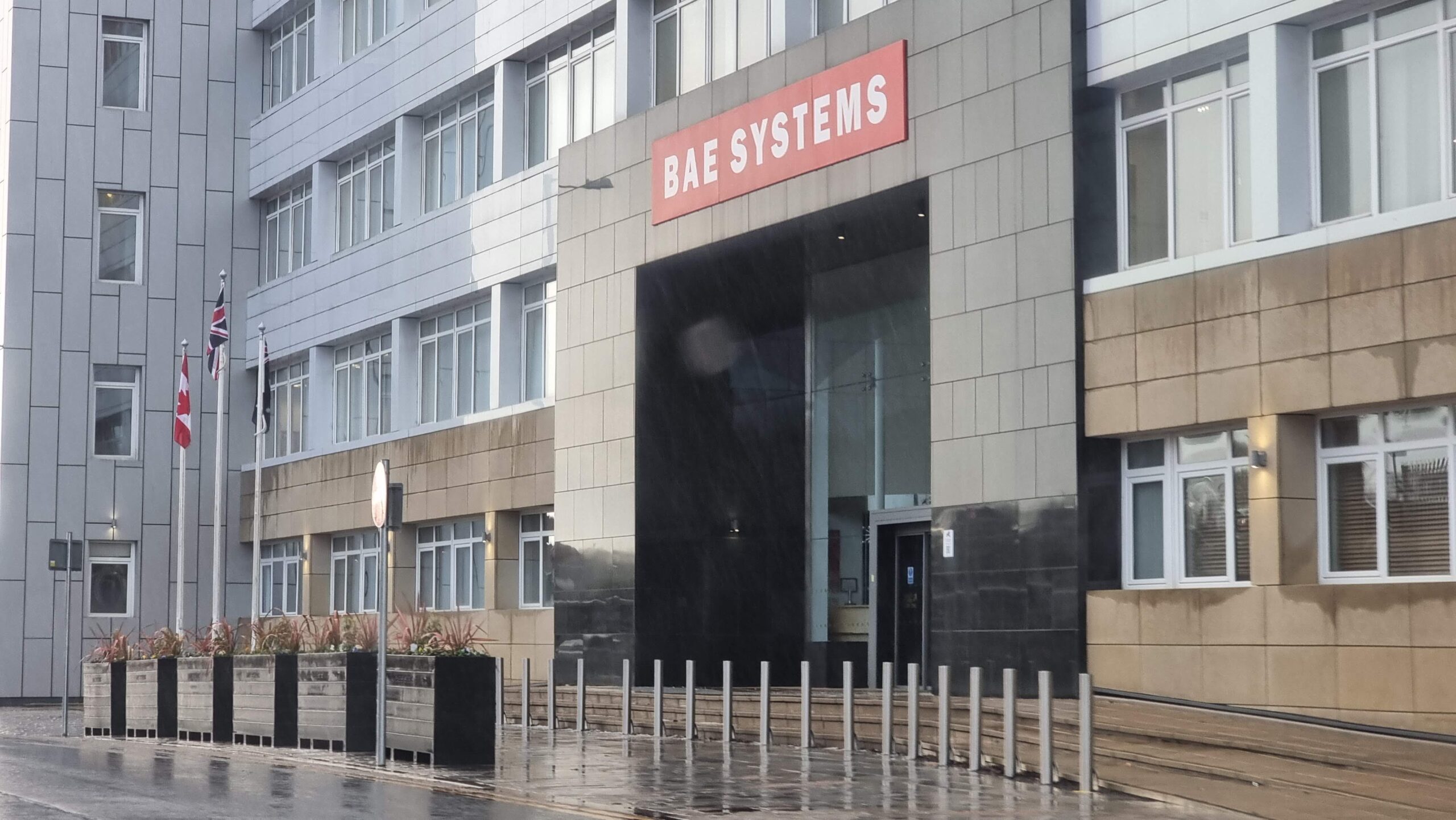
BAE Systems has disclosed a further year of robust expansion, featuring unprecedented revenue and an expanding order book, as the corporation declared its advantageous position to capitalize on augmented military expenditure.
Releasing its annual financial outcomes for 2025 on 18 February, the military behemoth reported revenue climbed by 10% at a consistent exchange rate, reaching £30.7 billion. Simultaneously, core profits before interest and taxation advanced by 12% to £3.32 billion. Basic profit per share similarly escalated by 12% to 75.2p.
The CEO, Charles Woodburn, commented:“Our outcomes underscore another period of robust operational and fiscal achievements, attributable to the exceptional commitment of our workforce. Within a contemporary epoch of military expenditure, propelled by intensifying security difficulties, we are advantageously poised to furnish both sophisticated traditional apparatus and innovative groundbreaking solutions essential for safeguarding the countries we assist both presently and prospectively.â€
The firm concluded the period with an unprecedented accumulation of orders, totaling £83.6 billion, an increase from £77.8 billion in 2024. Meanwhile, new contracts ascended to £36.8 billion. Unrestricted liquidity amounted to £2.16 billion, a decrease from £2.51 billion the preceding year, which BAE attributed to augmented capital deployment, heightened R&D outlays, and capital outlay nearing peak amounts at approximately £1 billion.
According to International Financial Reporting Standards, BAE Systems disclosed turnover of £28.3 billion, an 8% increase, and operational earnings of £2.93 billion, a 9% rise. Fundamental profit per share climbed 6% to 68.8p.
The firm underscored multiple significant project advancements during the year, such as the inauguration of Edgewing, a collaborative enterprise with industrial allies in Italy and Japan intended for the Global Combat Air Initiative, and Norway’s choice of the Type 26 frigate blueprint for its forthcoming naval vessel acquisition scheme. BAE characterized the £10 billion intergovernmental accord as laying the groundwork for the United Kingdom’s most substantial naval ship export agreement by monetary worth.
Within the British maritime defense industry, the firm observed advancements in its Type 26 and underwater vessel projects, comprising the christening of HMS Glasgow, sustained equipping operations at Scotstoun, and current fabrication efforts at Govan. Furthermore, it announced the laying of HMS Dreadnought’s keel, the initial of four Dreadnought-class submersible vessels under construction at Barrow-in-Furness.
BAE Systems stated its ongoing commitment to funding British naval construction facilities, such as the inauguration of the Janet Harvey Hall at its Govan location, a facility capable of accommodating the simultaneous construction of two Type 26 frigates, and the establishment of the Applied Shipbuilding Academy in Glasgow.
The company additionally underscored capital deployment into its Sheffield premises, which it indicated would primarily manufacture M777 howitzers, with intentions to transform the location into an expanded center for combat system manufacturing.
BAE reported hiring over 2,500 entry-level personnel throughout the period and currently boasts an unprecedented 6,800 trainees, including apprentices, university graduates, and students, undergoing instruction throughout its British operations.
The Directorate proposed a concluding payout of 22.8p, bringing the aggregate disbursement for 2025 to 36.3p, representing a 10% escalation from the preceding year. Furthermore, the firm acquired back 30 million shares as part of its share repurchase scheme for an expenditure of £502 million, distributing a sum of £1.53 billion to equity holders via payouts and repurchases.
For the future, BAE Systems provided its outlook for 2026, predicting a revenue expansion ranging from 7% to 9%, with core earnings before interest and tax, and earnings per share, anticipated to climb between 9% and 11%. The firm also established a free cash flow projection exceeding £1.3 billion for the period, simultaneously elevating its three-year aggregated free cash flow prediction for 2024 to 2026 to over £6 billion, an ascent from an earlier goal exceeding £5.5 billion.