
Italian Eurofighter Shoots Down Drone Over Latvia Amid Russian Electromagnetic Warfare Claims
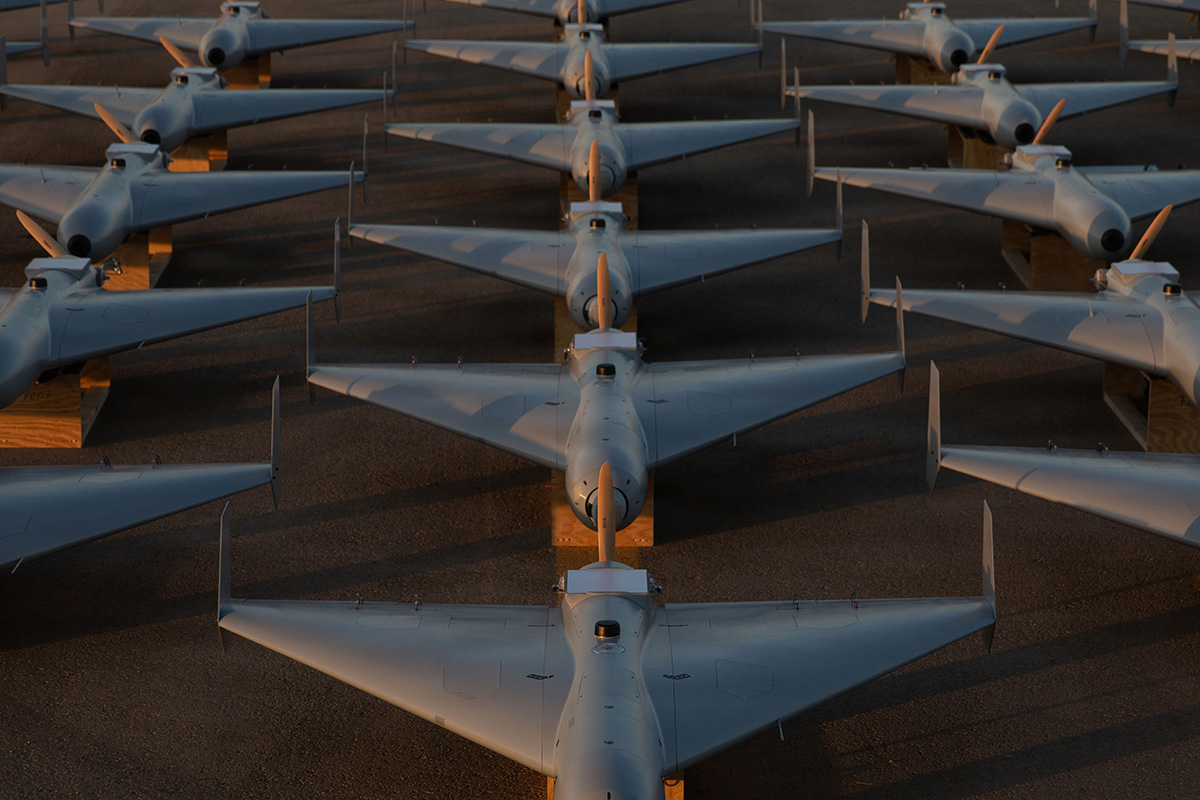
A drone was successfully shot down by an Italian Eurofighter jet over northeastern Latvia in the early hours of Friday, in an incident that Latvian authorities attribute to Russian electromagnetic warfare pushing the unmanned aerial vehicle (UAV) off course and into NATO airspace. The downing marks the second such occurrence in Latvian airspace since June, highlighting persistent security challenges along the alliance’s eastern flank.
The incident unfolded near the village of Rugāji in the Balvi region, an area situated close to Latvia’s border with Russia. Latvia’s National Armed Forces (NAF) issued a statement confirming that NATO fighter jets had intercepted and destroyed a foreign UAV that penetrated the country’s airspace. The NAF explicitly stated the drone’s entry was “as a result of Russian electromagnetic warfare,” a claim that underscores ongoing concerns about the impact of such tactics in the Baltic region and the broader effects of the conflict in Ukraine.
NATO confirmed its rapid response to the incursion. A spokesperson detailed that two Italian Eurofighters, operating from their base in Lithuania as part of NATO’s Baltic Air Policing mission, were scrambled. One of these advanced multi-role combat aircraft successfully engaged and destroyed the drone. Concurrently, two Turkish F-16 fighter jets, stationed in Estonia, were also launched as part of the coordinated allied response, demonstrating the alliance’s layered air defense capabilities. NATO emphasized that “All aircraft were operating under NATO command,” ensuring a unified approach, and that a comprehensive investigation into the incident is currently underway to ascertain further details regarding the drone’s origin, precise trajectory, and the exact nature of the electromagnetic interference.
In response to the aerial incursion, airspace alerts were promptly issued across several eastern and southern regions of Latvia, advising caution for local populations and aviation. These alerts, designed to ensure the safety of civilian air traffic and the public, were subsequently lifted at 4:50 AM local time. The incident also had a ripple effect across the wider Baltic Sea region. Finland, which shares a significant border with Russia and recently joined NATO, separately restricted airspace and a sea area in the eastern Gulf of Finland as a precautionary measure. The Finnish Defence Forces later clarified that no drones had entered Finnish territory, and these restrictions were lifted shortly after 7:00 AM, underscoring the regional vigilance triggered by such events.
This is not an isolated event for Latvia. The country’s Ministry of Defence confirmed that it marks the second instance of a drone being shot down within Latvian airspace. The previous incursion occurred in June, and like Friday’s incident, it was also addressed and resolved by NATO fighter jets. These repeated incidents highlight a growing pattern of aerial intrusions, whether accidental or otherwise, emanating from the active conflict zone in Ukraine and its proximity to NATO member states. Such occurrences raise questions about airspace management in times of war and the potential for unintended escalation.
Baiba Braze, Latvia’s Foreign Minister, publicly expressed gratitude for the swift and decisive action. In a statement, she thanked Italy for “maintaining (the) integrity of NATO airspace,” a sentiment that reflects the importance placed by frontline NATO nations on the alliance’s collective defense capabilities and the readiness of its members to respond to emerging threats.
The precise origin of the drone has not been immediately established by either Latvian or NATO authorities, and the official Latvian statement did not identify it. This ambiguity is a critical aspect of the ongoing investigation. The incident occurred on a day when more than 50 Ukrainian drones reportedly attacked various targets within Russia’s western regions, including major infrastructure like the port of Ust-Luga and a warehouse belonging to the e-commerce giant Wildberries in the Leningrad and Tver regions. While there is no direct evidence linking Friday’s downed drone to these specific operations, it underscores the intense drone activity near Russia’s borders, which can inadvertently affect neighboring territories.
The Latvian claim of Russian electromagnetic warfare as the cause of the drone’s deviation is a recurring and significant concern along NATO’s eastern flank. Experts and officials widely acknowledge that jamming and spoofing of satellite navigation signals, particularly Global Positioning System (GPS) signals, have been prevalent and intensified across the Baltic Sea region since Russia’s full-scale invasion of Ukraine in February 2022. This interference has not only impacted military traffic but has also caused widespread disruption to civil aviation and commercial shipping, leading to instances where aircraft systems display incorrect locations, experience signal loss, or follow erroneous trajectories.
Electromagnetic warfare involves disrupting an adversary’s electronic systems through various means. In the context of drones, it can manifest as GPS jamming, which blocks legitimate signals, or spoofing, which broadcasts false signals to trick a receiver into believing it is in a different location. A drone heavily reliant on GPS for navigation, especially one operating close to a contested border area where such interference is common, can be easily pushed off its intended course and across an international boundary by such interference. This can occur even if the interference was not specifically intended for that particular drone or for causing a deliberate border breach. This technical reality makes it more plausible that the drone’s incursion was an unintended consequence of broader electronic warfare activities rather than a deliberate act of provocation targeting Latvia.
Given this context, whether the downed aircraft was of Russian or Ukrainian origin remains an open question, and neither Latvia nor NATO has publicly confirmed its provenance. Drones from both sides of the conflict have, on multiple occasions, inadvertently entered or crashed within NATO territory. Romania has reported recovering drone fragments on several occasions, particularly following Russian strike waves against western Ukraine. Similarly, Poland has repeatedly scrambled its air force during periods of intense Russian missile and drone attacks near its border, reflecting the spillover risk posed by the ongoing war and the challenges of managing airspace in a region adjacent to an active conflict.
The rapid response from NATO forces on Friday underscores the vital role of the Baltic Air Policing (BAP) mission. This mission has been running continuously since 2004, when Estonia, Latvia, and Lithuania joined NATO. Lacking their own dedicated fighter forces at the time of their accession, the three Baltic states rely on allied nations to provide air defense. Under the BAP framework, allied detachments rotate through primary airbases at Šiauliai in Lithuania and Ämari in Estonia, typically on four-month tours, ensuring a continuous aerial presence and readiness to intercept any unauthorized aircraft within NATO airspace.
Originally, the BAP mission primarily focused on routine interceptions of Russian military aircraft transiting international airspace en route to or from the Kaliningrad exclave, or conducting exercises near NATO borders. However, the nature of the mission has evolved significantly, particularly since Russia’s aggressive actions in Ukraine. It has shifted towards the more complex and demanding business of detecting and intercepting small, slow-moving targets like drones. These types of targets pose unique challenges for traditional radar systems and air defense networks, which are often designed and optimized for detecting and tracking larger, faster jets. The ability of NATO to adapt its air policing strategies to counter these new, asymmetric threats is paramount for maintaining regional security and deterring potential incursions.
The incident therefore serves as a potent reminder of the complex and volatile security environment on NATO’s eastern frontier. It highlights not only the persistent threat of electromagnetic interference emanating from the conflict zone but also the readiness, adaptability, and operational cohesion of NATO’s collective defense mechanisms. The seamless coordination between Italian, Turkish, and Latvian forces under NATO command demonstrates the alliance’s commitment to safeguarding the integrity of its airspace, even against unconventional threats that blur the lines between accidental overflight and deliberate provocation.
Why This Matters
The downing of a drone over Latvian airspace, allegedly due to Russian electromagnetic warfare, carries significant implications for regional security, international law, and the operational readiness of NATO. Firstly, it underscores the tangible spillover effects of the ongoing conflict in Ukraine onto NATO territory. Whether accidental or not, the penetration of allied airspace by a drone from a conflict zone represents a direct security challenge, necessitating immediate and decisive defensive action. This incident is not isolated, following a previous drone downing in Latvia and numerous fragment recoveries in Romania and aerial alerts in Poland, reinforcing the message that the war’s risks are not confined to Ukraine’s borders.
Secondly, the claim of “Russian electromagnetic warfare” highlights a critical and evolving aspect of modern conflict. The widespread use of GPS jamming and spoofing, while potentially intended for military targets within Ukraine or Russia, significantly disrupts civilian air traffic, maritime navigation, and critical infrastructure in neighboring countries. This creates substantial safety risks for commercial flights and shipping in the Baltic Sea region, potentially violating international norms regarding the safe conduct of air and sea navigation. It also complicates the attribution of responsibility for airspace violations, making it harder to distinguish between deliberate provocation and unintended consequences, thereby increasing the risk of miscalculation.
Thirdly, the incident serves as a crucial test and demonstration of NATO’s collective defense capabilities and its Article 5 commitment. The rapid, coordinated response involving assets from Italy, Turkey, and Latvia, all operating under NATO command, showcases the alliance’s readiness and interoperability. It sends a clear signal that NATO airspace integrity is vigorously defended, even against small, unconventional targets that pose unique detection and interception challenges. This adaptability, especially in countering threats like drones that are difficult for traditional air defense systems to track and engage, is vital for maintaining credible deterrence along the alliance’s eastern flank.
Finally, the ambiguity surrounding the drone’s origin – whether Russian or Ukrainian – complicates diplomatic responses but does not diminish the need for vigilance. The ongoing investigation is critical to understanding the full context and potential implications. As the war in Ukraine continues, such incidents are likely to persist, demanding sustained investment in advanced air defense systems, enhanced intelligence gathering, and robust protocols for managing potential escalations. This event therefore serves as a stark reminder of the volatile security landscape in Europe and the continuous need for robust, adaptive, and unified international defense strategies.