
British Army Announces £12.3 Million Investment in Catterick Garrison Sports Facilities
The British Army has announced a significant £12.3 million investment to enhance sporting facilities at Catterick Garrison, one of its largest and most strategically important military bases in the United Kingdom. The funding will facilitate the construction of a new rugby hub and an indoor sports centre, designed to benefit serving personnel, military veterans, their families, and the wider local community.
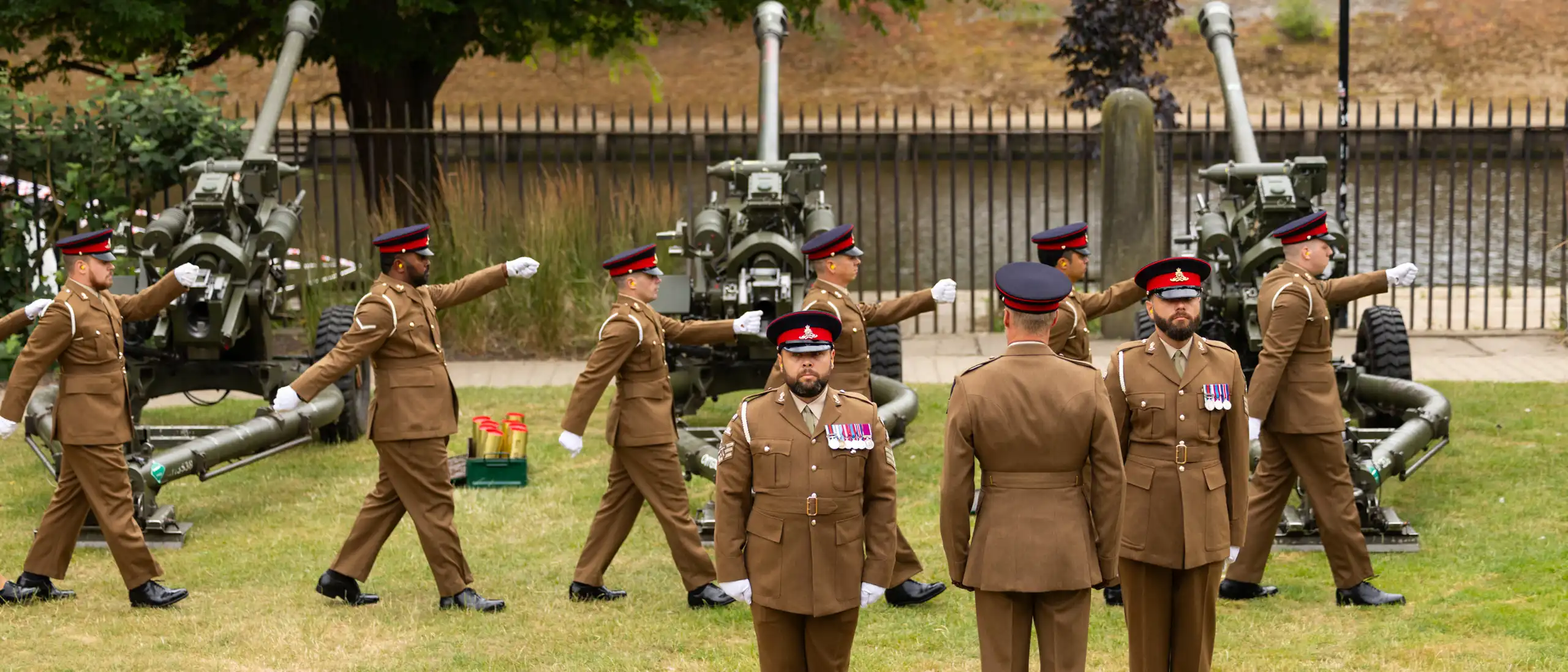
The announcement coincided with celebrations in York marking Queen Camilla’s birthday, where a traditional 21-gun salute was fired. This timing underscored the importance placed on the welfare and recreational opportunities for military personnel and their dependants, a key focus for the armed forces and royal patronages alike.
The comprehensive programme is part of a broader initiative aimed at increasing participation in sport across the Army. It also reinforces the existing partnership between the Army and the Rugby Football League (RFL) through their “Join Well, Serve Well, Leave Well” initiatives. These programmes are designed to support soldiers through every stage of their military career, from recruitment and active service to their transition back into civilian life, with sport playing a crucial role in maintaining physical fitness, mental resilience, and social cohesion.
Key stakeholders involved in the announcement included representatives from Army Sport, Headquarters North, the Rugby Football League, Army Rugby League, the Army Central Fund, and the Nuffield Trust for the Forces of the Crown. This multi-organizational collaboration highlights the diverse support and strategic planning underpinning the project.
Major General Darrell Amison, Chief Executive of Army Sport, described the initiative as an “ambitious, once-in-a-generation opportunity.” He emphasized that the development would “transform the sporting facilities for our soldiers and their families in Catterick Garrison and the North, and by direct association, make a significant contribution to our Army’s fighting power.” Amison confirmed that the Trustees of the Army Sport Charitable Fund had committed a £2 million grant towards the project. He also expressed gratitude for further substantial pledges from Headquarters Regional Command, the Army Central Fund, and the Nuffield Trust for the Forces of the Crown, which collectively form the majority of the £12.3 million investment.
The Army Central Fund has pledged a substantial £4.5 million towards the development. Major General Jo Chestnutt, who chairs the Army Central Fund, articulated the fundamental role of sport within military life. She stated, “Sport plays a vital role in Army life. It builds resilience, strengthens teamwork, and provides opportunities for soldiers and families to connect, particularly in large garrison communities such as Catterick.” Chestnutt further elaborated that the investment extends beyond mere infrastructure, aiming to “create places that encourage participation, improve wellbeing, and contribute to a positive experience of Army life for serving personnel and their families.” She expressed optimism that these facilities would “benefit generations of soldiers and families in the North, helping to strengthen both the Army community and the sense of belonging that is so important to retention and operational effectiveness.”
Adding to the significant charitable contributions, the Nuffield Trust for the Forces of the Crown has committed £1.76 million over the next four years. A spokesperson for the Trust affirmed their support, stating, “The Chairman and Trustees of the Nuffield Trust for the Forces of the Crown are delighted to have committed funding totalling £1.76 million to Developing Sport in the North over the next four years. Supporting initiatives that improve the welfare, wellbeing and quality of life of serving men and women is central to our purpose, and this project reflects the lasting impact that targeted investment can have.”
While specific details of the remaining funding sources up to the £12.3 million total were not exhaustively itemized in the initial announcement, the involvement of Headquarters Regional Command was noted, suggesting a blend of charitable donations and direct Army funding. The new facilities are expected to include a state-of-the-art rugby pitch, training areas, and an indoor complex likely comprising multi-sport courts, a gymnasium, and associated changing and support facilities, significantly upgrading the existing sports infrastructure at the garrison.
Why This Matters
The £12.3 million investment in Catterick Garrison’s sporting facilities carries significant implications for military welfare, operational readiness, and community engagement. Catterick Garrison is a cornerstone of the British Army’s presence in the North of England, housing thousands of personnel and their families. This investment directly addresses the quality of life for those who serve and their dependants, a factor increasingly recognised as crucial for modern military effectiveness.
Firstly, **Military Welfare and Wellbeing**: Sport is not merely a recreational activity in a military context; it is a fundamental component of physical and mental resilience. Regular physical activity helps combat stress, foster camaraderie, and maintain peak physical condition essential for military duties. For veterans, access to such facilities can aid rehabilitation, provide a sense of purpose, and facilitate reintegration into civilian life. For families, these centres offer healthy outlets and opportunities for social connection within often isolated garrison communities, contributing to overall family stability and satisfaction.
Secondly, **Recruitment and Retention**: In an era where armed forces globally face challenges in recruitment and retention, providing high-quality living and recreational facilities becomes a powerful incentive. An attractive environment that supports a balanced lifestyle, including excellent sports provisions, can significantly influence a soldier’s decision to join and remain in service. Major General Jo Chestnutt’s comments about strengthening “the sense of belonging that is so important to retention” underscore this strategic aspect.
Thirdly, **Operational Effectiveness**: The direct link between soldier welfare, morale, and operational effectiveness is undeniable. A physically fit, mentally robust, and cohesive fighting force is a more effective one. Investments like this directly contribute to the “fighting power” of the Army, as highlighted by Major General Darrell Amison, by fostering teamwork, discipline, and a healthy competitive spirit that mirrors aspects of military operations.
Fourthly, **Community Integration and Outreach**: By extending access to these facilities to the “wider community,” the project serves as a bridge between the military and civilian populations. This fosters greater understanding, strengthens local ties, and provides valuable resources for residents in the surrounding areas of North Yorkshire. Such initiatives can help dispel stereotypes, promote positive interactions, and ensure the garrison remains an integrated and valued part of the regional fabric.
Finally, **The Role of Charitable Giving**: The substantial contributions from the Army Central Fund and the Nuffield Trust for the Forces of the Crown highlight the critical role that military charities play in augmenting public funding for soldier welfare. These organizations often fill gaps, providing essential support that directly impacts the quality of life for service personnel and their families, demonstrating a collective commitment to those who serve the nation. The collaborative funding model also sets a precedent for how future large-scale welfare projects within the armed forces might be realized.