
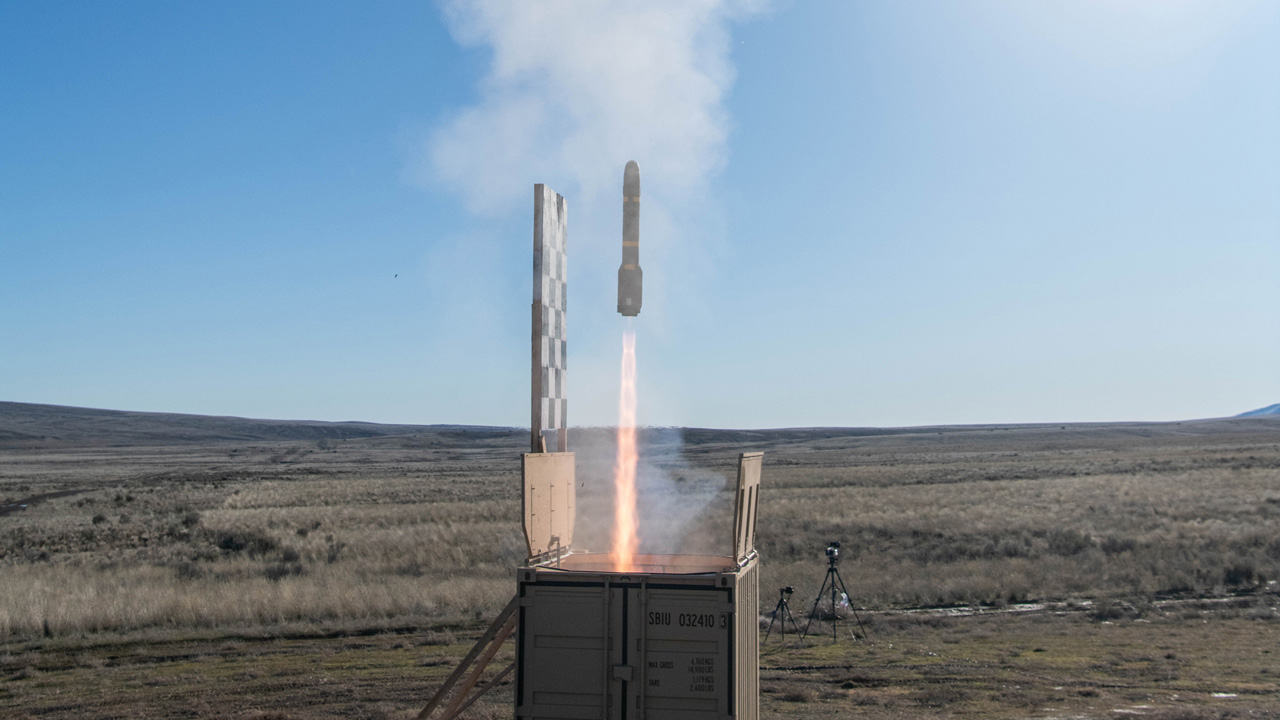
The evaluations, carried out across the United States, witnessed the system successfully launch a missile from a 10-foot Tricon container. This event was characterized by the company as the inaugural combined live-fire and vertical launch demonstration of its underlying concept.
This launcher’s creation utilized pre-existing designs, incorporating components originating from the operational M299 launcher.
Envisioned as a containerized, mobile solution, the GRIZZLY system is designed for swift deployment and seamless integration with various command and control networks. Lockheed Martin frames it as a versatile alternative for dispersed operations. The company further affirms that the system’s independence from specific sensors and platforms enables it to support a wide array of missions across different services.
Lockheed Martin noted the initiative progressed from preliminary design to operational firing evaluations in under six months. Additional efforts are anticipated in collaboration with American governmental partners to enhance the apparatus subsequent to the trials.
Randy Crites, an executive and vice president of Lockheed Martin Advanced Programs, remarked that the evaluations underscored a commitment to swift advancement. He asserted:“our inaugural operational firing assessments occurred merely half a year after the project commenced its research and development phase… underscoring our commitment to promptly providing a portable and adaptable launch system to counter emerging dangers.”
He further indicated that the system is purposed to present flexible operational choices, observing:“GRIZZLY offers clients adaptability and pliability to meet their requirements, alongside a facet of portability and inconspicuousness for offensive and defensive fires.”