
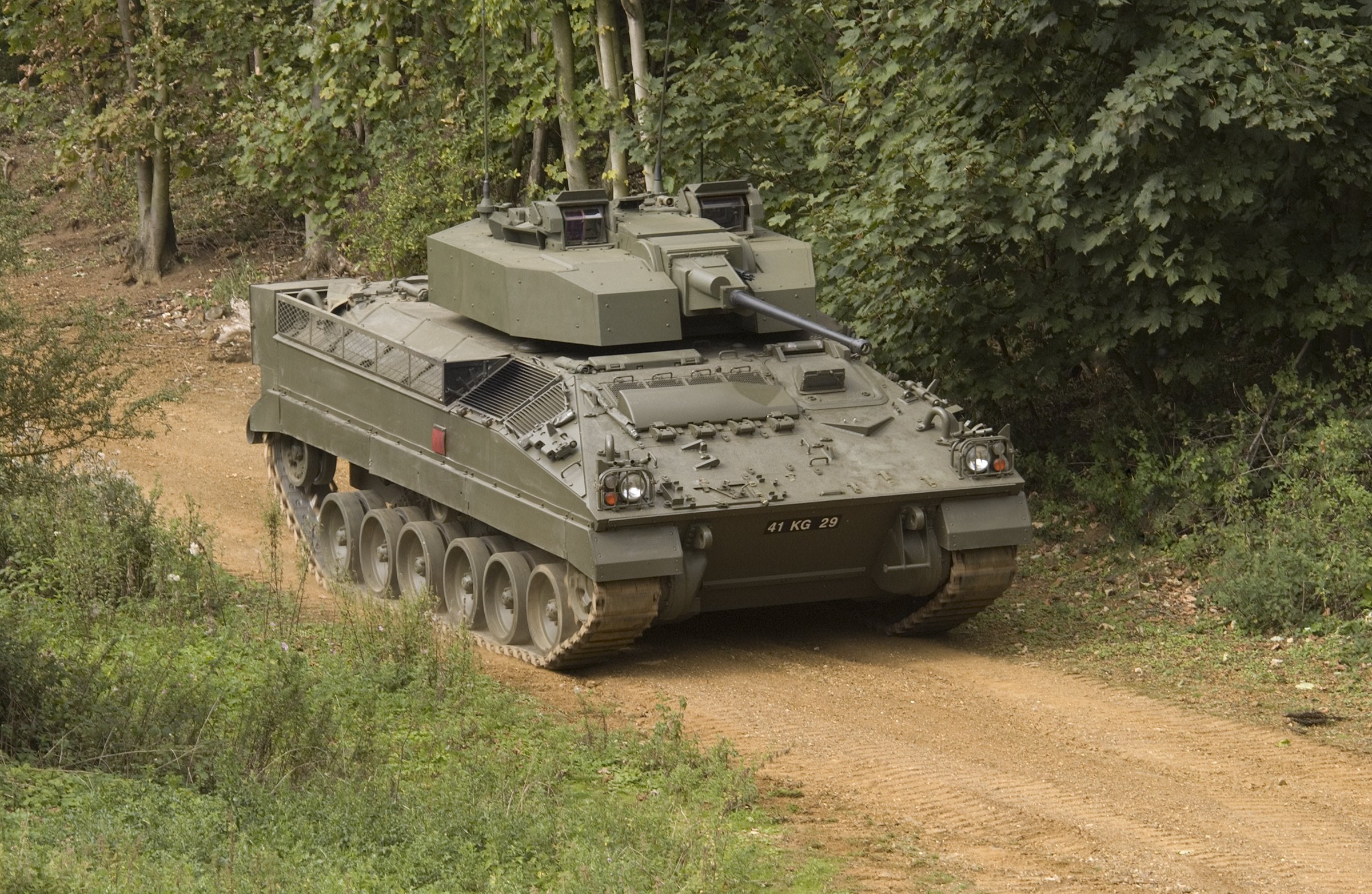
UK Military Faces Potential Armoured Infantry Gap, Report Urges Revival of Warrior Upgrade
A new analysis from the 878 Institute warns that the British Army faces a significant capability gap in its armoured infantry force, potentially leaving four vital battalions without sufficient protection and mobility for an extended period. The gap is projected to emerge as the existing Warrior Infantry Fighting Vehicle (IFV) fleet is decommissioned before its planned replacement, the Boxer Mechanised Infantry Vehicle (MIV), enters service in sufficient numbers.
In its paper, titledBritain’s Military Deterrence Gaps, the 878 Institute’s primary recommendation is that the UK Government immediately halt the ongoing decommissioning of the Warrior IFV and commit to funding the previously shelved Warrior Capability Programme (WCP). This upgrade scheme, which was partially funded before its rejection, aimed to modernize a substantial portion of the Warrior fleet and extend its operational life. Robert Clark, the author of the paper, estimates the revised cost of the programme, accounting for inflation, at approximately £1.25 billion. The comprehensive upgrade would involve fitting 380 Warrior platforms with a “modified turret and 40mm cannon,” enabling them to remain combat-effective beyond 2040.
The institute emphasizes that the proposal is not intended to retain the Warrior indefinitely as a primary frontline vehicle. Instead, funding the WCP is presented as a crucial measure to “enable the Boxer programme to continue at its current speed without leaving armoured infantry battalions without armour or mobility.” This bridging solution is deemed necessary given growing expectations that the Boxer’s projected full operational readiness date of 2027 is likely to experience further delays.
The Warrior IFV is currently slated for withdrawal from service by 2027. The 878 Institute’s report highlights that many units within the British Army have already begun the process of decommissioning their Warriors in anticipation of the Boxer’s arrival. However, the Boxer programme itself has encountered significant hurdles. It missed its initial target for Initial Operating Capability (IOC) in the fourth quarter of 2025, primarily due to global supply chain disruptions. By June 2026, the British Army had received only 100 of the 623 Boxer platforms ordered, intended for unit trials, with no revised timeline yet published for the delivery of the remaining vehicles. This discrepancy between the Warrior’s accelerated exit and Boxer’s delayed entry creates the precarious situation highlighted by the report.
According to the paper’s assessment, this staggered transition “will leave a significant capability gap” for the Army’s four armoured infantry battalions. These crucial units, designed to operate alongside Challenger 2 main battle tanks, require robust armoured transport and direct fire support to execute their missions effectively. The absence of an operational replacement for the Warrior would severely compromise their combat effectiveness and force generation capabilities. Furthermore, Clark warns of potential “knock-on delays” affecting other critical procurement efforts, specifically citing the 72 howitzer platforms planned for the Royal Artillery from 2028, should the first tranche of armoured infantry Boxers experience further overruns.
Adding his weight to the debate, General The Lord Dannatt, a former Chief of the General Staff, penned the foreword to the 878 Institute’s report. Lord Dannatt advocated for an even more drastic measure, calling for the entire Ajax armoured vehicle programme “to be scrapped in favour of upgrading the WARRIOR infantry fighting vehicles.” While the report’s main recommendation focuses on the Warrior upgrade as a temporary bridge, Lord Dannatt’s suggestion signals a deeper concern about the overall direction and efficacy of current armoured vehicle procurement projects within the Ministry of Defence.
The UK Government has consistently maintained its position against retaining the Warrior in service, a decision that was previously reported in 2025 and is referenced within the 878 Institute’s paper. As of the publication of this report, the Ministry of Defence has not yet issued an official response to the findings and recommendations. The full report,Britain’s Military Deterrence Gapsby Robert Clark, is available directly from the 878 Institute.
Why This Matters
The potential capability gap in the British Army’s armoured infantry force carries significant implications for national security, international alliances, and the effective use of taxpayer funds. In an increasingly volatile global landscape, maintaining a credible and capable military is paramount, and delays in essential equipment procurement can have far-reaching consequences.
National Security and Deterrence:A shortfall in armoured infantry capability directly impacts the UK’s ability to project power and contribute effectively to collective security operations, particularly within NATO. Armoured infantry vehicles are foundational to modern land warfare, providing protected mobility, firepower, and the ability to operate in high-threat environments. A gap undermines the UK’s deterrence posture, potentially signalling weakness to adversaries and diminishing its standing among allies. The current geopolitical climate, exacerbated by conflicts such as the war in Ukraine, underscores the critical importance of robust armoured ground forces.
Military Readiness and Personnel:For the four armoured infantry battalions affected, a lack of operational vehicles means a degradation in readiness and training. Soldiers cannot effectively train for complex combined arms operations without the equipment they would use in combat. This can impact morale, readiness levels, and the overall combat effectiveness of these crucial units. Furthermore, deploying personnel into harm’s way without the necessary protection and mobility poses unacceptable risks and compromises operational success.
Defence Procurement and Spending Efficiency:The situation highlights recurring challenges within the UK’s defence procurement system. The Warrior Capability Programme was initially a significant investment, and its cancellation, followed by a recommendation to revive it, points to potential inefficiencies in planning and decision-making. Restarting a shelved programme incurs additional costs, wastes previous investments, and diverts resources that could otherwise be allocated to other defence priorities. This raises questions about accountability, long-term strategic foresight, and the optimal allocation of the defence budget, ultimately affecting the taxpayer.
Industrial Base and Economic Impact:Defence procurement projects are not just about military capability; they also support a vital domestic defence industrial base, creating high-skilled jobs and fostering technological innovation. Delays and cancellations can disrupt supply chains, impact companies, and potentially lead to job losses, weakening the UK’s sovereign defence capabilities and its ability to develop future military systems independently.
Strategic Flexibility:A fully equipped and trained armoured infantry force provides a nation with strategic flexibility – the ability to respond rapidly and decisively to a range of threats, from conventional warfare to peacekeeping operations. A capability gap restricts this flexibility, forcing the military to adopt less effective or riskier alternatives, or to rely more heavily on allies, which can strain international relationships.
In conclusion, the concerns raised by the 878 Institute are not merely about specific military hardware; they are about the fundamental readiness and credibility of one of the world’s leading armed forces at a time when global stability is under significant strain. Addressing this potential gap effectively and transparently will be crucial for the UK’s defence posture for years to come.