
Global Briefing: Leadership Scrutiny, Health Speculation, and Institutional Oversight
Recent developments across international and domestic landscapes underscore the multifaceted nature of public and media scrutiny directed at political leadership, governmental institutions, and global figures. From observations concerning the physical attributes of former U.S. President Donald Trump, to persistent health speculation surrounding Iran’s Supreme Leader, and detailed examinations of the U.S. Department of Justice’s operational integrity during a past administration, these topics collectively reflect ongoing public engagement with power structures and their implications.
Public Commentary on Former President Trump’s Appearance
The physical appearance of prominent political figures frequently becomes a subject of public discourse, often permeating various media forms, including popular cultural commentary. Recently, remarks have surfaced regarding the seemingly fuller appearance of former U.S. President Donald Trump’s hair. While such observations may initially arise in entertainment contexts, they are indicative of a broader societal inclination to scrutinize and interpret the imagery and non-verbal cues associated with high-profile political leadership.
Throughout history, the physical presentation of heads of state has been a significant point of interest, carrying implications for perceived health, vitality, and overall public image. Political leaders often invest considerable effort in cultivating their public personas, understanding that appearance can subtly influence perceptions of their strength, capability, and suitability for office. In the current media landscape, any perceived change in a leader’s physical attributes can rapidly become a topic of widespread discussion, sometimes even overshadowing policy debates. For former President Trump, whose distinctive public image has been a central component of his political brand, such observations are not unprecedented. His hairstyle, in particular, has consistently drawn media and public attention throughout his career, often serving as a visual identifier for his unique approach to politics. These discussions, despite their seemingly superficial nature, can occasionally touch upon deeper narratives related to authenticity, the effects of aging, and the demanding nature of public life at the highest levels of government.
Iranian Supreme Leader’s Health: State Media Responds to Speculation
In Iran, the health of Supreme Leader Ayatollah Ali Khamenei has been the subject of intensified speculation for several months, prompting a notable and public response from Iranian state media. Amid these persistent rumors, state media recently released a video featuring the Supreme Leader. This action is widely interpreted as a concerted effort to counteract the swirling speculation and to reassure both the domestic populace and the international community about his well-being. This move underscores the profound significance of Khamenei’s health status for Iran’s political stability and its broader regional and international standing.
Ayatollah Khamenei, 84, has held the position of Supreme Leader since 1989, making him one of the longest-serving heads of state globally. His role is central to Iran’s governmental structure, encompassing ultimate authority over religious, political, and military affairs. Due to his advanced age and the often-opaque nature of the leadership succession process within the Islamic Republic, speculation about his health has periodically arisen. The eventual selection of his successor, which falls to the Assembly of Experts, will be a pivotal moment, shaping Iran’s future domestic policies, its nuclear program, and its complex relationships with global powers and regional adversaries. Consequently, any perceived vulnerability or decline in his health can trigger intense internal political maneuvering and heightened external observation by international actors.
The decision by state media to release such a video is a well-established tactic employed by governments, particularly in more centralized political systems, to manage public perception and project an image of continuity, strength, and stability. These videos are typically carefully produced to present the leader in a robust and engaged manner, with the primary objectives of quelling potential domestic unrest, preventing perceived instability, and deterring foreign adversaries who might interpret health concerns as a sign of weakness. However, in an era of rapid digital information dissemination, these official narratives are often met with skepticism, especially among populations accustomed to state-controlled media. The ongoing speculation highlights the deep political sensitivities surrounding the Supreme Leader’s condition and the profound implications it holds for Iran’s future trajectory.
Analysis of U.S. Department of Justice Under Former President Trump
The U.S. Department of Justice (DOJ), a fundamental pillar of American democracy and the rule of law, experienced significant scrutiny and perceived operational shifts during the administration of former President Donald Trump. Political commentators and legal analysts have frequently highlighted how the department’s operations and its traditional independence were perceived to evolve during this period, sparking extensive public and political debate.
The DOJ, constitutionally tasked with impartially enforcing federal laws, is traditionally expected to operate with a degree of independence from direct White House influence to ensure that justice is administered without undue political interference. However, throughout the Trump presidency, numerous instances emerged that raised concerns among critics regarding this traditional separation. These concerns often centered on specific policy adjustments, significant personnel changes, and public statements from the executive branch that appeared to challenge the DOJ’s autonomy. Allegations included claims of political pressure being exerted on ongoing investigations, particularly those related to the President’s associates or his campaigns, as well as controversies surrounding the tenures of several Attorneys General who were perceived by some as demonstrating excessive loyalty to the President over strict adherence to legal principles.
Key areas of concern frequently cited by critics included the handling of the Special Counsel investigation into alleged Russian interference in the 2016 election, ongoing debates over the scope and application of executive privilege, and the exercise of prosecutorial discretion in politically sensitive cases. These discussions transcended mere policy disagreements, delving into fundamental questions about the integrity of federal law enforcement institutions, the constitutional balance of power, and public trust in the justice system. The continuing analysis of these perceived changes reflects a broader national conversation about safeguarding democratic norms and ensuring the impartial application of justice, irrespective of political affiliation or concentrated power.
Cultural Notes: Public Figures and Media Engagement
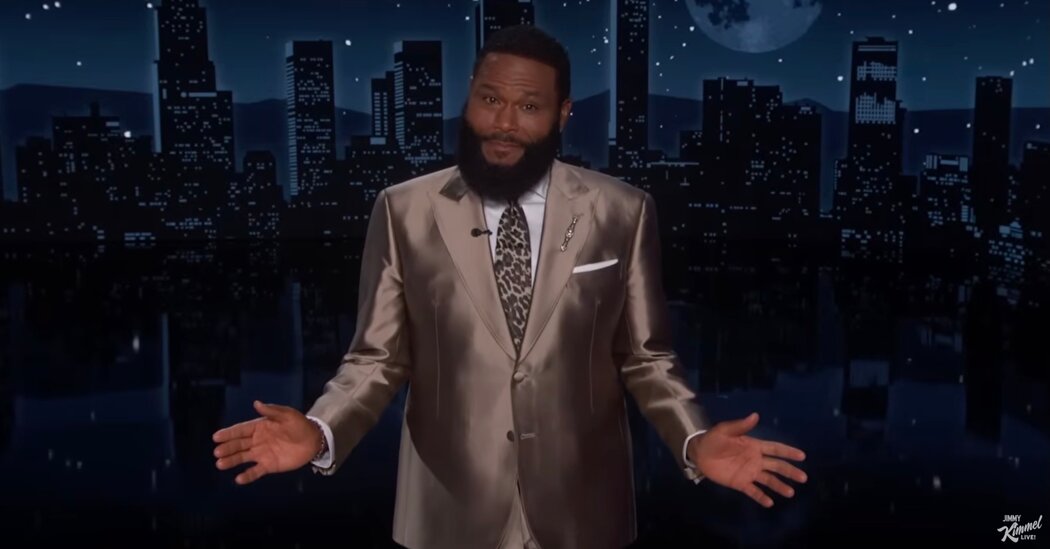
In the realm of cultural events, former professional basketball icon Earvin “Magic” Johnson is scheduled for a public interview with host Anthony Anderson. This event highlights the enduring public interest in sports legends and celebrities, and their ongoing engagement with various media platforms to share insights into their careers, philanthropic endeavors, and perspectives on contemporary social and cultural issues.
Why This Matters
The diverse developments discussed above, while seemingly disparate, collectively underscore several critical and interconnected themes in contemporary global affairs:
- The Pervasive Influence of Media and Public Perception:Discussions surrounding former President Trump’s appearance, the Iranian Supreme Leader’s health, and the U.S. DOJ’s operations all highlight the immense power of media—both conventional and informal digital platforms—in shaping public perception. For political leaders, strategic image management and the control of narratives are paramount. Even seemingly trivial observations can feed into broader public discourse about leadership, health, legitimacy, influencing public trust and, potentially, political stability.
- Leadership Stability and Succession in Centralized Regimes:The intense speculation surrounding Ayatollah Khamenei’s health vividly illustrates the inherent vulnerabilities of authoritarian systems where significant power is concentrated in a single individual. The opacity surrounding such a leader’s condition can precipitate internal power struggles and generate external anxieties, with profound implications for regional geopolitics, human rights, and international security. The state’s efforts to control this narrative reveal the lengths to which such regimes will go to project an image of strength and deter perceived instability.
- Safeguarding Democratic Institutions and the Rule of Law:The scrutiny directed at the U.S. Department of Justice during the Trump administration represents more than just partisan debate; it is a fundamental discussion about the health and resilience of democratic institutions. An independent and impartial justice system is a bedrock principle of a free society. Allegations or perceptions of political interference in law enforcement erode public trust, challenge the constitutional separation of powers, and can have long-lasting consequences for the integrity of governance. Sustained monitoring and analysis of these shifts are crucial for upholding democratic norms.
- Intersection of Politics, Culture, and Society:Events such as the scheduled interview with Magic Johnson, presented alongside political commentary, exemplify how seamlessly politics, celebrity culture, and broader societal values intersect in modern public discourse. Public figures, whether political leaders or cultural icons, are continuously under scrutiny, and their actions, statements, and even appearances are often interpreted through multiple lenses, reflecting the complex interplay between media, power, and evolving societal expectations.
In an increasingly interconnected and information-rich world, understanding these dynamics is essential. They illuminate how information is consumed and interpreted, how power is wielded and maintained, and the constant challenges faced by both democratic and authoritarian systems in navigating public opinion and striving to uphold their core principles and operational integrity.