
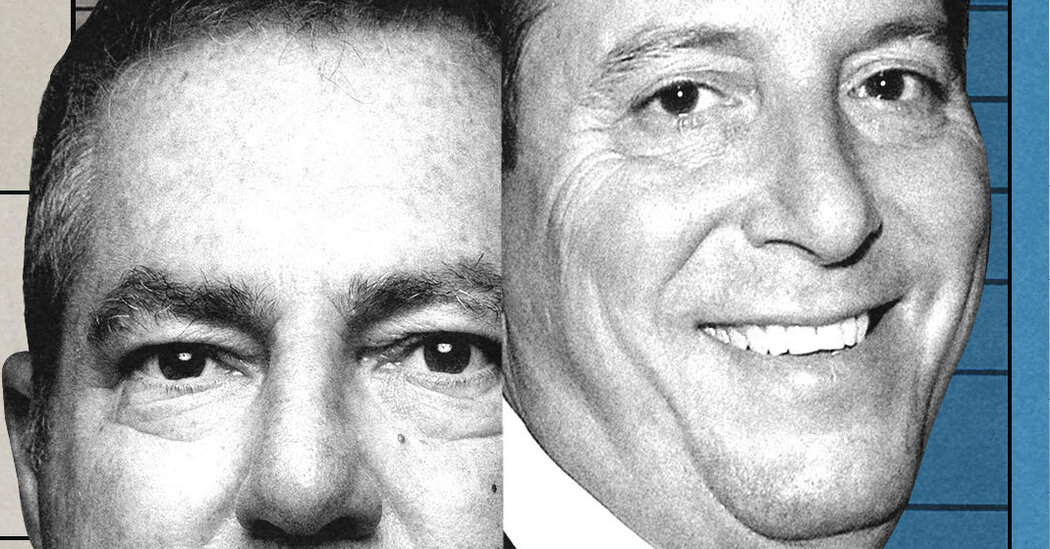
Paul Weiss Capitulates to Trump Administration Sanctions Amid Internal Power Shifts
In a move that sent shockwaves through the legal and political communities, Paul Weiss, a historically prominent and progressive law firm, agreed to comply with an executive order from the second Trump administration imposing significant sanctions in March 2025. The decision by the firm’s chairman, Brad Karp, to accept the terms of an order widely viewed as legally questionable, marked a stark departure from the firm’s long-standing tradition of challenging government actions and championing social justice causes.
Just two months into the second Trump presidency, the executive order targeted Paul Weiss, a titan in the legal business known for its elite litigators and its history of activism dating back to the civil rights movement. Mr. Karp’s rapid agreement to the administration’s demands was particularly consequential given that four other law firms facing similar executive orders had successfully obtained quick injunctions from judges, underscoring the perceived legality issues of the measures. Following Paul Weiss’s capitulation, eight additional firms reportedly entered into agreements with the White House, committing to perform nearly $1 billion in free legal work for causes favored by President Trump.
President Trump publicly celebrated the firm’s compliance, stating, “They’re just saying, ‘Where do I sign?’ No one can believe it.” However, behind the public surprise lay a deeper narrative of an institution undergoing profound internal transformation, a story detailed in a New York Times investigation.
According to the Times’ reporting, which draws on extensive interviews with current and former lawyers, internal documents, and detailed accounts of firm meetings, Paul Weiss’s decision to yield to the White House was the culmination of years of shifting power dynamics and financial priorities within the firm. This reordering began when Mr. Karp initiated a strategy to expand the firm’s corporate practice significantly, alongside its traditional litigation work. The firm, already wealthy, saw its fortunes grow further, partly by capitalizing on the booming private equity sector and the lucrative legal work generated by mergers and acquisitions.
This pursuit of Wall Street business, aimed at boosting profits per partner—a key metric for top law firms—increasingly clashed with the firm’s historical commitment to social justice principles. When the Trump administration specifically targeted Paul Weiss, partly due to its activist past, this long-simmering internal conflict escalated into an existential crisis for the firm’s identity.
Central to this internal tension were two dominant yet contrasting figures: Brad Karp and Scott Barshay. Colleagues describe Mr. Karp as a consensus-builder, often striving to accommodate both the firm’s socially conscious litigators and its growing ranks of corporate lawyers. In contrast, Mr. Barshay, whom Mr. Karp had brought in to spearhead the corporate practice, is depicted as a highly driven and aggressive dealmaker. As Mr. Barshay’s influence grew commensurate with the revenue he generated, he reportedly worked to reduce the firm’s engagement in social justice litigation, viewing it as potentially alienating to corporate clients and thus detrimental to business.
This shift in culture led to significant internal friction, including a notable clash between Mr. Barshay and Lex Korberg, a rising star at Paul Weiss and the firm’s first openly transgender partner. Mx. Korberg, who uses they/them pronouns, ultimately decided to leave Paul Weiss due to Mr. Barshay’s efforts to curb social justice work. According to two individuals who heard Mr. Barshay make the remarks and two others who were informed at the time, Mr. Barshay allegedly told other firm leaders that he did not want Mx. Korberg interacting with his clients after their transition, expressing concern that a transgender lawyer could negatively impact client relations.
To mitigate potential fallout, Paul Weiss reportedly entered into a confidential $3.5 million settlement with Mx. Korberg in 2023, a deal that had not been publicly revealed until the recent investigation. The agreement included a stipulation that Mx. Korberg would not sue or disparage the firm.
Despite these internal shifts, Paul Weiss had previously maintained its opposition to Mr. Trump, even intensifying its efforts when he was out of office. In an unusual arrangement, the firm paid associates to work for the Manhattan district attorney’s office, assisting in the development of a criminal prosecution against Mr. Trump.
However, once Mr. Trump secured re-election, the firm reportedly took extensive measures to avoid incurring his disfavor. These actions included ceasing representation of a drone manufacturer involved in a lawsuit against the Pentagon, partly out of concern for antagonizing the administration, according to three individuals with direct knowledge of the situation. The firm also began revising its public-facing websites, removing content that might attract negative attention from Mr. Trump and his staff.
When Mr. Trump issued his executive order targeting Paul Weiss, firm leaders were reportedly confident in their legal ability to challenge it in court. Nevertheless, they ultimately prioritized avoiding potential financial repercussions and safeguarding client relationships. Following the agreement with the White House, an internal request by a senior partner to undertake a reproductive rights case, intended as a demonstration of the firm’s independence, was reportedly rejected by both Mr. Barshay and Mr. Karp.
The firm’s heightened caution was further evidenced in internal communications reviewed by The Times. An email exchange revealed a contentious debate among partners regarding how—or even if—to modify a website section detailing the firm’s work against white supremacists and in response to the January 6, 2021, Capitol riot. Some partners even suggested consulting the administration to ascertain whether such content would provoke the White House. Another partner issued a stark warning, indicating that there “likely won’t be a next time” for Paul Weiss “if we get hit by the administration again.” These incidents underscore the extent of the firm’s concern regarding potential administrative retaliation and the perceived need to align its public profile with the new political landscape.
Why This Matters
The capitulation of Paul Weiss to the Trump administration’s executive order highlights several critical issues with far-reaching implications for the legal profession, corporate responsibility, and the rule of law.
Firstly, it raises profound questions about the independence of major law firms. Historically, top-tier firms have often served as crucial checks on government power, leveraging their legal expertise for public interest litigation and pro bono work. The decision by Paul Weiss, a firm with a storied history of advocating for civil rights and challenging governmental overreach, to forgo a legal challenge against an order widely seen as illegal, suggests a potential chilling effect on legal advocacy when faced with executive pressure. This could set a dangerous precedent, discouraging other firms from challenging administrations for fear of financial or reputational retaliation.
Secondly, this incident underscores the tension between profit motives and ethical obligations within the legal industry. The shift at Paul Weiss towards a dominant corporate practice, driven by the pursuit of higher profits, appears to have created an environment where financial considerations ultimately outweighed traditional commitments to social justice. This internal reordering, as detailed by the New York Times investigation, reveals how economic pressures can compromise an institution’s core values and its willingness to engage in politically sensitive, yet often vital, public interest work. It forces a conversation about the role of corporate law in shaping the broader legal landscape and the potential erosion of pro bono and advocacy work.
Thirdly, the events at Paul Weiss illustrate the potential for executive power to exert influence over private entities. The Trump administration’s use of an executive order to target a specific law firm and compel concessions – including nearly $1 billion in free legal work from multiple firms for administration-backed causes – raises concerns about the weaponization of governmental authority. Such actions can undermine the separation of powers and create an environment where private institutions feel compelled to align with the political agenda of the ruling administration to protect their business interests.
Finally, the confidential settlement with Lex Korberg highlights ongoing issues of diversity and inclusion within elite professional environments. The allegations surrounding Mr. Barshay’s comments regarding Mx. Korberg’s transgender identity and client relations point to persistent biases and the challenges faced by marginalized individuals in high-stakes corporate settings. The secrecy of the settlement further limits transparency and accountability, potentially obscuring broader patterns of discrimination within the legal sector. This aspect of the story serves as a reminder that internal firm dynamics can have significant impacts on individuals and the broader movement for equitable workplaces.
Paul Weiss, a venerable New York law firm long celebrated for its dual commitment to corporate excellence and social justice, is currently undergoing a profound redefinition of its identity. This transformation, marked by a significant pivot toward high-stakes corporate law and recent leadership upheavals, has prompted scrutiny over the firm’s independence and its adherence to its foundational principles.
At the center of this evolving narrative are key figures and strategic decisions that have steered Paul Weiss from its historic role as a vanguard in civil rights to a powerhouse in private equity, sometimes at the cost of its long-standing image. The firm’s spokeswoman, Laura Van Drie, recently addressed inquiries regarding a deal with the White House, asserting that “any assertion that our independence has been jeopardized is completely false.” This statement underscores broader questions about the firm’s perceived political neutrality and its internal dynamics.
Van Drie also commented on internal staffing matters, stating that Mx. Korberg had been “a highly valued partner” and that current chairman Robert Barshay had been “happy” for Mx. Korberg “to work for his clients.” While the firm maintains that its pro bono work continues to increase, it has not provided specific examples of work opposing the second Trump administration, an administration that has been the focus of significant legal challenge from other public interest and civil rights groups.
The firm declined to make former chairman Brad Karp and current chairman Robert Barshay available for interviews, leaving many questions about the intricacies of its transformation unanswered by its top leadership.
A Legacy of Doing Well and Doing Good
Paul Weiss’s storied history is deeply intertwined with the pursuit of social justice and progressive legal principles. In the fall of 1982, Ted Sorensen, a prominent Democratic lawyer and former adviser to President John F. Kennedy, visited Harvard Law School to recruit summer associates. Sorensen, who had helped draft Kennedy’s 1961 Inaugural Address and later headed Paul Weiss’s international practice, represented the firm’s commitment to both high-level corporate counseling and public service.
One ambitious student he encountered was Brad Karp, a liberal Long Island native. Karp, a top student with numerous options, was swayed by Paul Weiss’s unique pitch: an opportunity to thrive professionally while contributing to social good. Unlike many of its competitors, Paul Weiss had an unparalleled reputation for supporting diversity, Democratic politics, and groundbreaking social justice litigation.
Indeed, Paul Weiss proudly fashioned itself as a firm of “firsts.” It was among the first major law firms to appoint a female partner, to hire Black associates, and to pioneer an integrated practice where Jewish and non-Jewish lawyers worked side-by-side in New York. Its pro bono achievements are legendary, including representing the “Scottsboro Boys”—Black Alabama teenagers falsely accused of rape in 1931—a case that critically advanced the right to counsel. In the 1950s, the firm lent crucial assistance to Thurgood Marshall, then counsel for the N.A.A.C.P., in the landmarkBrown v. Board of Educationschool desegregation case.
The firm’s halls also nurtured future judicial luminaries, with Ruth Bader Ginsburg, Elena Kagan, and Sonia Sotomayor all having served as summer associates. Guiding the firm through the latter half of the 20th century were revered figures like Simon H. Rifkind, a former federal judge, and Arthur Liman, a distinguished federal prosecutor. In 1963, Judge Rifkind articulated what became the firm’s enduring credo, a “Statement of Firm Principles” that emphasized an unwavering commitment to diversity, professional excellence, and a broader responsibility to both the legal profession and “a free democratic society.”
The Corporate Turn and Karp’s Fall
By the late 1990s, with the passing of Judge Rifkind and Mr. Liman, the firm, despite its prosperity, recognized the need to adapt to an increasingly competitive legal landscape. In 2008, Brad Karp, who had distinguished himself as a top litigator and an indefatigable networker, landing major clients like Citigroup, was elected chairman.
Karp embarked on a two-pronged strategy designed to both enhance the firm’s public image and bolster its financial performance. The first prong involved publicly championing Paul Weiss’s pro bono work, a move partly aimed at attracting young legal talent by distinguishing the firm from competitors perceived as solely focused on the bottom line. The second, and arguably more transformative, prong was a decisive pivot towards maximizing profitability. At the time, Paul Weiss partners earned approximately $2.5 million annually, a healthy sum primarily generated from banking clients navigating the fallout from the financial crisis.
However, Karp foresaw a potential slowdown in this work and identified the burgeoning private equity sector as a lucrative new frontier. This area, involving complex mergers and acquisitions (M&A), represented a departure from Paul Weiss’s traditional strength in protracted, high-stakes litigation. Karp determined that sustained and increased profits necessitated a robust expansion into corporate transactional work.
An early and significant victory in this corporate campaign came in 2011 when Karp secured the private equity giant Apollo Global Management as a client, which would eventually become the firm’s highest-paying account. Through Apollo’s then-chairman, Leon Black, Karp was introduced to Jeffrey Epstein. In a move that would later prove devastating, Karp offered the accused sex offender free legal advice.
The full extent of Karp’s ties to Epstein came to light early this year through a trove of Justice Department documents. The revelations led to widespread controversy, forcing Karp to step down as chairman of Paul Weiss. His replacement, signaling the firm’s continued emphasis on corporate prowess, was Robert Barshay, the same partner Karp had recruited from Cravath, Swaine & Moore to drive the firm’s corporate expansion.
Barshay, a seasoned rainmaker with a two-decade track record of generating corporate business at a top Wall Street firm, was precisely the kind of talent Karp sought to telegraph Paul Weiss’s serious intentions in the M&A arena. His ascension to chairman underscores the firm’s commitment to the strategic direction initiated by Karp, even as it grapples with the ethical fallout from Karp’s personal associations.
Why This Matters
The evolution of Paul Weiss is more than just an internal corporate story; it reflects broader shifts within the global legal profession and carries significant implications for society:
- The Balance of Profit and Public Good:Paul Weiss’s journey highlights the increasing tension between a law firm’s pursuit of maximum profitability through corporate mega-deals and its historical commitment to public service and social justice. As financial pressures mount, the prioritization of “doing well” over “doing good” raises questions about the future of pro bono work and the legal profession’s role in advocating for the marginalized.
- Ethical Leadership and Accountability:The circumstances surrounding Brad Karp’s departure due to his ties with Jeffrey Epstein underscore the critical importance of ethical judgment at the highest levels of leadership, particularly in institutions that shape law and policy. It demonstrates how personal associations can deeply impact a firm’s reputation and lead to profound organizational changes.
- Influence of Private Equity:The firm’s aggressive pivot to private equity and mergers & acquisitions work illustrates the growing financial power and influence of this sector on major legal institutions. This shift signifies a reorientation of legal talent and resources towards facilitating large-scale corporate transactions, potentially diverting expertise from other areas of law, including those serving public interest.
- Maintaining Institutional Identity:For a firm with such a celebrated history of “firsts” and groundbreaking civil rights work, its transformation raises questions about how established institutions maintain their core values and identity amidst intense market competition and changing economic incentives. It forces a re-evaluation of what constitutes a “prestigious” law firm in the 21st century.
- Trust in the Legal System:When prominent law firms face questions about their independence, ethical compromises, or perceived political alignments, it can erode public trust in the legal profession as a whole. This erosion can have far-reaching consequences for the perceived fairness and integrity of the justice system.
Paul Weiss Navigates Cultural Shifts and Activism in a Changing Legal Landscape
New York – The elite corporate law firm Paul Weiss, under the leadership of Chairman Brad Karp, has undergone significant internal evolution, marked by high-profile talent acquisitions, a strong public stance on social and political issues, and internal debates surrounding firm culture and diversity. These developments highlight the complex challenges faced by major legal institutions in an era of heightened social consciousness and intense competition for top legal talent.
The firm’s trajectory reflects broader trends within the legal profession, where traditional hierarchical structures and cultural norms are being tested by demands for greater inclusion, transparency, and social engagement. Paul Weiss’s experiences offer a case study in balancing the pursuit of commercial success with deeply held institutional values, particularly during politically charged times.
The Pursuit of a Star Litigator
In a significant move to bolster its mergers and acquisitions (M&A) practice, Paul Weiss aggressively pursued Scott Barshay, a highly regarded M&A lawyer from rival firm Cravath, Swaine & Moore. M&A law, a lucrative field involving advising companies on complex transactions like mergers, acquisitions, and corporate restructurings, is a cornerstone for many top-tier firms.
Mr. Barshay, recognized for his expertise in navigating intricate corporate deals, was reportedly wooed by Mr. Karp and Robert Schumer, Paul Weiss’s head of corporate law and brother of Senator Chuck Schumer of New York. Their efforts included dinners and drinks at Le Bernardin, a Michelin-rated restaurant in Midtown Manhattan, signaling the high-stakes nature of the recruitment.
To finalize Mr. Barshay’s transition in April 2016, Mr. Karp reportedly authorized a compensation package significantly higher than Mr. Barshay’s previous earnings at Cravath, exceeding even that of many veteran Paul Weiss partners. Announcing the hire, Mr. Karp publicly lauded Mr. Barshay as “one of the nation’s leading M&A lawyers, if not the leading M&A lawyer.”
Mr. Karp articulated a strategic vision for Paul Weiss, emphasizing the need for market-leading practices in four core areas: mergers, private equity, litigation, and white-collar defense. He asserted that with Mr. Barshay’s addition, Paul Weiss would be unique in possessing top-tier capabilities across all these critical sectors.
Internal Unease and Cultural Integration
Despite the strategic advantages, Mr. Barshay’s arrival was met with some apprehension within Paul Weiss. Partners and associates reportedly learned from colleagues at Cravath that some there were not displeased by his departure, citing perceptions of a difficult personality and a significant ego. These concerns led to a worry among some at Paul Weiss that Mr. Barshay might alter the firm’s established culture, as articulated by Elizabeth Grossman, a former Paul Weiss associate.
Mr. Karp and Mr. Schumer reportedly sought to reassure wary colleagues, with Mr. Barshay himself indicating his primary interest was in growing the firm’s business rather than seeking leadership roles. The firm’s leadership also emphasized Paul Weiss’s well-established cultural identity as a stabilizing factor.
An incident at the firm’s annual dinner in 2016, held at the American Museum of Natural History’s blue-whale room, brought these cultural tensions to the fore. During a tradition where new partners offer remarks on the firm’s values, Mr. Barshay reportedly used the opportunity to critique his former colleagues at Cravath. This brief episode, according to three individuals present, raised concerns among some Paul Weiss partners about the new hire’s integration and respect for the firm’s ethos.
Paul Weiss and the “Legal Resistance” Era
The period following Mr. Barshay’s hiring coincided with the inauguration of the Trump administration in early 2017, which ushered in a series of controversial policy decisions. Paul Weiss, consistent with its historical orientation, adopted a prominent role in what became known as the “legal resistance” against certain government actions.
When the administration implemented a travel ban restricting entry to the U.S. from several predominantly Muslim countries, Mr. Karp mobilized the firm. He deployed approximately 100 Paul Weiss employees, including dozens of lawyers, to airports to provide pro bono legal assistance to affected travelers and initiated a lawsuit challenging the ban.
The firm continued its activism in 2018 when the administration began separating migrant children from their parents at the southern border. Mr. Karp leveraged his extensive legal and political networks to organize a broader campaign, enlisting 33 other law firms to assist. Paul Weiss lawyers were actively involved in locating children, contributing to approximately 250 family reunifications. This period was a source of considerable pride for the firm, with one lawyer reportedly getting a tattoo to commemorate the reunified families. The Financial Times recognized Mr. Karp with a special achievement award for “standing up to the White House,” noting his willingness to publicly address controversial issues.
This era underscored a distinct ethos within Paul Weiss. In 2019, firm leaders considered hiring a high-profile litigator but ultimately declined after learning of his prior legal work for groups opposing abortion. This decision reflected a strong internal alignment with progressive values.
However, the firm also faced external scrutiny regarding its commitment to diversity. In 2019, Mr. Karp announced a partner class consisting of 11 white men and one white woman. This prompted a strong reaction from nearly 200 legal officers from major corporations, including Heineken USA and Booz Allen Hamilton, who sent a letter to Mr. Karp, threatening to withdraw business if Paul Weiss failed to “reflect the diversity of the legal community.”
While privately expressing frustration at the questioning of the firm’s values, Mr. Karp publicly offered contrition. He acknowledged the firm’s shortcomings, stating, “I wish I could be Superman and fly backward and make time go back and make sure that we had special individualized mentoring for every single female associate and associate of color. But we didn’t do that. And we’ve learned very valuable lessons.”
Embodying Progressive Values: Mx. Korberg
As Paul Weiss prepared its next partner class, one associate emerged as a compelling candidate who seemingly embodied the firm’s progressive values: Mx. Korberg. Their journey with Paul Weiss began in 2011 as a third-year law student at Yale, while working at the American Civil Liberties Union (ACLU). Mx. Korberg was recruited to assist Paul Weiss on the landmark case of Edith Windsor, a pivotal legal battle that significantly contributed to the recognition of same-sex marriage in the United States.
Mx. Korberg worked under Roberta Kaplan, who led the litigation for Paul Weiss, and quickly distinguished themselves through their legal contributions. Their background and involvement in such a significant civil rights case positioned them as an ideal reflection of the firm’s stated commitment to social justice and progressive legal advocacy.
Why This Matters
The story of Paul Weiss and its leadership under Brad Karp offers a compelling lens into the evolving landscape of the global legal profession. It highlights several critical trends and tensions:
- Talent vs. Culture:The recruitment of Scott Barshay illustrates the immense pressure on elite law firms to secure top talent, even at significant financial cost and with potential cultural trade-offs. It raises questions about how firms integrate high-achieving individuals with strong personal brands into established institutional cultures.
- Law Firm Activism:Paul Weiss’s prominent role in challenging Trump administration policies on issues like immigration and family separation reflects a growing willingness among large law firms to engage in political and social advocacy. This moves beyond traditional pro bono work to taking public stances on controversial issues, influencing public discourse and policy. This trend signifies a shift where corporate law is increasingly intertwined with social justice movements.
- Diversity and Inclusion:The controversy surrounding Paul Weiss’s 2019 partner class underscores the ongoing challenges within the legal industry to achieve genuine diversity and inclusion, particularly at the highest levels. The strong reaction from corporate clients indicates that diversity is no longer an internal HR issue but a critical business imperative, with clients increasingly using their purchasing power to demand change.
- The Role of Law Firms in Society:These events demonstrate that major law firms are not merely service providers but significant institutional actors with the capacity to shape legal precedents, influence political outcomes, and reflect—or challenge—societal norms. Their internal dynamics, compensation structures, and public positions have far-reaching implications for justice, corporate governance, and the broader social fabric.
In an increasingly interconnected world, the internal decisions and external actions of leading legal institutions like Paul Weiss resonate beyond the confines of the legal sector, reflecting and influencing broader societal values and debates.
A prominent legal institution, Paul Weiss, is navigating a significant internal power struggle and a redefinition of its core identity, according to reports detailing escalating tensions between its long-standing chairman and the architect of its rapidly expanding corporate division. The firm, historically celebrated for its commitment to progressive legal causes and high-profile litigation, is increasingly grappling with a shift towards prioritizing corporate transactions and revenue generation, leading to a palpable cultural divide.
At the heart of this transformation are three key figures: Brad Karp, the firm’s chairman, who embodies Paul Weiss’s traditional emphasis on litigation and pro bono work; Scott Barshay, recruited to bolster the firm’s corporate practice, now perceived as the face of its new, deal-centric direction; and Mx. Korberg, a rising litigator who has championed significant progressive cases while also demonstrating prowess in complex business disputes, finding themselves caught between these divergent visions.
A Legacy of Progressive Advocacy Meets New Business Imperatives
Paul Weiss cultivated a formidable reputation over decades, not only for its legal acumen in complex cases but also for its dedication to public service through pro bono work. A defining moment in this legacy was the firm’s involvement in the landmark 2013 Supreme Court case concerning marriage equality, *United States v. Windsor*. The firm invested hundreds of hours into this case, which led to the overturning of the Defense of Marriage Act’s Section 3. Mx. Korberg, a key member of the legal team, stood alongside Ms. Edith Windsor on the day of the Supreme Court’s ruling, a moment that burnished Paul Weiss’s image as a leader in progressive legal advocacy.
This signature pro bono work was actively championed by Chairman Brad Karp and subsequently utilized by the firm to attract both new clients and emerging legal talent, reinforcing its historical values. However, as the legal landscape evolved, the firm also sought to strengthen its corporate offerings.
Scott Barshay was brought into Paul Weiss to enhance its corporate law practice, a move that signaled a strategic expansion. Under his leadership, the corporate division began to thrive, and by the early 2020s, corporate work accounted for 65 percent of the firm’s total revenue, significantly overshadowing its traditional litigation practice. This shift transformed the firm’s internal dynamics, moving it from a domain historically dominated by litigators, known for intricate legal arguments, to one increasingly led by corporate lawyers whose expertise lay in facilitating high-stakes deals for major corporations.
Conflicting Philosophies and Rising Tensions
Mx. Korberg’s career trajectory at Paul Weiss illustrates the firm’s evolving identity. By 2018, Mx. Korberg was a lead lawyer representing the Jackson Women’s Health Organization in Mississippi, a role that placed them at the forefront of the *Dobbs* case, which ultimately resulted in the Supreme Court overturning the federal right to abortion. Simultaneously, Mx. Korberg demonstrated significant success in generating revenue through complex business litigation, embodying what they described in a podcast as embracing Paul Weiss’s “dual track” – a commitment to both liberal causes and commercial legal work. “I love that in the morning I’m representing the last abortion clinic in Mississippi and in the afternoon I’m representing the board of directors of CBS,” Mx. Korberg stated.
Despite being a year short of the customary eight years required for associate-to-partner elevation, Chairman Karp advanced Mx. Korberg to partner status. This decision was influenced by Mx. Korberg’s growing stature within the legal community and an increased emphasis on diversity following internal discussions about the firm’s 2019 partner class. While Mx. Korberg was recognized as a “Young Lawyer of the Year” in 2021 by The American Lawyer, Scott Barshay had been named “Dealmaker of the Year” two years prior, underscoring the diverging paths of recognition within the firm.
Mr. Barshay’s influence within the firm continued to grow. Having initially expressed disinterest in leadership roles, he eventually joined the “Deciding Group,” the committee responsible for managing the firm and determining annual partner compensation. This solidified his position at the apex of Paul Weiss’s operational and financial decision-making.
Partners and Rivals: The Escalation of Conflict
The tension between the firm’s two dominant factions became increasingly apparent. The first public clash emerged in 2021 over the firm’s return-to-office policy. Mx. Korberg, tasked with leading the committee on in-office work, advocated for a three-day in-office requirement based on employee surveys. In contrast, Mr. Barshay pushed for a five-day return, aligning with the practices of the financial institutions his corporate group served. During a phone conversation on Mother’s Day 2021, Mr. Barshay reportedly “lashed out” at Mx. Korberg, insisting on the stricter policy, according to four individuals familiar with the call. A firm spokeswoman, however, characterized it as a “robust but respectful discussion.” Ultimately, Mx. Korberg’s proposal prevailed, but news of the heated exchange circulated internally.
The following year, in 2022, Mr. Barshay reportedly began inquiring about Mx. Korberg’s billable hours, raising concerns among some partners that the head of corporate law was scrutinizing a high-performing litigator’s pro bono commitments. To address these concerns and avoid further friction, arrangements were made for Mx. Korberg to brief Mr. Barshay on their work.
The cultural divide deepened further at a dinner in 2023 at Marea, an upscale Italian restaurant, attended by young litigators. According to a current Paul Weiss partner and three former partners present, Mr. Barshay reportedly belittled the litigators, suggesting they were “soft” and lacked the ability to generate new business. Some attendees reportedly sent “S.O.S. texts” to colleagues not present, according to two of the former partners. During the dinner, when asked if he aspired to replace Mr. Karp as chairman, Mr. Barshay allegedly stated he was already “essentially running the firm,” describing Mr. Karp as merely a “puppet” who handled the firm’s “tedious tasks.”
Word of this dinner eventually reached Chairman Karp, who reportedly confronted Mr. Barshay, instructing him that such behavior was unacceptable. In response to The New York Times’s reporting on these events, Paul Weiss issued a statement signed by ten lawyers who attended the Marea dinner, asserting that the reporting “completely mischaracterizes the dinner” and that the evening involved “a candid, mutual and constructive exchange of views on various topics related to law firm practice.”
Despite this firm-issued statement, the underlying tensions persist. In closed-door leadership meetings, Mr. Barshay has continued to advocate for a reduction in lawyers’ focus on pro bono work, emphasizing the necessity for the firm to operate primarily as a business and to recruit “more aggressive associates” rather than “soft, idealistic” ones. This ongoing dynamic suggests a profound and unresolved ideological struggle within one of the legal world’s most influential firms, where the future direction and cultural ethos are still very much in contention.
Why This Matters
The internal conflict at Paul Weiss is not merely an isolated dispute within a single law firm; it reflects broader, significant trends impacting the global legal profession and the corporate world. Firstly, it highlights the increasing pressure on professional service firms to balance traditional values, such as public service and ethical advocacy, with the relentless demands of profit generation and shareholder value. As corporate revenues soar, the tension between a firm’s founding principles and its commercial imperatives becomes more acute, potentially leading to a re-evaluation of what defines success in high-stakes legal practice.
Secondly, this situation underscores the evolving leadership paradigms within large organizations. The reported power struggle between a chairman rooted in legacy and a rising corporate head focused on market share exemplifies a generational and philosophical clash. It raises questions about succession planning, the distribution of power, and how leadership styles adapt to changing economic realities and societal expectations. The outcome of such internal contests can significantly alter a firm’s strategic direction, client base, and internal culture for decades.
Thirdly, the dispute over pro bono work, billable hours, and even return-to-office policies illustrates a fundamental debate about the identity of modern legal professionals. Are lawyers primarily businesspeople, or are they guardians of justice and public interest? The prioritization of “aggressive associates” over “idealistic” ones signals a potential shift in the qualities sought in legal talent, which could have long-term implications for diversity, social justice advocacy, and the accessibility of legal aid. For aspiring lawyers, this internal debate at a top firm provides a stark example of the choices and challenges that define a career in today’s legal landscape.
Finally, this case serves as a microcosm for the challenges faced by many established institutions in adapting to a rapidly changing world. As firms grow larger and more global, maintaining a cohesive culture and a clear mission becomes increasingly complex. The Paul Weiss situation demonstrates how even highly successful organizations can be pulled in different directions by powerful internal factions, ultimately influencing not just their own trajectory but also setting precedents for industry standards and professional ethics across the legal sector.
New York, NY– A prominent U.S. law firm, Paul, Weiss, Rifkind, Wharton & Garrison LLP, has reportedly undergone a significant internal cultural shift, marked by increasing tension between its long-standing commitment to social justice pro bono work and a growing emphasis on high-revenue corporate commercial interests. This evolution has been attributed to the rising influence of its top mergers and acquisitions (M&A) lawyer, Scott Barshay, and has led to the departure of several key partners, including a high-profile transgender lawyer, Jeannie Korberg, under circumstances that have raised questions about leadership, firm culture, and diversity.
For decades, Paul Weiss cultivated a reputation for being a firm that attracted lawyers drawn to its progressive ethos and extensive pro bono efforts, particularly in civil rights and social justice. This culture was championed by its Chairman, Brad Karp, who often highlighted the firm’s pro bono achievements in public statements and internal communications. However, beneath this public image, a strategic reorientation appears to have been underway, prioritizing commercial success and client retention, especially in lucrative corporate transactions.
The shift became more pronounced with the ascendancy of Scott Barshay, a highly successful M&A lawyer known for his aggressive business acumen and focus on client acquisition and retention. Sources within the firm indicate that Mr. Barshay’s approach often clashed with the firm’s traditional pro bono initiatives, particularly those perceived as politically sensitive or potentially alienating to corporate clients. This tension reportedly created a leadership struggle, with Mr. Karp finding himself increasingly pressured to balance the firm’s historical values with its commercial ambitions.
One early indicator of this changing dynamic was the departure of Roberta Kaplan, a celebrated civil rights lawyer, in 2017. Ms. Kaplan, known for her landmark work in the marriage equality case *United States v. Windsor*, left Paul Weiss to co-found her own boutique firm, Kaplan Hecker & Fink. While her departure was publicly framed as an entrepreneurial move, people with direct knowledge suggested that Paul Weiss also sought to avoid potential conflicts with a major oil client, ExxonMobil, which was reportedly concerned about Ms. Kaplan’s work against fossil fuel companies. Ms. Kaplan’s new firm, on the other hand, quickly became a destination for lawyers interested in social justice cases, signaling a different path.
The internal pressure on Mr. Karp intensified. According to one account from a person with direct knowledge, Mr. Karp tearfully confided to a lawyer that he felt he was losing control to Mr. Barshay and was attempting to protect the firm’s culture and employees from his influence. In a statement released by the firm, Mr. Karp denied this account, asserting, “That story is false. I have enormous respect for Scott, and we have always been the closest of colleagues.”
Despite Mr. Karp’s public stance, his internal communications reflected a growing acknowledgment of the firm’s shifting priorities. In his annual address to partners in May 2023, Mr. Karp praised Paul Weiss’s pro bono work for enhancing the firm’s reputation over generations. However, he also noted that while this aspect attracted many lawyers, the firm’s growth had led to the recruitment of lawyers “with divergent political sensibilities.” He stated, “We are, after all, a commercial law firm, and not a public interest advocacy organization,” proposing that the firm continue its “core pro bono work” but “be sensitive as to which matters we publicly promote.” He further cautioned, “We need to recognize that there is a woke, anti-woke, blue-state, red-state war in our country and being embroiled in that war is not good for business.”
This evolving stance came to a head weeks later concerning a lawsuit challenging an Idaho law that criminalized gender transition care for minors. Paul Weiss, with senior counsel Jeannie Korberg taking a leading role, partnered with the American Civil Liberties Union (A.C.L.U.) to challenge the law. Traditionally, the firm would publicly promote its involvement in such high-profile pro bono cases. However, when Mr. Barshay learned the firm would be named in the A.C.L.U.’s news release, he reportedly demanded its immediate removal, according to five individuals with direct knowledge of the situation. Following this incident, firm lawyers were informed that Mr. Barshay would need to approve all future pro bono-related news releases.
The Idaho case marked a breaking point for Mx. Korberg. They informed Mr. Karp of their desire to leave the firm, citing not only what they perceived as a retreat from progressive causes but also a feeling of being unfairly singled out by Mr. Barshay for scrutiny, believing their transgender identity was the underlying reason. According to four people with direct knowledge, top partners were concerned that Mr. Barshay had treated Mx. Korberg differently following their transition in 2021, with Mr. Barshay allegedly expressing concerns behind their back about how clients might react to Mx. Korberg’s identity, deeming them a “liability.”
Although Mx. Korberg never threatened legal action, partners reportedly feared potential public repercussions, which could harm the firm and Mr. Barshay. Despite Paul Weiss’s reputation for conducting internal investigations for other institutions during the #MeToo era, the firm did not conduct a thorough investigation into the alleged differential treatment of Mx. Korberg, according to three individuals with knowledge of the matter. Instead, firm leaders initiated negotiations for Mx. Korberg’s exit.
The resulting agreement stipulated that Mx. Korberg would not sue the firm, disparage it, or disclose the terms of the settlement. In return, they remained at the firm for an additional year, primarily focusing on pro bono work and mentoring, and received approximately $3 million in compensation, along with another year’s salary, totaling roughly $3.5 million. While substantial, this compensation was reportedly less than what Mx. Korberg might have earned had they continued at the firm for many years.
Paul Weiss’s spokeswoman maintained that Mr. Barshay held nothing but respect for Mx. Korberg, providing an internal email from April 2023 where Mr. Barshay stated he was “totally comfortable” with Mx. Korberg or two other lawyers staffing a client matter. However, the email exchange indicated Mx. Korberg was not ultimately assigned to that specific work. A 2024 news release announcing Mx. Korberg’s departure and new role at Her Justice, a legal advocacy group, portrayed the move as pursuing a dream. In the release, Mx. Korberg stated, “I have loved my time at Paul Weiss, and I am so grateful to the firm for its unwavering commitment to social justice,” adding, “In these exceptionally challenging times, I feel called to commit myself full time to public service.” Mr. Karp echoed this sentiment, stating Mx. Korberg “is a brilliant lawyer and wonderful colleague who has made an indelible contribution to Paul Weiss’s long legacy of social impact.”
Why This Matters
The internal dynamics at Paul Weiss highlight several critical issues facing major law firms and, more broadly, corporate America:
- The Evolving Role of Law Firms:This case illustrates the ongoing tension within elite law firms between their historical commitment to public service and social justice through pro bono work, and the increasing pressure to prioritize commercial profitability and client demands. As firms grow and compete for high-value corporate clients, the perceived “risk” or “cost” of engaging in politically sensitive pro bono cases becomes a significant internal debate.
- Diversity, Equity, and Inclusion (DEI) in Professional Settings:The allegations surrounding Mx. Korberg’s treatment raise serious questions about the practical implementation of DEI principles in high-stakes professional environments. Even firms with public commitments to diversity can face challenges when those commitments potentially clash with perceived commercial interests or the biases of influential leaders. The reported lack of a formal investigation into the alleged discrimination is particularly noteworthy, suggesting a prioritization of risk management over internal accountability.
- Leadership and Culture in Large Organizations:The narrative of a power struggle between Chairman Brad Karp and top M&A lawyer Scott Barshay reflects the complex leadership dynamics in large partnerships. It demonstrates how a firm’s culture can be significantly shaped by the influence of highly profitable partners and the prevailing economic climate, potentially leading to a divergence from long-held values.
- The “Woke vs. Anti-Woke” Debate in Business:Mr. Karp’s comment about the “woke, anti-woke” war and its impact on business underscores a broader societal and corporate trend. Companies are increasingly navigating a polarized political landscape, where taking public stances on social issues can both attract and alienate customers, employees, and investors. This incident shows how this external pressure is internalized, influencing strategic decisions and firm culture.
- Transparency and Accountability:The negotiated exit of Mx. Korberg, accompanied by non-disclosure agreements and a carefully crafted public statement, points to the mechanisms often used by powerful institutions to manage sensitive internal disputes. While such agreements are common, they can obscure underlying issues and limit transparency, making it difficult to assess true accountability and learn from past mistakes.
- Impact on Recruitment and Talent:For a firm like Paul Weiss, historically known for attracting lawyers dedicated to social justice, a perceived shift away from those values could impact its ability to recruit and retain diverse talent passionate about public service. Younger generations of lawyers often seek employers whose values align with their own, making a strong pro bono commitment a significant draw.
Ultimately, the Paul Weiss situation serves as a microcosm of the broader challenges faced by institutions grappling with balancing profit motives, societal values, and the imperative for genuine diversity and inclusion in an increasingly complex and polarized world.
Paul Weiss, a prominent New York-based law firm, has reportedly undergone significant transformation in recent years, evolving from a top-tier litigation specialist into a major force in mergers and acquisitions. This expansion, particularly under the chairmanship of Mr. Karp, saw the firm’s lawyer count more than double to over 1,000. During this period of growth, the firm’s financial success was notable, with Mr. Barshay and Mr. Karp reportedly earning in excess of $20 million annually, and the average partner compensation reaching $8 million, according to individuals with direct knowledge of their earnings.
Concurrently with its corporate growth, Paul Weiss, under Mr. Karp’s leadership, adopted a public interest strategy that included significant legal and political opposition to Donald Trump during the period he was out of office. This strategy manifested in various ways. For instance, in 2022, the firm assigned two paid associates to assist in a criminal investigation into Mr. Trump. This investigation was being led by Mark F. Pomerantz, a former Paul Weiss partner, on behalf of the Manhattan district attorney’s office. Additionally, another Paul Weiss attorney, who had previously worked on Robert S. Mueller III’s special counsel investigation into Russian interference, initiated legal action against the Proud Boys and Oath Keepers for their involvement in the January 6 Capitol riot.
A firm spokeswoman, Ms. Van Drie, stated that it is a common practice for law firms to second associates to work for “clients, public interest organizations and government agencies,” implying that such assignments align with standard industry practices.
Beyond direct legal action, Paul Weiss partners demonstrated strong political alignment with the Democratic party. Mr. Karp personally headlined a fundraiser for President Joseph R. Biden Jr., and Karen Dunn, one of the firm’s leading lawyers, played a key role in preparing Vice President Kamala Harris for debates. Overall, Paul Weiss partners contributed more financially to Democratic campaigns in 2024 than partners at any other law firm.
The political landscape shifted dramatically in November 2024 when Mr. Trump, who had openly campaigned on a promise of retribution against perceived adversaries, secured re-election. This outcome reportedly placed Paul Weiss in a vulnerable position, both financially and politically. According to a senior partner, Mr. Karp conveyed concerns that the firm would no longer be able to maintain its adversarial stance against the incoming administration, as it had during Mr. Trump’s first term.
In anticipation of Mr. Trump’s return to office, Paul Weiss reportedly adopted a more cautious posture. An example cited involves the firm’s representation of DJI, a Chinese drone manufacturer. In October, prior to the election, Paul Weiss had filed a lawsuit against the U.S. Defense Department on DJI’s behalf, challenging its designation by the Pentagon as an arm of the Chinese military – a classification that could severely impact its business. However, following Mr. Trump’s re-election, Mr. Barshay reportedly argued forcefully in a discussion with other lawyers that the firm should avoid adversarial positions with the government and expressed broader concerns about the client. In December, Paul Weiss withdrew from the case. Ms. Van Drie, the firm’s spokeswoman, maintained that this decision “would have been made regardless of which political party was in office.”
Amidst the mounting political tension surrounding Mr. Trump’s impending inauguration, Mr. Karp suffered a heart attack just four days before the swearing-in ceremony. Despite this medical event, he returned to lead the firm’s weekly Tuesday partner lunch the following week, reportedly out of concern that his absence or perceived ailment could destabilize the firm during a critical period.
Further indications of the firm’s perceived vulnerability emerged the following month when Elon Musk, then a top aide to Mr. Trump, posted on X (formerly Twitter): “Which law firms are pushing these anti-democratic cases to impede the will of the people?” This public query reportedly spurred Paul Weiss’s leadership to review its online presence. The firm subsequently began removing references from its website to public interest work that might be seen as conflicting with the Trump administration’s stance on “wokeness.” Pages highlighting efforts to locate “parents deported by the Trump administration and to reunify families” and mentions of its work on L.G.B.T.Q. issues were reportedly removed.
In March, the Trump administration began signing executive orders specifically targeting law firms. The first firm to be publicly identified was Perkins Coie, known for representing the Clinton campaign in 2016 and its role in compiling a dossier containing allegations about Mr. Trump’s ties to Russia. The executive order against Perkins Coie reportedly imposed a series of severe financial penalties, including the termination of federal contracts, the revocation of security clearances for its lawyers, and restrictions on access to federal buildings. Lawyers at Paul Weiss reportedly took careful note of a revealing side comment Mr. Trump made to an aide during the public signing of the Perkins Coie order. Mr. Trump was heard asking, “You’re looking at about 15 different firms?” to which the aide responded, “That or more, sir, yes.”
Mr. Karp reportedly described the action against Perkins Coie as one of the most significant attacks on law firms in his lifetime. He expressed a belief that even if such an executive order were to be legally challenged and halted by a judge, a firm could struggle to survive under what he termed a “vindictive administration,” citing the extensive intersections between legal actions, clients, and federal agencies reporting to the president. Reinforcing these concerns, Stephen K. Bannon, a prominent ally of Mr. Trump, publicly stated on his podcast that Mr. Trump intended to “destroy firms that opposed him,” adding, “They’re not going to be walking around making 4 and 5, 6 million bucks a year, because he’s going to put those law firms out of business.”
While Mr. Karp, like leaders of other major law firms, maintained a public silence on these developments, he reportedly attempted to rally the legal community, recalling his efforts during the first Trump administration. However, he reportedly found limited support for a unified response. When Perkins Coie challenged the executive order in court, U.S. District Court Judge Beryl Howell issued an injunction, stating that the order “sends little chills down my spine.” She later elaborated in a written statement that the administration’s message was clear: “Lawyers must stick to the party line, or else.”
Undeterred by the injunction, Mr. Trump proceeded to sign another executive order on March 14, specifically titled “Addressing Risks From Paul Weiss.” This order asserted that law firms had played a role in “the destruction of bedrock American principles.” The administration’s bill of particulars against Paul Weiss reportedly included its association with Mr. Pomerantz, its selection of pro bono cases, and unspecified allegations of employment discrimination.
Why This Matters
This series of events concerning Paul Weiss and other major law firms highlights a significant and evolving challenge to the independence of the legal profession, particularly in the United States. The targeting of law firms through executive orders, coupled with public statements from high-ranking officials and allies, introduces a chilling effect that could deter firms from undertaking cases perceived as politically sensitive or adversarial to the incumbent administration. This not only impacts the willingness of lawyers to represent certain clients or pursue specific public interest causes but also raises fundamental questions about the separation of powers and the rule of law. If law firms face severe financial and operational penalties for their legal and advocacy work, it could undermine access to justice, restrict legal counsel, and ultimately diminish the capacity of the judiciary to act as an independent check on executive power. The situation underscores a potential shift towards a political environment where legal institutions themselves become direct targets in partisan conflicts, with far-reaching implications for democratic governance and the rights of citizens to legal representation free from political coercion.
A prominent U.S. law firm, Paul Weiss, recently navigated an intense period of political pressure stemming from an executive order that threatened its business operations and client relationships. The situation involved its chairman, Brad Karp, and centered on the firm’s perceived opposition to the then-President, Mr. Trump.
The executive order in question carried potentially severe repercussions for Paul Weiss and its clientele. Similar to an order previously understood to target the firm Perkins Coie, the measures could have led to companies represented by Paul Weiss losing their federal contracts. Given that more than three-quarters of the firm’s clients maintained government contracts, this threat presented a substantial financial and reputational risk.
Internally, the pressure on Paul Weiss and Mr. Karp intensified rapidly. While Mr. Karp received expressions of support from many lawyers and clients, some clients conveyed a clear message: they would be compelled by their fiduciary duty to terminate their relationships with the firm if the executive order remained in effect or if Paul Weiss continued to be perceived as adversarial to Mr. Trump’s administration. This sentiment was echoed privately by Paul Weiss partner Mr. Barshay in discussions with firm leaders, according to a partner at the firm.
The mounting pressure led several lawyers on Mr. Barshay’s team to attribute the firm’s predicament to Mr. Karp’s public activities opposing Mr. Trump, suggesting these actions had made the firm a target. These lawyers also reported receiving overtures from rival firms, indicating a potential exodus. Senior partners at Paul Weiss expressed concerns that the departure of a high-profile corporate lawyer like Mr. Barshay could trigger a cascade of further departures, according to insights from three former and one current Paul Weiss partner.
During this critical period, Mr. Karp displayed conflicting responses to the crisis. To a broad audience of partners, he projected a resolute stance, signaling an intention to legally challenge the executive order. He publicly declared the order unconstitutional and instructed the firm’s litigators to prepare a lawsuit seeking a judicial injunction to halt its enforcement. To spearhead this legal effort, Mr. Karp engaged Bill Burck, a prominent Washington lawyer.
The legal team found itself in a race against time. To secure a temporary restraining order (TRO) from a judge, Paul Weiss would need to demonstrate that it faced immediate and irreparable harm. Any delay in filing the lawsuit could weaken this crucial argument, potentially undermining their chances of success.
However, in private discussions with a smaller, select group of top partners, Mr. Karp voiced a more pragmatic concern. He acknowledged that even a victory in court might not fully resolve the firm’s challenges. He hypothesized that the firm could still face significant difficulties representing clients before an administration largely staffed by loyalists to Mr. Trump, imagining scenarios where the Justice Department might simply refuse to engage with Paul Weiss lawyers. Consequently, both Mr. Karp and Mr. Barshay privately concluded that the most viable path forward involved negotiating a direct deal with the President.
Securing a meeting with Mr. Trump, particularly for Mr. Karp who was closely associated with Democrats, proved to be a formidable task. Mr. Karp leveraged his extensive professional network and identified an unlikely ally of Mr. Trump to assist in what he viewed as a “Hail Mary” attempt: Robert Kraft, the owner of the New England Patriots.
Cutting a Deal
Approximately a dozen years prior, Paul Weiss and Mr. Karp had established themselves as legal advisers to the National Football League. The firm had famously led the investigation into the “Deflategate” scandal, which involved allegations that the Patriots and quarterback Tom Brady had intentionally deflated footballs to enhance performance. This investigation and the subsequent penalties imposed on the Patriots and Mr. Brady had strained the relationship between the team, its owner, and Paul Weiss. Despite this past conflict, Mr. Karp had subsequently managed to rebuild his rapport with Mr. Kraft, who had once offered Mr. Karp assistance should he ever need a favor.
Mr. Karp acted on this offer, proposing to Mr. Kraft a potential arrangement where Paul Weiss would undertake pro bono legal work for the administration. Paul Weiss had a precedent for such engagements, having provided free legal services to previous administrations, including during the financial crisis under the Obama administration.
Mr. Kraft, known to be a friend of Mr. Trump, personally vouched for Mr. Karp to the President. Following Kraft’s endorsement, Mr. Trump provided Mr. Karp with his personal cellphone number. Simultaneously, Mr. Karp instructed Mr. Burck, who had initially been hired to litigate against the executive order, to explore whether the President would be amenable to a negotiated settlement, according to four individuals familiar with the matter. The prospect of Paul Weiss agreeing to such a deal reportedly surprised even some White House officials.
After two days of Mr. Karp leaving messages, Mr. Trump returned his call. During their conversation, Mr. Trump informed Mr. Karp that, in addition to Mr. Kraft, Marc Rowan, the head of Apollo Global Management, had also offered an endorsement. They scheduled a meeting for the following morning at 8 a.m. in the Oval Office.
Mr. Karp arrived alone for the meeting. Inside the Oval Office were the President’s personal lawyer, Boris Epshteyn, and another of Mr. Trump’s personal lawyers, Robert Giuffra, who participated via telephone.
For Mr. Karp, Mr. Giuffra’s involvement was likely a source of discomfort. Mr. Giuffra serves as co-chairman of Sullivan & Cromwell, a firm that is a fierce competitor of Paul Weiss. At the time, Mr. Giuffra was also representing Mr. Trump in his appeal of a criminal conviction in the Manhattan district attorney’s case involving Stormy Daniels. His presence suggested that a professional rival was assisting the President in exerting pressure on Paul Weiss.
The meeting extended for several hours. During the discussion, Mr. Trump voiced grievances against Paul Weiss, specifically referencing the fact that E. Jean Carroll, the woman who had secured a civil judgment against him for sexual abuse, had been represented by Ms. Kaplan—a former Paul Weiss partner—in a trial presided over by a judge who was also a former Paul Weiss partner.
Mr. Karp, however, refused one specific demand from the White House: a commitment from him to assist in re-litigating the 2020 election results and an acknowledgment from Paul Weiss that the justice system had been “weaponized” against Mr. Trump.
Among Paul Weiss’s leadership, there was significant enthusiasm for resolving the executive order, according to multiple individuals involved in the process. Even Ms. Dunn, a senior leader at the firm who had previously assisted the Harris campaign, actively pushed for the finalization of the deal. “Let’s get this done!!!!” Ms. Dunn wrote to Mr. Karp and other senior leaders in an email reviewed by The Times.
When Mr. Karp presented the framework of the agreement at a meeting of the firm’s partners on March 20, no objections were raised. He outlined that Paul Weiss would commit to performing $40 million worth of free legal work for causes supported by both Mr. Trump and the firm.
Why This Matters
This sequence of events involving Paul Weiss, a top-tier law firm, and a former President highlights several critical aspects of political influence, the rule of law, and corporate vulnerability in contemporary America. Firstly, it underscores the extraordinary power an executive order can wield, even against seemingly impregnable institutions. The potential loss of federal contracts for over 75% of Paul Weiss’s clients demonstrates how political pressure can translate directly into economic threats, forcing a re-evaluation of legal and ethical stances within a private enterprise.
Secondly, the internal conflict and divisions within Paul Weiss reflect the broader societal polarization. The firm’s struggle between defending its independence through litigation and seeking a pragmatic political resolution raises questions about the integrity of the legal profession when faced with direct government antagonism. Mr. Karp’s dual strategy—preparing a lawsuit while simultaneously pursuing a deal—illustrates the complex calculus involved when an organization’s commercial interests clash with its leadership’s political associations. The reluctance of some partners and clients to maintain ties with a firm at odds with the administration speaks to the chilling effect such pressure can have on free expression and advocacy within the legal sector.
Thirdly, the role of intermediaries like Robert Kraft, a non-political figure with personal ties to the President, reveals the informal channels through which political disputes can be resolved. This highlights the importance of personal relationships and influence, sometimes overshadowing formal legal and governmental processes. The negotiation itself, including the President’s personal grievances and specific demands—which Mr. Karp refused—offers a rare glimpse into the transactional nature of high-stakes political agreements and the boundaries firms are willing to maintain.
Finally, the resolution involving $40 million in pro bono legal work for mutually agreed causes presents a unique form of political appeasement or reconciliation. This could set a precedent for how powerful law firms or corporations might navigate future conflicts with administrations whose policies or leaders they oppose. It prompts a deeper discussion about the implications for judicial independence and the potential for executive power to influence the actions of legal institutions that are foundational to a democratic society. The incident serves as a significant case study in the intersection of law, politics, and corporate strategy in a highly charged political environment.
A leading U.S. law firm, Paul, Weiss, Rifkind, Wharton & Garrison, found itself embroiled in significant controversy following an agreement reached with the Trump administration, details of which sparked a furious internal and external backlash over concerns about the legal profession’s independence and alleged capitulation to political pressure.
The controversy began when Paul Weiss Chairman Brad Karp negotiated an understanding with the White House, aiming to resolve what sources described as mounting political scrutiny on the firm. According to The New York Times, which reviewed a draft of the agreement, its terms stipulated that Paul Weiss would avoid political favoritism in client selection, ensure its pro bono work represented “the full spectrum of political viewpoints,” and enlist “experts” mutually agreed upon with the administration to review its hiring practices. Mr. Karp reportedly assured partners that despite these concessions, the firm would retain its independence.
However, the public announcement of the deal by then-President Donald Trump on his Truth Social platform introduced significantly different terms. Mr. Trump stated that Paul Weiss had agreed “to not adopt, use, or pursue any DEI policies” (Diversity, Equity, and Inclusion). Simultaneously, a White House statement claimed that Mr. Karp had “acknowledged the wrongdoing of former Paul, Weiss partner, Mark Pomerantz.” Mr. Pomerantz, a former federal prosecutor, had previously served on the Manhattan District Attorney’s team investigating Mr. Trump.
Mr. Karp’s immediate internal reaction, captured in an email to partners reviewed by The Times, conveyed profound shock and dismay. “I cannot believe this,” he wrote. “He changed the agreement, added a no-DEI provision, and came up with a completely false quote saying I acknowledged things I never said. My god.”
Despite his internal protestations, Mr. Karp did not publicly challenge the White House’s misrepresented terms. He reportedly conveyed to colleagues a belief that the agreement would be lauded as a template for other law firms facing similar pressure from the administration. However, the revelation of any form of agreement between the prominent firm and the White House ignited intense outrage from various quarters.
More than 100 Paul Weiss alumni signed an open letter to Mr. Karp, sharply criticizing the firm’s decision. The letter described the move as “a craven surrender to, and thus complicity in, what is perhaps the gravest threat to the independence of the legal profession since at least the days of Senator Joseph McCarthy.” The reference to Senator McCarthy alluded to a historical period of intense political pressure and accusations, drawing a parallel to the perceived threats to professional autonomy.
Even the granddaughters of Judge Simon Rifkind, a co-founder and the author of the firm’s foundational guiding principles, weighed in with a scathing critique. Amy and Nina Rifkind, both lawyers, wrote in a letter that “It is plain to us, as it would have been to our grandfather, that taking action to stay off an enemies list does not advance the rule of law.” This statement underscored a concern that the firm was compromising its ethical standards to avoid political targeting.
Internally, 43 associates, who were not involved in the decision-making process, sent an email to Mr. Karp, requesting a discussion about the firm’s “commitment to longstanding principles,” according to a copy reviewed by The Times. This indicated significant discomfort and concern among the firm’s junior legal professionals.
The pressure extended to rival firms. In one notable instance, a partner at Wachtell Lipton, a competitor, inadvertently copied Mr. Karp on an email exchange discussing strategies to potentially recruit lawyers from Paul Weiss, highlighting the reputational damage the agreement had caused.
Further illustrating the administration’s perception of leverage, Boris Epshteyn, an adviser to Donald Trump, reportedly boasted about his influence over Mr. Karp. According to “Regime Change,” a book by Times reporters Maggie Haberman and Jonathan Swan, Mr. Epshteyn told a friend, “I’m in a pretty good place now. I’m the chairman of Paul Weiss.” This remark underscored the administration’s view of the firm’s compromised position.
The War Within
Two days after the deal was announced, Mr. Karp attempted to mitigate the intense backlash by issuing a letter to the firm. He asserted that the White House arrangement would “have no effect on our work” and affirmed the firm’s commitment to “continue our proud, century-long legacy of courageously standing up for fundamental rights and liberties.”
However, an internal email exchange among partners, confirmed by four individuals familiar with the communications, revealed the firm’s acute sensitivity regarding the Trump administration. The debate centered on Paul Weiss’s website for its Center to Combat Hate. This site prominently featured the firm’s legal work against organizers of a 2017 racist rally in Charlottesville, Virginia, and against the Proud Boys, some of whose leaders had been convicted of seditious conspiracy in connection with the January 6 Capitol riot.
After the website was temporarily removed around the time the White House deal was made, top partners engaged in a contentious internal debate over how to edit its content. They sought to balance the firm’s historical record of advocacy with the perceived need to avoid further antagonizing the Trump administration. News inquiries about the missing website further intensified this internal discussion.
Ms. Dunn, a partner who had helped secure a $26 million judgment against the Charlottesville rally organizers, advocated for the site to be restored without any changes. In an email exchange, she wrote, “The problem is putting back a website with any changes from where it was. The compare will be a huge problem.” Ms. Dunn also suggested consulting Bill Burck, the Washington lawyer representing the firm, to ensure that the unchanged site would not create issues with the administration.
In contrast, Angelo Bonvino, a top deputy to another partner (Mr. Barshay, though Barshay’s full name isn’t provided in the excerpt), pushed for the site to be restored with substantial modifications. He argued, “We are poking the bear if we leave the website as is. What is Bill going to do, ask Boris or Miller to read it. Really — is that better than an article where a few people are unhappy that we changed around the website.” “Boris” and “Miller” were understood to be references to Boris Epshteyn and Stephen Miller, then a deputy chief of staff in the White House, both prominent figures in the Trump administration.
Mr. Bonvino further stressed the firm’s vulnerability, stating, “Last week was miserable for all of us and our firm was saved from the brink of disaster. Our firm should not be taking any risks. There likely won’t be a next time if we get hit by the administration again.” This comment highlighted the severe pressure the firm felt it had endured.
Ms. Dunn later reported that she had spoken with Mr. Karp, who advised that the site should be restored with minimal alterations. However, Mr. Barshay vehemently disagreed with this approach. “I strongly disagree with this approach and have all day,” he replied, emphasizing, “I don’t care about the internal audience or the press.” He added that having experienced the stress of the executive order, he would not endure “that again,” indicating a deep reluctance to provoke the administration.
Ultimately, the Center to Combat Hate website was restored online, but it no longer contained specific mentions of suing the Proud Boys and Oath Keepers for their involvement in the January 6 Capitol riot. This modification reflected the internal compromise reached under duress.
Why This Matters
This incident involving Paul Weiss and the Trump administration carries significant implications for the independence of the legal profession, corporate ethics, and the role of large law firms in a politically charged environment. Firstly, it raises critical questions about the extent to which powerful political administrations can exert pressure on private professional entities. The perception that a leading law firm might alter its policies or public statements under duress from the White House, as alleged by critics, undermines the fundamental principle of legal autonomy, suggesting that firms might prioritize political appeasement over their traditional roles as advocates for justice and adherence to the rule of law.
Secondly, the dispute over Diversity, Equity, and Inclusion (DEI) policies highlights a broader cultural and political battle. If an administration can dictate whether a private firm pursues DEI initiatives, it sets a precedent that could impact corporate responsibility and workplace fairness across various sectors. This extends beyond legal practices to potentially influence hiring, professional development, and corporate culture more broadly, challenging efforts to promote diversity in professional fields.
Thirdly, the internal debate and subsequent modification of the Center to Combat Hate website illustrate a chilling effect on advocacy. The decision to remove references to litigation against groups involved in the January 6 Capitol riot, driven by concerns about further antagonizing the administration, suggests that political pressure can constrain a firm’s willingness to engage in politically sensitive pro bono work. This could deter other firms and organizations from taking on cases that, while in the public interest, might draw the ire of powerful political figures, thereby limiting access to justice for certain causes and weakening civil society’s ability to challenge extremism.
Finally, the episode serves as a cautionary tale about transparency and public trust. The discrepancy between the terms Mr. Karp believed he agreed to and the administration’s public pronouncements, coupled with Mr. Karp’s decision not to publicly correct the record, fueled accusations of capitulation and damaged the firm’s reputation among its own alumni, associates, and the wider legal community. This erodes public confidence in institutions that are meant to operate independently and uphold justice, regardless of political affiliation. The incident underscores the delicate balance prominent firms must maintain between navigating political realities and safeguarding their core values and professional integrity.
A series of high-profile internal disputes, partner departures, and the resurgence of a past scandal involving a prominent client have collectively reshaped one of the legal industry’s most influential firms, Paul Weiss. The transformation culminated in an unexpected leadership change, marking a significant moment in the firm’s history and illustrating the complex interplay of legal strategy, political engagement, and ethical considerations in top-tier law.
The initial catalyst for internal friction within Paul Weiss emerged following a significant, though unspecified, deal executed by the firm. This transaction drew considerable public and professional scrutiny, eliciting what was described as a “howl of criticism.” In the immediate aftermath, Ms. Dunn, a prominent partner at the firm, advocated for a robust demonstration of Paul Weiss’s independence. She urged her fellow firm leaders to consider legal action against the then-current administration, understood to be the Trump administration, as a clear signal of the firm’s autonomous stance.
Ms. Dunn actively sought potential clients for such a lawsuit, engaging with various groups, including an abortion rights organization that was contemplating legal challenges. She presented this proposition to Mr. Karp, then the firm’s chairman. Mr. Karp reportedly showed a lukewarm response to the idea. Conversely, Mr. Barshay, another senior partner, expressed strong opposition, citing the perceived risk of further antagonizing the Trump administration.
Ultimately, Paul Weiss did not pursue the proposed lawsuit against the administration. This decision reportedly created a significant rift between Ms. Dunn and Mr. Barshay, highlighting differing philosophies on the firm’s public posture and its role in politically charged legal matters.
The internal discord soon manifested in a notable exodus of talent from the firm. In May, Ms. Dunn, a key figure in the firm’s litigation practice, departed along with Jeannie Rhee, a former prosecutor known for her involvement in Mr. Mueller’s investigation, and two other litigators from the firm’s Washington office. This group went on to establish their own legal practice. Over the subsequent year, other high-profile litigators, including Kannon Shanmugam and Andrew Ehrlich, also left Paul Weiss. The departure of these experienced litigators, particularly those with a strong public profile and expertise in complex legal challenges, signaled a significant shift in the firm’s composition and strategic direction.
With the departure of Ms. Dunn and Ms. Rhee, the firm’s influential “Deciding Group,” responsible for major strategic and operational decisions, became notably skewed towards corporate lawyers. This shift implied a potential reorientation of the firm’s priorities, potentially emphasizing transactional and corporate advisory work over high-stakes litigation or politically sensitive cases. Despite these internal turbulences and the loss of key personnel, Mr. Karp personally navigated the challenges, and Paul Weiss reportedly continued to achieve financial success, with its profits flourishing. By the summer of 2025, the firm was observed to be undertaking pro bono legal work for the Commerce Department, and, unlike during the initial Trump administration, it maintained a public distance from any legal actions against the White House. This period suggested a deliberate strategy of avoiding politically contentious engagements, particularly those that could attract negative public attention.
However, the firm’s period of relative stability was abruptly interrupted by a new and unforeseen development. In January, the Justice Department released an extensive collection of over three million documents pertaining to its investigation into Jeffrey Epstein, the financier convicted of sex trafficking. Mr. Karp had previously reassured senior partners within Paul Weiss that his name would appear in these files solely due to his long-standing legal representation of Leon Black, the co-founder of Apollo Global Management and a private equity billionaire, who had been a significant financial supporter of Epstein in the latter years of his life.
As news organizations meticulously reviewed the voluminous documents, a series of emails surfaced that cast doubt on Mr. Karp’s previous assurances. These communications suggested that Mr. Karp’s relationship with Jeffrey Epstein was more extensive and direct than he had publicly claimed, according to three senior lawyers with direct knowledge of the matter. A particularly damning email from March 2019 revealed Mr. Karp directly offering legal advice to Mr. Epstein on a draft motion. This motion was intended to respond to legal claims made by women who accused Mr. Epstein of sexually abusing them as minors.
In the email, Mr. Karp praised the draft motion, writing, “The draft motion is in great shape. It’s overwhelmingly persuasive. Truly.” He further added, “I particularly liked the argument that the ‘victims’ lied in wait and sat on their rights for their strategic advantage, knowing you were in prison, before they came forward.” Crucially, this email demonstrated Mr. Karp advising Mr. Epstein directly, despite Epstein not being a client of Paul Weiss, and on a matter that was unrelated to Mr. Black’s legal affairs. This revelation raised serious ethical concerns within the firm regarding the chairman’s conduct.
The surfacing of these emails led several senior partners to conclude that Mr. Karp’s leadership had become a significant liability to the firm’s reputation and standing. Consequently, the Deciding Group, the firm’s core leadership committee, convened without Mr. Karp. Over several days of intense deliberation, lawyers conveyed their profound disappointment in Mr. Karp’s actions. Many also reported receiving irate communications from clients, indicating significant damage to the firm’s image. The consensus among the group was clear: Mr. Karp had to step down as chairman. Mr. Barshay, who had previously opposed Ms. Dunn’s call for aggressive legal action against the administration, was subsequently named the new chairman. His immediate task was to inform Mr. Karp of the decision. This final leadership change signaled the completion of Paul Weiss’s comprehensive transformation, closing a chapter marked by internal strife, strategic reorientation, and public scandal.
Why This Matters
The series of events at Paul Weiss, a leading global law firm, offers a compelling case study on the critical interplay between professional ethics, firm governance, and public perception in the legal industry. Firstly, the internal debate over suing the administration highlights the ongoing tension for major law firms balancing their corporate interests with their potential role in broader societal and political discourse. A firm’s perceived political alignment or neutrality can significantly impact its client base, talent acquisition, and overall reputation. The departure of key litigators, including those with experience in high-profile investigations, underscores how internal strategic disagreements or shifts in a firm’s culture can lead to significant talent drain, potentially altering its core capabilities and market position.
Secondly, the scandal involving Mr. Karp and Jeffrey Epstein brings to the forefront critical questions of attorney-client privilege, ethical boundaries, and the personal conduct of firm leaders. Advising a non-client, particularly on such a sensitive and controversial matter, poses serious ethical dilemmas and can severely compromise a firm’s integrity and public trust. The language used in Mr. Karp’s email, appearing to discredit victims of abuse, adds another layer of ethical concern, potentially alienating clients and employees who hold strong moral stances on such issues. The collective decision by the Deciding Group to remove their chairman demonstrates the robust, albeit sometimes painful, mechanisms of self-governance within large partnerships when a leader’s actions are deemed to imperil the firm’s foundational values and business interests. The swift and decisive action taken in response to public outcry and client concerns illustrates the immense pressure on legal institutions to uphold ethical standards and maintain an unimpeachable reputation, particularly in an era of heightened media scrutiny and social accountability. This episode serves as a powerful reminder that even the most established institutions are not immune to the consequences of individual actions and that leadership accountability remains paramount.