
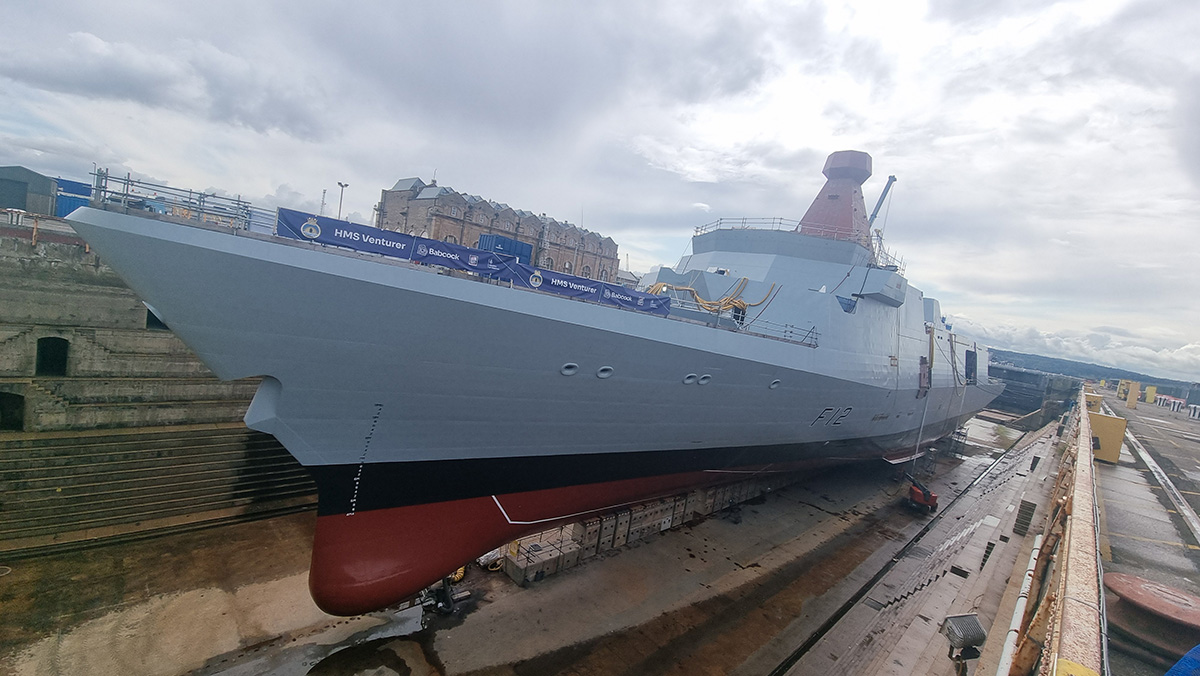
UK Type 31 Frigate Program Faces Ongoing Schedule Challenges, MOD Confirms
The United Kingdom’s ambitious Type 31 frigate program is experiencing ongoing schedule challenges, primarily stemming from its accelerated construction timeline and the intricate process of integrating, testing, and assuring various complex ship systems. This confirmation came from the Ministry of Defence (MOD) in response to a recent parliamentary inquiry, highlighting the inherent complexities of modern warship procurement.
Defence Minister Luke Pollard addressed these concerns in a written parliamentary answer, prompted by Conservative MP Ben Obese-Jecty. The MP’s question followed references to the Type 31 program in the National Infrastructure and Service Transformation Authority’s Major Projects Annual Report for 2025 to 2026, indicating sustained scrutiny over the project’s progress and delivery timeline.
Minister Pollard stated that the MOD continues its close collaboration with Babcock, the primary contractor responsible for the five-ship Type 31 program, to ensure the build remains aligned with Royal Navy operational requirements and the projected delivery schedule. He underscored the government’s commitment to delivering a capable fleet within competitive international timescales.
“The Ministry of Defence (MOD) continues to work closely with Babcock, the prime contractor, to ensure the Type 31 programme meets all user requirements to deliver a maritime security capability at a value for money price, in a timescale that is competitive with other international warship procurement programmes,”Pollard affirmed in his statement.
The Type 31 program, officially known as the Inspiration class, is distinguished by its intentionally rapid build schedule. Babcock is constructing these frigates at its Rosyth facility using a modular and repeatable production approach. This strategy is designed to facilitate a steady, efficient flow of ships through the assembly, integration, and final completion phases, aiming for quicker delivery than traditional warship builds while also offering a cost-effective design suitable for export.
Pollard acknowledged the inherent difficulties associated with such an accelerated approach.“Challenges can be expected when delivering a complex warship against an ambitious build timeline. Working closely with Babcock enables us to resolve any issues that may arise, alongside maturing the design and progressing construction, ensuring the build programme is stable and repeatable going forward,”he added. This statement suggests that while challenges are anticipated, the collaborative effort is focused on maintaining momentum and refining the production process.
A significant source of complexity, as highlighted by Minister Pollard, lies in the integration of the vessel’s numerous sophisticated systems. This encompasses the ship’s advanced combat management system, extensive communication suites, precision navigation equipment, powerful propulsion mechanisms, and various other critical onboard technologies. Ensuring the rigorous testing and assurance of these interconnected, often bespoke, systems remains synchronized with the broader program schedule presents a considerable technical and logistical challenge. This process involves not only physically installing equipment but also ensuring seamless software integration and operational compatibility across all platforms.
“The complex nature of this work can present challenges, however all activities are subject to ongoing oversight by the MOD to ensure successful delivery to the RN,”Pollard concluded, emphasizing the MOD’s continuous monitoring of the project’s technical progress and adherence to quality standards.
It is crucial to note that Minister Pollard’s statement did not announce a new, specific delay or pinpoint a single catastrophic integration failure within the program. Instead, it reaffirmed that the project is operating under continuous schedule pressure, a natural consequence of its ambitious construction timeline and the inherent difficulties in meticulously completing ship-system integration, comprehensive testing, and final assurance procedures without disrupting the planned pathway for entry into Royal Navy service.
The Type 31 frigates are intended to provide the Royal Navy with a fleet of five versatile general-purpose warships. These vessels are designed to partially replace the aging Type 23 frigate fleet, significantly boosting the number of modern surface combatants available for a diverse range of missions. These missions include maritime security operations, maintaining a global naval presence, conducting humanitarian aid and disaster relief, anti-piracy operations, and engaging in various other tasks crucial to national and international security interests. Their flexible design is meant to adapt to evolving threats and operational demands.
Beyond fulfilling domestic naval requirements, the program carries a broader strategic objective. By demonstrating a more efficient and repeatable approach to warship production, the MOD and Babcock aim to enhance the UK’s appeal in the international defense market, potentially securing future export opportunities for British-built warships. Concurrently, the sustained activity at Babcock’s Rosyth shipyard plays a vital role in maintaining essential shipbuilding skills and capabilities within the UK’s industrial base, contributing to national prosperity and technological self-reliance.
Why This Matters
Naval Capability and Operational Readiness:The timely delivery of the Type 31 frigates is paramount for the Royal Navy’s operational readiness and its ability to meet escalating global commitments. As the UK faces an increasingly complex geopolitical landscape, modern frigates are essential for maintaining freedom of navigation, deterring aggression, and projecting influence across key maritime choke points. Delays could strain an already stretched fleet, impacting the Navy’s capacity for patrols, escort duties, and rapid response to crises. The Type 23 frigates they are designed to replace are nearing the end of their service lives, making the prompt introduction of the Type 31s critical for maintaining fleet strength and technological parity with allied and peer nations.
Defence Spending and Economic Impact:Major defence procurement programs like the Type 31 represent significant investments of taxpayer money. While the MOD emphasizes ‘value for money,’ schedule challenges often correlate with potential cost overruns due to extended project timelines, increased labour hours, and unforeseen technical issues. Any substantial delay could escalate the final cost of the program, diverting funds from other critical defence priorities and potentially leading to a re-evaluation of budget allocations. Conversely, the success of this program is also an economic boon, supporting thousands of skilled jobs in shipbuilding and associated industries, particularly in Scotland, and contributing significantly to the UK’s industrial resilience and economic growth.
Industrial Strategy and Export Potential:The Type 31 program is not just about new ships; it’s a test case for a new, more efficient model of warship construction in the UK. The ‘repeatable production approach’ is central to the UK’s ambition to become a more competitive player in the global naval shipbuilding market. Demonstrating the ability to deliver complex warships reliably and on schedule is crucial for securing future export contracts, which in turn bolster the UK’s defence industrial base, foster innovation, and create economic benefits. Persistent delays could undermine confidence in this new modular build model and diminish the UK’s attractiveness as a defence exporter on the world stage, impacting long-term strategic goals.
Technological Advancement and Future Fleet:The integration of advanced combat, communication, and navigation systems into the Type 31 frigates represents a significant technological leap for the Royal Navy. The challenges encountered during this integration phase are crucial learning opportunities for future naval programs, including the more advanced Type 26 frigates and other potential projects. Successfully navigating these complexities ensures that the Royal Navy’s future fleet remains at the cutting edge of maritime technology, capable of operating effectively in contested environments. The ability to successfully integrate diverse systems from various suppliers is a hallmark of modern warship design and crucial for interoperability with allied forces.
National Security and Global Presence:Ultimately, the Type 31 frigates are foundational to the UK’s national security strategy and its role as a global maritime power. They will perform a range of roles from safeguarding sovereign waters and trade routes to supporting international stability operations and humanitarian efforts. Delays in their introduction could compromise the UK’s ability to fulfill its international commitments, participate effectively in multilateral exercises, and respond flexibly to evolving threats on the world stage, thereby impacting its standing among allies and adversaries alike and potentially creating strategic gaps in its defence posture.