
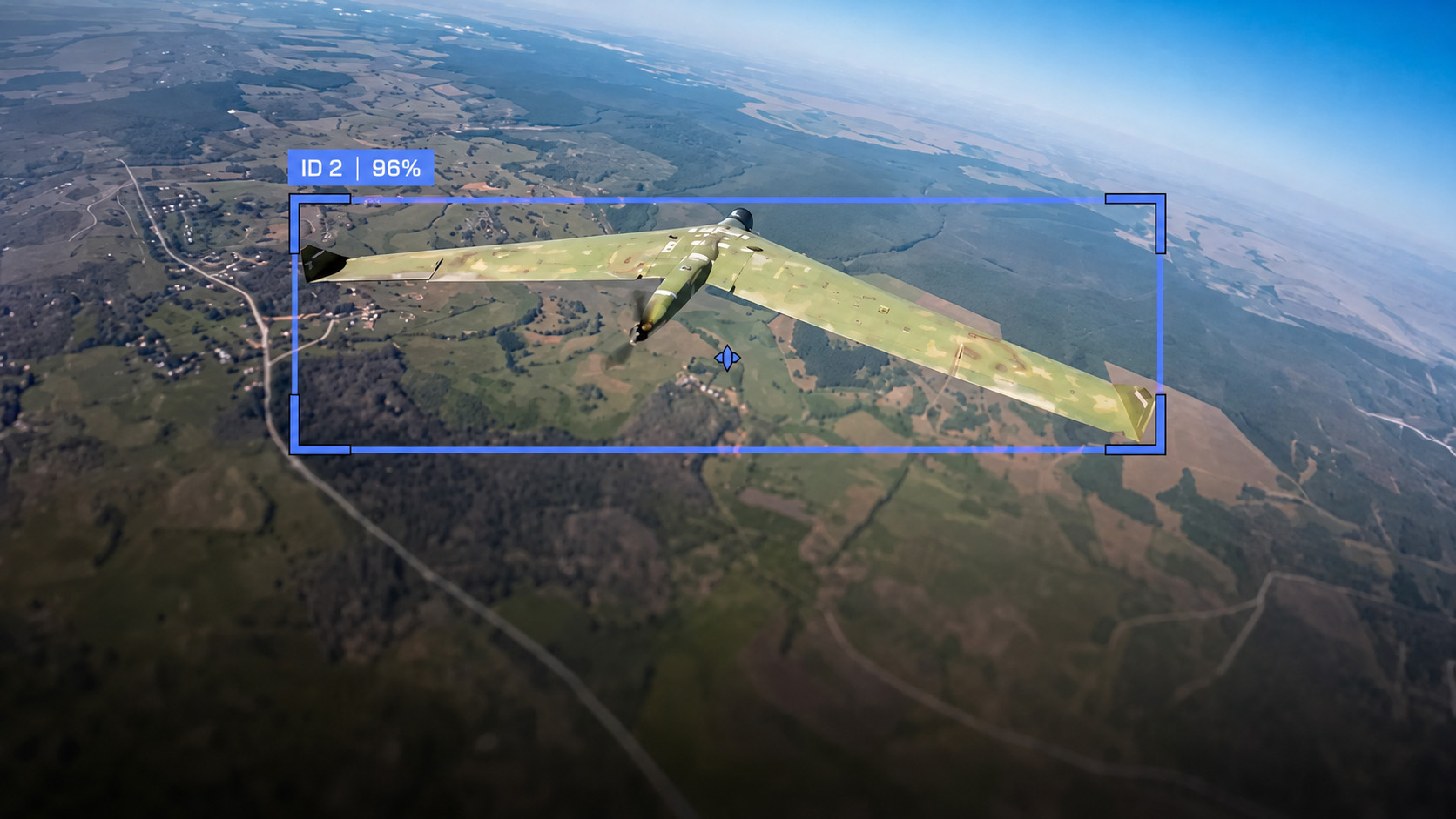
Ukraine Reports Massive Counter-Drone Activity, Citing Over 260,000 Russian UAVs Neutralized Since Early 2026
Ukrainian authorities claim their forces have neutralized more than 260,000 Russian fixed-wing and multirotor drones since the beginning of 2026, according to figures released by Ukraine’s Ministry of Defence. This significant number highlights the intense and evolving drone warfare characterizing the conflict. Separately, the country’s General Staff reported an additional 1,835 Russian operational-tactical unmanned aerial vehicle (UAV) losses during its latest daily reporting period, contributing to a cumulative total exceeding 460,000 since February 2022.
It is important to note that these figures originate from different Ukrainian reporting systems and cover distinct timeframes, therefore they should not be treated as directly equivalent or cumulative. All reported figures are Ukrainian wartime assessments and have not been independently verified by external sources.
According to an 11 August update from Ukraine’s Ministry of Defence, more than 260,000 engagements against Russian fixed-wing and multirotor UAVs have been verified through Ukraine’s DELTA combat system since the start of 2026. This comprehensive figure encompasses a range of outcomes, including destruction, jamming, forced landings, and other actions that render the drones inoperable or ineffective. The Ministry specified that approximately 195,000 fixed-wing UAVs and 66,000 multirotor drones were “destroyed” within this period, indicating the majority of these engagements resulted in the complete loss of the enemy asset. The Ministry stated:“Since the start of the year, Defence Forces units have neutralized more than 260,000 fixed-wing and multirotor UAVs. All target engagements have been verified in the DELTA combat system.”These recorded engagements were subsequently corroborated by the Innovation Development Fund of Ukraine’s Ministry of Digital Transformation, adding another layer of internal verification to the claims.
Ukraine also reports a substantial increase in the rate of drone interception throughout the year. Data cited by Kyiv indicates that the number of Russian fixed-wing UAVs reportedly destroyed reached 40,438 in July, a notable rise compared to 27,711 reported at the end of May. Similarly, in the multirotor category, verified engagements increased from 14,071 at the end of June to 19,945 during July. Kyiv asserts that this granular data, tracked through the DELTA system, allows for the precise monitoring of individual engagements. This capability is crucial for identifying successful counter-UAV approaches and enabling their rapid expansion and implementation across Ukrainian military formations, thus adapting quickly to evolving battlefield tactics.
The Ministry of Defence describes DELTA as the foundational digital core of its battlefield command-and-control system. It explained:“All engagements against enemy UAVs are verified in the DELTA system, which serves as the digital core of modern battlefield command and control and is one of the technological solutions key to our advantage over the enemy.”The system reportedly allows for the detailed recording of circumstances surrounding each successful engagement, facilitating the analysis of effective counter-drone methods. This analytical capability is then used to disseminate and scale proven techniques across various Ukrainian units, aiming to enhance overall effectiveness against Russian drone operations.
Further reinforcing the reported scale of counter-UAV activity, the General Staff issued its separate daily loss assessment on 15 August. According to a Ukrainian Ministry of Defence news update, Kyiv estimated that Russian forces lost 1,835 operational-tactical UAVs during the preceding 24-hour reporting period. This daily figure contributed to the General Staff’s cumulative estimate of Russian operational-tactical UAV losses, which reached 461,484 since the full-scale invasion began in February 2022. The ministry summarized the day’s broader figures by stating:“Total russian military losses on August 14, 2026: 1,370 personnel, 1,835 UAVs, and 62 artillery systems.”
The same General Staff assessment for 15 August also claimed significant losses in other categories of Russian military hardware. Ukraine reported the destruction of five Russian tanks, three armoured fighting vehicles, 62 artillery systems, two multiple-launch rocket systems, and three air defence systems during the specified period. Additionally, Kyiv recorded the loss of 522 vehicles and fuel tanks, along with 12 unmanned ground vehicles. The cumulative personnel figure provided by the General Staff stood at approximately 1,465,810. It is important to clarify that this figure, consistently reported by the General Staff, represents total personnel losses and does not exclusively denote deaths; it includes killed, wounded, captured, and other personnel losses, without providing a specific breakdown.
In a related but separate dataset, Ukraine’s Ministry of Defence has also reported extensive offensive use of unmanned systems by its own forces. Since the start of 2026, Ukrainian drones are claimed to have struck more than one million Russian targets. Within that dataset, Kyiv states that approximately 193,500 Russian personnel were either killed or seriously wounded as a direct result of Ukrainian drone operations. This figure represents a specific assessment of drone-inflicted casualties and is distinct from the General Staff’s broader daily personnel-loss total, which encompasses all causes of loss.
Why This Matters
The reported scale of drone activity and losses, even if unverified, underscores several critical aspects of modern warfare and the ongoing conflict. Firstly, it highlights the ubiquitous and transformative role of unmanned aerial vehicles in contemporary combat. Drones are no longer auxiliary tools but central to reconnaissance, intelligence gathering, precision targeting, and even direct attack operations. The sheer numbers claimed by Ukraine—hundreds of thousands of drones neutralized or lost—demonstrate the intensity of this technological struggle, suggesting a significant investment in drone capabilities by both sides and an equally robust effort in counter-drone measures.
Secondly, these figures are a key component of the information warfare surrounding the conflict. By regularly publishing detailed reports on enemy losses, Ukraine aims to bolster national morale, demonstrate military effectiveness to its population and international allies, and potentially deter adversaries. The specific details, such as the differentiation between fixed-wing and multirotor drones, and the distinction between “neutralized” and “lost,” suggest a deliberate effort to present comprehensive, albeit internally verified, data. However, without independent verification, these numbers serve primarily as strategic communications rather than definitive casualty counts.
Thirdly, the emphasis on systems like DELTA reveals the critical importance of digital command-and-control in a technologically advanced conflict. Ukraine’s ability to track, verify, and adapt counter-drone tactics through such a system speaks to the ongoing technological arms race. The development and rapid deployment of effective counter-UAV measures—ranging from electronic warfare and jamming to dedicated air defense systems—are crucial for battlefield survival and success. The reported increase in interception rates suggests a continuous evolution of these defensive strategies, emphasizing the dynamic nature of drone and counter-drone innovation.
Finally, the high rate of claimed drone attrition, alongside other reported military losses, provides insight into the immense logistical and industrial demands placed on the belligerents. Replacing hundreds of thousands of drones, along with other sophisticated military equipment, requires a substantial and sustained manufacturing capability. This pressure on industrial output and supply chains is a significant strategic factor, impacting the long-term sustainability of military operations and the broader economic implications of the conflict for all parties involved.