
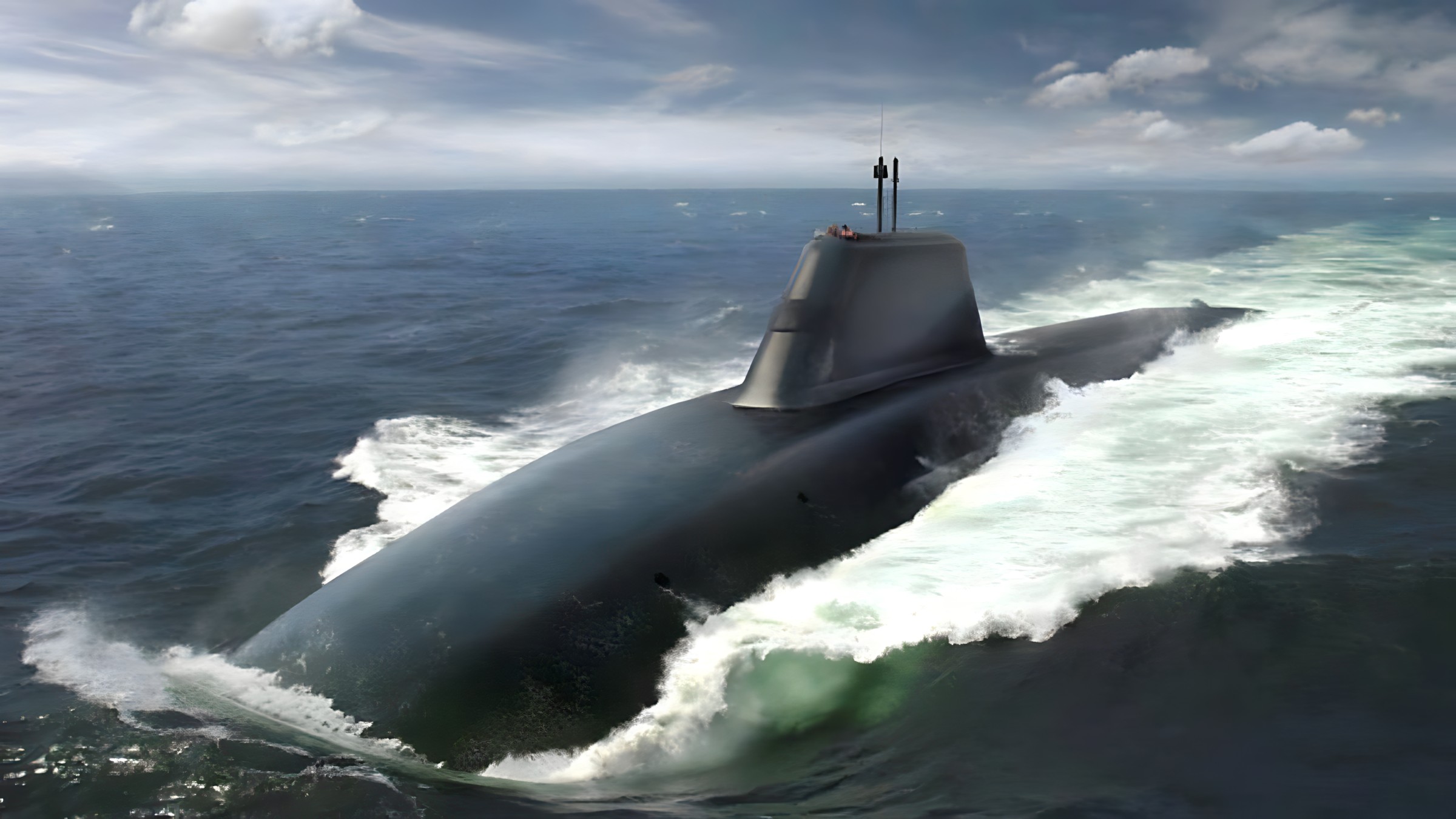
UK Advances Nuclear Submarine Reactor Core Production for Dreadnought and AUKUS Programs
The United Kingdom has confirmed significant progress in its Core Production Capability (CPC) programme, with major facility upgrades completed for the manufacture of reactor cores destined for the new Dreadnought-class ballistic missile submarines. Work is now shifting to final commissioning and the direct production of these critical components, according to a recent statement in Parliament.
The update came in response to an inquiry from James MacCleary, the Liberal Democrat Member of Parliament for Lewes, who sought information on the CPC programme’s progress, specifically in the context of official delivery confidence assessments for major government defense projects.
Progress on Dreadnought Cores and Facility Modernization
Luke Pollard, the Minister of State for Defence, affirmed that the Core Production Capability continues to demonstrate progress across its infrastructure, workforce development, and manufacturing capabilities, all essential for supporting the UK’s submarine programmes. This assessment aligns with reports from the National Infrastructure and Service Transformation Authority, which monitors Government Major Project Portfolio Defence projects.
Minister Pollard stated, “The major facility upgrades required to support Dreadnought reactor core production have been delivered, with activity now focused on completing final commissioning, manufacturing and delivering the reactor cores required.” This marks a crucial milestone in the programme, transitioning from infrastructure development to active production. The Ministry of Defence is collaborating closely with Rolls-Royce Submarines to ensure the timely delivery of these reactor components, aiming to support the Dreadnought submarines’ planned entry into service in the early 2030s.
Beyond the Dreadnought programme, the UK is also undertaking extensive work to modernize and expand its manufacturing capability and capacity. This expansion is designed to produce reactor cores and nuclear steam raising plants not only for future UK submarines but also for the SSN-AUKUS submarines, a key element of the trilateral security pact involving Australia, the United Kingdom, and the United States. This dual focus underscores the strategic importance of the Raynesway facility.
The Core Production Capability programme involves a comprehensive rebuilding of the facilities operated by Rolls-Royce Submarines in Raynesway, Derby. This site holds a singularly critical role as Britain’s sole manufacturing hub for the highly specialized reactor cores that power every nuclear submarine in its fleet. The previous infrastructure at the site dated back to the Cold War era, making the current modernization effort vital for maintaining the UK’s strategic nuclear deterrent and its conventional submarine capabilities.
The AUKUS Dimension and Industrial Expansion
A significant aspect of the CPC programme’s expansion is its commitment to supporting the AUKUS security pact. The agreement stipulates that Australian nuclear-powered submarines, to be built at Osborne, South Australia, will utilize the same reactor design as the UK’s next-generation submarines. This shared technology necessitates a substantial increase in manufacturing capacity at the Derby plant, as Rolls-Royce will be supplying components for both nations.
To meet these expanded requirements, Rolls-Royce has embarked on a large-scale recruitment drive in Derby, with projections indicating that the site’s workforce will approximately double over the course of the programme. This surge in employment reflects the complexity and scale of manufacturing nuclear reactor components, which demand highly specialized skills in engineering, metallurgy, and nuclear safety. The investment in human capital and advanced manufacturing techniques at Derby represents a significant boost to the UK’s high-tech industrial base.
Timeline and Investment for Future Capabilities
Looking ahead, the first SSN-AUKUS submarine is slated to have its steel cut next year, marking the official commencement of its construction phase. The detailed design and long lead phase for these advanced submarines are expected to conclude in 2028. These milestones highlight the long-term planning and multi-decade commitment required for nuclear submarine programs.
The broader “nuclear enterprise” in the UK, which encompasses the design, construction, operation, and eventual decommissioning of nuclear submarines and their associated infrastructure, is backed by substantial financial commitments. The current Defence Investment Plan allocates £63 billion over four years to this enterprise. This funding covers not only the submarine platforms themselves but also the development of reactor technology, the manufacturing of warheads, and the extensive training and support required for a highly complex and sensitive defense capability. The sustained investment underscores the strategic importance the UK places on its nuclear deterrent and its role in global security.
Why This Matters
- National Security and Deterrence:The successful and timely production of reactor cores is fundamental to the UK’s ability to deliver its Dreadnought-class submarines, which are the cornerstone of its continuous at-sea nuclear deterrent. This capability is vital for national security and projecting influence on the global stage. Delays in this critical manufacturing process would have direct implications for the future of the UK’s deterrent.
- Strategic Alliances and Global Influence:The expansion of reactor core production to support the AUKUS pact reinforces the UK’s commitment to this key trilateral security agreement. By providing essential components for Australia’s future nuclear-powered submarines, the UK strengthens its strategic partnership with the United States and Australia, contributing to stability and security in the Indo-Pacific region. This demonstrates the UK’s role as a leading global player in advanced defense technology.
- Economic and Industrial Impact:The significant investment in the Core Production Capability at Rolls-Royce in Derby, including the planned doubling of its workforce, represents a major boost to high-tech manufacturing and skilled employment in the UK. It fosters expertise in advanced engineering and nuclear technology, driving economic growth and creating long-term career opportunities in a critical sector.
- Technological Advancement and Sovereignty:The modernization of reactor core production facilities ensures that the UK maintains sovereign control over a vital defense capability. It also drives innovation in nuclear engineering and manufacturing processes, keeping the UK at the forefront of this highly specialized field.
- Long-term Commitment to Defense Capabilities:The multi-billion-pound investment and multi-decade timelines associated with these submarine programs underscore a long-term commitment by the UK government to maintaining robust naval capabilities and a credible defense posture, adapting to evolving geopolitical challenges.