
UK Ministry of Defence Reaffirms Royal Navy’s Global Deployment and Navigational Rights
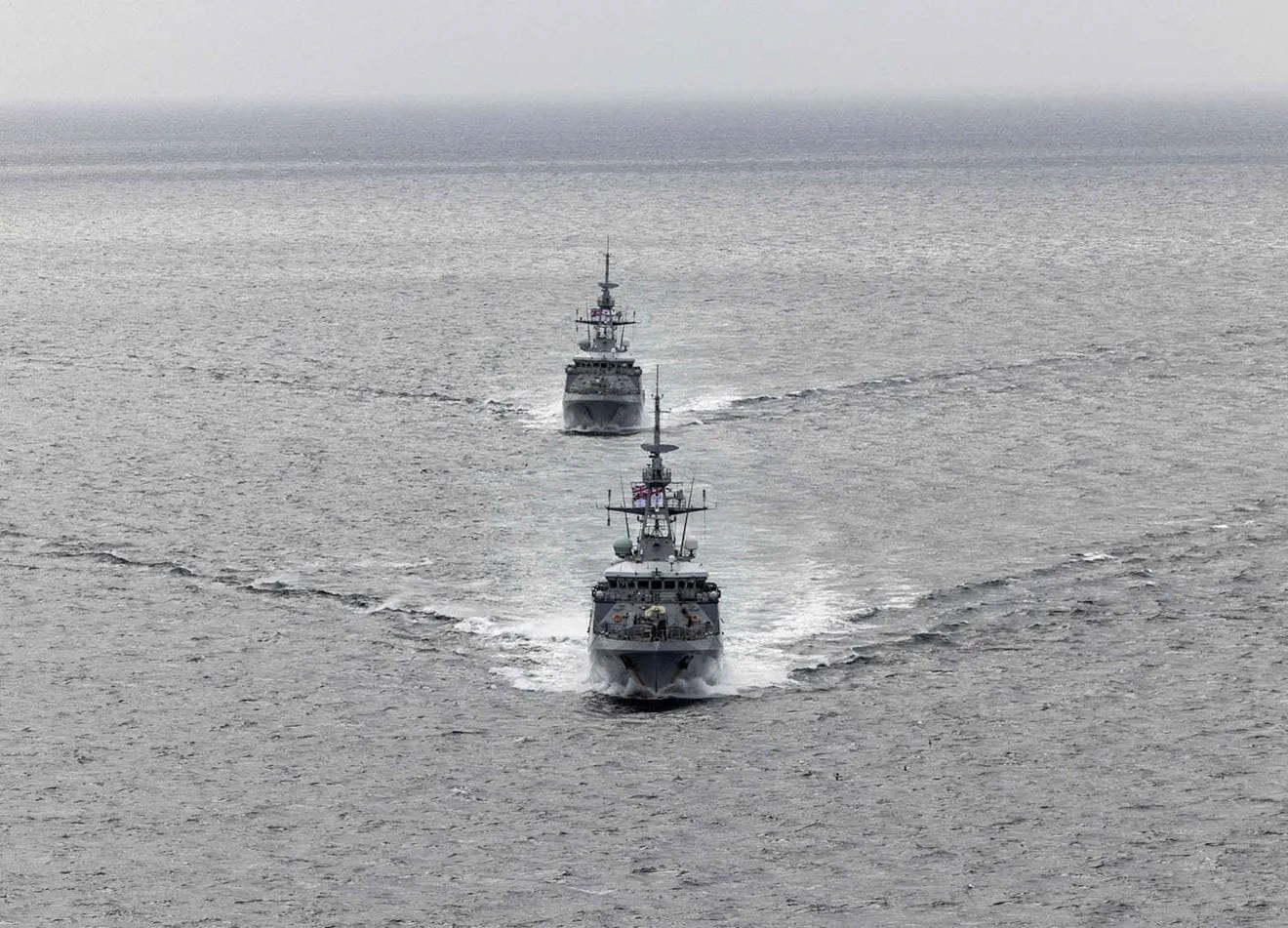
The United Kingdom’s Ministry of Defence (MoD) has confirmed that the Royal Navy will continue its global deployment of warships and the exercise of navigational rights, including the right of innocent passage, in accordance with international law. This reaffirmation came in response to a parliamentary inquiry concerning the Royal Navy’s ongoing international operations, such as the recent visit by HMS Medway to Punta Arenas, Chile.
The inquiry was initiated by Lord West of Spithead, a former First Sea Lord and Chief of the Naval Staff, who sought clarification on whether the government intended for occasional visits by warships exercising their right of innocent passage to continue. His question underscored the ongoing interest and parliamentary oversight regarding the Royal Navy’s operational mandate and adherence to international maritime law.
In a written response, Lord Coaker, Minister of State for the Ministry of Defence, provided a clear statement of intent. He articulated that the Royal Navy’s global deployments are integral to supporting the United Kingdom’s defence, security, and international engagement objectives. This broad mandate encompasses a range of activities designed to protect national interests, contribute to global stability, and foster relationships with allies and partners worldwide.
Lord Coaker further elaborated that Royal Navy vessels routinely exercise their navigational rights, including the right of innocent passage where applicable, in strict accordance with international law. These operations are often combined with port visits and defence engagement activities, serving to strengthen bilateral and multilateral ties, facilitate joint training, and demonstrate interoperability with navies across the globe.
To illustrate the routine nature and global reach of these operations, the Minister cited several recent examples of Royal Navy deployments:
- HMS Medway:Operating in the South Atlantic, supporting the UK’s enduring presence and commitments in the region.
- HMS Trent:Engaged in security and defence activities across the United States and the Caribbean, contributing to regional stability and counter-narcotics efforts.
- HMS Spey and HMS Tamar:Maintaining a persistent United Kingdom presence in the Indo-Pacific region, a vital area for global trade and geopolitical influence.
- UK Carrier Strike Group (CSG):Led by HMS Prince of Wales, undertaking operations with NATO Allies in the North Atlantic and High North, reinforcing collective defence and readiness.
These examples, Lord Coaker affirmed, underscore the extensive and routine global footprint of the Royal Navy in pursuit of its strategic objectives.
A key aspect of the Royal Navy’s global operations, and the subject of Lord West’s inquiry, is the exercise of the right of innocent passage. This right is enshrined in the United Nations Convention on the Law of the Sea (UNCLOS), the foundational international treaty governing maritime activities. UNCLOS stipulates that ships of all states, including warships, may traverse the territorial sea of another state without prejudice to the peace, good order, or security of that coastal state. This provision is crucial for ensuring freedom of navigation and maintaining open sea lanes vital for global trade and communication.
However, the interpretation and application of innocent passage, particularly concerning warships, remain an area of ongoing international discussion. While UNCLOS explicitly includes warships in the provision for innocent passage, some states, including Chile, adopt a position requiring or requesting prior notification or authorization for foreign warships entering their territorial waters. The United Kingdom, along with many other major maritime nations, does not accept such requirements as consistent with the universal and automatic nature of innocent passage as articulated in UNCLOS. This difference in interpretation highlights a broader debate about the balance between coastal state sovereignty and the principle of freedom of navigation.
The specific example of HMS Medway’s visit to Punta Arenas, Chile, provides context to this discussion. HMS Medway is a Batch 2 River-class offshore patrol vessel, designed for versatile operations. After several years forward-deployed in the Caribbean, she has transitioned to operations in the South Atlantic. This region is strategically significant for the UK, encompassing commitments to the Falkland Islands, South Georgia, and the wider South Atlantic. Punta Arenas, located on the Strait of Magellan, serves as Chile’s primary port for access to Antarctica and the far southern regions, making it a regular and important stop for vessels operating in these challenging waters.
The Ministry of Defence’s statement therefore serves as a clear articulation of the UK’s commitment to upholding international maritime law, maintaining a global naval presence, and pursuing its defence and foreign policy objectives through active engagement with the international community.
Why This Matters
The Ministry of Defence’s reiteration of the Royal Navy’s continued global deployments and adherence to international navigational rights, particularly innocent passage, carries significant implications for several reasons:
Upholding the Rules-Based International Order:The UK’s consistent stance on innocent passage reinforces its commitment to the United Nations Convention on the Law of the Sea (UNCLOS). UNCLOS is a cornerstone of international law, providing a comprehensive framework for all ocean activities. By actively exercising and defending these rights, the UK contributes to the stability and predictability of maritime governance globally, which is crucial for preventing disputes and ensuring peaceful coexistence on the seas.
Freedom of Navigation:The principle of freedom of navigation is fundamental to global trade, security, and communication. Secure and open sea lanes are essential for the movement of goods, energy supplies, and data, underpinning the global economy. The Royal Navy’s presence and its assertion of navigational rights deter potential challenges to this freedom, ensuring that vital maritime routes remain accessible to all nations.
Projection of UK Influence and Global Role:A global naval presence allows the UK to project its influence, demonstrate its commitment to international security, and respond to crises wherever they may arise. From humanitarian assistance and disaster relief to counter-piracy and counter-narcotics operations, the Royal Navy plays a role in addressing shared global challenges. This sustained presence underscores the UK’s ambition to remain a significant global actor and contributor to international stability.
Strengthening Alliances and Partnerships:Regular deployments and port visits facilitate defence engagement activities and joint exercises with allies and partners worldwide. This strengthens interoperability, builds trust, and enhances collective security arrangements, such as those with NATO in the Euro-Atlantic or with partners in the Indo-Pacific. These relationships are vital for intelligence sharing, coordinated responses to threats, and reinforcing shared values.
Strategic Regional Commitments:The specific examples cited, such as HMS Medway in the South Atlantic and HMS Spey and HMS Tamar in the Indo-Pacific, highlight the UK’s enduring strategic interests in key regions. These deployments ensure the protection of UK sovereign territories (like the Falkland Islands), safeguard economic interests, and support regional stability in areas of increasing geopolitical competition.
Addressing Geopolitical Tensions:In an era of increasing geopolitical competition and maritime assertiveness by some states, the UK’s clear statement on navigational rights serves as a signal of its resolve to uphold international law. The differing interpretations of innocent passage for warships, as highlighted with Chile, reflect broader global debates that could impact maritime security. The UK’s consistent position contributes to the international discourse on these critical issues.