
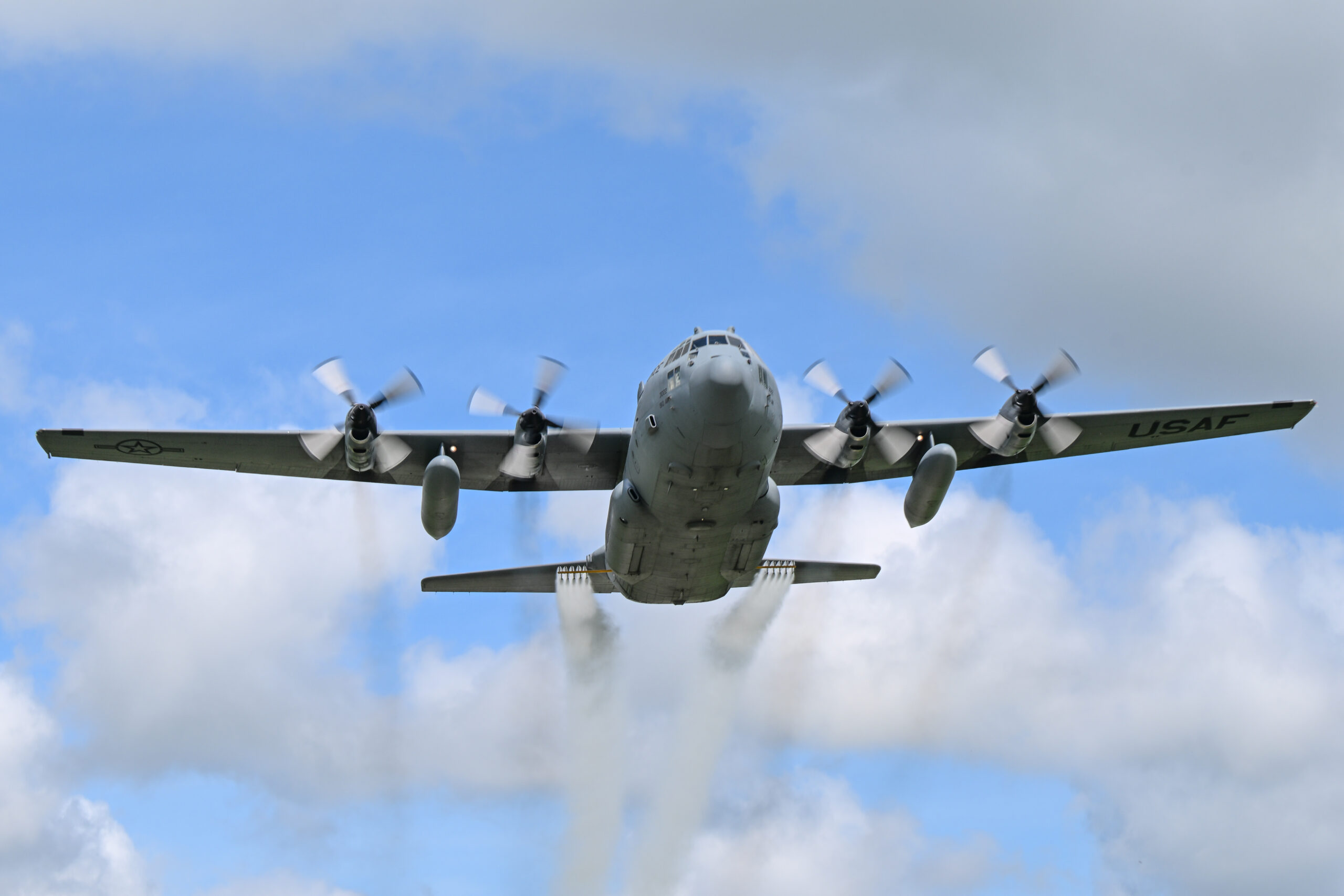
The U.S. Air Force Reserve’s unique aerial spray mission, vital for combating disease-carrying insects and environmental threats, faces significant modernization hurdles, threatening its ability to respond effectively to future crises. Operated solely by the 910th Airlift Wing out of Youngstown Air Reserve Station, Ohio, this specialized unit has recently been engaged in critical nighttime, low-flying missions, particularly peaking in August, to control mosquito populations across the United States. These efforts target ubiquitous and potentially deadly adversaries, such as mosquitoes carrying the West Nile virus.
Beyond pest control, the 910th Airlift Wing performs approximately 25 recurring missions annually, utilizing its C-130H Hercules aircraft to apply a range of substances. This includes herbicides for invasive plants, such as halogeton on the Utah Test and Training Range, and oil dispersants for environmental disasters like the 2010 Deepwater Horizon incident. For decades, these aging C-130H aircraft and their analog spray systems have been the backbone of the mission, but they have now far exceeded their expected operational lifespans.
The Air Force Reserve initiated efforts in the early 2010s to modernize this critical capability, planning to replace the older C-130Hs with more advanced C-130J Super Hercules aircraft and update the spray equipment with the more efficient Electronic Modular Aerial Spray System (EMASS). However, this modernization initiative has been hampered by persistent delays, including setbacks in the delivery of the Lockheed Martin-built C-130J aircraft and challenges in integrating the new EMASS technology.
Concerns over these delays were highlighted by then-Chief of the Air Force Reserve Lt. Gen. John P. Healy during his final testimony to Congress in April. General Healy lauded the unique and indispensable work of the 910th, whose primary role is tactical airlift—delivering cargo and personnel—but whose aerial spray mission offers a distinct national capability. He expressed apprehension that the vital spray mission could falter unless political leaders and the Department of the Air Force took decisive action to address the modernization challenges.
General Healy warned lawmakers that a combination of factors—including delays in C-130J deliveries, compatibility issues with the EMASS, requirements to divest the older H models, and overall aircraft availability concerns—could force the department to rely on a single operational aircraft for aerial spray missions. This scenario would severely limit the ability to service a dozen military sites across nine states, let alone respond to unforeseen emergencies such as major hurricanes, overseas disasters requiring pest control, or combat missions where insect-borne diseases pose a threat to personnel.
“I predict next year in ’27, where we’re going to be stuck with only one potential spray system to service the country, and I think that’s an uncomfortable risk with regard to the mission set that they provide,” Healy testified, underscoring the potential vulnerability this bottleneck would create for public health and military readiness.
To mitigate these risks, the Air Force Reserve is pursuing various strategies. These include extending the operational life of some C-130H models and expediting the integration and delivery of the new EMASS equipment. Reserve spokesman Sean Houlihan informed Air & Space Forces Magazine that the 910th Wing anticipates receiving four new C-130J aircraft in the coming months, with the last of the C-130H models expected to remain in service through 2027. However, even with the arrival of new C-130Js, a significant timeline for crew training and certification of the EMASS spray system means that these new aircraft will not be immediately ready for aerial spray operations, potentially causing a gap in capability.
The Mission’s Enduring Legacy
The aerial spray mission boasts a long and distinguished history, predating the establishment of the U.S. Air Force itself. Its origins trace back to 1943, when the Army Air Forces collaborated with the Bureau of Entomology and Plant Quarantine. This partnership was instrumental in developing wide-area, aerial-dispersal spray technology using dichlorodiphenyltrichloroethane (DDT) to combat mosquito-borne diseases in the Pacific theater during World War II, a critical health measure for troops.
The Air Force Reserve assumed responsibility for this specialized mission from active-duty units in 1973, shortly after the Vietnam War. In the five decades since, the Reserve has conducted ten non-military emergency deployments, spraying over 7 million acres to control pests and insects. Notable missions include a 1973 deployment to Panama to combat mosquitoes carrying Equine encephalitis, a 1987 effort to reduce Dengue fever-carrying mosquitoes in Puerto Rico, a 1999 deployment to North Carolina and Virginia in the aftermath of Hurricane Floyd, and a crucial 2005 operation along the Gulf Coast following Hurricanes Katrina and Rita.
The 910th Airlift Wing has held the exclusive responsibility for this critical mission since 1992. As recently as 2009, the wing operated 16 aircraft dedicated to this role. However, between 2009 and 2014, the Department of the Air Force’s decision to retire a significant portion of its C-130H fleet resulted in the 910th losing eight of its planes, reducing its capacity.
Delayed Aircraft Deliveries and Technical Challenges
Plans to recapitalize the 910th’s fleet and enhance its capabilities date back to at least the fiscal 2020 budget, when Congress allocated $730 million for eight new C-130J aircraft, evenly split between the Air National Guard and Air Force Reserve. At that time, Air & Space Forces Magazine reported that the Reserve considered both the 910th and the 302nd Airlift Wing in Colorado as potential recipients for the new aircraft, with initial deliveries projected for 2023.
Subsequent funding for Reserve C-130Js was included in the 2021 and 2022 budgets. In late 2022, the Department of the Air Force officially designated Youngstown Air Reserve Station as the preferred location for eight C-130Js, signaling a full recapitalization of the 910th’s entire C-130H fleet. The C-130J model offers significant operational advantages, including requiring two fewer crew members—a navigator and flight engineer—due to its advanced integrated systems, thereby easing manning requirements across all missions.
The 910th Wing received its first C-130J in July 2024, followed by a second in December 2024. However, the modernization process encountered further delays in 2025 when manufacturer Lockheed Martin was compelled to integrate a new communications suite into the aircraft due to the obsolescence of existing components. This unforeseen technical hurdle brought C-130J deliveries to a halt.
Christopher Karns, a Lockheed spokesman, has since confirmed to Air & Space Forces Magazine that the firm has finalized the certification of the new implementation design and resumed production and delivery efforts, aiming to overcome the previous delays and deliver the modernized fleet.
Why This Matters
The challenges facing the 910th Airlift Wing’s aerial spray mission extend beyond military logistics; they directly impact public health, national security, and environmental protection. This mission represents a unique, sole-source capability within the U.S. military, offering a critical defense against widespread threats:
- Public Health Protection:The ability to rapidly deploy aerial sprays is vital for controlling outbreaks of vector-borne diseases like West Nile virus, Dengue fever, and Equine encephalitis, protecting both military personnel and civilian populations across the U.S. and globally. A lapse in this capability could lead to increased morbidity and mortality from such diseases.
- Disaster Response and National Security:Following natural disasters such as hurricanes, insect populations often surge, posing health risks and hindering recovery efforts. This mission provides an essential tool for post-disaster humanitarian aid and public health stabilization. Furthermore, its readiness for overseas deployments ensures the protection of military forces in environments where disease vectors are prevalent, directly impacting operational effectiveness.
- Environmental and Agricultural Preservation:The mission’s scope includes controlling invasive plant species that threaten ecosystems and agricultural lands, as well as responding to environmental catastrophes like oil spills with dispersant applications. Loss of this capability could have long-term ecological and economic consequences.
- Fiscal Responsibility and Readiness:Delays in modernization not only create operational gaps but can also lead to increased costs due to prolonged maintenance of aging equipment and the need for stopgap measures. Ensuring a smooth transition to modern aircraft and spray systems is crucial for maintaining readiness and making efficient use of taxpayer funds.
- Strategic Vulnerability:As warned by military leadership, relying on a single operational aircraft for such a critical, geographically dispersed mission introduces a significant strategic vulnerability. Any mechanical issue or operational conflict could render the nation incapable of responding to multiple simultaneous threats, creating a dangerous gap in national defense and public safety infrastructure.
C-130J Super Hercules Delivery Delays Affect U.S. Air Force’s Unique Aerial Spray Mission
The 910th Airlift Wing of the U.S. Air Force, stationed at Youngstown Air Reserve Station, Ohio, is experiencing ongoing delays in the delivery of its new C-130J Super Hercules aircraft. These delays are impacting the wing’s distinctive and critical aerial spray mission, which is responsible for providing essential pest and vegetation control services across various military installations throughout the United States.
Lockheed Martin, the manufacturer of the C-130J, has attributed production challenges to issues within its supply chain and a constrained workforce. These factors have led to revised delivery timelines for the advanced cargo aircraft. For the 910th Airlift Wing, the expected arrival of its fourth C-130J aircraft has been postponed until September 2026, following earlier expectations for a summer delivery in the same year.
Production Setbacks and Schedule Adjustments
Initial projections indicated that the 910th Airlift Wing would receive its first C-130J in 2024. However, this timeline was subsequently adjusted, first to 2025, and then again to 2026. Stephanie Karns, a spokesperson for Lockheed Martin, stated that the company anticipates returning to its “historic averages between 16-24 aircraft” in 2026. As of late August 2026, Lockheed Martin reported that 40 C-130Js were in various stages of production.
The allocation and scheduling of aircraft deliveries to specific Air Force units are determined by the Air Force itself, rather than the manufacturer. For the 910th, these delays have resulted in a slower-than-planned transition from its aging C-130H Hercules fleet to the more technologically advanced J-model. The wing received its third C-130J in May 2026, leaving it with a mixed fleet currently comprising three C-130Js and four C-130Hs, with the latter aircraft having been manufactured between 1989 and 1992. The unit’s strategy to divest its older H models is directly contingent upon the arrival of the new J models, creating a cascade effect on the wing’s operational readiness and modernization objectives.
Next-Generation Spraying System: EMASS
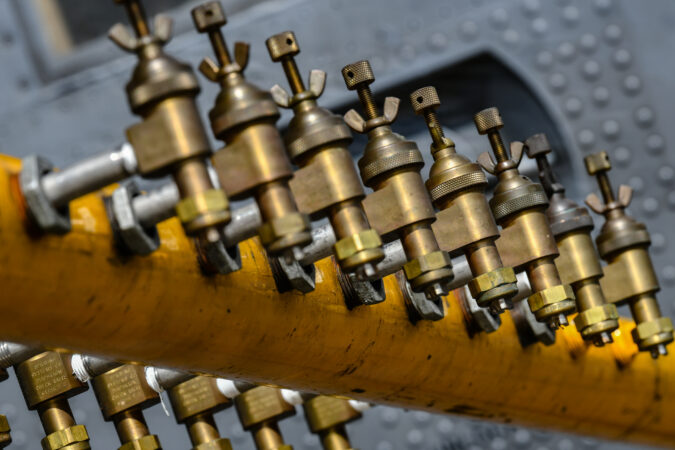
In addition to modernizing its aircraft, the Air Force is also upgrading its aerial spraying capabilities. The service is in the process of deploying a new Enhanced Modular Aerial Spray System (EMASS), specifically engineered for integration with the C-130J model. In 2025, a contract valued at $98.4 million was awarded to the Battelle Memorial Institute in Ohio for the manufacture of five EMASS units.
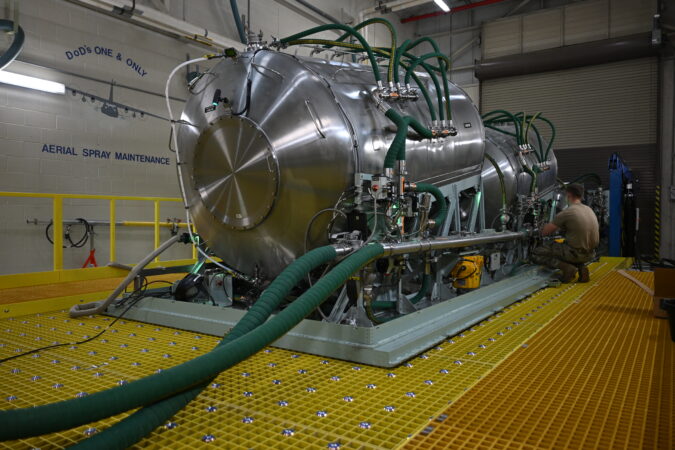
The EMASS represents a substantial technological advancement compared to the legacy Modular Aerial Spray System, which has been operational for three decades. The older system is equipped with four 500-gallon tanks and a 250-gallon flush tank. In contrast, the new EMASS can carry up to 3,500 gallons for spraying, significantly increasing its capacity and improving operational efficiency.
These comprehensive, palletized, roll-on/roll-off EMASS kits are designed for seamless interfacing with the C-130J. They incorporate a Next Generation Agricultural-Global Positioning System (GPS) to facilitate precision, location-based spraying at low altitudes. This advanced capability is intended to maximize the efficacy of pesticide and herbicide application while minimizing unintended collateral drift or off-target spraying, thereby enhancing environmental stewardship.
Challenges in Training and Certification
The simultaneous introduction of a new aircraft model and an advanced spray system has necessitated extensive training, testing, certification, and calibration procedures for the personnel of the 910th Airlift Wing.
Pilots transitioning from the older C-130H to the C-130J model typically undergo a demanding training period of six months to a year at Little Rock Air Force Base, Arkansas. This foundational training is then complemented by specialized instruction for the aerial spray mission, which demands unique piloting proficiencies. Pilots generally require a minimum of 500 flight hours before commencing spray training, a regimen that involves flying at extremely low altitudes, specifically between 150 and 300 feet off the ground.
Lt. Col. Steve Stroney, who serves as the 757th Airlift Squadron director of operations and is the unit’s most experienced aerial spray operator, highlighted a specific training challenge. “We do not have a simulator for spray training,” Stroney explained, “so we outfit a vehicle with a lightbar to put on the dashboard. This is what we use to identify the centerline of a spray swath in the airplane.” This ground-based simulation provides pilots with a “low-threat introduction” to the visual cues critical for accurate spraying before they execute live flights. Following ground training, pilots proceed to local training flights using the equipment without actual spraying, progressively descending to altitudes of 300 feet at night and 100 feet during daylight hours.
Impact of the Aerial Spray Mission
The aerial spray mission conducted by the 910th Airlift Wing has a broad and significant impact, providing essential support to military installations and training ranges throughout the United States. Its services include controlling insect populations and managing vegetation that could potentially interfere with military operations or pose health risks. For example, the wing plays a vital role in reducing sand flea populations at the Marine Corps Recruit Depot-Parris Island, South Carolina, which are known to affect recruits during training.
At Minot Air Force Base in North Dakota, the mission is crucial for effective pest control across its expansive 8,500 square miles, encompassing 150 Intercontinental Ballistic Missile (ICBM) launch facilities. Lester Nicholas, 55, a retired master sergeant and current civilian pest control specialist at Minot, emphasized the superior effectiveness of aerial spraying. His three-person ground crew is confined to accessible areas, whereas the aerial spray delivers comprehensive coverage. “Whereas the plane flies above, and the chemical will drift down and get pretty much 100 percent coverage,” Nicholas informed Air & Space Forces Magazine, underscoring the distinct advantage of the aerial approach in reaching swampy and difficult-to-access locations. Data from the unit indicates that aerial sprays can dramatically reduce insect bite counts, from as many as 200 bites per minute down to less than one, representing an impressive 91 percent reduction.
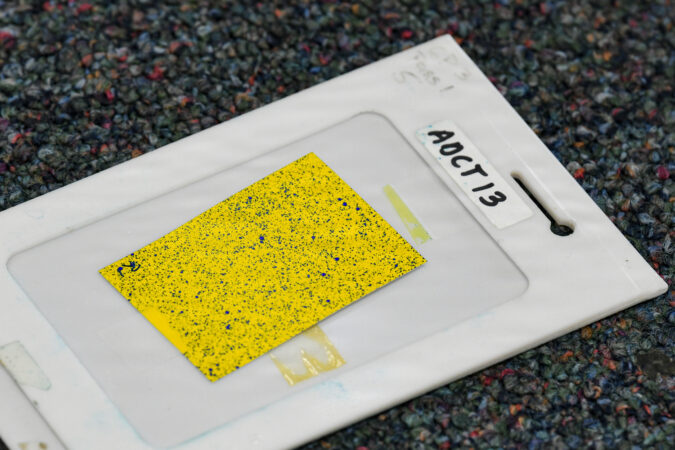
Bryan Banfill, a 21-year Air Force veteran who retired in 2024 and now serves as the city of Minot’s public works operations director, also depends on the aerial spray services. His office initiates tracking of mosquito populations in June, assessing larval counts in standing water to predict future population levels. He explained that the city and the 910th coordinate spray operations to target adult mosquitoes and reduce their numbers, particularly as populations typically peak in August. “The aerial spray is mainly used, or actually only used, for adulticide,” Banfill clarified, defining its role in combating post-hatch mosquitoes. In July, his team observed a significant increase from approximately 120 mosquitoes per week to over 2,000 at various locations throughout the city, highlighting the timely and critical nature of the aerial support.
Why This Matters
The delays in delivering C-130J Super Hercules aircraft to the 910th Airlift Wing carry broader implications that extend beyond a single unit’s modernization timeline. Firstly, these delays underscore persistent challenges within the defense industrial base, particularly concerning supply chain resilience and workforce availability. Such issues can directly affect the readiness and capabilities of military forces. When the delivery of new aircraft is postponed, units like the 910th are compelled to extend the operational life of older, less efficient models (C-130H), which can potentially escalate maintenance costs and diminish overall operational effectiveness.
Secondly, the aerial spray mission conducted by the 910th is a unique and essential capability within the Department of Defense. It is vital for maintaining public health and ensuring suitable operational environments across numerous military installations, ranging from expansive training ranges to sensitive strategic sites like Intercontinental Ballistic Missile (ICBM) facilities. Effective pest and vegetation control is critical for preventing disease outbreaks, ensuring safe training conditions for recruits, and safeguarding critical infrastructure from biological threats. Any setbacks in equipping this specialized unit with modern aircraft and advanced spray systems (EMASS) could compromise its capacity to respond effectively to these vital requirements, potentially impacting the welfare of military personnel and the operational integrity of key military bases.
Finally, this situation illustrates the complex interplay between defense procurement, technological advancement, and military readiness. The transition to the C-130J aircraft and the EMASS system represents a substantial upgrade in precision, capacity, and overall efficiency for the aerial spray mission. Any disruptions in this transition, including those related to pilot training and system certification, directly impact the Air Force’s ability to maintain a leading edge in specialized operations and adapt to evolving environmental and health challenges. Ensuring the timely delivery and seamless integration of these crucial assets is therefore paramount for national security and the continued well-being of military personnel.