
UK Accelerates Home Defence Programme, Commits to Rewriting ‘War Books’ and New Defence Readiness Legislation
The United Kingdom government has committed to an accelerated rewrite of its comprehensive “War Books” by the end of this year, a critical component of its enhanced Home Defence Programme. This initiative, designed to strengthen national resilience and preparedness, is being informed by ongoing defence planning and aims to ensure the nation can effectively respond to a range of modern threats and risks, including potential escalation to war.
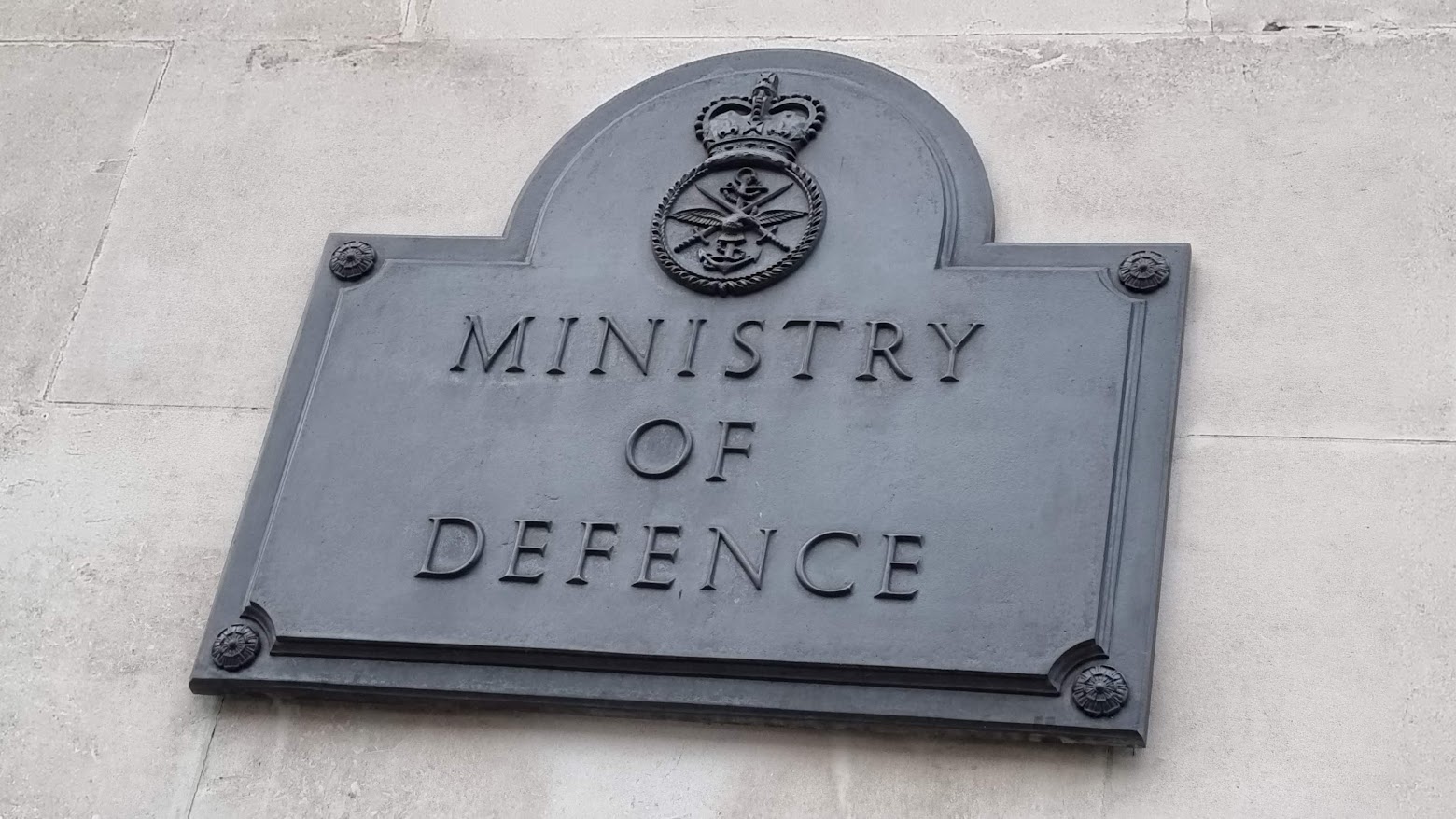
The commitment was confirmed in a written answer published on Friday by Louise Sandher-Jones, Parliamentary Under-Secretary and Minister for the Armed Forces. Responding to an inquiry from Stuart Anderson, the Conservative Member of Parliament for South Shropshire, Ms. Sandher-Jones detailed the progress being made to ensure defence plans meet national needs in the event of an escalation to conflict. She affirmed that the Ministry of Defence (MoD) is continuously updating its own homeland defence and transition-to-war strategies, while simultaneously playing a pivotal role in the broader, Cabinet Office-led Home Defence Programme.
Highlighting the acceleration of this programme, first announced in July, Ms. Sandher-Jones stated: “A key element of this is the commitment to re-write, by the end of this year, the War Books. Defence planning is informing our input to these War Books as we support the Home Defence Programme focus on resilience and preparedness in the face of the range of threats and risks that the UK faces.” This renewed focus underscores a recognition within government of the need for an updated, comprehensive framework to navigate complex security challenges.
Acknowledging that homeland defence is an inherently collaborative, whole-of-government undertaking, the Minister emphasized the MoD’s close cooperation with other departments. This inter-departmental collaboration is crucial to ensure that all national plans are harmonized and align in their capacity to meet national requirements should a conflict escalate. The War Book itself is one of the most venerable instruments of British governmental planning, with origins predating the First World War. Historically, it existed as a single, detailed volume meticulously outlining which government departments would undertake specific actions, and in what precise sequence, during the transition from peace to war.
This foundational concept of a comprehensive War Book was diligently maintained and evolved through both World Wars and the subsequent Cold War era. Its scope was extraordinarily broad, encompassing directives on everything from the requisitioning of civilian shipping and the imposition of censorship, to the strategic dispersal of government personnel and the urgent mobilisation of military reserves. Each government department was responsible for its own chapter, with the entire intricate framework coordinated centrally to ensure a seamless national response. However, this extensive practice gradually diminished after 1991, as the perceived threat of a large-scale, general war receded from the forefront of Whitehall’s strategic planning and priorities shifted towards different forms of international engagement.
The Defence Readiness Bill
Running concurrently with these updated planning efforts is a significant legislative initiative: the development of a new Defence Readiness Bill. This bill represents a direct commitment from the government’s Strategic Defence Review and is being crafted in close collaboration across government departments. The aim is to introduce this crucial piece of legislation within the current parliamentary session, providing a modern legal framework for national defence and resilience.
Luke Pollard, Minister for Defence Readiness and Industry, offered further insights into the intended scope of the bill in a separate response published on the same day. He was addressing a query from Helen Maguire, the Liberal Democrat MP for Epsom and Ewell, who had inquired about broadening the bill’s scope to encompass national resilience and other risks identified in the National Risk Register. Minister Pollard clarified: “The legislation will help ensure the Government has the powers needed to respond to sub-threshold and hybrid threats, while providing a framework of reserve powers that could be activated during a national crisis or escalation towards conflict.”
On the specific question of the bill’s breadth, Mr. Pollard confirmed that extensive work is underway across various government bodies. Deliberation is focused on how the proposed legislation can most effectively support wider national resilience objectives, which extend beyond purely military matters to encompass societal and infrastructural robustness. The threats against which this legislation and wider planning are being developed continue to be informed by the comprehensive National Risk Register, which serves as the publicly accessible version of the more detailed National Security Risk Assessment. These documents systematically identify and assess a broad spectrum of potential hazards, from natural disasters and pandemics to cyber-attacks and state-sponsored aggression, ensuring a holistic approach to national security.
Adding another dimension to the government’s preparedness strategy, Defence Secretary Wes Streeting informed the House of Commons earlier this week that he intends to present plans for a national conversation about the evolving threat landscape. This initiative follows a question about whether the UK should undertake a public awareness campaign similar to those seen in Finland and the Baltic states. Secretary Streeting emphasized that the primary objective of this proposed national dialogue is to effectively raise public awareness regarding current and potential threats, without inadvertently generating undue alarm or panic among the populace. This approach seeks to foster an informed citizenry capable of understanding and contributing to national resilience efforts.
Why This Matters
The UK government’s commitment to rewriting its “War Books” and introducing a Defence Readiness Bill signifies a profound shift in national security posture, reflecting a stark recognition of the complex and evolving global threat landscape. This accelerated programme is not merely a bureaucratic update; it represents a comprehensive effort to modernise the nation’s capacity to respond to a wide array of challenges, from conventional warfare to subtle, ‘grey-zone’ aggressions.
Firstly, **National Security and Preparedness** are directly enhanced. The previous War Books, while historically vital, became outdated after the Cold War. Modern threats include cyber warfare, disinformation campaigns, economic coercion, and other “sub-threshold” or “hybrid” tactics that fall short of outright armed conflict but can still destabilise a nation. Updated War Books, coupled with new legislation, are crucial for outlining clear, actionable governmental responses to these multifaceted dangers, ensuring the UK is not caught flat-footed.
Secondly, the focus on a **whole-of-government approach** is vital. Unlike historical conflicts, contemporary crises often blur the lines between military, economic, social, and technological domains. A coordinated effort across all government departments – from transport and health to finance and digital infrastructure – is essential for an effective national response. This integrated strategy aims to bolster overall national resilience, meaning the ability of society and its critical systems to withstand and recover from shocks.
Thirdly, the **Defence Readiness Bill** will provide the necessary legal framework and potentially new “reserve powers” for government action during times of national crisis or escalating conflict. This is critical for ensuring legal clarity and authority for measures that might be required, such as resource allocation, emergency regulations, or even the requisitioning of assets, without having to improvise in a crisis. The consideration of its scope to support wider national resilience objectives highlights a proactive approach to potential non-military emergencies, from pandemics to climate-related disasters.
Finally, the proposed **national conversation about the threat** underscores the importance of public awareness and engagement. By drawing lessons from countries like Finland and the Baltic states, which have long fostered a culture of civil defence, the UK aims to inform its citizens without causing alarm. An informed populace is a resilient populace, better equipped to understand the rationale behind national security measures, participate in civil defence initiatives, and contribute to overall societal robustness in the face of adversity. This move acknowledges that national security is ultimately a shared responsibility, extending beyond government and military to every citizen.