
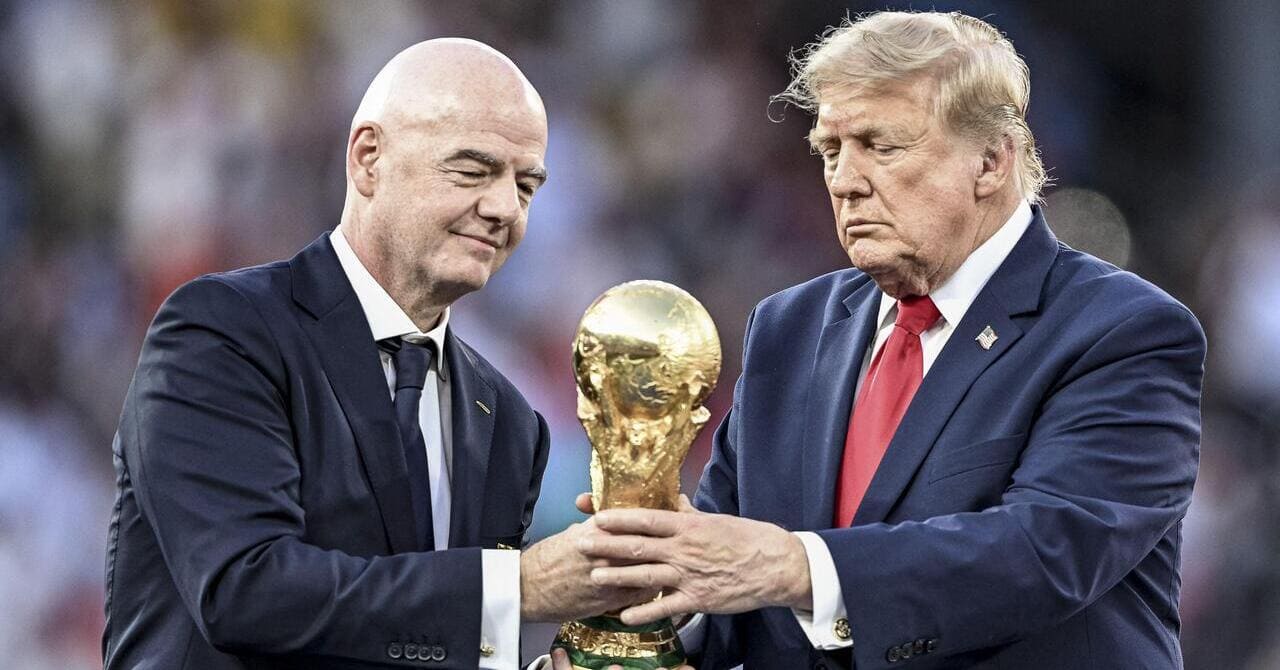
The beautiful game finds itself embroiled in a tempest, a political maelstrom shaking the very foundations of its global governance. At the eye of this storm stands FIFA President Gianni Infantino, besieged by a relentless barrage of criticism, none more potent than the recent broadside from LaLiga president Javier Tebas. In an extraordinary declaration that reverberates through the corridors of power, Tebas has not merely questioned Infantino’s leadership; he has unequivocally proclaimed,“Gianni Infantino’s time has long since passed,”accusing the FIFA chief of “destroying the very essence” of football. This isn’t just a political skirmish; it’s a declaration of war on the established order, a fierce debate over the soul of the sport.
Infantino, once hailed as the reformist successor to the disgraced Sepp Blatter, now faces a crisis of unprecedented scale. The catalyst for this latest wave of outrage? His audacious, yet ultimately abandoned, plan to create a commercial subsidiary that would have opened the door for private investors to acquire stakes in FIFA’s most prized competitions, including the venerable World Cup. The proposal, cloaked in promises of revolutionary growth, was met with widespread condemnation, seen by many as a cynical move to further commercialise and potentially dilute the sport’s integrity. Though Infantino offered a belated apology to member associations for the handling of the proposal, the damage was done. The backlash has intensified, with footballing heavyweights like UEFA, the Football Association, and a growing chorus of other governing bodies now openly calling for his resignation.
Tebas, speaking with characteristic bluntness to French newspaper Le Monde, left no room for ambiguity regarding his assessment of Infantino’s tenure. “For me, Gianni Infantino’s time has long since passed,” he asserted, adding a crucial layer of long-held conviction. “I’m not saying this because of recent events. I have noticed this style of management for a long time, though everyone else seems to be discovering it only now.” This isn’t just a reaction to a single misstep; it’s a culmination of years of observation, a deep-seated belief that Infantino’s vision is fundamentally incompatible with the sport’s health. Tebas went further, drawing a stark line in the sand: “Gianni Infantino is not someone who contributes to the growth of football. On the contrary, his projects are destroying the very essence of the sport: the national leagues.” This critique strikes at the heart of the global football ecosystem, arguing that the relentless pursuit of elite, centralised competitions undermines the domestic bedrock upon which the entire pyramid rests.
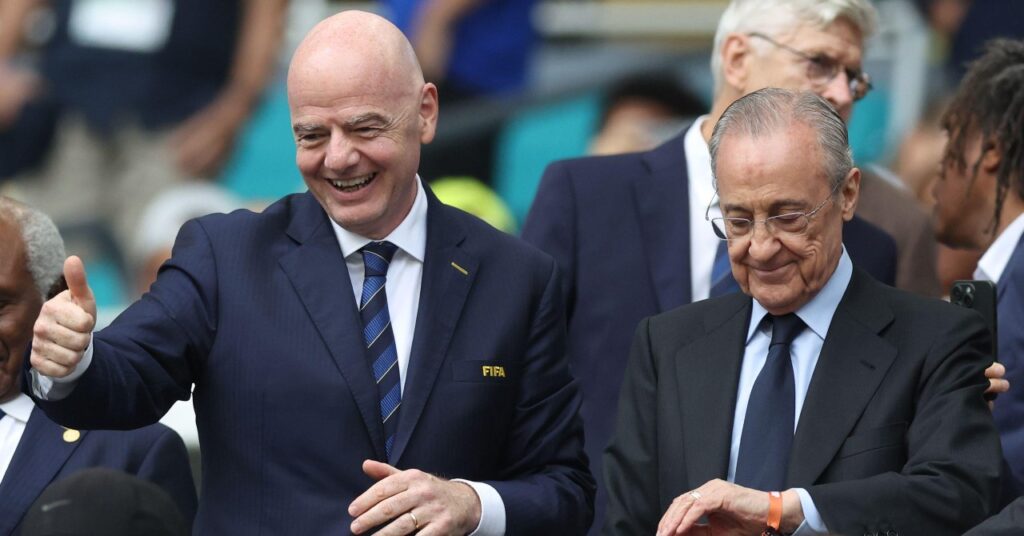
The LaLiga chief’s analysis extends beyond individual culpability, suggesting that merely replacing Infantino would be a superficial fix. “Football is not limited to the elite. For me, the Infantino era is over.” He passionately advocates for a systemic overhaul, a fundamental re-evaluation of how FIFA operates. “What remains to be seen is when that will take effect and how the succession will unfold,” he mused. “I hope it is not just a matter of swapping out some people for others, but of a genuine overhaul.” This call for “genuine overhaul” underscores the profound mistrust that permeates football’s upper echelons, a belief that the institution itself, not just its current leader, is deeply flawed.
The Political Playbook: Key Moments in the Infantino Saga
This turbulent week has laid bare the deep fissures within football’s governing bodies, transforming the backroom negotiations into a public spectacle. Here’s a look at the critical plays that have defined this dramatic contest:
- The Abandoned Investment Play:Infantino’s ambitious, yet secretive, proposal to sell stakes in FIFA competitions to private investors triggered the initial outrage. Valued at a staggering $25 billion, the deal promised an injection of cash but raised serious questions about control, transparency, and the potential erosion of football’s non-commercial values. The plan’s sudden withdrawal, not before significant resistance, marked a significant defeat for Infantino’s commercial ambitions.
- The Apology Gambit:Faced with a storm of criticism, Infantino issued an apology for the “way some information was communicated,” rather than for the substance of the proposal itself. This carefully worded mea culpa did little to assuage critics, who saw it as a tactical retreat rather than a genuine concession.
- The Tebas Tackle:Javier Tebas’s outspoken condemnation represents a direct, frontal assault on Infantino’s authority. By declaring his time “long since passed” and accusing him of “destroying the essence” of the sport, Tebas has positioned himself as a leading voice of opposition, articulating the fears of many regarding FIFA’s direction.
- The UEFA Counter-Threat:European football’s governing body, UEFA, has not only called for Infantino’s resignation but has also maintained its powerful threat to boycott future World Cups should similar investment proposals resurface. This move elevates the stakes dramatically, demonstrating the collective power of major confederations to resist perceived overreach from FIFA.
- The Off-Pitch Allegations:Adding another layer of controversy, UEFA confirmed a “departure payment” had been made to a former female employee alleged to have been in a relationship with Infantino during his time as UEFA general secretary. While Infantino has denied these allegations, the timing and nature of the revelation further complicate his position, raising questions about past conduct and governance transparency.
Wider Governance Issues: The Tip of the Iceberg
Tebas’s analysis extends beyond the immediate controversies, framing them as symptomatic of deeper, systemic issues within global football governance. “What is happening does not surprise me,” he stated, reflecting a long-held cynicism about the inner workings of such powerful institutions. “What does surprise me is the reaction of many people who remained silent for years.” This sentiment is a pointed critique of those who might now be speaking out but had previously tolerated a culture of opacity and questionable decision-making. “This episode is only the tip of the iceberg of what has been going on within an institution, FIFA, but also more broadly in football, where there are no real governance policies.”
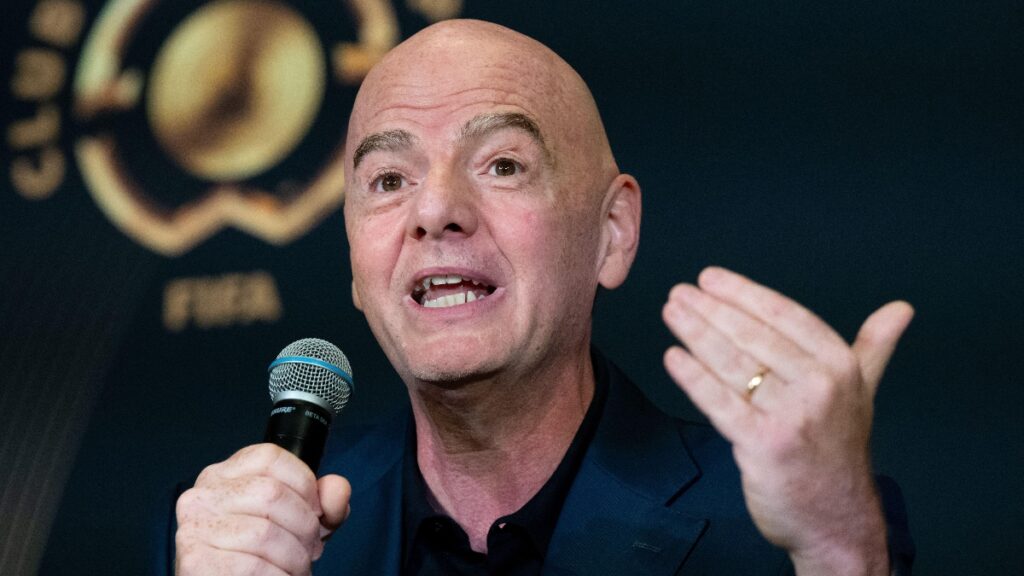
This isn’t merely a leadership crisis; it’s a crisis of institutional integrity. Tebas argues that the problem isn’t confined to a single individual but is embedded within an entire system that lacks robust checks and balances. “And the problem is not limited to one person; it is about an entire system.” The echoes of FIFA’s past scandals, from the Blatter era to the corruption charges that plagued its highest echelons, resonate strongly with Tebas’s call for fundamental change. “The old system can persist even when the people change. Let’s hope things truly change, that a new leader arrives, and that new governance is established at FIFA.”
Prediction: A Precarious Future for Infantino
The ground beneath Gianni Infantino is shifting rapidly, and the calls for his departure are growing louder and more unified. While FIFA presidents often display remarkable resilience, the current confluence of factors – a failed flagship proposal, public apologies, growing calls for resignation from powerful bodies like UEFA and the FA, serious allegations regarding past conduct, and the scathing, sustained criticism from a figure as influential as Javier Tebas – creates an incredibly precarious situation. It’s no longer a question of whether Infantino faces pressure, but whether he can withstand it. My prediction is that Infantino, despite his past ability to weather storms, will find this particular tempest insurmountable. The momentum against him is too strong, the calls for systemic reform too insistent, and the commercial missteps too significant. We are likely witnessing the beginning of the end of the Infantino era, though the path to his succession and the “genuine overhaul” Tebas demands will be fraught with further political battles and the potential for prolonged instability before a truly new dawn can break for global football governance.