
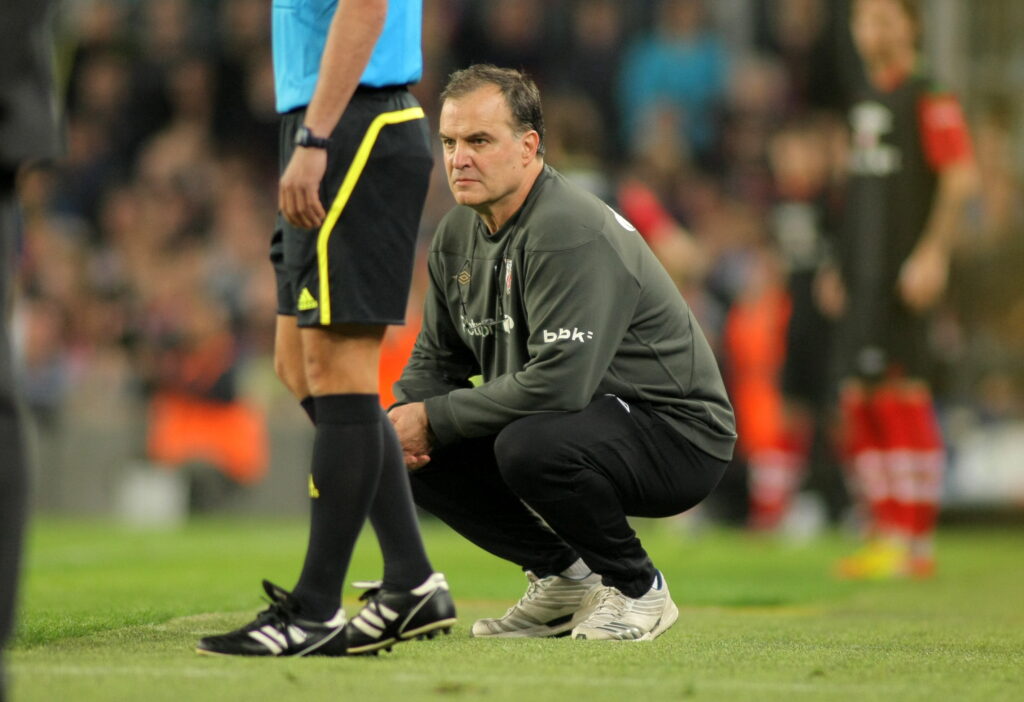
The echoes of “El Loco” now ring hollow, replaced by the grim silence of shattered World Cup dreams. Marcelo Bielsa, the enigmatic architect famed for his demanding philosophy and revolutionary tactics, has shouldered the blame for Uruguay’s humiliating group stage exit, declaring a legacy “left nothing behind.” It’s a stark, self-inflicted epitaph for a tenure that promised so much yet delivered only frustration, culminating in a winless campaign and a 1-0 defeat to Spain that sent La Celeste crashing out for the second successive World Cup.
In the immediate, raw aftermath of the decisive loss in Guadalajara, the usually verbose Bielsa offered a terse, almost pained, 30-second interview, punctuated by an angry “get on with it.” His frustration was palpable, a raw wound exposed for the world to see. Later, the 70-year-old, who once candidly labeled himself a “toxic perfectionist,” offered no excuses, his words dripping with the weight of unfulfilled expectations. “I am responsible for this disappointment,” he conceded. “Obviously, I don’t need to define this performance… if you ask me how my time [with the national team] will be remembered, it is a tenure that left nothing behind. I leave nothing to Uruguayan football, because any contribution I might make to a country where I have worked for three years fails to take root if results aren’t achieved.”
Bielsa’s self-assessment, while typically brutal and honest, reflects the impossibly high bar he sets, not just for his players, but supremely for himself. Yet, for a coach whose influence often transcends mere results, leaving a tactical imprint that reverberates for years, this dismissal of his own impact feels particularly poignant. Was it truly “nothing”? Or did the sheer pressure of the World Cup stage, combined with a relatively short turnaround time to implement his complex system, simply prove too great a challenge for even a mind as brilliant and obsessive as Bielsa’s to forge a cohesive, winning unit capable of executing his intricate demands?
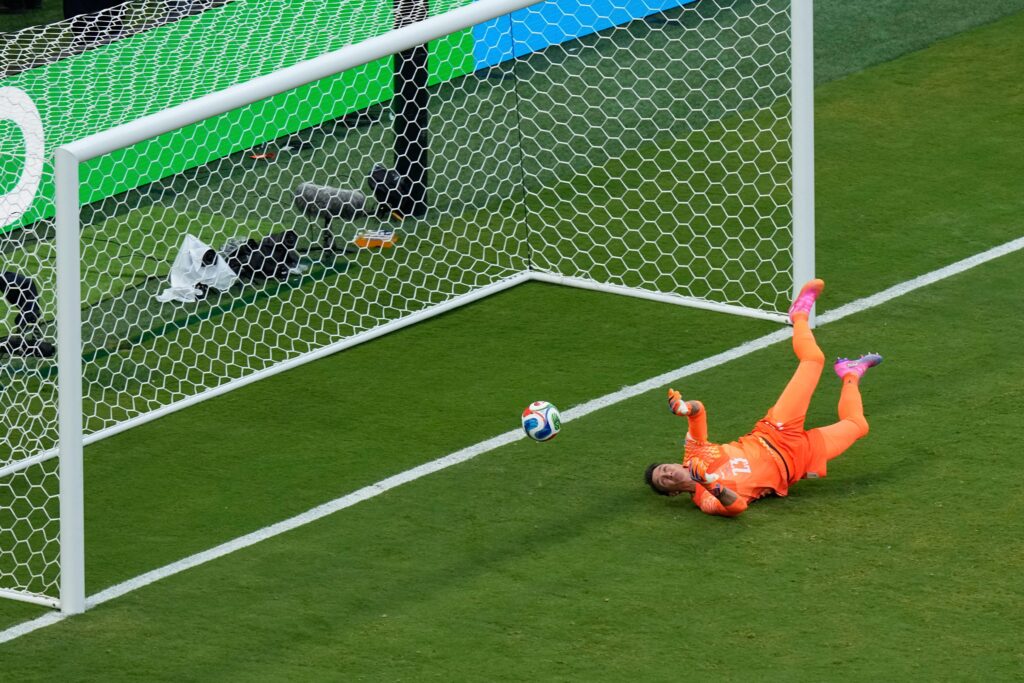
A Campaign Unravelled: From Promise to Peril
Uruguay entered Group H with a quiet confidence, widely tipped to comfortably advance alongside European giants Spain. The narrative of an easy passage quickly crumbled, however, replaced by a harrowing tale of missed opportunities, defensive frailties, and a distinct lack of the clinical edge that defines top-tier international football. The semi-finalists from 2010, a nation synonymous with grit and flair, appeared a shadow of their former selves, unable to summon the “Garra Charrúa” when it mattered most.
Matchday 1: A Shaky Start Against Saudi Arabia
The warning signs flashed early in Miami. Against a Saudi Arabian side that, while spirited, was considered eminently beatable, Uruguay had to come from behind to salvage a solitary point in a 1-1 draw. It wasn’t just the dropped points; it was the disjointed performance, the struggle to assert dominance, and the defensive lapses that raised eyebrows. Bielsa’s high-risk, high-reward system seemed to expose vulnerabilities rather than exploit opponents, leaving fans questioning whether the team had truly gelled under his intense tutelage or if the players were simply overwhelmed.
Matchday 2: The Fairytale Continues for Cape Verde
Next up was the tournament’s undisputed surprise package, Cape Verde, on their fairytale debut. Rather than asserting their pedigree, Uruguay found themselves locked in a frustrating 2-2 stalemate. The Blue Sharks, playing with freedom, tactical discipline, and an undeniable hunger, exposed Uruguay’s defensive frailties further, forcing Bielsa’s men into a desperate chase for goals. This result wasn’t just a setback; it was a profound psychological blow, stripping Uruguay of their aura and placing immense, almost unbearable, pressure on their final group game.
Matchday 3: The Final Whistle and the Red Mist
The stage was set for a do-or-die clash against Spain. In Guadalajara, the weight of expectation proved crushing. Spain, already through, played with a relaxed authority that contrasted sharply with Uruguay’s nervous intensity. Alex Baena’s first-half strike, a moment of clinical precision, proved to be the decisive blow, condemning Uruguay to a 1-0 defeat and a humiliating early exit. What followed was a stark illustration of collective despair: Augustin Canobbio, succumbing to the immense pressure and frustration of the moment, launched into a reckless, utterly unnecessary challenge on Pau Cubarsi in the dying moments. The immediate straight red card was undeniable, but Canobbio’s subsequent, shocking confrontation with referee Ismail Elfath – grabbing at the official’s shirt – encapsulated the meltdown. It was an ugly, undisciplined end to an utterly disappointing campaign, a symbol of a team that had lost its composure, its way, and ultimately, its World Cup dream.
Game Highlights
- Matchday 1 vs. Saudi Arabia (1-1 Draw):Uruguay forced to come from behind after conceding first, securing only a point in a disjointed performance that hinted at deeper issues within the squad.
- Matchday 2 vs. Cape Verde (2-2 Draw):A frustrating stalemate against tournament debutants, where Uruguay struggled defensively and failed to convert dominance into a decisive victory, putting their qualification hopes in critical jeopardy.
- Matchday 3 vs. Spain (0-1 Loss):Alex Baena’s clinical first-half goal proves to be the difference, sealing Spain’s victory and extinguishing Uruguay’s World Cup hopes.
- Canobbio’s Red Card and Confrontation:Late in the game against Spain, Augustin Canobbio receives a straight red for a reckless challenge, followed by an aggressive and shocking confrontation with referee Ismail Elfath, marking a chaotic end to Uruguay’s campaign.
The Road Ahead: Rebuilding from the Rubble
Bielsa’s departure leaves a profound void, not just in the dugout, but in the overarching direction of Uruguayan football. His ambitious project, designed to inject fresh energy, modern tactics, and a distinct identity, has been cut short, leaving behind a squad that appears bruised, tactically unfulfilled, and bereft of confidence. The immediate challenge for the Uruguayan Football Association (AUF) is immense: finding a successor who can pick up the pieces, restore faith, and reignite the passion and resilience that has historically defined La Celeste, all while navigating a tricky transitional period for the squad.
Prediction: A Rocky Path to Redemption
Uruguay faces a significant rebuilding phase, not just tactically, but spiritually. The next manager, whoever they may be, will inherit a squad with undeniable talent, particularly in attack, but one that has clearly struggled with the mental and physical demands of top-level international competition and appears to be in a transitional period, grappling with the departure of an iconic generation and the integration of new blood. Expect a challenging few years as they attempt to integrate younger talents, find a new tactical identity, and rebuild confidence. Qualification for the next major tournament, whether it’s the Copa América or the subsequent World Cup, will be a hard-fought battle in a fiercely competitive CONMEBOL region. While the core spirit of Uruguayan football endures, their immediate future looks uncertain. A return to the semi-final heights of 2010 feels a distant dream for now; instead, the focus will be on stability, discipline, and rediscovering the winning mentality. Uruguay will likely struggle to make a deep run in the next major tournament, potentially scraping through group stages but falling short against more cohesive and confident teams. The “Garra Charrúa” needs more than just passion; it needs a clear vision and time to flourish under new, stable leadership.