
Wembley’s World Cup warm-ups take a chilling turn! Dive into our full report, dissecting England’s latest setback, and relive the crucial moments that saw the Samurai Blue triumph.
WEMBLEY STUNNED: England’s World Cup Hopes Hit Reality Check as Clinical Japan Expose Three Lions’ Flaws
Another night under the iconic Wembley arch, another wave of concern washing over the Three Lions faithful. England’s road to World Cup 2026 hit a significant bump, or rather, a clinical counter-attack from Japan, as Thomas Tuchel’s side slumped to a disheartening 1-0 defeat. Following a lacklustre 1-1 draw against Uruguay, this performance, despite the return of several key figures, only amplified the growing anxieties surrounding England’s preparations.
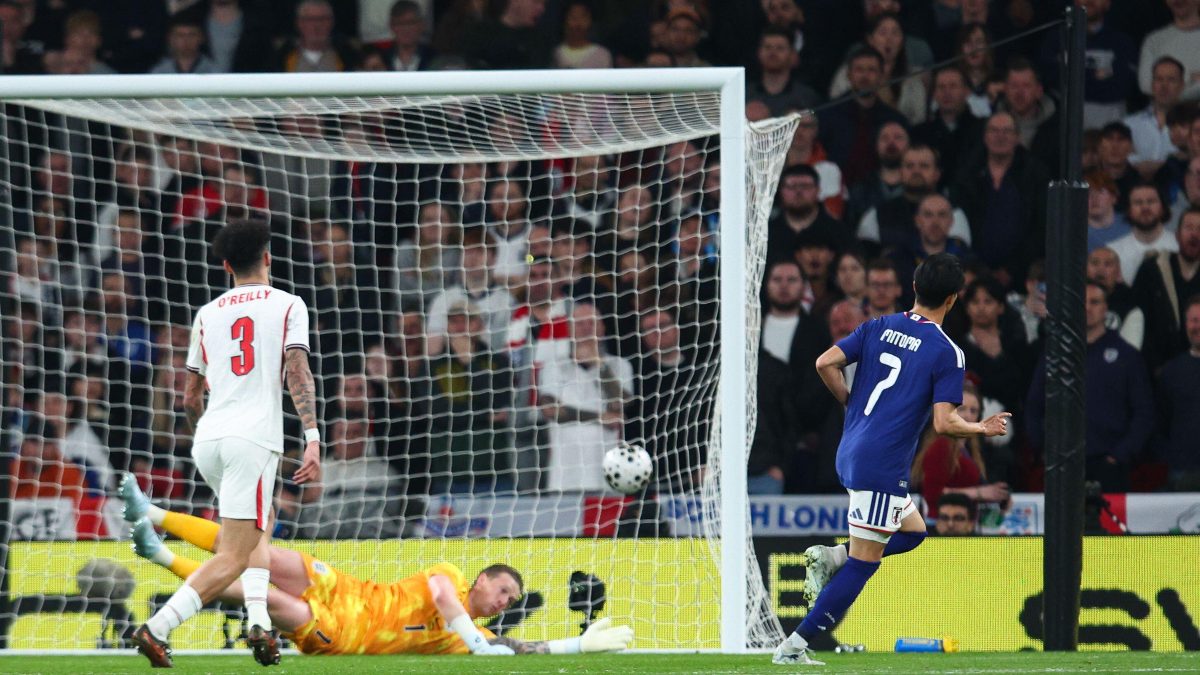
The architect of England’s misery was none other than Brighton’s electric winger, Kaoru Mitoma. His solitary goal, a testament to devastating pace and precision, highlighted the very clinical edge that Tuchel’s men desperately lacked throughout a frustrating evening. Japan, far from being a mere friendly opponent, arrived with a clear tactical blueprint and executed it with ruthless efficiency, leaving England pondering just how deep their issues truly run.
England Sliced Open by Samurai Blue’s Surgical Strikes
From the first whistle, it was clear this wouldn’t be a stroll. Japan, the Samurai Blue, immediately set about disrupting England’s rhythm, pressing high and denying the hosts any comfort on the ball. England, experimenting with Phil Foden in a ‘false nine’ role – a tactical decision that would invite much post-match scrutiny – struggled to find their attacking fluidity in the initial stages. While Morgan Rogers, Marc Guehi, and Cole Palmer tried their luck with blocked efforts around the 10-minute mark, these felt more like hopeful probes than genuine threats.
Tuchel’s men enjoyed the lion’s share of possession, yet it was a sterile dominance. They moved the ball, but without the incisive penetration needed to unlock Japan’s well-drilled defence. The tactical naivety was starkly exposed just past the half-hour mark. Cole Palmer, attempting to weave some magic on the flank, was dispossessed by the very architect of their downfall, Kaoru Mitoma. What followed was a masterclass in swift, incisive transition. Japan exploded forward, a blur of blue shirts, culminating in Mitoma coolly slotting home, showcasing the kind of killer instinct that England could only dream of possessing.
The goal visibly galvanized Japan, who seemed to grow in confidence with every passing minute. England, on the other hand, looked rattled. Elliot Anderson offered a glimmer of hope, cutting inside with purpose and unleashing a beautifully struck shot that cannoned off the crossbar, a reminder of the fine margins in elite football. However, the Three Lions were fortunate not to go further behind when Ayase Ueda smacked an effort off the woodwork shortly before half-time, though a hint of offside might have spared their blushes had it found the net. The half-time whistle blew, a welcome sound for Tuchel, who had a tactical conundrum of significant proportions to address.
Second Half Struggles: England Fails to Inspire World Cup Excitement
Despite the underwhelming first-half display, Tuchel opted for an unchanged XI, a decision that initially yielded little change in fortunes. Japan, maintaining their disciplined shape and readiness to break, created the first real chance of the second period. Ritsu Doan jinked inside dangerously, forcing Jordan Pickford into a sharp save at his near post, a moment that underscored England’s continued defensive vulnerability. Another nervy moment saw Doan nip in ahead of the onrushing Pickford, though Mitoma couldn’t quite connect with the header. Junya Ito’s subsequent shot from the edge of the box was expertly blocked by a stretching Marc Guehi, one of the few English players who emerged with some credit.
England’s attacking woes persisted. Ezri Konsa provided their closest opportunity just before the hour mark, but his header from a corner sailed well wide, a symbol of their inability to convert set-piece dominance into meaningful chances. The false nine experiment was clearly not working, with Foden often isolated and unable to impose his usual influence.
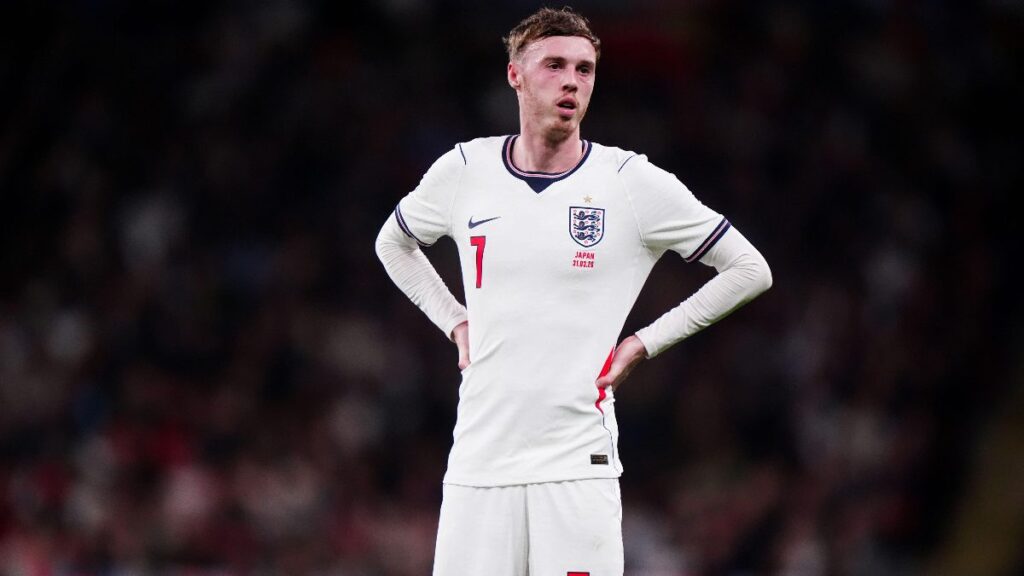
Finally, changes came. Foden and Palmer were among those withdrawn, seeing Morgan Rogers shift into a more familiar No.10 role. This tactical tweak brought immediate, albeit fleeting, dividends. Rogers drove through the defence with newfound purpose, though his eventual effort at the keeper lacked the necessary conviction. The introductions of Lewis Hall and Marcus Rashford injected some much-needed dynamism. Hall, making an impressive run to the byline, delivered a tempting cross that just eluded Rogers. Rashford then registered England’s first shot on target with only 10 minutes remaining, forcing the goalkeeper to parry before Bowen narrowly missed on the turn. Substitute Harry Maguire, typically a threat from set-pieces, powered a header towards goal, only for it to be cleared away.
The clock ticking down, England piled on the pressure, but desperation crept in. Perhaps the clearest chance to snatch a point fell to Rogers in injury time. A corner found his feet, but after a touch, he ballooned his effort wildly over the bar, encapsulating England’s frustrating night of squandered opportunities and lack of composure.
Game Highlights
- 32′ – GOAL – Japan (Kaoru Mitoma):The decisive moment. Cole Palmer dispossessed, leading to a lightning-fast counter-attack expertly finished by Mitoma, showcasing Japan’s clinical edge.
- 38′ – WOODWORK – England (Elliot Anderson):Anderson’s individual brilliance offered a brief spark, cutting in from the left and unleashing a powerful strike that rattled the crossbar, leaving fans wondering what might have been.
- 44′ – WOODWORK – Japan (Ayase Ueda):A stark warning for England as Ueda found space and hammered an effort against the post, though replays suggested a tight offside call had it gone in.
- 80′ – FIRST SHOT ON TARGET – England (Marcus Rashford):After a frustrating evening, substitute Rashford finally tested the Japanese goalkeeper with a powerful effort, hinting at a late surge that ultimately proved insufficient.
- 90′ – MISSED CHANCE – England (Morgan Rogers):With the clock ticking, a corner fell perfectly to Rogers, who, under pressure, could only blast his shot over the bar, summing up England’s wasteful night.
Analysis: Tuchel’s Tactical Headaches Deepen
This defeat isn’t just about the scoreline; it’s about the manner of the performance. England looked disjointed, predictable, and devoid of the creative spark expected from a squad brimming with talent. Tuchel’s false nine experiment with Foden failed to provide the desired penetration or link-up play, leaving England’s attack feeling blunted. The reliance on individual moments of brilliance rather than cohesive team patterns is a worrying sign.
Defensively, while Japan had fewer shots, the ease with which they carved through England on the counter-attack, particularly for the goal, highlights a fundamental vulnerability that top-tier teams will exploit in 2026. The lack of midfield control and the inability to quickly transition from attack to defence are glaring issues. With the World Cup looming, Tuchel faces immense pressure to find a settled system and identity. These friendlies were meant to build momentum and confidence; instead, they’ve highlighted significant fault lines.
Prediction: A Rocky Road Ahead for the Three Lions
Based on the evidence of these two March friendlies, England’s path to World Cup 2026 will be fraught with challenges. The current tactical uncertainty, coupled with a worrying lack of cutting edge in attack and susceptibility to counter-attacks, suggests that simply relying on individual quality won’t be enough. While the squad possesses undeniable talent, the team cohesion and tactical discipline are currently far from World Cup-winning standards. Without a significant shift in strategy and a clearer identity, England will struggle to navigate the latter stages of the tournament. The dream of lifting the trophy in 2026 feels increasingly distant, and another quarter-final exit appears to be a more realistic, albeit disappointing, outcome.