
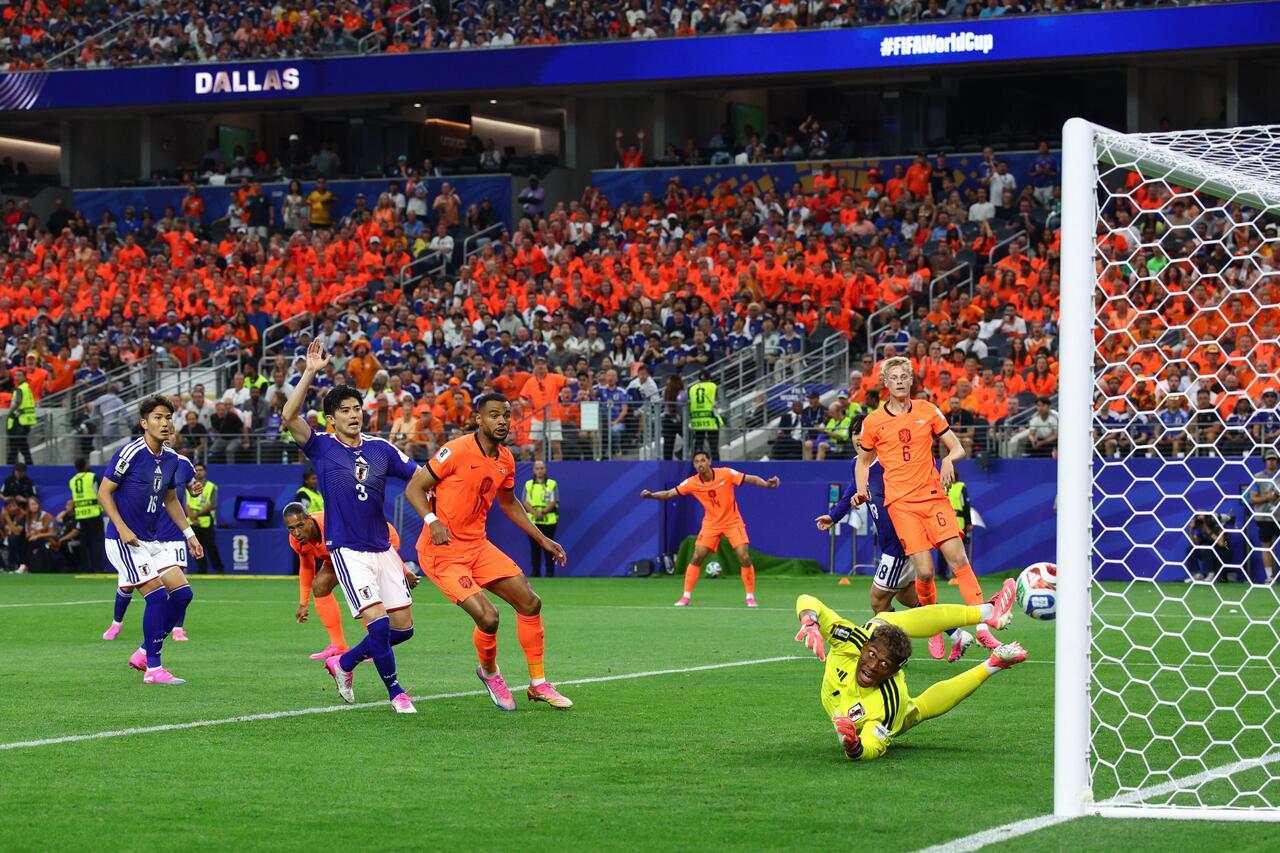
Dallas, Texas – The air crackled with anticipation, and by the final whistle, it had been electrified. The World Cup Group F curtain-raiser between the Netherlands and Japan delivered on its promise of intrigue and then some, culminating in a breathless 13-minute spell that saw three goals ignite the second half. Oranje ultimately emerged victorious, but not before a valiant Japanese side, tipped by many as potential tournament dark horses, showcased their fiery spirit and undeniable threat.
From the first whistle, the narrative was clear: the pragmatic power of the Netherlands against the nimble, technically gifted Japan. The opening exchanges were a tactical chess match, with neither side willing to give an inch. Japan, with their characteristic high press and rapid transitions, looked to disrupt the Dutch midfield engine, while the Netherlands, marshaled by their towering captain Virgil van Dijk, aimed to exploit their physical advantages and wide play.
The first half, while devoid of goals, was not without its moments of tension and near misses. Dutch forward Donyell Malen, a livewire on the left flank, twice tested Japan’s athletic goalkeeper Zion Suzuki. His first effort, a powerful drive from the edge of the box, forced Suzuki into a smart parry. Minutes later, Malen again found space, cutting inside only to see his curling shot tipped wide by the agile Suzuki, who was quickly establishing himself as a formidable presence between the posts. Japan, for their part, showed flashes of brilliance on the counter, with the elusive Keito Nakamura narrowly dragging a volley wide after a swift break down the right. It was a clear warning shot, a reminder that Japan possessed the pace and precision to punish any Dutch complacency. The half ended goalless, a testament to both sides’ defensive discipline and Suzuki’s heroics, leaving fans hungry for a breakthrough.
The second half, however, exploded into life with a ferocity that left spectators breathless. Just five minutes after the restart, the deadlock was finally broken. It was the imperious Virgil van Dijk, soaring above the Japanese defense, who met a perfectly weighted corner with a thunderous header. The ball crashed into the net, sending the Dutch contingent into raptures. The Liverpool skipper’s goal was not just a testament to his aerial prowess but also a statement of intent from the tournament favorites, seemingly giving Oranje a hard-fought advantage against a side many expected to cause a few shocks this summer.
But if the Dutch thought they could cruise, they were quickly disabused of that notion. Japan, far from being deflated, responded with astonishing speed and conviction. Just three minutes after falling behind, they conjured an equalizer that showcased their attacking prowess. The previously frustrated Keito Nakamura made amends for his earlier miss, sweeping home a clinical finish after a brilliant interplay on the edge of the box. The speed of their response was a stark reminder of Japan’s resilience and their ability to unlock defenses with intricate passing and intelligent movement. The scoreboard read 1-1, and the momentum had swung wildly.
The frenetic pace continued. The Netherlands, stung by the immediate reply, refused to buckle. Only seven minutes after Nakamura’s equalizer, they restored their lead through a moment of individual brilliance. Crysencio Summerville, finding space on the left, cut onto his favored left foot and unleashed a magnificent curling effort that arced majestically into the far corner. It was a goal of exquisite quality, demonstrating the depth of attacking talent within the Dutch squad and re-establishing their dominance in a game that was rapidly becoming a World Cup classic. The three goals in 13 bewildering minutes had transformed a tense tactical battle into an exhilarating, end-to-end spectacle.
The final quarter of the match saw the Netherlands consolidate their lead, absorbing Japanese pressure with a more resolute defensive display. Japan continued to press for another equalizer, bringing on fresh legs and throwing caution to the wind, but the Dutch rearguard, anchored by Van Dijk, held firm. It was a win forged in moments of individual brilliance and collective resilience, but one that also highlighted areas for improvement for both sides as they navigate the treacherous waters of Group F.
Game Highlights:
- 12′ Malen’s Close Call:Donyell Malen’s powerful shot forces a sharp save from Japan’s goalkeeper Zion Suzuki.
- 28′ Suzuki Denies Again:Malen’s curling effort is expertly tipped wide by the impressive Suzuki.
- 35′ Nakamura’s Miss:Keito Nakamura drags a volley wide, Japan’s best chance of the first half.
- 50′ Van Dijk’s Header:Captain Virgil van Dijk breaks the deadlock with a commanding header from a corner.
- 53′ Japan’s Instant Reply:Keito Nakamura levels the score with a clinical finish after a swift Japanese attack.
- 60′ Summerville’s Stunner:Crysencio Summerville curls a superb left-footed shot into the far corner to restore the Dutch lead.
- 80′ Defensive Resilience:Netherlands withstand a late Japanese surge, securing their opening victory.
Analysis: A Statement Win, But Questions Remain
This pulsating encounter offered a fascinating glimpse into the strengths and vulnerabilities of both contenders. For the Netherlands, it was a vital three points to kick off their campaign, showcasing their ability to find goals from multiple sources – a set-piece from their captain and a moment of individual brilliance from a young winger. However, the speed of Japan’s equalizer will be a point of concern for Ronald Koeman. While Van Dijk’s leadership and the quality of Summerville’s finish were undeniable, the defensive lapse that allowed Nakamura to score so quickly suggests that Oranje are not impenetrable. The midfield battle was often finely poised, and against stronger opposition, they may need more consistent control.
Japan, despite the loss, emerged with their reputation enhanced. They proved their “dark horse” tag is well-earned, displaying blistering pace, technical finesse, and a never-say-die attitude. Their ability to respond immediately to Van Dijk’s opener was a testament to their mental fortitude and tactical discipline. Suzuki’s performance in goal was superb, and players like Nakamura showed they can be genuine threats on the world stage. The challenge for Japan now is to maintain this intensity and capitalize on their chances more consistently. They showed they can go toe-to-toe with a European giant, and their fluid, attacking style will trouble any defense in this tournament.
The Road Ahead: Prediction
This Group F opener has set a thrilling precedent. For the Netherlands, securing three points against a tricky opponent is paramount. While they showcased moments of brilliance, they also exposed some defensive frailties. They will need to tighten up at the back and exert more control in midfield if they are to navigate deeper into the tournament. However, their attacking talent and the leadership of Van Dijk make them formidable contenders. I predict they will comfortably top Group F, using this match as a crucial learning experience to fine-tune their tactics and defensive solidity.
Japan, despite the defeat, have proved they are no pushovers. Their performance against the Dutch elite suggests they have the quality to trouble any team. Their pace, energy, and technical proficiency will be a handful for their next opponents. I predict Japan will bounce back strongly in their remaining group stage matches, leveraging their high-energy style and attacking prowess. They have shown enough to suggest they will clinch the second qualification spot from Group F, potentially setting up an intriguing knockout stage encounter where their pace could catch many by surprise.