
Pocognoli’s Brave New World: Scotland’s Youth Revolution Kicks Off Against Slovenia!
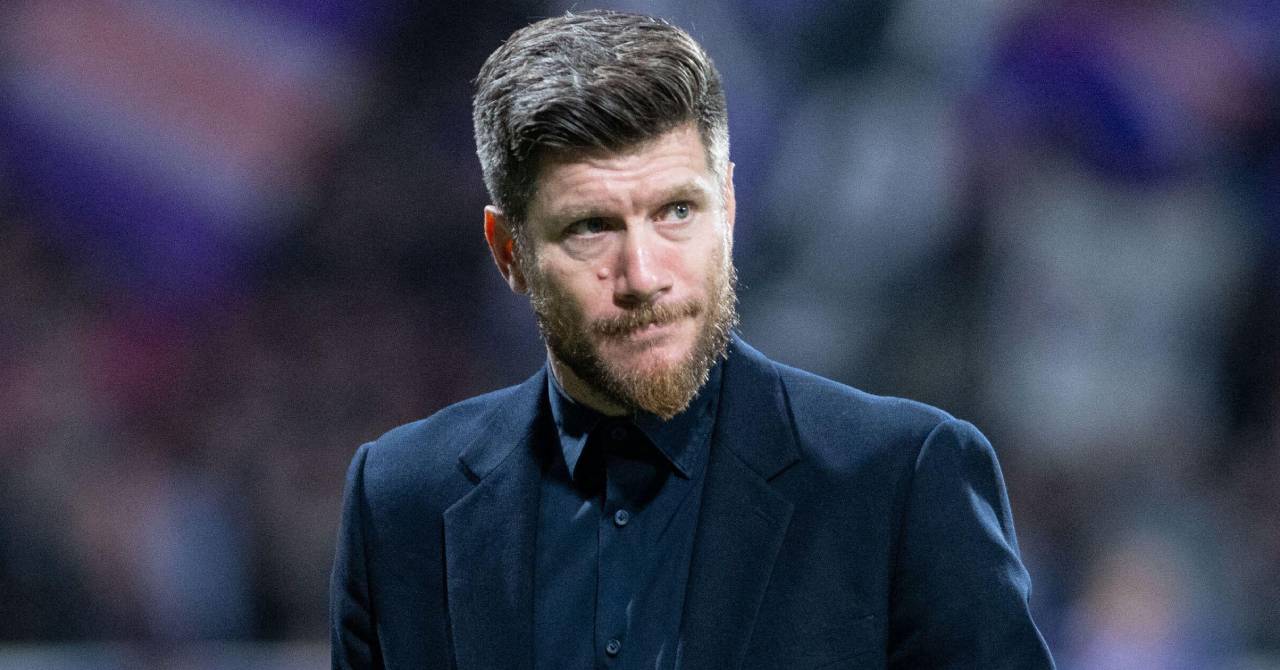
The air in Ljubljana crackles with a unique blend of anticipation and raw excitement as Scotland stands on the precipice of a brand-new era. Head coach Sebastien Pocognoli, the man tasked with revitalizing a nation’s footballing soul, has confessed to a “positive nervousness” ahead of his inaugural match. This isn’t just a friendly fixture; it’s the opening salvo of a demanding Nations League campaign, and every decision, every touch, every tactical tweak will be scrutinized under the unforgiving glare of a passionate support.
Appointed in August, the Belgian strategist steps into shoes left by the long-serving Steve Clarke, whose seven-year tenure concluded with a bitter group-stage exit at the World Cup. The message from the Scottish FA was clear: a fresh voice, a new vision. Pocognoli’s first assignment is a baptism of fire against Slovenia on Saturday, the first of four Nations League fixtures crammed into a relentless 11-day schedule. Following this, a crucial clash with Switzerland awaits at Hampden, before an away trip to North Macedonia, and finally, a home encounter with Slovenia to complete the sequence.
“If we talk about nerves, yes, but it’s a positive nervousness,” Pocognoli confidently told BBC Sport Scotland. “We have a job with responsibility. It’s excitement and I’m just passionate about being on the touchline.” This isn’t the nervous tremor of an uncertain leader, but the focused intensity of a man ready to embrace the challenge. It’s the energy of a manager eager to imprint his philosophy, starting now.
A Youthful Uprising: Pocognoli’s Bold Squad Shake-Up
Pocognoli hasn’t just shuffled the deck; he’s torn up the old script and started with a blank page. His most striking move? The audacious inclusion of **eight uncapped players**, a clear declaration of intent to inject vibrancy and long-term vision into the squad. This isn’t merely refreshing the ranks; it’s a strategic pivot towards youth, signalling a significant shift from the pragmatic experience often favoured in the past.
Among the fresh faces, the name **James Wilson**, at just 19, stands out. A prodigious talent, his inclusion suggests Pocognoli is not afraid to trust raw ability. But Wilson isn’t alone. Four 20-year-olds – **Findlay Curtis, Ben Gannon-Doak, Lennon Miller, and Colby Donovan** – bring a youthful exuberance and hunger that could prove infectious. These aren’t just names; they represent the future heartbeat of the national team, players who, if nurtured correctly, could form the backbone for years to come. Furthermore, 22-year-olds **Kristi Montgomery, Luke Graham, and Robbie Ure** complete this exhilarating octet, with Montgomery getting the nod after Blackburn teammate Kenny McLean’s injury withdrawal. This isn’t just about filling gaps; it’s about actively seeking out players who embody Pocognoli’s vision for a dynamic, energetic Scotland.
This youth movement is a calculated gamble. While it offers immense potential for growth and a fresh outlook, it also places immediate pressure on these youngsters to perform on the international stage. Their integration will be Pocognoli’s first major test, balancing the need for immediate results with the long-term objective of building a robust, competitive squad.
Tactical Agility: Scotland’s New Flexible Blueprint
Beyond personnel, Pocognoli has spoken eloquently about the tactical evolution he envisions for Scotland. While he confirms he knows his starting XI and formation for Slovenia, his emphasis on flexibility is telling. “I always think the players select themselves,” he stated, highlighting a meritocratic approach. But it’s his commitment to adaptability that truly intrigues.
“We have four games, so we need to plan. We need to have a periodisation [managing training loads, games and recovery] about the tactical aspect and the physical aspect,” he explained. This isn’t just about having a Plan B; it’s about having Plans C, D, and E. In a demanding international window, where player fatigue and opponent variations are constant factors, the ability to switch formations, adjust pressing schemes, and alter attacking dynamics mid-game will be paramount. Expect Pocognoli’s Scotland to be less dogmatic and more fluid, capable of transitioning between systems – perhaps a robust 4-3-3, a compact 4-2-3-1, or even a three-at-the-back system when facing specific threats. This tactical agility will be a hallmark of his reign, allowing Scotland to dictate terms or react effectively to the opposition.
Pocognoli’s respectful conversation with his predecessor, Steve Clarke, also paints a picture of a thoughtful, collaborative leader. Clarke’s “very kind, very humble” words of support, and his feeling that “it was the right time [to leave],” provide a clean slate for Pocognoli. Yet, the new coach isn’t content to merely maintain the status quo. “I will try to be as successful as the previous staff because we want to play in a big tournament. We want to create this moment for the country,” he declared, echoing the aspirations of an entire nation.
Game Highlights: What to Watch For Against Slovenia
As Scotland steps onto the pitch in Ljubljana, all eyes will be fixed on several key areas, offering the first real glimpse into Pocognoli’s brave new world:
- Pocognoli’s Tactical Debut:How will Scotland line up? Will we see an immediate shift to a more attacking, possession-based style, or a cautious, solid start? The early minutes will reveal much about his preferred tempo and defensive shape.
- The Young Guns Unleashed:Which of the eight uncapped players will get the nod? How will they handle the pressure of international football? Look for their energy, their decision-making, and their ability to integrate with the more experienced core. **James Wilson’s** potential impact, if he features, will be a significant talking point.
- Midfield Dynamics:With the emphasis on flexibility, how will the midfield operate? Will it be a double pivot focused on control, or a more adventurous setup with attacking midfielders pushing forward? The link-up play between midfield and attack will be crucial.
- Defensive Solidity:Slovenia will aim to exploit any early-game jitters. Can Scotland’s backline, potentially featuring new faces, maintain composure and organization against a tenacious opponent?
- Attacking Intent:After past criticisms of a lack of creativity, will Pocognoli’s side display a more direct, incisive attacking philosophy? Expect to see quick transitions and more players committing forward.
Prediction: A Cautious, Yet Optimistic Start
This match against Slovenia is less about a flawless performance and more about laying down a marker. Pocognoli is introducing a new system and integrating a significant number of young, inexperienced players. Slovenia, playing at home, will be eager to spoil the party and capitalize on any early disorganization.
However, the sheer energy and hunger of the new faces, combined with the passion of a fresh managerial voice, could provide a galvanizing effect. Scotland might start a little tentatively, finding their rhythm, but the second half should see them grow into the game as Pocognoli’s tactical adjustments take hold.
While a resounding victory might be too much to ask for in the first game of a new era, I predict Scotland will emerge with a valuable point. Expect a tightly contested **1-1 draw**, with Scotland perhaps grabbing a late equalizer or holding on for a hard-fought share of the spoils. This result, while not a win, would represent a solid foundation, allowing Pocognoli to build confidence and refine his vision as this exhilarating new chapter for Scottish football truly begins to unfold.