
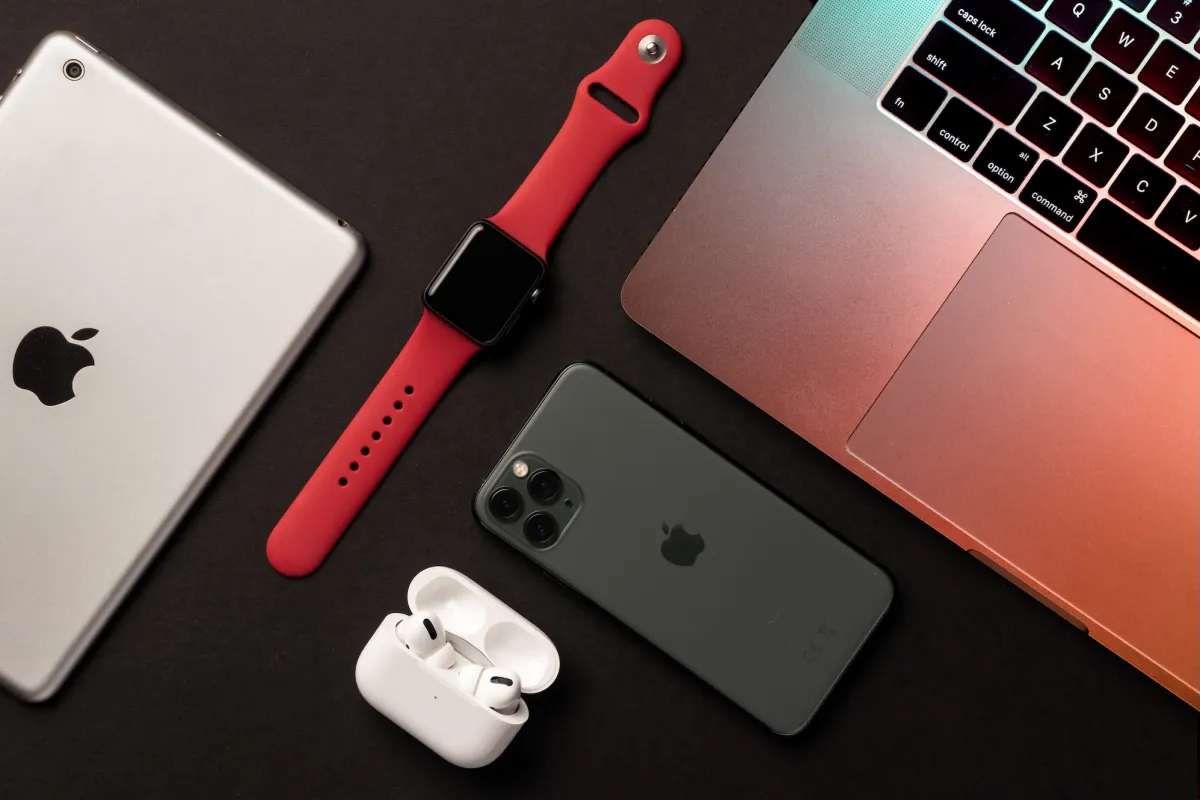
As the generative AI boom drives steep demand for hardware components, Apple and other hardware makers are facing what outgoing CEO Tim Cook calls “a hundred-year flood [on] memory pricing,” which is severely impacting the cost of producing iPhones, MacBooks, and other devices.
Apple described its recent earnings report as its “strongest June quarter ever,” with iPhone and Mac sales performing better than expected, growing 22% and 29%, respectively, year-over-year. Yet the company is bracing for memory shortages, known as RAMageddon, to get even worse. Apple’s biggest challenge is securing the advanced memory nodes used in its Apple silicon chips, which power the A-Series and M-Series processors used in iPhones and Macs.
—
### Key Takeaways
1. **AI-Fueled “RAMageddon”:** The explosive demand for high-performance memory driven by generative AI is creating unprecedented shortages and price surges, impacting the entire tech hardware industry, not just Apple.
2. **Apple’s Paradoxical Quarter:** Despite achieving its “strongest June quarter ever” with robust iPhone and Mac sales, Apple is proactively bracing for intensifying supply chain constraints, signaling a challenging period ahead for production and pricing.
3. **Strategic Shift & Investor Concern:** Apple has begun accumulating inventory—a departure from Tim Cook’s lean supply chain philosophy—and has reluctantly raised device prices, leading to investor apprehension as growth forecasts temper amidst ongoing supply pressures.
—
The AI Boom’s Unseen Cost: How “RAMageddon” Is Reshaping Apple’s Future
The technological landscape is undergoing a profound transformation, largely fueled by the burgeoning field of generative AI. While the headlines often focus on the incredible capabilities of these new intelligent systems, a less visible yet equally impactful consequence is unfolding behind the scenes: a seismic shift in the global hardware supply chain. At the heart of this disruption lies a critical component – memory – now experiencing a demand surge so intense that outgoing Apple CEO Tim Cook has starkly characterized it as “a hundred-year flood [on] memory pricing.” This unprecedented pressure is not merely an abstract market trend; it’s a tangible force directly influencing the production costs and, ultimately, the retail prices of our most coveted devices, from iPhones to MacBooks.
### The Echoes of “RAMageddon”: A Deep Dive into Memory Scarcity
The term “RAMageddon” perfectly encapsulates the current predicament facing hardware manufacturers. Generative AI models, with their vast neural networks and insatiable hunger for data processing, require enormous quantities of highly specialized memory. Unlike the standard DRAM found in everyday consumer electronics, AI applications often demand High Bandwidth Memory (HBM) – a sophisticated type of RAM that offers significantly faster data transfer rates and greater capacity, stacked vertically to maximize performance.
The manufacturing process for these advanced memory nodes is incredibly complex, capital-intensive, and time-consuming, involving intricate lithography and packaging techniques. This specialized production capacity is finite, and as AI developers rush to build and train larger, more capable models, they are effectively siphoning off a significant portion of the global supply. The ripple effect is profound: fewer advanced memory components are available for other sectors, leading to fierce competition, soaring prices, and extended lead times for all hardware makers. For Apple, this directly impacts its ability to secure the cutting-edge memory crucial for its custom Apple silicon chips – the A-Series and M-Series processors that power the performance of its flagship iPhones and Macs. Cook’s warning about “very significant constraints” and “limited flexibility in the supply chain to remedy it” underscores the severity of this unprecedented challenge.
### Apple’s Balancing Act: Record Sales Amidst Supply Headwinds
Remarkably, this looming “RAMageddon” is unfolding even as Apple celebrates a period of significant success. The company recently reported its “strongest June quarter ever,” with iPhone sales soaring by 22% and Mac sales by an impressive 29% year-over-year. These figures paint a picture of robust consumer demand and strong product performance, demonstrating Apple’s continued market dominance.
Yet, beneath this veneer of success, a palpable sense of apprehension pervades the company’s outlook. Cook’s statements on the quarterly earnings call were a clear indicator: “We continue to expect high levels of demand. However, with less flexibility in supply chain, we expect the impact from the supply constraints to increase significantly sequentially.” This seemingly paradoxical situation highlights Apple’s formidable brand loyalty and product appeal, which continue to drive sales, even as the foundational elements of its production – the supply of critical components – become increasingly precarious. The company is, in essence, operating at the peak of its demand curve while simultaneously grappling with unprecedented limitations on its ability to meet that demand.
### Strategic Shift: Inventory Build-Up and Price Adjustments
The gravity of the situation has prompted Apple to undertake a significant strategic shift, particularly concerning its long-held supply chain philosophy. For years, under Cook’s meticulous oversight, Apple has championed a lean, just-in-time inventory system designed to minimize holding costs and maximize efficiency. However, the current crisis has forced a dramatic pivot. Apple’s reported inventory surged to $11.1 billion, nearly double the $5.7 billion reported last September. This substantial build-up is a clear testament to the company’s deep concern over future supply stability, opting to absorb the costs of increased inventory rather than risk production stoppages.
This proactive, albeit costly, measure is not the only visible impact. The supply constraints have already led Apple to “reluctantly” raise the prices of Macs and iPads last month. This decision, undoubtedly made after exhaustive internal debate, underscores the unavoidable economic realities imposed by rising component costs. And Apple is far from alone in this trend. Other tech giants feeling the pinch, such as Meta, Samsung, Microsoft, and Sony, have also implemented price increases for their hardware offerings, signaling a broader industry-wide adjustment to the new cost environment. As Cook candidly admitted, “We’re going to be scrambling on the supply side, essentially.”
### Investor Jitters and the Road Ahead for Apple
While Apple’s recent performance has been strong, the forward-looking statements have injected a dose of caution into investor sentiment. For the upcoming quarter, Apple is predicting revenue growth between 9% and 11% year-over-year. While still a healthy growth rate, this marks a notable deceleration from the approximately 16% year-over-year growth Apple has maintained in recent quarters. This tempering of expectations, coupled with the explicit warnings about supply constraints, immediately triggered a negative reaction from the market, with Apple stock dropping 6% in after-hours trading. Investors are clearly weighing the company’s impressive current performance against the potential headwinds of a tightening supply chain and slowing growth trajectory.
This challenging period will largely fall to John Ternus, who is slated to step into the CEO role in September, succeeding Tim Cook. Ternus, currently Senior VP of Hardware Engineering, inherits a company with immense strengths but also one navigating a complex and volatile global supply chain. His leadership will be crucial in devising strategies to diversify suppliers, optimize component sourcing, and potentially even influence future chip designs to mitigate the impact of ongoing memory shortages.
### The Broader Semiconductor Landscape: A Collective Challenge
The difficulties faced by Apple are emblematic of a much larger, systemic challenge confronting the entire semiconductor industry. The global nature of modern supply chains means that disruptions in one area can have far-reaching consequences across multiple sectors. The AI boom, while promising incredible advancements, has inadvertently exposed the fragility and interconnectedness of our technology infrastructure. From cloud data centers to gaming consoles, every segment relying on advanced memory and processing power is feeling the squeeze. This collective challenge necessitates innovative solutions, potentially including increased investment in domestic manufacturing capabilities, greater collaboration among industry players, and a renewed focus on supply chain resilience.
When you purchase through links in our articles, we may earn a small commission. This doesn’t affect our editorial independence.
### Bottom Line
Apple stands at a critical juncture, navigating the unprecedented demands of the AI era. While its formidable brand power continues to drive sales, the “RAMageddon” fueled by generative AI poses a significant threat to its production capabilities and profitability. The strategic shift towards increased inventory and reluctant price hikes underscores the severity of these challenges. As John Ternus prepares to take the helm, his leadership will be crucial in steering Apple through this complex period, ensuring the company can continue to innovate and meet consumer demand amidst a global hardware landscape undergoing profound and rapid transformation. The future of tech, from the most advanced AI servers to the latest consumer gadgets, will heavily depend on how effectively the industry, led by giants like Apple, adapts to this new reality of constrained and costly memory.
Source:{feed_title}