
Key Takeaways for Investors and Industry Watchers:
- Strategic Human Capital Investment:In-N-Out’s $200,000+ average manager salary represents a significant investment in human capital, driving superior employee retention, reducing training costs, and fostering consistent operational excellence amidst a highly competitive and tight labor market.
- Competitive Differentiator & Brand Equity:This compensation strategy strengthens In-N-Out’s employer brand, attracting top talent and reinforcing its cult-like customer loyalty through high-quality service, setting a challenging benchmark for competitors, especially those with franchise models.
- Private Ownership Advantage:As a privately held company, In-N-Out can prioritize long-term strategic investments in its workforce and brand integrity over short-term quarterly profit pressures, allowing it to cultivate a unique corporate culture and operational model that is difficult for public rivals to replicate.
Check out what’s clicking on FoxBusiness.com.
In a striking revelation that underscores a significant strategic divergence within the competitive quick-service restaurant (QSR) sector, In-N-Out Burger’s store managers earn an average annual salary exceeding $200,000. This figure, confirmed by Chief Operating Officer Denny Warnick, positions the iconic West Coast chain as an outlier in an industry often scrutinized for its lower-wage labor practices and high turnover rates. Far from being a mere anomaly, this compensation philosophy is presented by the company as a cornerstone of its operational success and a direct reflection of its deeply ingrained corporate values, offering profound insights into its market positioning and long-term sustainability.
“I can confirm that our In-N-Out Burger store managers earn more than $200,000 a year on average,” Warnick stated to FOX Business, emphasizing a commitment rooted in the company’s genesis. He elaborated on the enduring philosophy of founders Harry and Esther Snyder, who believed in “taking really great care of our associates.” This ethos, Warnick noted, transcends mere rhetoric, manifesting in tangible economic benefits for its workforce. “Their philosophy was to treat associates like family and strive to be an outstanding employer, and paying higher-than-normal wages was one important part of that philosophy,” he explained, painting a picture of a company where human capital is viewed not as a cost center, but as a critical asset for competitive advantage.
This approach to employee compensation in the QSR industry warrants significant attention from a market perspective. In an era marked by persistent labor shortages, rising wage demands, and the “Great Resignation,” In-N-Out’s strategy offers a compelling case study in employee retention and operational stability. The average turnover rate for restaurant managers can be notoriously high, often exceeding 50% annually in the broader industry. By offering compensation packages that rival or even surpass those in many white-collar professions, In-N-Out effectively insulates itself from the most severe impacts of these labor market pressures. The initial higher wage expense is likely offset by dramatically reduced recruitment, onboarding, and training costs, alongside the invaluable benefit of institutional knowledge retention and consistent leadership across its locations. This translates directly into enhanced operational efficiency and a more predictable cost structure for the company, despite the higher nominal wage bill.
MAJOR BURGER CHAIN IN-N-OUT CHANGES TWO KEY INGREDIENTS, SENDING FANS INTO A FRENZY
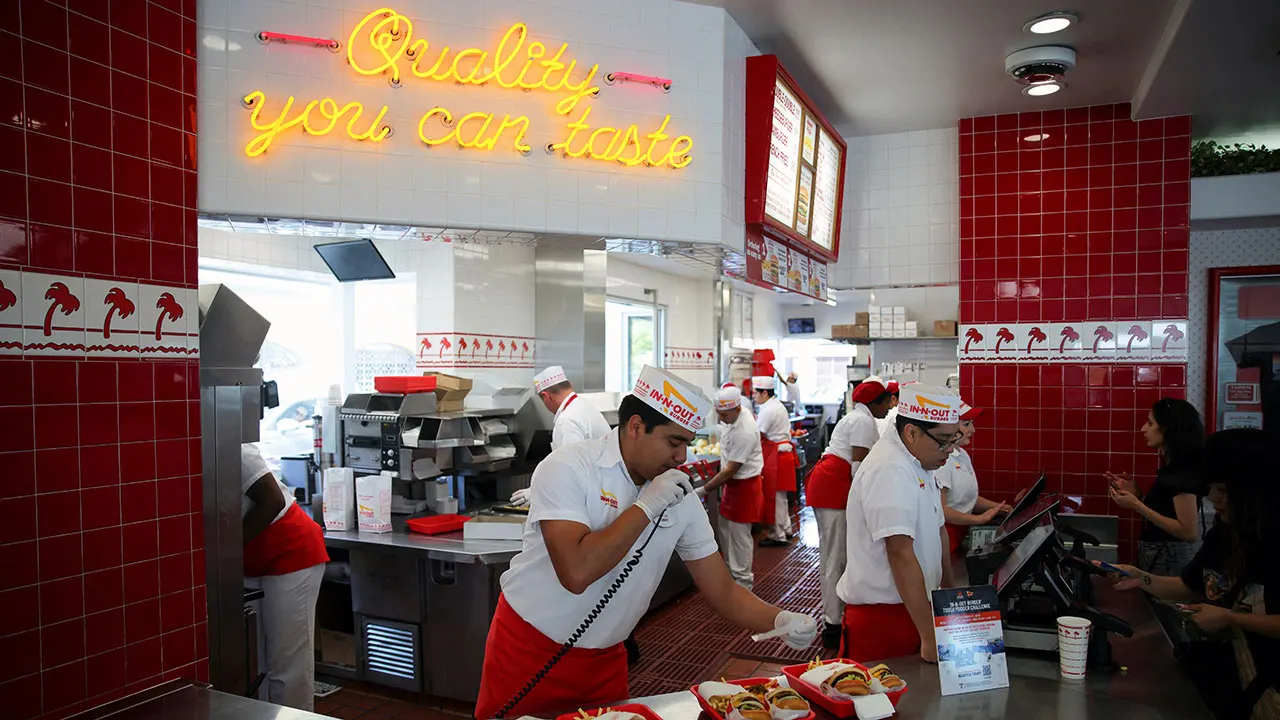
In-N-Out Burger store managers make more than $200,000 annually on average.(Justin Sullivan/Getty Images)
Beyond competitive pay, the burger chain also commits to comprehensive benefits and robust career development opportunities, according to Warnick. “Those values remain unchanged today under the leadership of our owner and president, Lynsi Snyder,” he affirmed. “We’re committed to providing competitive wages, great benefits, a positive and enthusiastic work environment and opportunities for associates to develop and grow.” This holistic approach signifies a profound understanding that financial incentives alone are insufficient for long-term employee engagement. A supportive culture, coupled with pathways for professional advancement, cultivates loyalty and dedication that directly translates into superior customer service and operational efficiency – critical drivers of profitability and brand equity in the consumer discretionary sector. It creates an internal talent pipeline, reducing reliance on external hiring and ensuring a deep understanding of the In-N-Out brand standards across all levels of management.
The strategic advantage of In-N-Out’s model is further amplified by its private ownership structure. Unlike publicly traded QSR giants, In-N-Out is not beholden to quarterly earnings calls or the short-term pressures of Wall Street analysts. This freedom allows the company to make long-term investments in its workforce, even if it means sacrificing some immediate profit margins. This stands in stark contrast to many competitors, particularly those operating extensive franchise models, where franchisees often face tighter margins and greater pressure to minimize labor costs. This divergence creates a significant barrier to entry for replicating In-N-Out’s service quality and employee morale, reinforcing its unique market position and cult following. The ability to prioritize human capital without external shareholder scrutiny is a powerful competitive lever, allowing for a culture of quality that is difficult for rivals to emulate under different ownership structures.
MCDONALD’S SHAKES UP FALL COFFEE LINEUP AS PUMPKIN SPICE SEASON HEATS UP
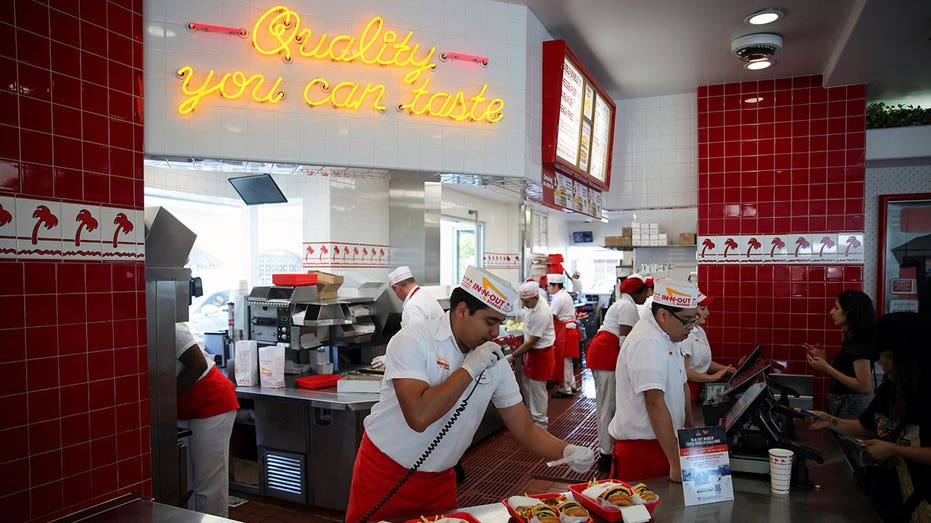
The burger chain said it is committed to offering competitive pay, benefits and career development opportunities.(Daniel Cole/Reuters)
Warnick’s observation that many In-N-Out associates have worked for the chain for decades speaks volumes about the success of this strategy. High employee longevity is a golden metric in the service industry, indicating not only job satisfaction but also the accumulation of invaluable institutional knowledge and the consistent delivery of a high-quality customer experience. This translates directly into operational consistency, reduced error rates, and a stronger brand perception, all of which contribute positively to the company’s bottom line and its fiercely loyal customer base. In an industry where brand differentiation often hinges on product consistency, service speed, and the overall customer journey, a stable, experienced workforce is an unparalleled asset, fostering the predictability and quality consumers have come to expect from the In-N-Out brand.
BURGER KING REVAMPS MENU ITEM AFTER CUSTOMERS SOUGHT ‘TOTAL OVERHAUL’
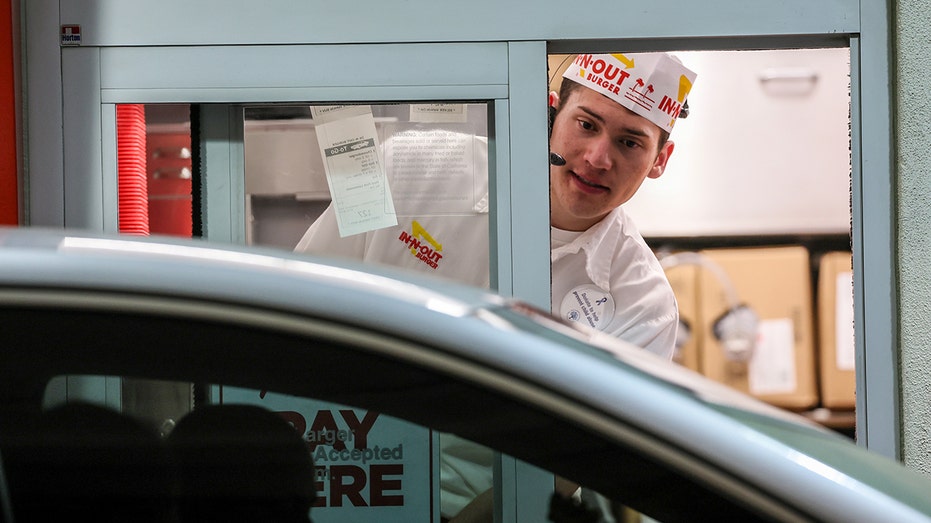
Warnick added that many In-N-Out associates have worked for the company for decades.(Robert Gauthier/Los Angeles Times via Getty Images)
CLICK HERE TO GET FOX BUSINESS ON THE GO
Earlier this month, theCalifornia-based chain, which operates in 10 states, also announced two ingredient changes: removing sesame flour from its buns and replacing iodized salt packets with sea salt. While seemingly minor, these adjustments further illustrate In-N-Out’s commitment to evolving consumer preferences and maintaining its promise of “freshest, highest-quality food possible.” In a food landscape increasingly sensitive to allergens, dietary restrictions, and perceived health benefits, these ingredient revisions are calculated moves to sustain brand relevance and appeal across a broader demographic, complementing their robust human capital strategy. Such proactive adjustments to product offerings, alongside superior service, are key to maintaining market share and customer loyalty in a dynamic industry where consumer expectations are constantly shifting.
“We remain committed to serving our customers with the freshest, highest-quality food possible. Over the years, we’ve made meaningful changes to our ingredients, and this past year was no exception. We’re pleased to share our latest updates, and we’ll continue building on that commitment for years to come,” the company said at the time. This statement, when viewed in conjunction with their employee investment, paints a picture of a company strategically focused on enduring value creation through both product and people, demonstrating a holistic approach to long-term brand equity and sustainable growth.
FOX Business’ Bonny Chu contributed to this report.
Market Impact:
In-N-Out’s high-wage strategy for its store managers carries significant implications for the broader quick-service restaurant industry and the labor market. For competitors, particularly publicly traded chains and franchisees, it sets a challenging benchmark, potentially fueling upward wage pressure across the sector as companies vie for scarce talent. This could lead to increased operational costs and pressure on profit margins for those unable to match such compensation, especially if they lack In-N-Out’s operational efficiencies or brand premium. For the labor market, it highlights the growing recognition of human capital as a strategic asset, demonstrating that significant investment in employees can yield substantial returns in terms of retention, service quality, and brand loyalty. This model might inspire other industries facing similar labor challenges to reassess their compensation structures, potentially driving a broader shift towards more competitive wages and benefits as a means of ensuring long-term business sustainability and superior customer experience. Ultimately, In-N-Out’s approach serves as a powerful case study for how prioritizing people can translate into enduring market advantage, even in a highly price-sensitive consumer segment, potentially influencing investment decisions in companies that demonstrate similar long-term human capital strategies.