
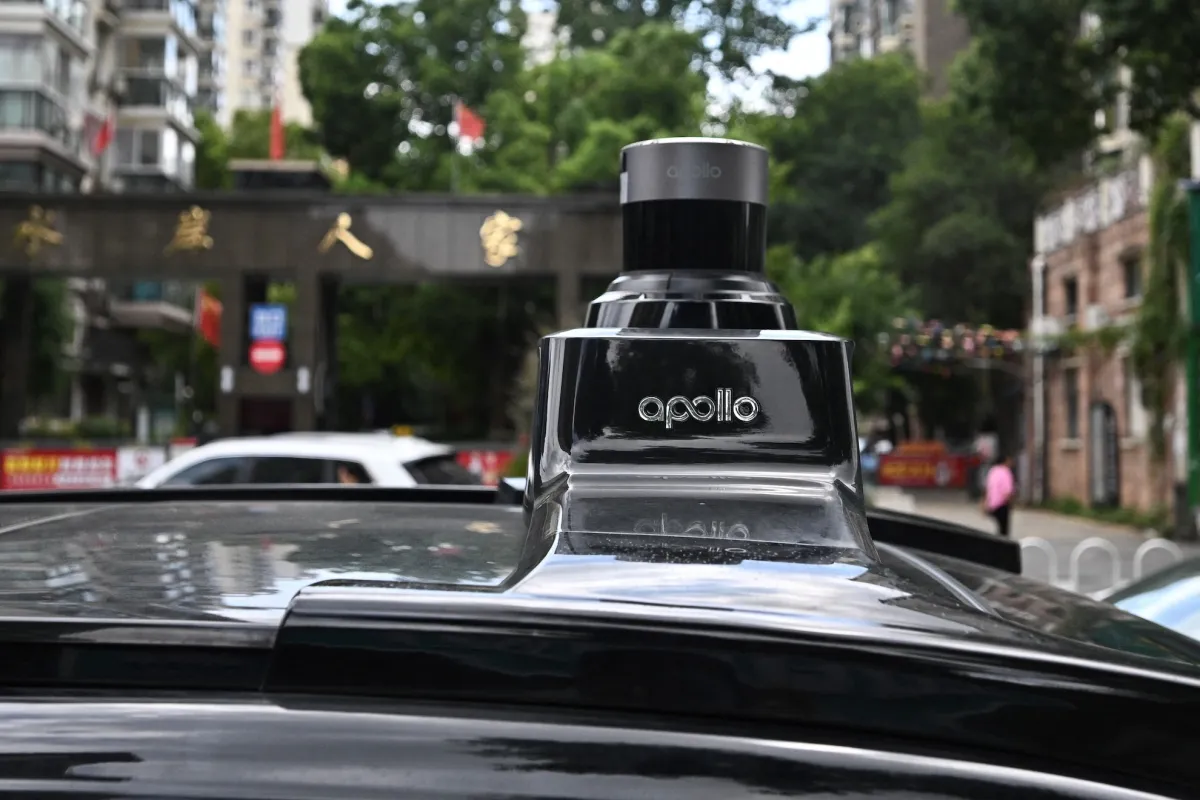
Self-driving vehicles managed by Baidu’s Apollo Go experienced widespread halts across Wuhan, China, at times stranding occupants for up to two hours, as reported by various news outlets and corroborated by numerous video and social media posts.
Baidu has not disclosed the reason for the extensive disruption. Nevertheless, local law enforcement attributed it to a “system malfunction” that impacted no fewer than 100 autonomous vehicles, Reuters documented. This unidentified technical glitch led the robotaxis to abruptly cease movement — occasionally in perilous locations, such as the fast lane of roadways, Wired reported. Authorities continue to probe the incident.
Baidu offered no reply to TechCrunch’s emailed request for comment.
Baidu stands as a prominent autonomous taxi service provider in China and has extended its reach into the Middle East. Last year, the company declared its intention to deploy a contingent exceeding 1,000 self-driving cars in Dubai within the next few years.
This newest disruption involving Baidu is the latest occurrence sparking concerns regarding the dependability of autonomous taxis and their consequences for surrounding populations. Moreover, such issues are not exclusively confined to China. Last December, an extensive electricity blackout in California disabled traffic signals, leading Waymo vehicles to become immobilized.
{content}
Source:{feed_title}