
Key Takeaways
- The Loneliness Epidemic Spurs Innovation:A global rise in social isolation, recognized as a public health crisis, is driving demand for novel ways to forge platonic connections.
- Friendship Apps Gain Traction:Following the path of dating apps, online platforms dedicated to fostering friendships are experiencing significant growth, with over a dozen U.S.-focused apps generating an estimated $16 million and 4.3 million downloads in 2025.
- Diverse Approaches to Connection:From AI-driven personality matching for group outings to interest-based communities and event discovery tools, these apps offer varied solutions to help users build meaningful local social circles.
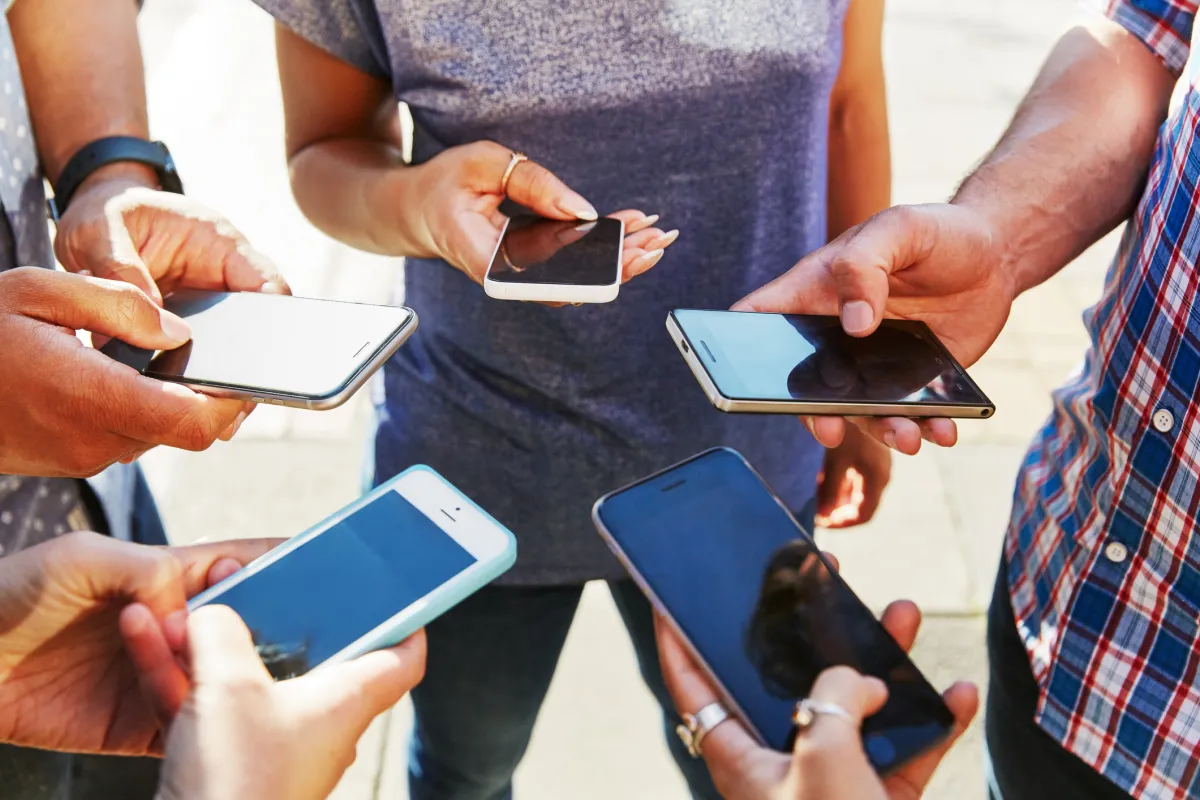
The quiet crisis of loneliness has officially entered the public discourse, with the U.S. Surgeon General in 2023 boldly declaring it a public health crisis. This isn’t just a fleeting sentiment; it’s a profound societal shift impacting remote workers yearning for office camaraderie, younger generations striving to build adult social circles around shared passions, and countless others seeking genuine platonic connections in an increasingly digital world. While the craving for connection is ancient, the methods for finding it are rapidly evolving.
The internet, once a perceived isolating force, is now ironically emerging as a powerful antidote. Thanks to the mainstream adoption of online dating apps, the stigma once attached to finding relationships digitally has largely evaporated. This cultural acceptance has paved the way for a new, burgeoning wave of platforms: friendship apps. These innovative tools are specifically designed to help individuals cultivate local communities and forge meaningful, non-romantic bonds, addressing a fundamental human need in a modern context.
The market response has been nothing short of remarkable. According to recent estimates from Appfigures, the nascent friendship app sector is already demonstrating substantial consumer interest. More than a dozen local-focused friendship apps in the U.S. have collectively amassed approximately $16 million in consumer spending so far in 2025, alongside an impressive 4.3 million downloads. These figures underscore not just a growing niche, but a significant cultural phenomenon – people are actively investing time and money into solving their social isolation through technology.
What makes these apps so compelling? They offer a structured, less intimidating alternative to the often-awkward dance of meeting new people organically. Imagine approaching a stranger at a coffee shop or gym – it requires a certain boldness and risks rejection. Friendship apps, however, remove much of this friction by clearly signaling intent: everyone on the platform is there for the express purpose of making friends. This shared understanding makes initiating conversations and planning meetups significantly less daunting, fostering an environment ripe for genuine connection. From established giants like Meetup to innovative newcomers, these platforms are catering to a universal yearning for community.
We’ve compiled a list of some of the standout apps currently leading this charge, each offering a unique approach to fostering camaraderie:
222
For those seeking curated social experiences, 222 offers an intriguing proposition. This iOS-only social events platform takes a unique approach to facilitate in-person meetups by pairing small groups of strangers based on their personality test results. Users receive invitations to nearby public social events, ranging from wine bars to comedy clubs. A careful vetting process ensures compatibility, with selected participants receiving notifications on the day of the event. A thoughtful feature for the socially anxious: users are explicitly allowed to bring a plus-one, easing the pressure of attending alone. The service charges a $22.22 curation fee per event or offers a monthly subscription at the same price, emphasizing its premium, tailored experience.
Bumble BFF

A true pioneer in the broader connection space, dating giant Bumble extended its reach into friendship back in 2016, a move that culminated in its spin-off into a dedicated Bumble BFF app in 2023. This established player recently underwent a significant redesign, signaling its commitment to the platonic market. The revamp places an increased emphasis on facilitating group meetups, directly addressing users’ evolving desires to expand their social circles more broadly rather than just one-on-one connections. Bumble BFF is readily available for free download on both iOS and Android devices, leveraging its extensive user base from the dating platform to foster new friendships.
Clyx

Clyx distinguishes itself as an emerging player with a powerful focus on local event discovery and group-based social networking. The platform intelligently helps users find community events by integrating real-time data from major platforms like Ticketmaster and TikTok, ensuring a dynamic and relevant feed of activities. Beyond discovery, Clyx enhances existing social circles by allowing users to upload their contact lists, making it easy to see which events their friends plan to attend. Crucially, the app also includes a feature that recommends other users to connect with at these very events, bridging the gap between digital discovery and in-person interaction. Currently, Clyx operates exclusively in Miami and London but has ambitious plans for expansion, with New York City and São Paulo next on its roadmap. The app is available on both the App Store and Google Play Store.
Crowdier
The rise of friendship apps isn’t just a tech trend; it’s a reflection of profound shifts in how we live and connect. As urbanization continues, traditional community structures weaken, and digital work environments reduce serendipitous encounters, people are actively seeking structured solutions to rebuild their social fabric. These apps are not merely facilitating introductions; they are serving as essential infrastructure for community building in the 21st century. However, challenges remain, including ensuring safety, fostering genuine connections that transcend screens, and refining monetization models without compromising user experience. The future will see these platforms becoming more sophisticated, potentially integrating AI for deeper compatibility matching and offering more diverse avenues for group activities.
Bottom Line
The burgeoning market for friendship apps signals a significant turning point in how technology addresses fundamental human needs. Far from being a fleeting fad, these platforms are evolving into vital tools for combating the loneliness epidemic, helping millions forge meaningful connections in a world that often feels increasingly disconnected. As they mature, friendship apps are poised to become as integral to our social lives as dating apps have become for romance, cementing their role as essential architects of modern community.
Beyond the Swipe: A New Wave of Social Apps Redefines Friendship in the Digital Age
Key Takeaways:
- Diverse Approaches to Connection:The new wave of friendship apps offers varied models, from group-to-group matching (Crowdier) and AI-curated niche communities (Les Amís) to broad interest-based event platforms (Meetup) and age-specific social groups (Meet5).
- Prioritizing In-Person Engagement:These platforms are deliberately designed to transcend digital interactions, acting as catalysts for real-world meetups, shared activities, and the formation of tangible communities, directly addressing a growing desire for authentic connection.
- Responding to a Social Need:In an increasingly connected yet often isolating world, these apps are emerging as vital tools to combat loneliness and foster genuine bonds, demonstrating technology’s evolving role in enhancing our social lives.
In an era where digital connections often feel superficial, a new breed of social applications is emerging, striving to bridge the gap between virtual interaction and meaningful, in-person friendships. Moving beyond the traditional dating app paradigm, these platforms are designed explicitly for forging platonic bonds, building communities, and encouraging real-world engagement. From specialized group meetups to AI-powered interest matching and venerable event discovery services, the landscape of friendship apps is expanding, offering diverse solutions to combat loneliness and cultivate genuine connections. Let’s delve into some of the prominent players shaping this evolving social sphere, each taking a unique approach to bring people together.

Crowdier: The Group Socializer
Crowdier is carving out a unique niche in the social app landscape by focusing on *group* connections rather than individual ones. Designed for existing friend groups looking to expand their social circle, this innovative app lets users create a unit of 2-5 friends and then browse other similar groups. The premise is simple yet revolutionary: instead of one-on-one interactions, Crowdier facilitates collective hangouts, making the social experience feel less intimidating and more naturally communal. To initiate a connection, a group can “Wave” at another group they find interesting. If the feeling is mutual and the other group waves back, a shared chat opens, allowing both parties to plan an in-person meetup. A clever mechanism ensures genuine group interest: a match requires the majority of both groups to agree, meaning at least two members of a four-person group must give the green light. This democratic approach to social engagement fosters a sense of shared responsibility and excitement for new experiences. Crowdier is freely available on both iOS and Android, making it accessible for friend groups eager to broaden their horizons.
Les Amís: Curated Connections for Niche Communities

Les Amís takes a more curated, identity-focused approach to friendship, specifically tailoring its platform for women, transgender, and LGBTQ+ individuals. This deliberate focus creates a safer, more inclusive space for these communities to connect. Leveraging advanced AI, Les Amís matches users based on shared interests, moving beyond superficial profiles to foster deeper compatibility. The app actively encourages participation in local events, transforming passive scrolling into active engagement. Imagine finding a pottery class, a book club, or a wine tasting event where you already know you’ll meet like-minded individuals. Matches are delivered every Monday, offering a thoughtful, weekly cadence that allows users to chat and plan meetups throughout the week without the pressure of constant notifications. Currently available on iOS and Android, Les Amís has a strong presence across Europe in cities like Amsterdam, Barcelona, Berlin, Madrid, Paris, and Stockholm. In the U.S., it has launched in Austin and New York, with ambitious plans to expand to Boston, Miami, and Los Angeles. Unlike many free social apps, Les Amís operates on a paid membership model, with fees varying by city – for instance, $70 in New York and €55 in Amsterdam – reflecting its premium, curated experience.
Meetup: The Original Community Builder

Meetup stands as a veritable veteran in the realm of social connection apps, having been around since 2002. This local event-discovery platform has successfully helped millions of users worldwide connect over shared interests, hobbies, professions, and social causes. Meetup’s enduring appeal lies in its user-driven model: anyone can join existing groups, RSVP to a diverse array of events ranging from hiking trips and coding workshops to language exchange meetups and volunteer opportunities, or even create their own groups and host events. The platform facilitates robust community interaction through in-app chats, allowing members to communicate, share updates, and post photos from gatherings, thereby fostering a vibrant sense of belonging. Meetup has proven that a well-designed platform focused on shared activities and local community building can stand the test of time, continuously adapting to new social needs and technologies while remaining true to its core mission of bringing people together in person.
Meet5: Age-Specific Socializing for the Over 40s

Meet5, a European community-building app, has recently made a significant splash in the U.S. market by specifically targeting users over 40. This demographic, often underserved by mainstream social apps, is keen to meet new people in their local area and engage in group activities. Meet5 excels at facilitating these connections, offering a platform where users can discover and participate in a wide range of group activities such as picnics, concerts, hiking excursions, and dining experiences. Its focus on the 40+ age group recognizes a unique set of social needs and preferences, often prioritizing shared experiences and authentic interaction over rapid-fire matching. The app’s rapid adoption in the U.S. speaks volumes about its effectiveness: in a remarkably short period, it has garnered around 777,000 U.S. downloads across both iOS and Android platforms, demonstrating a clear demand for age-specific social networks that foster real-world connections and community spirit.
The Evolving Landscape of Digital Socializing
These four applications, while distinct in their approach, collectively highlight a significant trend in how technology is addressing human connection. Crowdier innovates by creating a “group dating” model for friends, reducing individual pressure and leveraging existing social circles. Les Amís demonstrates the power of niche communities, fostering safety and belonging through AI-curated matches and a focus on specific identities. Meetup, a pioneer, continues to thrive by empowering users to build and join interest-based communities, proving the timeless appeal of shared hobbies. Meet5, on the other hand, strategically addresses the social needs of an older demographic, often overlooked by youth-centric platforms, facilitating active lifestyles and new friendships later in life. What unites them is a fundamental shift from passive digital interaction to active, in-person engagement. In a world grappling with increasing feelings of isolation, these apps serve as vital bridges, transforming abstract digital profiles into tangible real-world relationships.
Responding to the Loneliness Epidemic
The proliferation and success of these friendship-focused apps are not merely a technological fad; they are a direct response to a pervasive global challenge: the loneliness epidemic. Post-pandemic, there’s a renewed, palpable hunger for authentic human connection that extends beyond family or professional networks. People are seeking meaningful bonds, shared experiences, and a sense of community that traditional social structures sometimes struggle to provide. These platforms leverage the convenience and reach of digital technology not as an end in itself, but as a powerful tool to initiate and organize real-world interactions. They reflect a growing societal recognition that while digital tools can connect us virtually, true well-being and happiness often stem from face-to-face relationships and shared physical spaces. This generation of apps represents a forward-thinking approach to social wellness, using innovation to tackle one of humanity’s oldest needs.
Bottom Line
As the digital age matures, the focus is shifting from simply connecting people online to empowering them to build more meaningful, in-person relationships. The diverse range of apps like Crowdier, Les Amís, Meetup, and Meet5 exemplifies this evolution, offering tailored solutions for every demographic and social need. They underscore a powerful truth: technology, when wielded thoughtfully, can be a profound catalyst for genuine human connection, helping individuals combat loneliness and enrich their lives through shared experiences and newfound friendships. The future of social tech isn’t just about being online; it’s about what happens when we log off and meet up.
Key Takeaways
- **Beyond the Swipe:** A new generation of social apps is moving past traditional dating and broad social networking, focusing on structured, in-person meetups and shared activities.
- **AI-Driven & Curated Connections:** These platforms leverage advanced algorithms and personality assessments to foster more compatible and intentional group interactions, reducing social anxiety.
- **Tackling the Loneliness Epidemic:** By prioritizing real-world engagement and facilitating small, curated gatherings, these apps aim to bridge the gap between digital convenience and authentic human connection.
Reconnecting IRL: The Fresh Wave of Social Apps Driving Real-World Engagement
In an era dominated by endless scrolling and fleeting digital interactions, a quiet revolution is taking place in the social app landscape. While the established giants continue to grapple with engagement metrics and advertising models, a new breed of platforms is emerging, hyper-focused on one critical mission: getting people to connect in real life. These aren’t your typical dating apps or broad social networks; instead, they are meticulously designed to facilitate shared experiences, foster genuine friendships, and combat the pervasive sense of digital isolation. By leveraging AI, curated group dynamics, and a strong emphasis on intentional meetups, these apps are carving out a vital niche, proving that the future of social technology might just lie in bringing us closer together, face-to-face.
As the world grapples with what many term a “loneliness epidemic,” the demand for meaningful human connection has never been higher. Yet, the traditional avenues for meeting new people can often feel daunting or artificial. This is where innovation steps in, offering structured, lower-pressure environments for individuals to expand their social circles and discover new activities. From AI-matched dinner parties to interest-based event meetups, these platforms represent a significant shift from passive consumption to active participation. Here’s a closer look at some of the most promising newcomers shaking up the social scene, according to Appfigures estimates of downloads from the App Store and Google Play Store.
Pie

Pie is a distinctive entrant in the social app space, leveraging artificial intelligence to address a common social hurdle: finding truly compatible individuals for group activities. Its core innovation lies in an AI-driven quiz designed to predict compatibility among users. Before attending a Pie-organized event, each participant completes a brief personality assessment. This data then fuels the algorithm, which meticulously arranges attendees into curated groups of six. These groups are then introduced via a dedicated group chat within the Pie app, allowing members to engage and build rapport before ever meeting in person. This pre-event interaction significantly lowers the barrier to entry, transforming what could be an intimidating encounter with strangers into a more comfortable, pre-vetted social experience. Pie aims to foster deeper connections by moving beyond superficial interests, ensuring that members are likely to click on a more fundamental level.
Currently, Pie is focused on establishing a strong community in key urban centers, with availability limited to Austin, Chicago, and San Francisco. This strategic rollout allows the platform to fine-tune its algorithm and user experience in dense social environments before broader expansion. Users eager to explore this innovative approach to social connection can download Pie from both the App Store and Google Play Store.
Timeleft

Timeleft is a compelling platform that taps into the desire for novel social experiences by orchestrating weekly dinner dates with groups of strangers. The app’s sophisticated algorithm plays a central role, carefully matching users based on criteria such as age, gender, and personality traits. What makes Timeleft particularly intriguing is its element of structured mystery: users are grouped with four other individuals, but only receive tantalizingly minor details about their dinner companions – their occupations and zodiac signs – on the eve of the event. This measured reveal creates anticipation and encourages genuine discovery during the actual dinner.
These curated dinners consistently take place on Wednesday evenings at 7:00 p.m. at a pre-selected restaurant, establishing a consistent rhythm for social connection. To help initial conversations flow effortlessly, the app provides a game featuring engaging conversation starters. The evening often extends beyond dinner, with an optional after-party at a local bar, offering another opportunity for connections to deepen in a more relaxed setting. Timeleft’s model is built on convenience and curation, allowing users to book dinners seamlessly either online or directly through the app. The pricing structure is dynamic, varying by country and the chosen restaurant, reflecting a global ambition. Participants pay for their ticket upfront, covering the organizational aspects, and are responsible for their own dinner and drink costs, ensuring a straightforward and transparent transaction process. Timeleft offers a unique blend of planned spontaneity, making it an attractive option for those seeking to expand their social horizons with minimal effort and maximum intrigue.
Washed Up

Washed Up, launched in early 2026, is a social event discovery app specifically tailored for residents of the Los Angeles area. It tackles a dual challenge: the difficulty of easily finding engaging local activities and the common hesitation of attending events alone. The app masterfully integrates event discovery with a built-in social networking layer, making it effortless for users to discover local happenings – from live concerts and trivia nights to comedy shows – and simultaneously connect with others who plan to attend.
Instead of browsing events in isolation, Washed Up empowers users to create or join “plans,” which are essentially small group meetups linked to specific events. This innovative feature allows users to browse existing plans, request to join groups with similar interests, engage in group chats before the event, and easily add new friends. The result is a seamless social experience where individuals can show up to events already connected with a group, significantly enhancing the enjoyment and reducing the anxiety often associated with solo attendance. By bridging the gap between event information and social planning, Washed Up is becoming an indispensable tool for Angelenos looking to enrich their social lives and make new friends around shared experiences.
It’s available to download on the App Store, with plans to expand its geographic reach and features based on user feedback and engagement.
Wyzr Friends

Wyzr Friends steps into the arena by focusing on sustained, interest-based social connections rather than one-off events. Recognizing that genuine friendships often blossom from shared passions and recurring activities, Wyzr Friends aims to connect individuals looking to form long-term bonds around specific hobbies and interests. Whether you’re searching for a hiking buddy, a book club, a D&D group, or even someone to explore new culinary experiences with, this app is designed to streamline the process of finding like-minded companions.
The platform allows users to create detailed profiles highlighting their hobbies, skills, and social preferences. Its intelligent matching system then suggests potential “friend groups” or individuals based on these shared interests, facilitating the formation of communities around specific activities. Unlike apps primarily focused on discovery or dating, Wyzr Friends emphasizes the journey of friendship, providing tools for groups to schedule recurring meetups, coordinate plans, and maintain ongoing communication. This approach cultivates deeper relationships, moving beyond fleeting interactions to build resilient social networks that enrich users’ daily lives. Wyzr Friends aims to be the go-to platform for individuals seeking authentic, enduring connections rooted in mutual interests, helping them weave a richer social tapestry in their local communities.
The Broader Trend: Intentionality Over Virality
What these emerging platforms collectively underscore is a significant shift in the social app paradigm. The focus is no longer solely on achieving viral growth or maximizing screen time through endless feeds. Instead, the emphasis has pivoted towards fostering intentional, high-quality interactions in the real world. These apps are designed to be a catalyst for connection, not a destination in themselves. They recognize that while digital tools are excellent for discovery and coordination, true social fulfillment comes from face-to-face engagement. This “IRL-first” philosophy, coupled with intelligent matchmaking and curated experiences, represents a mature evolution of social technology, one that prioritizes mental well-being and authentic human connection above all else.
Bottom Line
As digital fatigue grows and the desire for genuine human connection intensifies, the rise of these innovative social apps heralds a promising future. By blending smart algorithms with a clear focus on real-world experiences, platforms like Pie, Timeleft, Washed Up, and Wyzr Friends are not just creating new ways to meet people; they are actively reshaping our understanding of what social technology can and should be. The next frontier in social networking won’t be about more likes or followers, but about fostering deeper, more meaningful relationships that enrich our lives beyond the screen, one curated interaction at a time.
In a world increasingly connected yet paradoxically isolated, the quest for genuine human connection has never been more pronounced. As digital platforms continue to redefine social interaction, a new wave of friendship apps is emerging, moving beyond the casual swipe-and-match of dating apps to foster deeper, more meaningful community building. These platforms are not just about finding someone; they’re about finding *your* people, tailored to specific demographics, interests, and even neurotypes. We delve into three such innovative applications that are reshaping how we connect.
Key Takeaways:
- Niche Focus for Deeper Bonds:Modern friendship apps are increasingly specializing, targeting specific demographics like adults over 40 or the neurodivergent community, leading to more relevant and supportive connections than generalized platforms.
- Innovative Features Beyond Profiles:From activity-based matching and real-time location discovery to AI-powered communication assistance, these apps leverage technology to facilitate authentic interactions and address unique user needs.
- Prioritizing Safety and Authenticity:Robust verification processes, moderated environments, and carefully designed AI guardrails are becoming standard, ensuring secure spaces and fostering trust, often reflected in premium subscription models.

Wyzr Friends: Connecting the Mature Crowd Through Shared Activities
For many adults navigating the complexities of middle age and beyond, finding new friends can be a daunting task. Life changes like becoming an empty nester, experiencing divorce, or relocating can disrupt established social circles, leaving individuals feeling isolated. Enter Wyzr Friends, an activity-based friendship app specifically tailored for adults aged 40 and older. This platform isn’t just another profile-browsing service; it’s designed to facilitate genuine connections through shared experiences.
Wyzr Friends understands that true friendships often blossom during joint activities. Users can “thumbs up” or “thumbs down” potential friends based on profiles and interests, but the real magic happens when they arrange in-person activities. Whether it’s catching a movie, embarking on a hiking trail, joining a book club, or exploring a new restaurant, the app serves as a catalyst for real-world interaction. This focus on shared experiences helps to break down initial awkwardness and provides a natural environment for friendships to develop organically.
The app’s global availability across the U.S., Canada, Australia, Ireland, the Philippines, Singapore, and Mexico highlights a universal need for mature adult companionship. By targeting a demographic often overlooked by mainstream social apps, Wyzr Friends provides a much-needed space for individuals to rebuild or expand their social networks, fostering a sense of community and combating loneliness in an increasingly digital world.

Mmotion: Hyperlocal Connections & Discovery
In bustling urban centers, the paradox of being surrounded by millions yet feeling alone is a common experience. Mmotion aims to solve this by blending real-time location tracking with social discovery, helping users not only connect with people nearby but also explore new venues. This newly launched friendship app offers a dynamic approach to forging local connections, turning the city into a playground for spontaneous meetups and shared exploration.
Upon joining, users can dive into interest-based groups, ranging from hiking and basketball to art appreciation, instantly finding common ground with potential friends. A standout feature is the interactive map, which displays active users in their vicinity, allowing for truly hyperlocal and often spontaneous connections. Beyond just finding people, Mmotion enhances the urban experience by highlighting new bars, restaurants, and other venues on the map, transforming social discovery into an adventure in local exploration.
Mmotion’s current exclusivity to New York City users and its application-based entry system suggest a strategic focus on curating a high-quality, engaged community. This limited access could foster a stronger sense of belonging and trust among members, ensuring that connections are genuine and interactions are respectful. As it expands, Mmotion could redefine how city dwellers leverage technology to experience their environment and build their social fabric, bridging the gap between digital presence and physical presence.
Synchrony: A Tailored Space for Neurodivergent Adults
Social interaction can present unique challenges for neurodivergent individuals, leading to difficulties in forming and maintaining friendships on conventional platforms. Recognizing this critical need, Synchrony, launched in March 2026, steps in as a groundbreaking social app specifically designed for neurodivergent adults. Its foundation is deeply personal, established by a mother whose son is on the autism spectrum, imbuing the platform with an empathetic and understanding approach.
Synchrony goes to great lengths to create a supportive and safe community. It employs a rigorous two-step identity verification process, requiring both the user and a trusted person to verify personal details and a photo ID during registration. This robust security measure is paramount, especially for a vulnerable community, ensuring that users can engage authentically without fear of misrepresentation or exploitation.
Perhaps Synchrony’s most innovative feature is “Jesse,” an optional AI communication tool. Jesse acts as a thoughtful co-pilot in conversations, offering editable prompts to help users articulate their thoughts, clarifying complex exchanges, and even suggesting appropriate boundary-setting phrases. While the integration of AI in sensitive social contexts naturally raises concerns, Synchrony has implemented crucial guardrails. Jesse is programmed to avoid giving medical advice and is designed purely as an assistive tool to enhance communication, not replace genuine human interaction. This careful balance ensures the AI serves to empower users, making social navigation more accessible and less anxiety-inducing.
The app operates on a subscription model, charging $44.99 monthly after a 30-day free trial. This premium pricing reflects the specialized features, enhanced security, and dedicated moderation required to maintain such a niche and supportive environment. Available on both iOS and Android, Synchrony represents a significant leap forward in inclusive tech, providing a much-needed sanctuary where neurodivergent adults can build meaningful connections with confidence and support.
This story was updated after publication.
When you purchase through links in our articles, we may earn a small commission. This doesn’t affect our editorial independence.
The Bottom Line:
The evolution of friendship apps signifies a maturing digital landscape, one that’s increasingly attuned to the diverse and complex needs of human connection. From catering to specific age groups with activity-based models to providing critical support for neurodivergent communities through advanced AI and stringent safety protocols, these platforms are moving beyond simplistic matching algorithms. They represent a powerful shift towards creating intentional, secure, and meaningful digital spaces that foster authentic real-world relationships, ultimately enriching lives and combating the modern epidemic of loneliness.
Source:{feed_title}