
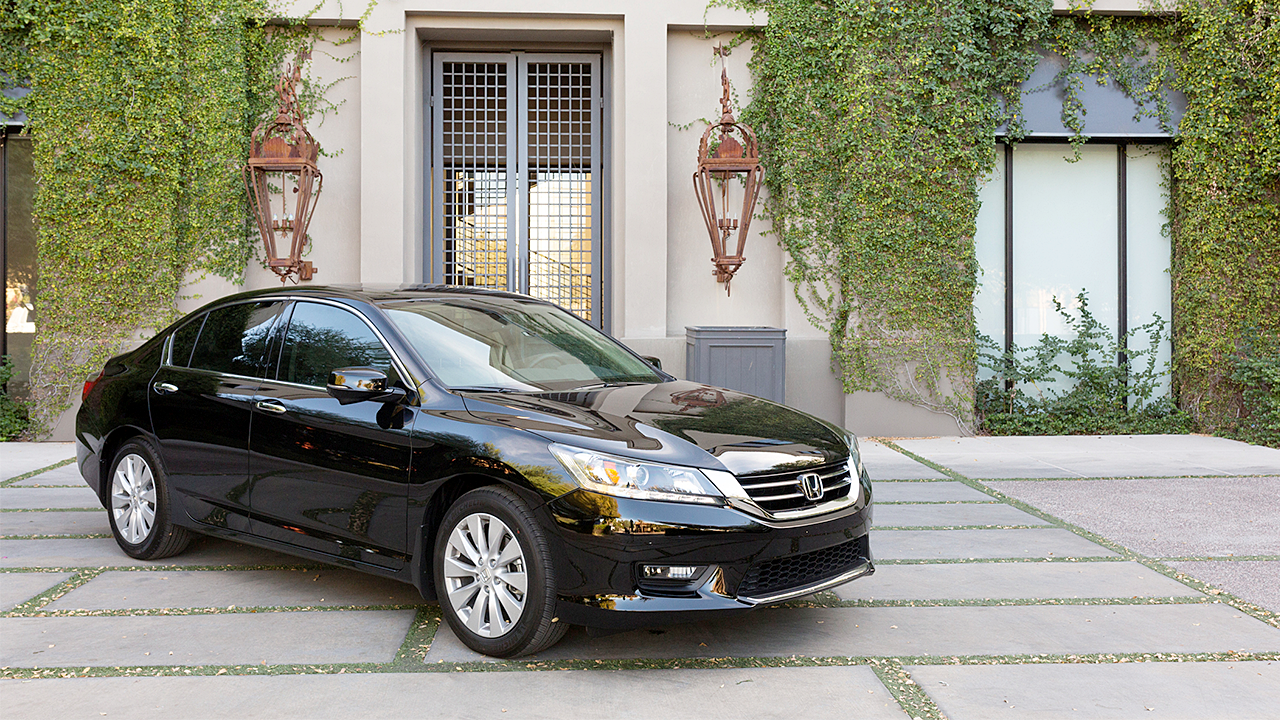
Honda is recalling 810,592 vehicles in the U.S. over concerns that certain Takata airbag inflators could rupture and send metal fragments into the cabin.
### Key Takeaways:
1. **Lingering Takata Legacy Continues to Weigh on Auto Sector:** Honda’s latest recall highlights the persistent financial and reputational burdens automakers face from the protracted Takata airbag defect, demonstrating that the crisis continues to unfold years after its initial eruption.
2. **Material Costs and Reputational Erosion for Honda:** While the immediate stock market impact might be contained, this significant recall (over 810,000 vehicles) entails substantial direct costs for parts replacement, labor, and logistics, alongside potential long-term damage to Honda’s brand equity and consumer trust.
3. **Heightened Regulatory Scrutiny and Industry-Wide Pressure:** The ongoing nature of Takata-related recalls, coupled with other recent large-scale safety issues across the automotive sector, underscores increased regulatory vigilance and reinforces the critical need for robust quality control and transparent risk management throughout the global supply chain.
Honda, a titan in the global automotive industry, finds itself once again navigating the tumultuous waters of a major product recall. The Japanese automaker is recalling more than 810,000 vehicles in the U.S. over a defect in Takata airbag inflators, a ghost from the past that continues to haunt the auto sector. This latest wave of recalls, stemming from inflators that could rupture and unleash dangerous metal fragments, serves as a stark reminder of the financial and reputational fragility inherent in complex manufacturing and global supply chains.
The recall affects 810,592 vehicles equipped with Takata front driver or passenger airbag inflators. According to the National Highway Traffic Safety Administration (NHTSA), the core issue lies in propellant degradation after long-term exposure to high absolute humidity and high temperature variation. This environmental factor is crucial, as it explains why certain geographic regions are disproportionately affected, amplifying the logistical complexities and targeted nature of the recall.
Specifically, the recall covers certain 2013 Acura RDX and ILX models, as well as 2012–2013 Honda CR-V and Civic vehicles, and 2013 Honda Accords. The geographic scope is narrow but critical, applying to vehicles originally sold or registered in Alabama, California, Florida, Georgia, Hawaii, Louisiana, Mississippi, South Carolina, Texas, Puerto Rico, the U.S. Virgin Islands, the Northern Mariana Islands, Guam, and American Samoa. These areas, characterized by their hot and humid climates, accelerate the degradation process, increasing the risk profile for vehicles operating within them.
HONDA RECALLS MORE THAN 635,000 VEHICLES OVER STEERING DEFECT THAT INCREASES CRASH RISK
The recall covers certain 2013 Acura RDX and ILX models, as well as 2012–2013 Honda CR-V and Civic vehicles and 2013 Honda Accords.(Getty Images / Getty Images)
The potential consequences are severe: “An inflator rupture may result in sharp metal fragments striking the driver or other occupants, resulting in serious injury or death,” the NHTSA warned in its recall notice. This grim assessment underscores not only the direct safety hazard but also the potential for significant legal liabilities and devastating blows to corporate reputation, which can ripple through a company’s market capitalization.
For its part, Honda has stated it is not aware of any reports of airbag inflator ruptures, injuries, or deaths directly linked to these newly recalled vehicles. While this offers some immediate relief and may temper investor anxiety in the short term, it does not diminish the underlying risk or the proactive responsibility the company must undertake. The absence of reported incidents to date underscores the preventative nature of this recall, a critical measure to uphold public safety and, by extension, shareholder value.
Honda is recalling more than 810,000 vehicles in the U.S. over a defect in Takata airbag inflators that could cause them to rupture.(Justin Sullivan/Getty Images / Getty Images)
The affected inflators in question contain a moisture-absorbing material, known as a desiccant, which was initially intended to mitigate the damage caused by humidity. However, long-term monitoring and extensive testing have revealed that even with this protective measure, some inflators can still deteriorate over time, particularly under the specific climatic conditions outlined. This evolution in understanding the defect highlights the complexity of automotive component longevity and the continuous need for rigorous, real-world stress testing that extends beyond initial product lifecycles.
To remedy the defect, Honda dealerships will replace the front driver or passenger airbag inflator at no cost to the vehicle owner. This standard practice for safety recalls is a direct cost to the manufacturer, encompassing parts, labor, and logistics. For a recall of this magnitude—over 800,000 vehicles—these costs can easily run into tens of millions of dollars, a non-trivial expenditure that directly impacts Honda’s profitability and capital allocation for the current and upcoming fiscal quarters.
MORE THAN 720K BMW VEHICLES RECALLED OVER FIRE THREAT, REGULATORS SAY
Dealers will replace the front driver or passenger airbag inflator at no cost to the vehicle owner.(Photo by Igor Golovniov/SOPA Images/LightRocket via Getty Images / Getty Images)
GET FOX BUSINESS ON THE GO BY CLICKING HERE
Interim notification letters, designed to alert owners about the safety risk, are expected to be mailed on December 18, followed by additional letters once the final remedy parts are readily available. This phased communication strategy is typical for large-scale recalls, but the delay between initial notification and final fix can sometimes exacerbate consumer frustration and perception of risk, potentially affecting near-term sales for the brand.
Owners can verify if their vehicles are affected by visiting recalls.honda.com or by contacting Honda customer service at 888-234-2138. The ease of access to this information is crucial for maintaining transparency and reassuring the consumer base, which in turn helps to mitigate the broader reputational fallout.
This Honda recall is not an isolated incident but rather another chapter in the much larger and prolonged safety crisis surrounding Takata airbag inflators. The bankruptcy of Takata, once a global leader in automotive safety components, serves as a stark historical precedent for the devastating financial consequences of catastrophic product failure. The fact that new recalls are still emerging years after Takata’s demise underscores the vast scale and intricate nature of the problem, with millions of vehicles worldwide still potentially harboring these dangerous components.
Indeed, Honda is not alone in this ongoing struggle. Toyota also recently announced a significant recall covering 790,000 vehicles worldwide, including 314,029 in the U.S. The U.S. recall encompasses a range of models from different years, including 2002–2010 Lexus SC430s, 2011 IS250s, 2017 GX460s, 2003–2008 Toyota Corollas, 2005–2006 Tundras, 2005–2007 Sequoias, and 2016–2017 4Runners. The breadth of affected vehicles and manufacturers demonstrates that this remains an industry-wide challenge, prompting increased vigilance from regulatory bodies and driving continuous reassessment of supply chain integrity across the automotive sector.
The automotive industry frequently grapples with recalls, as evidenced by recent actions from other major players like BMW, which recalled over 720,000 vehicles due to a fire threat. While each recall has its unique genesis, their cumulative effect can erode consumer confidence in new vehicle safety and contribute to a perception of systemic quality control issues. For investors, these events necessitate a deeper dive into a company’s risk management strategies, warranty provisions, and brand resilience in the face of adversity.
Market Impact:
The immediate market reaction to Honda’s latest recall (NYSE: HMC) is likely to be relatively subdued, as the market has largely priced in the ongoing, long-tail costs associated with the Takata airbag crisis. However, the sheer volume of vehicles affected and the severity of the potential defect represent a material operational and financial burden. The costs for parts, labor, and logistics will directly impact Honda’s short-to-medium term earnings, potentially trimming profitability margins. More critically, the consistent recurrence of Takata-related issues poses a lingering reputational risk, which could subtly erode brand loyalty and market share over time if not managed with exceptional transparency and efficiency. For the broader automotive sector, these persistent recalls, including those from other manufacturers like Toyota and BMW, reinforce a narrative of heightened regulatory scrutiny and the ever-present challenge of managing complex, global supply chains, potentially leading to increased compliance costs and a re-evaluation of component sourcing strategies across the industry.