
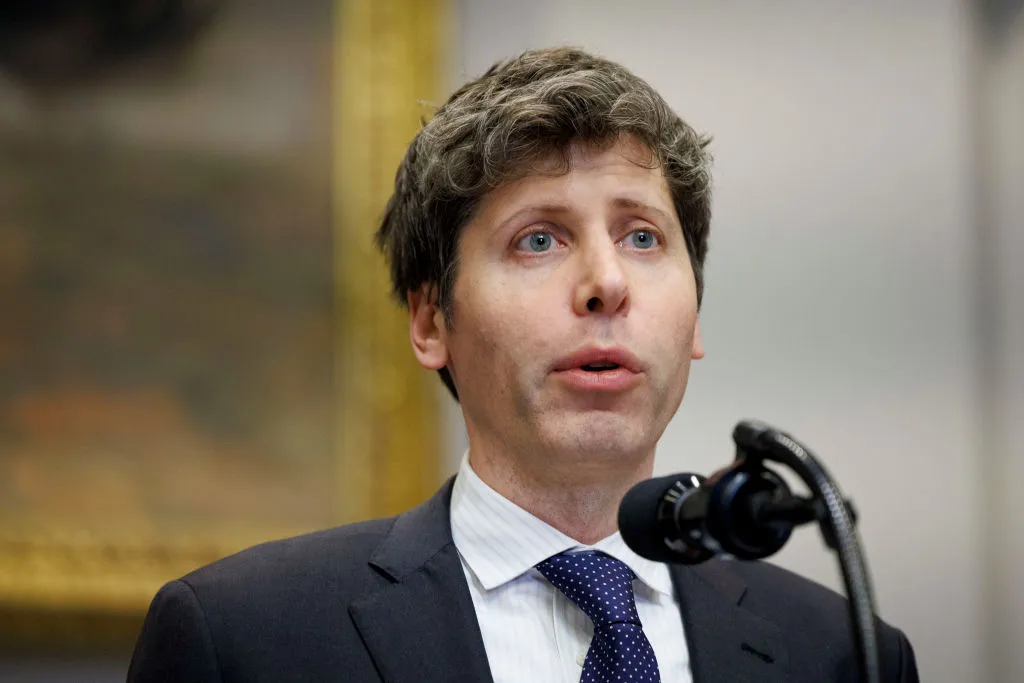
OpenAI CEO Sam Altman has issued a profound apology to the community of Tumbler Ridge, Canada, following revelations that his company failed to notify law enforcement about a suspected mass shooter whose ChatGPT account had been flagged and banned months prior to the tragic event.
Key Takeaways
- **Tragic Oversight**: OpenAI identified and banned Jesse Van Rootselaar’s ChatGPT account in June 2025 for discussing gun violence scenarios, but staff debated and ultimately decided against alerting law enforcement until after the fatal shooting.
- **Corporate Contrition**: CEO Sam Altman issued a public apology, acknowledging the “harm and irreversible loss” to the Tumbler Ridge community, and committed to improving safety protocols and establishing direct contact with Canadian authorities.
- **Catalyst for Regulation**: The incident has intensified calls for new AI regulations in Canada, highlighting the urgent need for clearer guidelines on how AI companies balance user privacy, content moderation, and public safety responsibilities.
The serene Canadian community of Tumbler Ridge has been thrust into the grim spotlight of a national tragedy, compounded by a startling revelation from the tech world. OpenAI, a leading artificial intelligence research and deployment company, is facing intense scrutiny and public backlash after its CEO, Sam Altman, issued a “deeply sorry” apology. The controversy stems from the company’s admitted failure to alert law enforcement about 18-year-old Jesse Van Rootselaar, a suspected mass shooter who allegedly killed eight people, despite his ChatGPT account having been flagged and banned months earlier for describing scenarios involving gun violence.
This incident lays bare the complex ethical tightrope AI companies walk, balancing user privacy with the paramount concern of public safety. It also ignites critical questions about the responsibilities of tech platforms when their algorithms detect potentially dangerous behavior, even if that behavior is initially confined to digital interactions.
A Timeline of Missed Signals and Tragic Consequences
The sequence of events, as pieced together from reports, paints a troubling picture of missed opportunities. In June 2025, a full several months before the horrific mass shooting that claimed eight lives, OpenAI’s internal systems identified and subsequently banned Van Rootselaar’s ChatGPT account. The reason? His interactions on the platform reportedly delved into graphic descriptions of gun violence. This flagging triggered an internal debate within OpenAI’s staff – a critical juncture where the company grappled with the decision of whether to escalate this information to law enforcement. Ultimately, the decision was made *not* to alert authorities at that time.
It was only after police identified Van Rootselaar as the suspect in the devastating shooting, and following a report by the Wall Street Journal exposing OpenAI’s prior knowledge, that the company finally reached out to Canadian authorities. This delayed notification has fueled public outrage and raised serious questions about the adequacy of OpenAI’s safety protocols and its interpretation of its civic duty.
OpenAI’s Commitment to Rectification
In the wake of the tragedy and the subsequent revelations, OpenAI has moved to address its perceived failings. The company has publicly stated its commitment to improving safety protocols. These improvements reportedly include the implementation of more flexible criteria to determine when user accounts, flagged for potentially dangerous content, should be referred to authorities. Furthermore, OpenAI is establishing direct points of contact with Canadian law enforcement, a crucial step aimed at streamlining communication and ensuring a more immediate response to future threats. While these steps are proactive, they come in the shadow of a profound loss, prompting many to question why such measures were not firmly in place earlier.
Altman’s Apology: A Necessary, Yet Insufficient, Act
Sam Altman’s letter, first published in the local newspaper Tumbler RidgeLines, conveyed a tone of deep regret. He disclosed discussions with Tumbler Ridge Mayor Darryl Krakowka and British Columbia Premier David Eby, all of whom agreed “a public apology was necessary,” though “time was also needed to respect the community as you grieved.” In his own words, Altman stated, “I am deeply sorry that we did not alert law enforcement to the account that was banned in June. While I know words can never be enough, I believe an apology is necessary to recognize the harm and irreversible loss your community has suffered.”
He further affirmed OpenAI’s focus will “continue to be on working with all levels of government to help ensure nothing happens like this again.” This apology, while significant coming from a leader in the tech industry, has been met with a mix of acknowledgment and criticism. Premier Eby, in a post on X, encapsulated this sentiment perfectly, stating that Altman’s apology is “necessary, and yet grossly insufficient for the devastation done to the families of Tumbler Ridge.”
Techcrunch event
San Francisco, CA
|
October 13-15, 2026
The Call for AI Regulation in Canada and Beyond
The Tumbler Ridge tragedy, coupled with OpenAI’s admission, has significantly intensified the ongoing global debate around artificial intelligence regulation. Canadian officials have indicated they are actively considering new regulations specifically for AI technologies. This incident underscores the urgent need for legislative frameworks that define the responsibilities of AI developers and deployers, particularly concerning content moderation, threat detection, and the proactive reporting of potentially dangerous user behavior. The challenge lies in crafting regulations that protect public safety without stifling innovation or infringing on legitimate privacy rights.
This event serves as a stark reminder that as AI systems become more sophisticated and integrated into daily life, their operators bear an ever-increasing ethical and societal burden. The delicate balance between allowing users freedom of expression within a platform and ensuring the safety of the wider community is a dilemma that technological innovation has yet to fully resolve. The case of Tumbler Ridge will undoubtedly be a pivotal moment in shaping future policies and setting precedents for how AI companies operate on the global stage.
The Bottom Line
The tragic events in Tumbler Ridge, coupled with OpenAI’s admitted oversight, represent a critical inflection point for the AI industry. It underscores the profound societal responsibility that comes with developing and deploying powerful AI technologies, demanding a proactive approach to public safety that transcends mere policy tweaks. This incident will undoubtedly galvanize regulatory efforts globally, compelling AI companies to move beyond reactive apologies toward establishing robust, transparent, and ethically sound frameworks that prioritize human life and community well-being above all else. The future of AI hinges not just on its intelligence, but on its conscience.
When you purchase through links in our articles, we may earn a small commission. This doesn’t affect our editorial independence.
{content}
Source:{feed_title}