
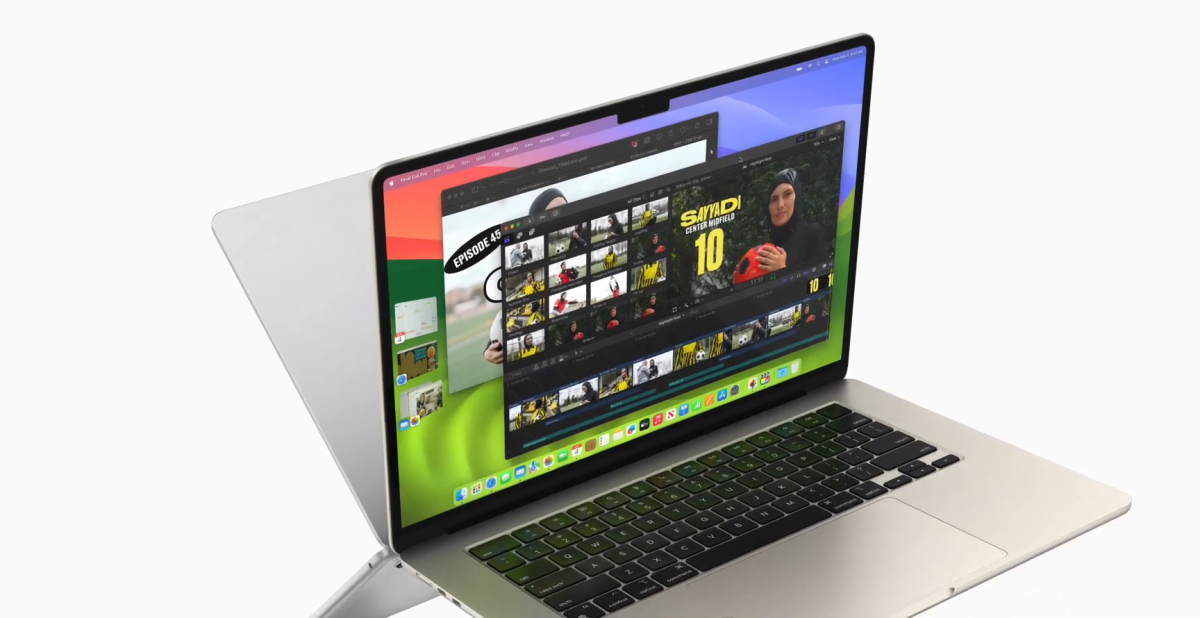
The global memory chip shortage is affecting the availability of Apple’s most popular Mac, according to Bloomberg’s Mark Gurman.
Key Takeaways
- **MacBook Air Hit Hard:** Apple’s highly popular MacBook Air is now facing significant supply constraints, with delivery estimates stretching into August and September, indicating a deepening impact of the global memory chip shortage.
- **AI Demand Fuels Shortage:** The primary driver behind the current chip scarcity is the insatiable demand from AI companies, which require vast quantities of high-performance memory, diverting supply from other sectors like consumer electronics.
- **Apple’s Strategic Adjustments:** In response, Apple is reportedly raising prices, diversifying its memory suppliers (including Chinese firms), and has subtly shifted its back-to-school marketing focus towards the MacBook Pro, explicitly warning of MacBook Air availability issues.
For months, whispers of a burgeoning memory chip shortage have echoed through the tech industry, primarily impacting niche, high-performance computing sectors. Now, the ripple effect has reached the mainstream, with Apple’s best-selling MacBook Air — a perennial favorite among students and everyday users — grappling with unprecedented supply constraints. This development, first reported by Bloomberg’s reliable Apple correspondent Mark Gurman, signals a significant escalation in the global semiconductor crisis, driven largely by the surging demands of artificial intelligence (AI).
Initially, the shortage’s grip was felt on Apple’s more specialized machines, such as the Mac mini and the powerful Mac Studio, which cater to professional and enthusiast markets. These computers, by their very nature, require cutting-edge components and often have longer lead times. However, the extension of these supply woes to the ubiquitous MacBook Air underscores the severity of the situation. Retailers are reportedly finding it increasingly difficult to keep the svelte laptop in stock, with supply lines appearing more strained than ever before.
The Shortage Deepens: AI’s Insatiable Appetite
The global memory chip shortage isn’t a new phenomenon, but its current iteration is uniquely shaped by the meteoric rise of generative AI. Large Language Models (LLMs) and other AI applications require immense processing power and, crucially, vast amounts of high-bandwidth memory (HBM) and high-density DRAM (Dynamic Random-Access Memory) to train and operate effectively. These specialized memory chips are critical for rapidly feeding data to AI accelerators and GPUs, which are the backbone of modern AI infrastructure.
Companies at the forefront of AI development, from tech giants to innovative startups, are aggressively procuring these chips, creating a supply-demand imbalance that trickles down to other industries. While memory manufacturers are ramping up production, the lead times for building new fabs and increasing output are substantial, often taking years. This creates a bottleneck where existing production capacity is prioritized for the most lucrative and demanding segments – currently, AI.
The MacBook Air, like most modern computers, relies heavily on standard DRAM and NAND flash memory for its operation and storage. As AI companies snap up the most advanced memory, it creates a cascading effect, tightening the supply of even more conventional memory components needed for consumer electronics. This competition for silicon resources is making it challenging for companies like Apple to secure sufficient quantities for their high-volume products.
MacBook Air in the Crosshairs: A Beloved Device Undermined
The impact on the MacBook Air is stark and immediate. Prospective buyers visiting Apple’s official website will find themselves facing extended wait times. For standard configurations, delivery dates are now pushed into the “back half of August.” For more specific or customized setups, the wait can be even longer, stretching into September. This is highly unusual for a mass-market product from Apple, especially outside of a brand-new product launch cycle.
The MacBook Air has long been a cornerstone of Apple’s laptop lineup, celebrated for its portability, performance, and accessibility. It’s often the go-to choice for students heading back to school, making the timing of this shortage particularly problematic for Apple’s sales calendar. The back-to-school season is a critical period for Mac sales, and constrained availability of its most popular model could significantly impact revenue during this peak demand window.
Apple’s Strategic Pivot: Navigating a Challenging Landscape
In response to these escalating challenges, Apple is reportedly employing a multi-pronged strategy to mitigate the impact. Gurman indicates that the company is “working to address the issue by raising prices and sourcing memory from Chinese suppliers.” Price adjustments, while unpopular with consumers, are a common industry response to increased component costs and supply scarcity. It allows Apple to maintain its profit margins in a more expensive procurement environment.
Diversifying the supply chain, particularly by integrating more Chinese suppliers, is a strategic move aimed at reducing reliance on a limited number of vendors and potentially securing more competitive pricing or greater volumes. This shift, however, can come with its own complexities, including quality control, logistics, and potential geopolitical considerations.
Perhaps one of the most telling signs of Apple’s predicament is its tactical adjustment in marketing. The company notably delayed its latest back-to-school promotion, which typically kicks off in June. When the promotion finally launched, its focus had perceptibly shifted. For the first time, marketing materials appear to center more on the base model of the MacBook Pro, subtly guiding consumers towards an alternative that presumably has better stock levels.
Furthermore, a stark warning has been included in the promotional material: “MacBook Air subject to availability.” This seemingly innocuous disclaimer is a candid admission of the supply struggle, a rare public acknowledgment from a company known for its meticulous control over product narratives and customer expectations. It advises potential buyers to manage their expectations and perhaps consider other options.
Broader Implications and Future Outlook
The memory chip shortage affecting the MacBook Air is a microcosm of a larger industry trend. Beyond Apple, numerous other electronics manufacturers are likely facing similar, if not more severe, challenges in securing critical components. This could lead to increased prices across the board for various devices, delays in product launches, and reduced availability of popular gadgets.
For consumers, this means higher prices and longer waits for desirable tech products could become the norm for the foreseeable future. The competitive landscape for memory chips is intensifying, driven by the structural demand shifts brought about by AI. While chipmakers are investing heavily in expanding capacity, these investments take time to materialize into increased output. Industry analysts suggest that while some relief might be seen in specific memory segments by late 2024 or early 2025, the overall tight supply situation, particularly for high-end memory, could persist for several years as AI continues its explosive growth.
Apple’s ability to navigate this challenging environment will be a test of its legendary supply chain prowess. While the company has historically excelled at securing components even during global crises, the sheer scale and specialized nature of the current AI-driven demand present a unique hurdle. The adjustments Apple is making — from pricing to sourcing and marketing — demonstrate its agility, but also highlight the profound impact this shortage is having even on the most resilient of tech giants.
{content}
Bottom Line
The memory chip shortage, exacerbated by the AI boom, has now squarely hit Apple’s flagship MacBook Air, signaling a deepening crisis for consumer electronics. As Apple raises prices, diversifies suppliers, and subtly shifts its marketing focus, consumers face longer waits and potentially higher costs. This situation underscores the profound impact of AI’s voracious appetite for advanced semiconductors, reshaping supply chains and consumer expectations across the entire tech industry for the foreseeable future.
Source:{feed_title}