
Key Takeaways:
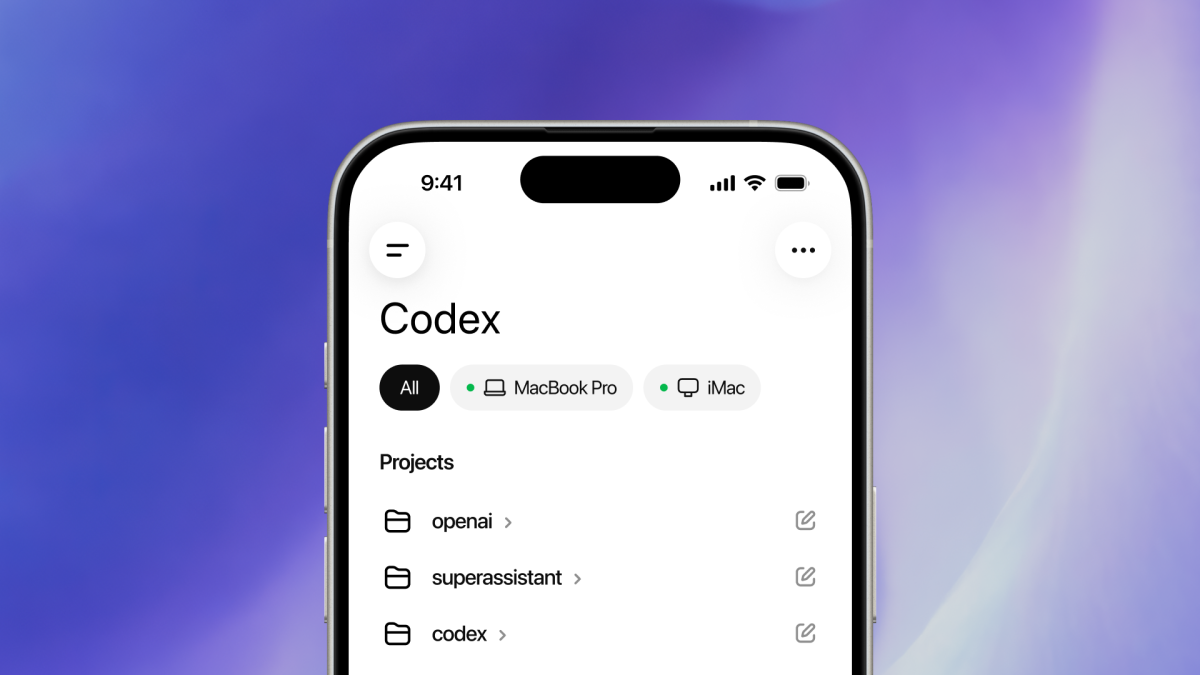
- OpenAI’s Codex, its powerful AI coding assistant, is now integrated into the ChatGPT mobile app, enabling developers to monitor and manage their development workflows from anywhere.
- This move follows recent updates like background execution for desktop and a Chrome extension, solidifying Codex’s evolution into a more autonomous, “agentic” development tool.
- The mobile rollout intensifies the competitive landscape for AI-powered coding agents, directly challenging similar offerings like Anthropic’s Claude Code and pushing the boundaries of remote development.
OpenAI Unleashes Codex on Mobile: Your Dev Workflow Just Got Remote-Ready
The rapidly evolving landscape of AI-powered development tools just took a significant leap forward. OpenAI has announced a major enhancement to its acclaimed coding assistant, Codex, by integrating it directly into the ChatGPT mobile app. This pivotal update empowers developers with unprecedented remote control over their coding environments, transforming how they interact with their AI pair programmer on the go.
Approximately a year after its initial launch, Codex is breaking free from desktop constraints. The integration allows users to seamlessly monitor and manage their development workflows directly from their iOS or Android devices. OpenAI confirmed the update, currently in preview, is now rolling out to all plans, marking a strategic shift towards ubiquitous, always-on development support.
Beyond Basic Control: What Mobile Codex Offers
This isn’t merely about triggering a single command from your phone. OpenAI emphasizes a comprehensive suite of capabilities, stating, “This is more than the ability to remotely control a single task or dispatch new tasks to your computer. From your phone, you can work across all of your threads, review outputs, approve commands, change models, or start something new.”
The new function grants users real-time visibility into their Codex live environments across any device where it’s running. Imagine being able to check the progress of a complex build, review generated code snippets, or approve a critical deployment command while away from your primary workstation. This level of granular control promises to significantly enhance developer flexibility and responsiveness, turning idle moments into productive ones.
The Agentic Ascent: Codex’s Evolution Towards Autonomy
The mobile integration of Codex is the latest in a series of strategic updates that highlight OpenAI’s vision for increasingly autonomous, “agentic” AI development tools. Just last month, OpenAI gave Codex the ability to run in the background in desktop environments. This enhancement allowed the tool to autonomously handle various tasks, from resolving dependencies to running tests, without requiring constant user input. It represented a significant step towards a more proactive and self-sufficient AI assistant.
Earlier this month, the company further extended Codex’s reach with the introduction of a Chrome extension. This allowed the agent to operate within live browser sessions, interacting directly with web-based development tools, documentation, or even live applications. These preceding updates laid the groundwork for the current mobile push, creating a powerful ecosystem where Codex can seamlessly operate across different interfaces and levels of autonomy.
The Competitive Arena: OpenAI vs. Anthropic in the Agentic Race
This flurry of feature releases from OpenAI arrives amidst a tense and rapidly escalating competition in the AI agent space. Its primary rival, Anthropic, also introduced a similar feature called “Remote Control” in February, allowing users to remotely monitor Claude Code’s work. Anthropic’s Claude Code has gained considerable traction among businesses and tech professionals, establishing itself as a formidable contender in the market for AI-powered coding tools.
The race between OpenAI and Anthropic to deliver the most effective and widely adopted agentic coding tool is more intense than ever. Both companies are vying for developer mindshare and ecosystem lock-in, understanding that the future of software development will heavily rely on these intelligent assistants. While both tools continue to be widely used and appreciated for their distinct strengths, the ability to offer seamless remote management is quickly becoming a non-negotiable feature for top-tier AI coding agents.
Implications for Developers and the Future of Coding
The mobile accessibility of Codex heralds a new era for developer productivity and flexibility. For the modern developer, often juggling multiple projects and working across various locations, the ability to maintain oversight and control from a smartphone is invaluable. Imagine receiving an alert about a failing test suite and being able to quickly review the logs and approve a fix suggested by Codex, all while commuting or taking a coffee break. This capability could significantly reduce downtime and accelerate development cycles.
Furthermore, this move underscores the broader trend towards “AI-native” development environments, where AI is not just a helper but an integral, orchestrating component. As these tools become more autonomous and interconnected, they promise to abstract away more boilerplate code and repetitive tasks, allowing human developers to focus on higher-level problem-solving and innovation. However, it also raises important considerations regarding security, data privacy, and the ethical implications of granting AI agents extensive access and control over critical development infrastructure. Ensuring robust security protocols and clear user oversight will be paramount as these systems become more deeply embedded in our workflows.
Bottom Line
OpenAI’s integration of Codex into the ChatGPT mobile app is a strategic move that not only enhances the utility of its powerful coding AI but also intensifies the competition in the burgeoning market for agentic development tools. By empowering developers with remote oversight and control, OpenAI is solidifying Codex’s position as a truly ubiquitous and indispensable partner, pushing the industry closer to a future where AI-driven coding is seamless, flexible, and accessible from anywhere.
{content}
Source:{feed_title}