
Key Takeaways
- The Human Connection Backlash:OpenAI CEO Sam Altman’s suggestion of an AI-generated family podcast for morning commutes triggered widespread public pushback, highlighting a societal preference for genuine human interaction over AI-mediated convenience.
- A Viral Disconnect:A simple, rhetorical question – “What if you just talked to your children?” – resonated far more broadly than Altman’s original tech-forward proposal, signaling public skepticism towards AI replacing fundamental family moments.
- Trust Under Scrutiny:Despite OpenAI’s strategic moves to engage parents and families, the company faces significant legal challenges and ethical questions regarding AI’s potential harm, raising concerns about its ability to build “trust-sensitive consumer experiences.”
When AI Meets Parenthood: A Collision of Convenience and Connection
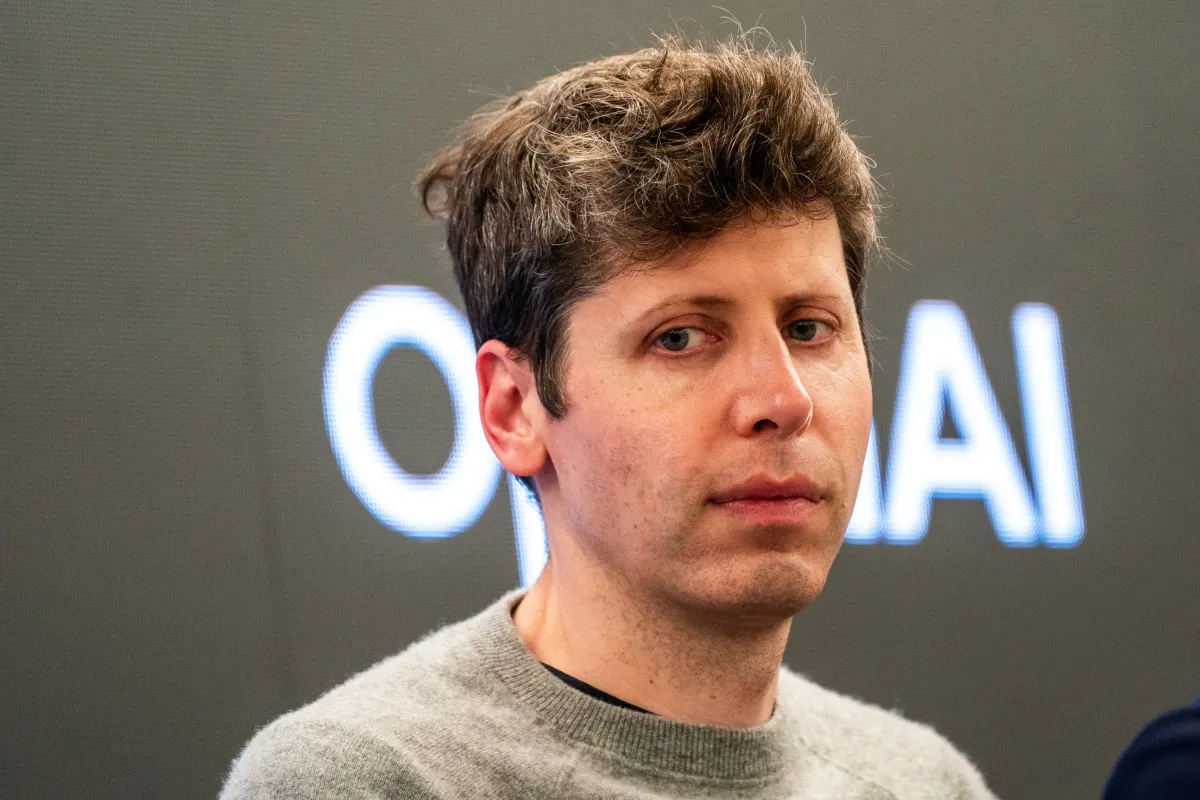
OpenAI CEO Sam Altman ignited a lively debate last Friday with a seemingly innocuous, if ambitious, suggestion. Taking to social media, Altman enthusiastically unveiled what he termed a “cool use case” for ChatGPT Work: a personalized, AI-generated podcast for parents to play during the morning school run. The vision was clear – connect family calendars, input children’s interests, and let the AI craft a daily audio experience discussing everything from an upcoming soccer game to a birthday celebration, alongside general news.
The idea, intended perhaps as an example of AI’s capacity for hyper-personalization and efficiency, instead struck a nerve. The immediate and overwhelming public reaction, particularly a concise counter-response, quickly overshadowed Altman’s initial excitement. The tech visionary’s post, while garnering around 300 reposts and 9,600 likes by Saturday morning, was soon eclipsed by a simple, yet profoundly resonant, question from Alex Hirsch, creator of the beloved animated series “Gravity Falls”: “What if you just talked to your children” ?
Hirsch’s poignant inquiry resonated deeply with a public increasingly wary of technology’s creeping influence into the most intimate aspects of life. His response went viral, accumulating over 9,000 reposts and a staggering 122,000 likes – a clear indicator of a widespread sentiment that perhaps some human experiences are best left untouched by algorithms, no matter how convenient the AI promises to be.
The Echo Chamber of Efficiency: Tech’s Recurring Narrative
This isn’t an isolated incident, nor is it the first time a prominent tech CEO has positioned artificial intelligence as a shield against the “messy realities” of human experience, particularly concerning daily routines like the morning commute. Last year, Microsoft CEO Satya Nadella shared a similar anecdote, revealing he had replaced his favorite podcasts with an AI chatbot that summarized their content for him during his drive. Both instances, from Nadella’s digital summaries to Altman’s personalized podcasts, reflect a recurring pattern within the tech industry: an implicit assumption that efficiency, personalization, and the outsourcing of cognitive or communicative tasks to AI represent an unequivocal upgrade to human life.
This perspective often overlooks, or perhaps undervalues, the subtle, often unstructured, benefits of traditional human interaction. The quiet moments in a car, the impromptu conversations that spark connection, or the shared experience of listening to a human-curated podcast are not merely about information delivery. They are opportunities for bonding, for shared discovery, and for the development of social and emotional intelligence – aspects that an AI, however sophisticated, struggles to replicate or enhance.
Altman himself has previously voiced similar sentiments regarding parenting. On “The Tonight Show with Jimmy Fallon,” he once declared, “I cannot imagine having gone through figuring out how to raise a newborn without ChatGPT.” While he quickly added the caveat, “Clearly, people did it for a long time, no problem,” the underlying message reinforced a belief in AI’s indispensable role even in the most fundamental human endeavors. This consistent narrative from tech leaders suggests a pervasive worldview where AI isn’t just an assistant but a potential primary mediator for life’s complexities.
OpenAI’s Parental Paradox: Trust, Ambition, and Allegations
Behind these public pronouncements lies a clear strategic push by OpenAI to integrate its technology into the fabric of family life. The company recently posted a job listing for a “product manager with experience building trust-sensitive consumer experiences for parents and families.” This role underscores a recognition that the family unit represents a significant, yet highly sensitive, market for AI adoption. Building “trust” with this demographic is paramount, especially when dealing with the well-being and development of children.
However, this strategic ambition is complicated by a stark and deeply troubling reality: OpenAI faces multiple lawsuits from parents and families. These lawsuits allege that ChatGPT played a direct role in loved ones’ delusions and, tragically, suicides. The company has acknowledged the seriousness of these claims, stating it is “continuously improving how our models respond in sensitive interactions.” Yet, the juxtaposition of seeking to build “trust-sensitive” family products while simultaneously defending against claims of severe harm creates a profound paradox.
The challenge for OpenAI extends beyond mere technical improvements. It delves into the ethical implications of deploying powerful AI models into highly vulnerable and emotionally charged environments. How can a company genuinely foster trust with parents when facing accusations that its product contributed to such devastating outcomes? The path to widespread family adoption, particularly for applications that mediate personal relationships or sensitive information, will undoubtedly require more than just innovative features; it demands robust safeguards, transparent accountability, and a profound understanding of the human element that AI often seeks to optimize away.
The Bottom Line
Sam Altman’s “cool use case” for a family AI podcast, far from being universally embraced, became a flashpoint for a deeper societal debate: the tension between technological convenience and the irreplaceable value of human connection. The overwhelmingly viral response to Alex Hirsch’s simple question, “What if you just talked to your children?”, underscores a public skepticism towards AI replacing fundamental, messy, and often imperfect, human interactions. As AI companies like OpenAI strategically target families, they face not only the challenge of technological innovation but also the more formidable task of earning genuine trust, especially amidst ongoing lawsuits alleging severe harm. The future of AI in our homes and families will hinge not just on what the technology can do, but on what we, as humans, believe it *should* do, and where we draw the line between helpful augmentation and unwelcome intrusion.
Source:{feed_title}