
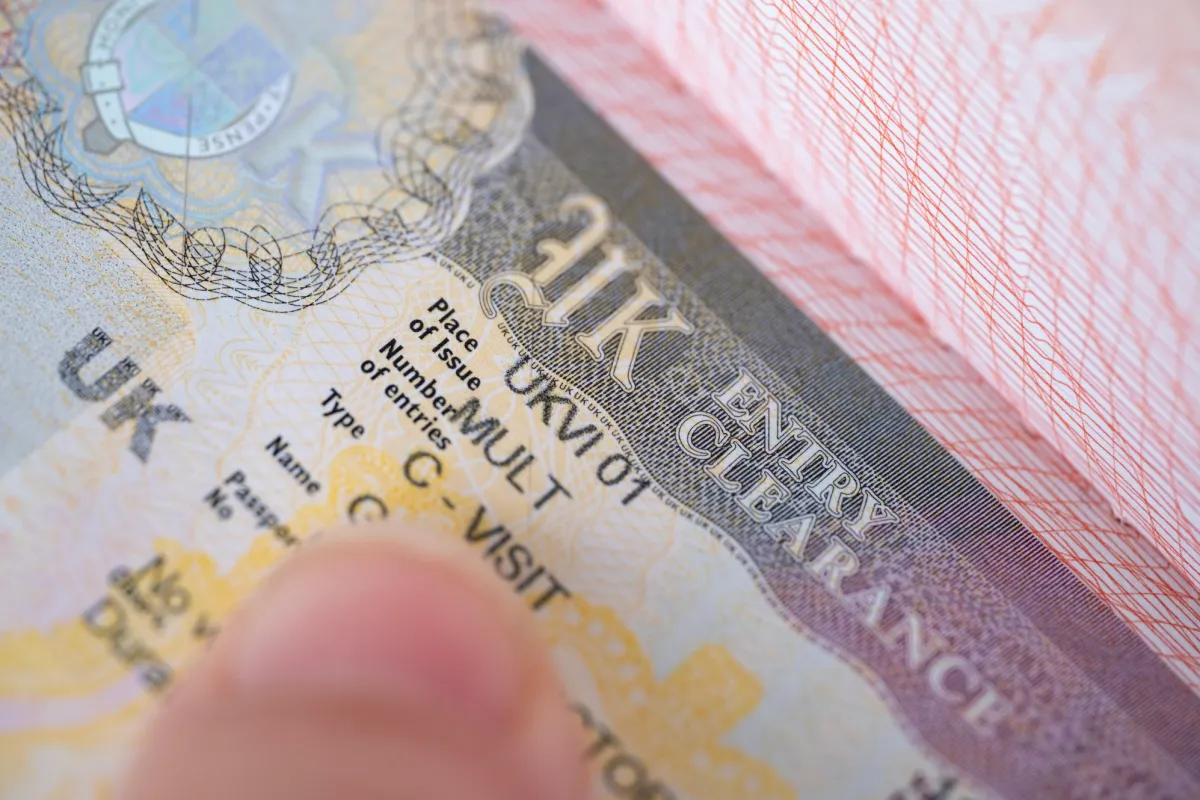
A critical security lapse has left the highly sensitive personal data of potentially over 100,000 individuals exposed online. TechCrunch has uncovered that UK Visa Portal, a private website unaffiliated with the U.K. government, is publicly exposing the passports and selfie photos of applicants who signed up and paid the site to obtain a U.K. immigration visa.
Key Takeaways
- Massive Data Exposure:UK Visa Portal, a third-party service, has left over 100,000 passport scans and biometric selfie photos of UK visa applicants publicly accessible, posing severe security risks.
- Grave Identity Theft Risks:The exposed personal data, including full passport details and biometric images, makes victims highly vulnerable to identity theft, financial fraud, phishing scams, and other malicious activities.
- Prioritize Official Channels:Prospective UK visa applicants are strongly advised to use the official GOV.UK website directly for applications, avoiding unofficial third-party intermediaries that often charge unnecessary fees and compromise data security.
The alarming discovery came to light when an anonymous source notified TechCrunch about the gaping security flaw. The whistleblower indicated that the website has exposed at least 100,000 documents, a trove of incredibly sensitive personal information uploaded by individuals as part of their visa application process, including full passport scans and accompanying selfie photos.
Crucially, the website in question, UK Visa Portal, is emphatically not affiliated with the U.K. government. This distinction is vital, as many individuals have reportedly complained about mistakenly paying a fee to this private company, under the impression they were dealing with an official entity, rather than using the official GOV.UK website, which is the legitimate portal for visa applications.
TechCrunch conducted a thorough investigation to confirm the data leak. Our team verified that UK Visa Portal was indeed the source of the exposed data. To ensure the authenticity and severity of the breach, TechCrunch went a step further, contacting affected individuals directly to confirm if their information, found within the exposed dataset, was accurate. The confirmations received underscored the gravity and authenticity of the security lapse.
The nature of the exposed data is particularly concerning. Passport scans typically include an individual’s full name, date of birth, nationality, place of birth, passport number, issue and expiry dates, and a high-resolution photograph. Combined with selfie photos often used for biometric verification, this dataset provides malicious actors with comprehensive information to commit sophisticated identity theft, create fraudulent documents, or engage in targeted phishing and social engineering attacks. The implications for victims range from financial fraud and credit card applications in their name to potential travel complications or even blackmail.
In line with responsible disclosure practices, TechCrunch attempted to alert UK Visa Portal to the ongoing security vulnerability. We quickly discovered that the website lacks any discernible way to report security issues, a fundamental oversight for any service handling sensitive user data. Furthermore, the website provides no names or contact information for the company’s management or security team.
Despite these hurdles, TechCrunch sent an email to the general contact address listed on UK Visa Portal’s website. The communication aimed to alert the company to its persistent security lapse and to request contact with a member of management who could accept specific details to resolve the issue. Given the extreme sensitivity of the exposed data – which includes government-issued identification and biometric images – TechCrunch explicitly explained that it could not share precise specifics of the vulnerability with a general customer support inbox, as there was no guarantee that the exposed data would not be misused or fall into the wrong hands.
Instead of direct contact with management, TechCrunch received a response from the company’s purported attorneys and public relations firm. TechCrunch reiterated its stance, explaining once more that due to the highly sensitive nature of the exposed files and the potential for severe harm, details could only be shared directly and securely with the company’s management or a designated security lead. We again requested to be put in direct contact with the responsible parties.
As of the time of this publication, TechCrunch has not received any further communication from UK Visa Portal’s management. Alarmingly, the security lapse remains unfixed and the sensitive data continues to be exposed. This lack of response and inaction highlights a concerning disregard for user data privacy and security, especially given the scale and sensitivity of the breach.
While the security issue is ongoing, TechCrunch believes it is unequivocally in the public interest that individuals who have used, or are considering using, the company’s services are made aware of this critical vulnerability. To minimize any further risk to the affected individuals and their information, TechCrunch is deliberately not publishing precise technical details of the vulnerability.
It is imperative for anyone considering applying for a U.K. electronic travel authorization or any other U.K. immigration visa to understand that it is generally not necessary to use a third-party service, unless one is specifically retaining the services of a qualified immigration attorney. For the vast majority of applicants, the most secure and direct route is to apply through the U.K. government’s official website, GOV.UK. Using official channels not only safeguards personal data but also ensures that applicants are not paying unnecessary fees to intermediaries for services that can be accessed directly from the government.
Bottom Line
The ongoing exposure of over 100,000 passports and selfies by UK Visa Portal represents a severe data breach with profound implications for identity theft and personal security. This incident serves as a stark warning about the dangers of using unofficial third-party websites for sensitive government processes. Individuals who have used UK Visa Portal should remain vigilant for signs of identity fraud, while all future applicants for UK visas must prioritize the use of the official GOV.UK website to protect their personal information and ensure a secure application process.
When you purchase through links in our articles, we may earn a small commission. This doesn’t affect our editorial independence.
{content}
Source:{feed_title}