
Key Takeaways:
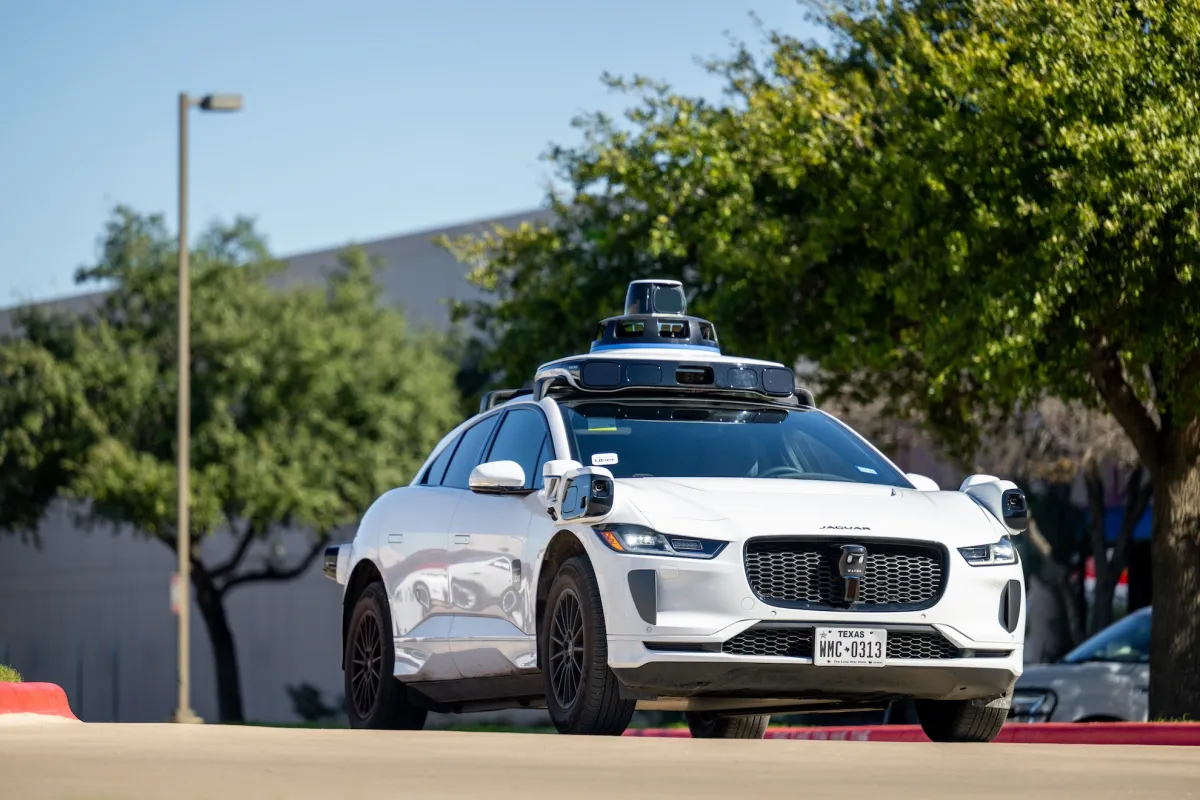
- Waymo Dominates Texas AV Market:Alphabet’s Waymo has registered 577 autonomous vehicles in Texas, establishing a significant early lead in the state’s burgeoning robotaxi sector.
- New Transparency for Public and Industry:A groundbreaking Texas DMV website, mandated by new state law, offers the first comprehensive public data on AV fleet sizes and operational presence.
- Dynamic, Nuanced Competition:While Waymo leads in passenger AVs, the overall Texas AV landscape is diverse, encompassing various commercial strategies, significant emerging players like Avride, and a robust self-driving trucking sector, indicating an evolving and complex competitive race.
A new era of transparency has dawned for the autonomous vehicle industry in Texas, revealing a clear leader in the race for self-driving supremacy. Data from a recently launched website by the Texas Department of Motor Vehicles shows Alphabet-owned Waymo has nearly 600 autonomous vehicles registered in the Lone Star State, a figure that dramatically outpaces emerging competitors such as Avride, Nuro, Tesla, and Zoox.
This automated vehicle tracker tool, a direct result of a new state law effective May 28, mandates that AV companies register their fleets and share crucial safety information. For the first time, the public has easy, accurate access to an accounting of how many autonomous vehicles are operating or being tested across Texas, offering invaluable insight into the industry’s footprint.
Waymo’s Early and Decisive Lead
The numbers paint a compelling picture of Waymo’s aggressive expansion and operational scale. With 577 autonomous vehicles registered, Waymo’s fleet is substantially larger than any other player in the passenger AV space. This significant lead not only underscores its commitment to the Texas market but also highlights the sheer volume of data it’s likely collecting and the operational experience it’s gaining across its expanding commercial service areas.
Waymo initially launched its commercial service in Austin in March 2025 and has rapidly expanded its reach to Dallas, Houston, and San Antonio. This widespread presence, backed by a robust fleet, positions Waymo as the de facto frontrunner in establishing a scalable robotaxi network in one of the nation’s largest and most economically dynamic states. The company’s strategy seems to be one of overwhelming market presence, building a foundation that will be challenging for rivals to match in the short term.
The Competitive Landscape: A Study in Contrasts
While Waymo’s numbers are impressive, the data also provides a fascinating look at the diverse strategies and varying levels of deployment among other autonomous vehicle companies.
Following Waymo is Avride, registering 317 vehicles. Avride, while having a substantial fleet, has maintained a relatively lower public profile compared to some of its more high-profile competitors, suggesting a different approach to market entry or a focus on specific operational niches within the state. Their significant registration numbers, however, indicate they are a force to be reckoned with.
The contrast becomes particularly stark when comparing Waymo to Tesla, another company offering commercial robotaxi services. Tesla, which launched its robotaxi service in Austin last summer and has since announced expansion to Dallas and Houston, has registered only 42 autonomous vehicles. This significant disparity raises questions about the scope and nature of Tesla’s “robotaxi” operations, especially given its reliance on its Full Self-Driving (FSD) beta software and a different operational model that often involves human safety drivers or supervision.
Other notable players include Nuro, focused on autonomous last-mile delivery vehicles, with 47 registered units. Nuro’s specialized approach to goods transport distinguishes it from passenger-focused robotaxi services. Volkswagen subsidiary MOIA has a fleet of 12 electric, autonomous microbuses, targeting a niche in shared, on-demand transport. Zoox, another Amazon-owned company, is also registered, though its specific vehicle count isn’t highlighted in the initial summary, indicating a smaller or more nascent testing presence in the state.
Beyond the Numbers: Nuances and Challenges
It’s crucial to acknowledge that fleet size alone doesn’t provide the complete picture of a company’s standing or operational maturity. Many of these companies, such as Nuro and Zoox, are not yet operating commercially in the same widespread manner as Waymo. Furthermore, the registration numbers don’t necessarily track how many vehicles are actively being deployed on a daily basis. Operational pauses, like Waymo’s recent temporary suspension in some Texas cities due to vehicle performance issues around floods, can temporarily affect active deployment without altering registered fleet figures.
However, the DMV tracker is poised to become an invaluable resource for stakeholders. Over time, it will offer a longitudinal measure of growth and decline, revealing market trends and the pace of AV adoption. It will allow regulators to monitor safety more effectively, provide consumers with a clearer understanding of the industry’s presence, and offer investors data-driven insights into the competitive dynamics of this rapidly evolving sector.
The Autonomous Trucking Frontier
The new website also sheds light on the significant activity in the self-driving trucking segment, a distinct but equally vital application of autonomous technology. Aurora, a publicly traded company that launched a commercial driverless trucking business in May 2025, leads this category with 91 self-driving trucks registered. This robust fleet highlights the industry’s confidence in the viability of autonomous freight transport, which promises to revolutionize logistics and supply chains.
Competitors in the big rig space include Kodiak AI with 33 self-driving trucks and Waabi with 13. Gatik AI, a startup specializing in self-driving mid-sized trucks for middle-mile logistics, also shows a strong presence with 64 vehicles in its fleet. The diverse range of players and vehicle types in the trucking sector underscores the varied approaches companies are taking to commercialize autonomous freight, from long-haul routes to regional deliveries.
Texas, with its extensive highway network and critical role in national logistics, is clearly emerging as a key proving ground for both passenger and commercial autonomous vehicles. The data from the DMV tracker will be instrumental in mapping the evolution of these distinct yet interconnected industries.
The state’s forward-thinking regulatory approach, balancing innovation with transparency, sets a precedent for how other states might engage with the autonomous vehicle industry. It provides a unique window into the real-world deployment of AV technology, moving beyond press releases and projections to concrete, verifiable data.
The Bottom Line:Texas has swiftly established itself as a critical battleground for autonomous vehicle development and deployment, and the new DMV tracker provides unprecedented clarity into this rapidly evolving ecosystem. Waymo has undeniably seized an early and substantial lead in the passenger robotaxi segment, demonstrating aggressive expansion and a robust operational footprint. However, the data also reveals a diverse competitive landscape, with other players pursuing specialized niches and the autonomous trucking sector showing significant momentum. While fleet size is just one metric, this new transparency will be vital for tracking growth, understanding market dynamics, and ensuring accountability as the self-driving revolution continues to accelerate across the Lone Star State and beyond.
When you purchase through links in our articles, we may earn a small commission. This doesn’t affect our editorial independence.
{content}
Source:{feed_title}