
On Thursday, OpenAI disclosedthat it had completed the acquisition of the internet-based business discussion programTBPNfor an unrevealed amount. This step transpires as OpenAI contends with issues concerning its public reputation, which has sustained considerable damage over the past few months.
Commencing in 2024,TBPNhas become increasingly favored within Silicon Valley communities by providing a daily live broadcast focused on the tech sector that’s perceived as more sympathetic to technology than conventional media sources. The program’s dual presenters, John Coogan and Jordi Hays, furnish immediate analysis of unfolding events, review trending social media content, and conduct interviews with leaders from firms such as Meta, Salesforce, Palantir, and OpenAI. It has achieved particular favor with personnel at OpenAI and fellow AI investigators, a significant number of whom are devoted users of the social media platform X.
It’s challenging to comprehend how a media venture aligns with OpenAI’s primary operations involving the sale of ChatGPT, Codex, and a novel super-application the company is crafting for both individual users and corporate clients. During March, Fidji Simo, OpenAI’s Chief Executive of applications, informed employees at a company-wide assembly that the organization was required to cease its peripheral initiatives and re-center on its fundamental activities.
In an internal memorandum to employees declaring the takeover, Simo stated that the standard communication strategy is inapplicable to OpenAI. “Our organization is not conventional,” she articulated in the memorandum, additionally released as a blog post. “We are spearheading a monumental technological transformation. Furthermore, the objective of delivering AGI globally entails a duty to foster an environment for genuine, productive discourse regarding the alterations AI generates—with its creators and users at the forefront.”
TBPNis a modest enterprise in contrast to OpenAI. The media company reports generating $5 million in advertising income in the prior year and was projected to earn over $30 million in revenue in 2026, as per The Wall Street Journal. The program is said to attract approximately 70,000 audience members for each installment via diverse platforms. An individual familiar with OpenAI indicates the firm does not anticipateTBPNto financially benefit the corporation, yet it will assist with OpenAI’s public relations approach.
OpenAI has experienced heightened public examination over the past few months. Subsequent to the firm finalizing an agreement with the Department of Defense in February, Anthropic’s Claude saw a dramatic increase in downloads and secured the premier position among Apple’s complimentary applications. OpenAI’s executives are also contending with an expanding QuitGPT initiative, comprised of individuals who pledge to abstain from utilizing OpenAI’s offerings. Greg Brockman, OpenAI’s president, referenced AI’s acceptance challenges as a fundamental motive for his expanded political expenditures.
This takeover positions OpenAI as the newest Silicon Valley entity to endeavor in owning and running a news operation. Over the preceding decades, multiple prominent instances exist of tech moguls acquiring media enterprises, among them Jeff Bezos’s procurement of The Washington Post, Marc Benioff’s acquisition of Time magazine, and Robinhood’s purchase of the newsletter enterprise MarketSnacks. In every scenario, these acquisitions promptly sparked inquiries regarding the genuine autonomy of these platforms. Within her memorandum, Simo informed staff thatTBPNwould uphold its editorial autonomy.
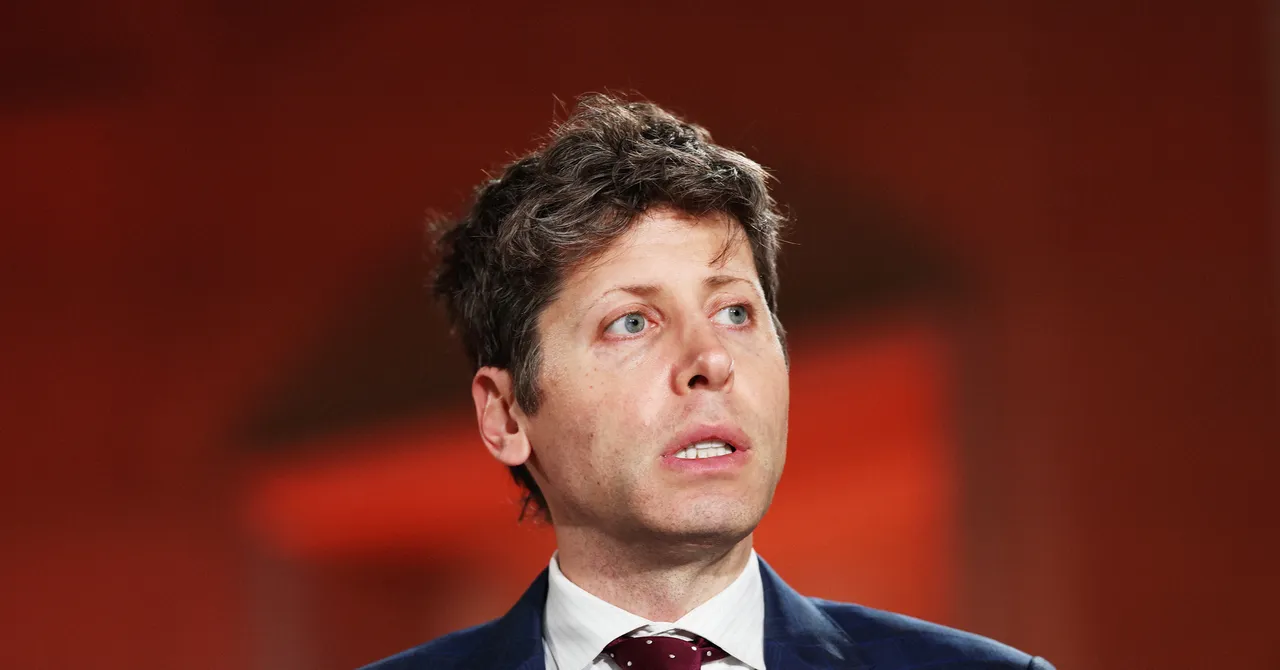
“TBPNstands as my preferred technology program. Our desire is for them to perpetuate their excellent work and continue performing their strengths,” stated Sam Altman, OpenAI CEO, in a message on X. “I do not anticipate them being lenient towards us, [and I] am confident I will contribute to facilitating that with sporadic ill-conceived choices.”
OpenAI declared thatTBPNwould persist in “managing its programming, selecting its guests, and making its own editorial judgments,” as per Simo’s memorandum. The firm additionally stated that TBPN would answer directly to Chris Lehane, OpenAI’s Vice President of global affairs. WIRED had earlier disclosed how an economic research division overseen by Lehane faced difficulties in documenting AI’s detrimental effects on the financial system.
{content}
Source:{feed_title}