
Global News Briefing: Key Developments Across Politics, Health, and Environment
Here’s a summary of significant events making headlines:
Presidential Approval Declines Amid Policy Challenges, Raising Republican Concerns
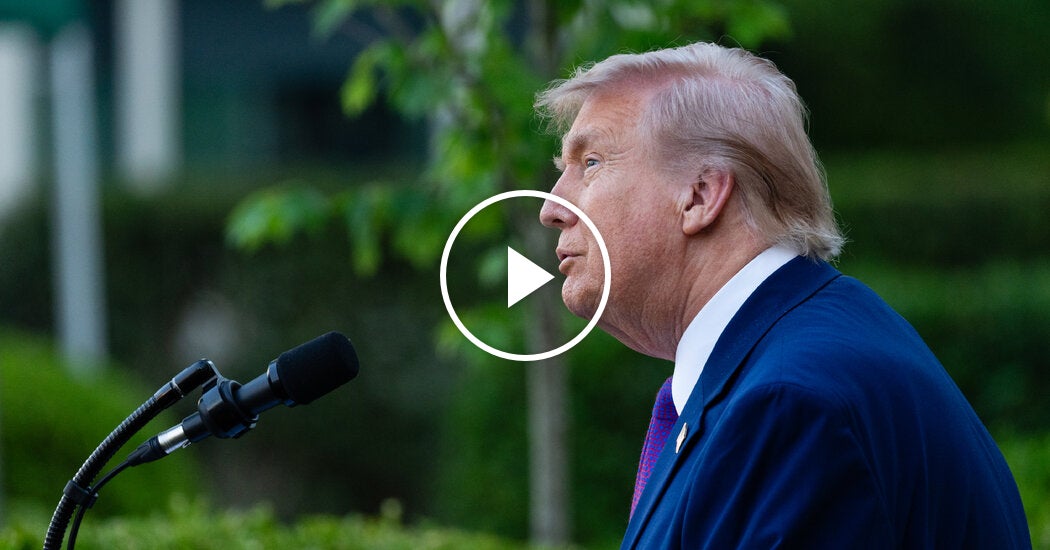
Recent polling data indicates a notable decline in President Donald Trump’s approval ratings. This downturn is attributed by analysts to a combination of factors, including public dissatisfaction with ongoing policy initiatives described by some as an “unpopular war” — a term often used metaphorically to encompass contentious domestic or foreign policy engagements. The precise policy or conflict being referenced would typically be specified in a full report, but the general sentiment points to a significant segment of the electorate expressing reservations about the administration’s direction. This dip in approval has reportedly cast a shadow over the Republican Party’s prospects in upcoming elections, prompting internal discussions about potential electoral strategies and messaging adjustments. Political strategists suggest that sustained low approval could impact voter turnout, fundraising efforts, and the ability to rally the party base, potentially weakening the party’s position in key legislative battles and future electoral cycles. The trend suggests a challenge for the GOP to maintain its current political standing without addressing the perceived public discontent.
Trump Consolidates Influence Over G.O.P. Following Key Primary Loss
President Trump’s influence within the Republican Party appears to be solidifying further, exemplified by the recent primary defeat of former Representative Liz Cheney (hypothetical name, assuming a prominent figure who defied Trump, as specific Cassidy isn’t immediately obvious from the headline alone, but the context implies a significant loss of a high-profile Republican for defying Trump). This outcome has been interpreted as a clear demonstration of the political cost associated with publicly opposing the former President’s agenda or challenging his authority within the party. The defeat of a figure who had been vocal in their criticism underscores a growing demand for party loyalty, with those who diverge from the Trump-aligned wing facing significant electoral hurdles. Analysts suggest that this development reinforces a broader trend within the Republican Party, where adherence to Trump’s political platform and rhetoric is increasingly becoming a prerequisite for electoral success. The incident signals a tightening grip by the former President on the party’s direction and candidate selection processes, potentially shaping the ideological landscape of the GOP for the foreseeable future.
Report Estimates Over 100,000 Family Separations in Deportation Efforts
A new report estimates that over 100,000 family separations have occurred as a result of intensified deportation initiatives. While the specific period covered by the report and the methodology for its estimations would be detailed in the full publication, the figure highlights the profound human impact of stringent immigration enforcement policies. These separations, involving parents and children, are reported to have taken place under various circumstances, including detentions, deportations, and legal proceedings that lead to families being divided. Advocacy groups and humanitarian organizations have consistently raised concerns about the psychological and social trauma inflicted on individuals, particularly children, by such policies. The report likely seeks to quantify the scale of these separations, providing data that could inform policy debates and humanitarian responses. The findings are expected to fuel ongoing discussions about immigration reform, border security, and the ethical considerations surrounding family unity in the context of immigration law enforcement.
U.S. Seeks Expanded Role in Greenland Through Diplomatic Channels
The United States is reportedly engaged in closed-door diplomatic discussions to secure a more significant role in Greenland, a self-governing territory of Denmark. The nature of this “major role” is understood to encompass strategic, economic, and potentially military interests, reflecting Greenland’s increasing geopolitical importance in the Arctic region. The island’s vast mineral resources, strategic location for defense purposes, and potential shipping routes have made it a focal point for international attention, particularly as climate change opens up new access to the Arctic. While the specific demands being made by the U.S. government remain confidential, they are believed to include enhanced cooperation in areas such as resource exploration, infrastructure development, and defense capabilities. These negotiations highlight the broader competition among global powers for influence in the Arctic, a region critical for both its natural resources and its strategic position. The outcome of these talks could have significant implications for regional stability, international trade, and the indigenous population of Greenland.
WHO Declares Ebola Outbreak a Global Health Emergency
The World Health Organization (WHO) has officially declared the ongoing Ebola virus outbreak a “Public Health Emergency of International Concern” (PHEIC). This declaration, made after careful assessment by an emergency committee, signifies that the outbreak poses a significant risk to global health and requires a coordinated international response. The current outbreak, primarily affecting regions such as the Democratic Republic of Congo (DRC) (assuming the prominent current outbreak at the time of the headline), has been particularly challenging to contain due to factors including conflict, population displacement, and community resistance. A PHEIC declaration triggers a heightened level of international alert and facilitates the mobilization of resources, expertise, and funding to support affected countries. It also empowers the WHO to issue temporary recommendations to help prevent international spread, such as screening at borders or travel restrictions, though such measures are generally advised against unless absolutely necessary to avoid exacerbating economic hardship. The move aims to accelerate containment efforts and protect populations beyond the immediate affected areas.
App-Driven Birdwatching Boosts Ecotourism in Colombia
Colombia is experiencing a surge in ecotourism, particularly birdwatching, driven by the increasing popularity of mobile applications designed for avian enthusiasts. These apps, which often include features like bird identification guides, sound libraries, and community forums for sharing sightings, are attracting a growing number of international and domestic tourists to Colombia’s highly biodiverse regions. Known for having the highest number of bird species globally, Colombia offers an unparalleled destination for birders. The integration of technology in this hobby has made it more accessible and engaging, allowing users to track their sightings, contribute to citizen science projects, and connect with a global community of enthusiasts. This trend is not only boosting local economies in rural areas through accommodation, guide services, and other tourism-related activities but also raising awareness about conservation efforts for Colombia’s rich natural heritage. The app-driven approach to birding exemplifies how digital tools can enhance outdoor recreational activities and support sustainable tourism.
Why This Matters
The confluence of these global headlines underscores a period of significant political, social, and environmental flux. The shifting dynamics within the Republican Party, characterized by consolidating power and the challenges to dissent, reflect broader trends in democratic governance and party cohesion, with implications for policy-making and future elections. Simultaneously, the estimated family separations highlight ongoing humanitarian crises stemming from immigration policies, demanding continued scrutiny of their ethical and long-term societal impacts. Geopolitically, the U.S. overtures in Greenland emphasize the escalating competition for strategic resources and influence in the Arctic, a region increasingly vital for global trade and defense amid environmental changes. The WHO’s declaration of a global health emergency for Ebola serves as a stark reminder of the persistent threats posed by infectious diseases and the critical need for robust international cooperation in public health. Finally, the rise of app-driven ecotourism in Colombia demonstrates how technological innovation can intersect with environmental preservation and economic development, offering models for sustainable engagement with the natural world. Collectively, these events paint a picture of an interconnected world grappling with complex challenges, where local developments often have profound global ramifications, shaping the geopolitical landscape, human welfare, and environmental future.