
Check out what’s clicking on FoxBusiness.com.
Key Takeaways:
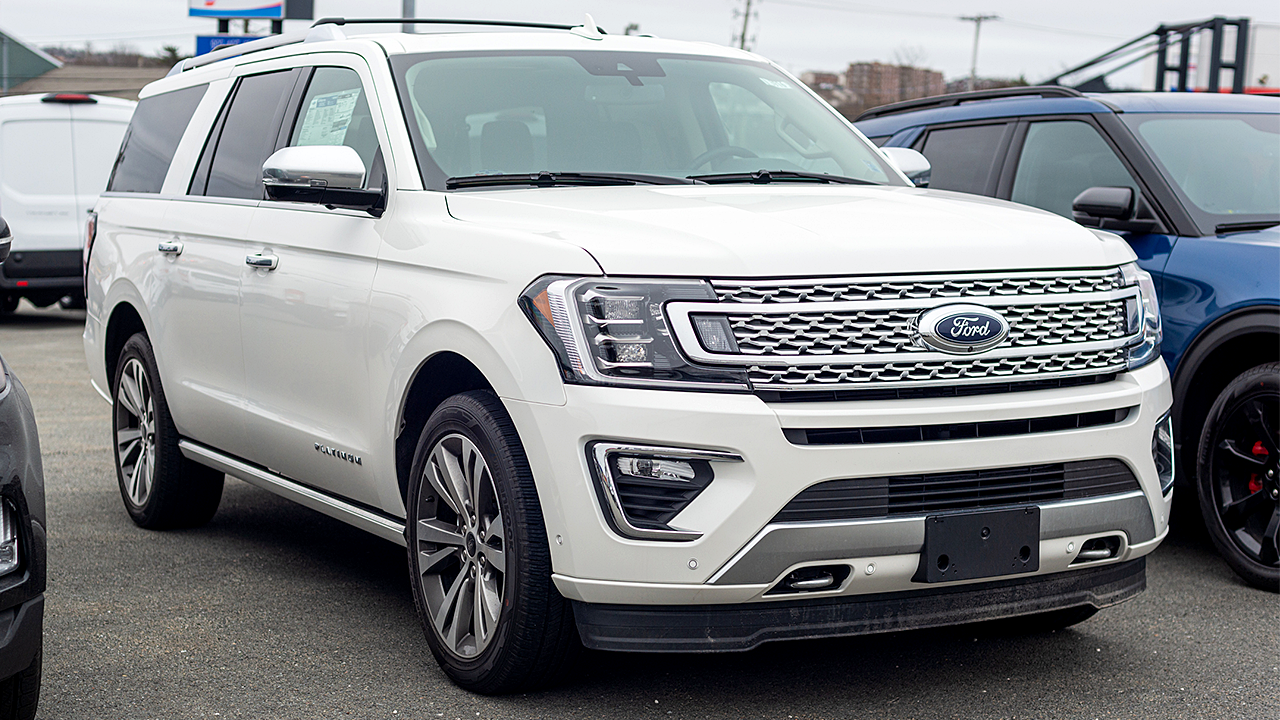
- Significant Recall Scope:Ford faces a recall of over 548,000 Expedition vehicles (2018-2024 models) due to a bubbling and peeling center console chrome trim, posing an injury risk to occupants.
- Quality Control & Supply Chain Implications:The defect highlights ongoing challenges in automotive quality control and the critical reliance on supplier adherence to specifications, potentially impacting Ford’s warranty costs and brand reputation.
- Delayed Remedy & Market Perception:While Ford has identified the issue and proposed a fix, the delayed availability of the remedy until January next year could prolong negative sentiment, despite the stock showing resilience on the announcement.
DEARBORN, MI –Ford Motor Co. (NYSE: F) is navigating another significant product quality challenge, announcing a recall impacting more than half a million of its popular Ford Expedition full-size SUVs. This latest development, while seemingly a routine regulatory filing, carries deeper implications for the automaker’s financial performance, brand perception, and intricate supply chain management in a highly competitive and evolving automotive landscape.
The U.S. National Highway Traffic Safety Administration (NHTSA) confirmed Thursday that 548,463 units of the 2018-2024 Ford Expedition are subject to the recall. The core issue centers on a defect in the center console’s chrome plating, which may bubble and peel over time. This seemingly cosmetic flaw can escalate into a safety hazard, creating sharp edges that significantly increase the risk of injury to vehicle occupants.
For a company like Ford, which relies heavily on high-margin vehicles such as the Expedition to fuel its transition into electric vehicles and advanced technologies, quality control is paramount. Reports from the NHTSA indicate that “a customer may come in contact with the sharp edge of peeling chrome while driving, increasing the risk of injury.” This direct link to occupant safety elevates the recall from a mere nuisance to a material risk event, potentially incurring direct warranty costs, administrative expenses, and, critically, reputational damage.
KIA RECALLS 6K VEHICLES DUE TO POSSIBLE SEAT BELT DEFECT THAT COULD RAISE INJURY RISK
Ford is recalling more than 548,000 vehicles over a center console defect that could cause injury to the occupants.(Getty Images / Getty Images)
The financial implications of such a widespread recall are multifaceted. While specific cost estimates have not been disclosed, managing a recall of over half a million vehicles involves substantial logistical efforts, parts manufacturing, and labor costs for dealer inspections and replacements. These costs will ultimately impact Ford’s profitability, potentially appearing as a charge against earnings in upcoming financial reports, or as an increase in warranty reserves. Given the Expedition’s status as a profitable model within Ford’s lineup, any issue affecting its quality can have a disproportionate impact on the company’s bottom line.
A crucial detail in the NHTSA report points to the defect originating from a supplier. The center console chrome trim was manufactured by suppliers Xin Point and Forvia, reportedly using parameters that failed to meet Ford’s stringent specifications. This highlights the inherent vulnerabilities within complex global supply chains. Automakers rely on thousands of suppliers, and a single component failure, even one seemingly minor like interior trim, can cascade into a significant recall. From a financial perspective, Ford will likely pursue cost recovery from its suppliers, subject to contractual agreements and liability clauses. However, the immediate burden of managing the recall and mitigating brand damage rests squarely with Ford.

The recall affects certain 2018-2024 Ford Expedition vehicles.(Bill Pugliano/Getty Images / Getty Images)
Ford’s identification of the issue stemmed from a trend in Vehicle Owner Questionnaires (VOQs) submitted to the NHTSA, particularly concerning 2019-2020 model-year Expeditions. The report notes that “Five of the six reported VOQs allege customer hand injuries from contact with the sharp edge of the peeling chrome trim.” More alarmingly, Ford is aware of one accident and 65 reported injuries directly linked to this defect. These figures elevate the potential for future litigation and class-action lawsuits, which could introduce significant unquantified liabilities for the company, extending beyond the direct costs of repair.
| Ticker | Security | Last | Change | Change % |
|---|---|---|---|---|
| F | FORD MOTOR CO. | 14.71 | +0.41 | +2.87% |
Customer reports of hand and finger lacerations, some requiring professional medical attention, underscore the tangible safety risk. For investors, while the immediate stock reaction might seem muted (Ford Motor Co. shares showed a positive movement of +2.87% at $14.71, potentially influenced by broader market trends or other unrelated company news), the cumulative effect of recurring quality issues can erode long-term investor confidence and brand loyalty. CEO Jim Farley has consistently emphasized improving quality as a pillar of the “Ford+” transformation plan. This recall, while not a catastrophic structural failure, serves as a reminder of the persistent challenges in maintaining consistent quality across a vast product portfolio.
MORE THAN 1 MILLION JEEP VEHICLES RECALLED OVER FIRE RISK AS OWNERS WARNED NOT TO PARK INSIDE
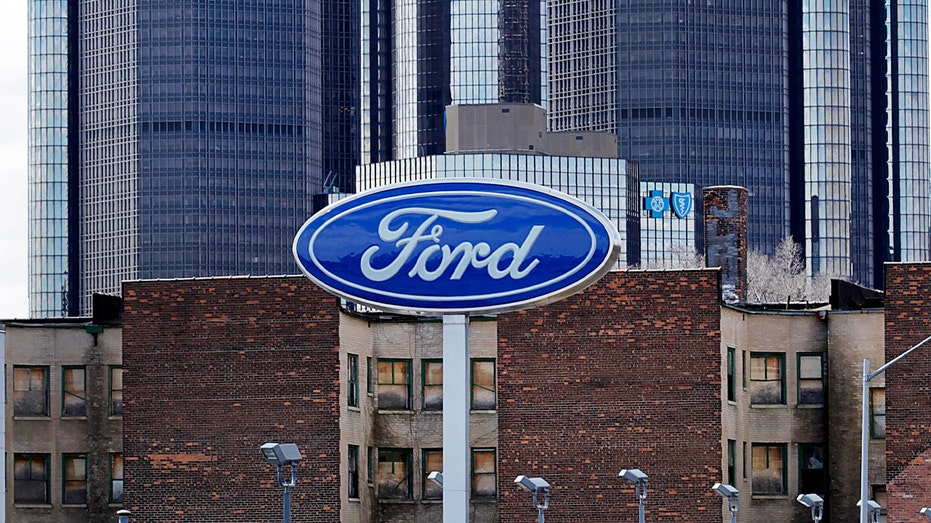
Ford said it is aware of one accident and 65 injuries in connection with this issue.(Jeff Kowalsky/Bloomberg via Getty Images / Getty Images)
The resolution process also presents an operational hurdle. Affected customers will be able to have their vehicles inspected and center consoles replaced at no cost by Ford dealers. While notification letters are expected to be mailed out on June 29, the more critical “additional letters” confirming the availability of the remedy will not be sent until January of next year. This extended timeline for a complete fix means affected owners will continue to drive potentially hazardous vehicles for several months, which could further strain customer relations and potentially amplify negative press if more injuries occur during this interim period.
GET FOX BUSINESS ON THE GO BY CLICKING HERE
The automotive industry is in a period of unprecedented transformation, with billions invested in electrification and autonomous driving. However, fundamental quality control in traditional internal combustion engine (ICE) vehicles remains a cornerstone of profitability and brand strength. Recalls, even for seemingly minor components, serve as a stark reminder that legacy operations must remain robust even as companies pivot to future technologies. For Ford, every recall is a test of its operational resilience and its commitment to quality as a competitive differentiator.
Market Impact:
While Ford’s stock exhibited a modest gain on the day this recall came into focus, suggesting investors may be viewing it as a manageable operational cost rather than a systemic crisis, the cumulative effect of such quality issues cannot be ignored. The recall’s direct financial burden, including warranty costs and potential litigation, will impact future earnings. More significantly, the prolonged timeline for a remedy and the direct link to occupant injuries pose a material risk to Ford’s brand equity and customer loyalty, particularly for a flagship SUV like the Expedition. Investors will be closely watching Ford’s execution of this recall, its ability to recover costs from suppliers, and any subsequent impact on sales figures and customer satisfaction metrics, as these factors will ultimately influence long-term shareholder value and market positioning against rivals in the fiercely competitive SUV segment.